



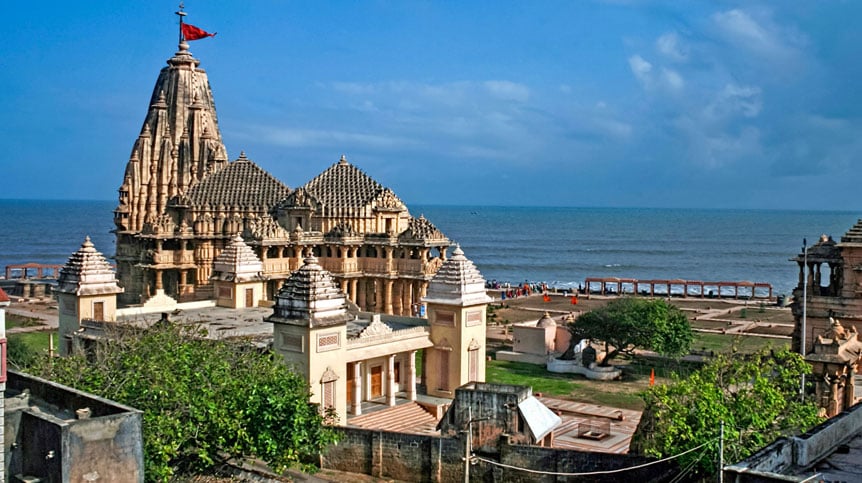

Gujarat, the land of legends and lions, offers an extraordinary mix of cultural heritage, spiritual significance, and natural wonders. From Ahmedabad’s UNESCO-listed old city to the white expanse of the Rann of Kutch and the Gir National Park’s Asiatic lions, Gujarat enchants every kind of traveller. With over 40 million annual visitors, this vibrant state in western India is now one of India’s most sought-after destinations for culture, wildlife, and coastal retreats.
Gujarat: At A Glance
Why visit Gujarat?
Gujarat stands apart as India’s state of cultural richness and rare wildlife. Here’s why it should be on your 2025 travel list:
UNESCO Cities & Sites: Ahmedabad, India’s first UNESCO World Heritage City, and the Champaner-Pavagadh Archaeological Park.
Spiritual Journeys: Somnath Jyotirlinga, Dwarkadhish Temple, and Palitana Jain Temples – some of India’s holiest pilgrimage sites.
Festivals & Culture: Witness the Rann Utsav, Navratri Garba, and International Kite Festival.
Wildlife Experiences: Exclusive Asiatic lion sightings at Gir and birdwatching at Nal Sarovar and Velavadar.
Coastal Escapes: Relax on Mandvi Beach and discover Diu’s Portuguese charm.
Handicrafts & Textiles: Bandhani, Patola silk, and Kutchi embroidery straight from artisans.
What are the top cities in Gujarat?
1. Ahmedabad
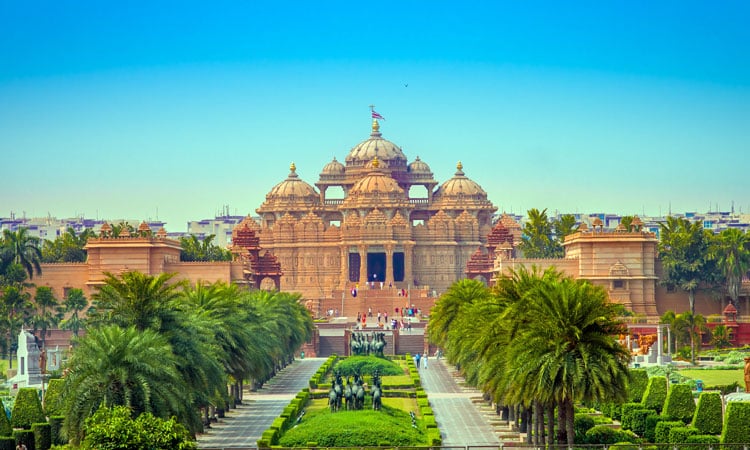
Gujarat’s cultural capital blends ancient heritage with modern development. Explore the intricately carved pols (traditional housing clusters), stunning stepwells, Sabarmati Ashram, where Gandhi lived, and the architectural marvel of the Adalaj Stepwell. The city serves as the perfect starting point for exploring Gujarat’s treasures.
Learn more about the city in our Ahmedabad Travel Guide.
2. Vadodara
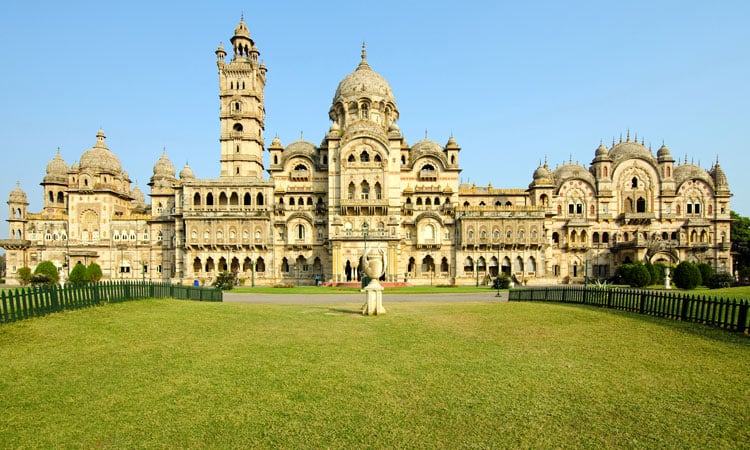
Known as the cultural capital of Gujarat, Vadodara (formerly Baroda) showcases its royal Gaekwad heritage through magnificent palaces, museums, and gardens. The Laxmi Vilas Palace, still inhabited by the royal family, is four times the size of Buckingham Palace. The city also houses excellent museums, the beautiful Sayaji Garden, and a thriving arts scene.
Find useful info on sightseeing and planning in our Vadodara Travel Guide.
3. Rajkot
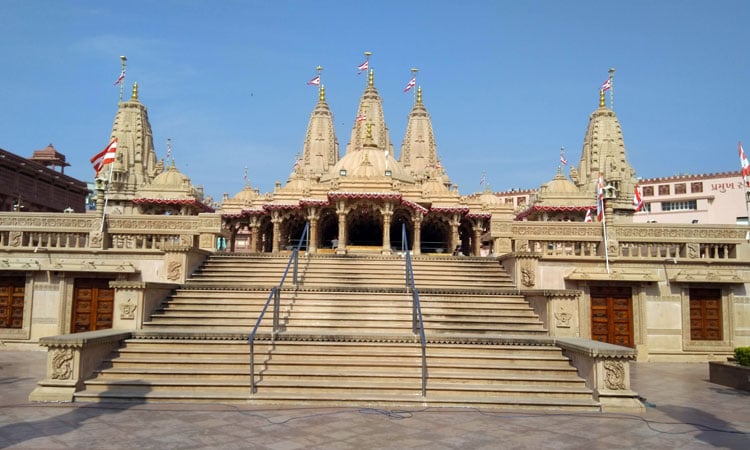
A modern city with traditional roots! Mahatma Gandhi’s childhood home, the Watson Museum, and vibrant handicraft bazaars offer insights into the region’s rich heritage. The city serves as a convenient base for exploring Saurashtra.
4. Junagadh
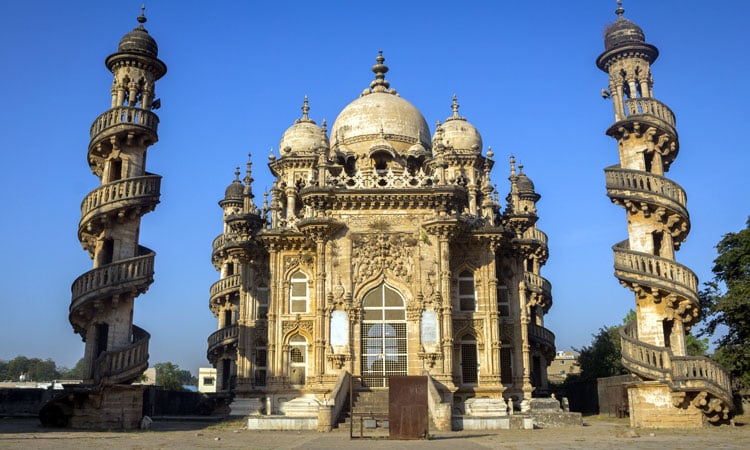
Gateway to Gir National Park and home to Uparkot Fort and Mahabat Maqbara. The Uparkot Fort, dating back over 2,300 years, features impressive stepwells and ancient Buddhist caves. The city is also renowned for the majestic Girnar mountain, which features 10,000 steps leading to sacred Jain and Hindu temples, making it a significant pilgrimage site.
Plan your visit to Gir, forts & temples with our Junagadh Travel Guide.
5. Bhavnagar
A charming coastal city known for its diamond polishing industry and proximity to significant heritage sites, Bhavnagar offers a perfect blend of history and spirituality. The city serves as the gateway to Palitana (the most sacred Jain pilgrimage site) and Velavadar National Park (famous for blackbuck antelopes). Gandhi Smriti Museum and Takhteshwar Temple provide cultural insights into the region.
Discover coastal charm & heritage—browse the Bhavnagar Travel Guide.
6. Kutch (Bhuj & Rann)
Famed for its Rann of Kutch Festival, white salt desert, and craft villages like Hodka and Bhujodi. The city was rebuilt after the devastating 2001 earthquake and now serves as the cultural hub for exploring traditional craft communities. Bhuj’s Aina Mahal (Palace of Mirrors) and the bustling local markets offer authentic experiences.
Plan your trip with help from our Rann of Kutch Travel Guide.
7. Dwarka
One of Hinduism’s seven most sacred cities and part of the Char Dham pilgrimage, Dwarka holds immense religious significance as the legendary kingdom of Lord Krishna. The Dwarkadhish Temple, with its five-storey tower, dominates the skyline, while the coastal location offers stunning views of the Arabian Sea. Bet Dwarka island, accessible by boat, adds to the spiritual journey.
Sacred shores, rich stories—see our Dwarka Travel Guide.
8. Surat
The diamond and textile hub of India, Surat, is a bustling commercial city famous for its food culture and extensive shopping options. Known as the “Diamond City of India”, it processes 90% of the world’s diamonds. The city’s street food scene is legendary, with Surti delicacies like Locho, Ghari, and Surti Undhiyu drawing food lovers from across the country.
Best beaches, heritage & food—check the Surat Travel Guide.
What are the major tourist attractions in Gujarat?
1. Historical Sites
• Rani ki Vav, Patan
Time needed: 2-3 hours
Photography spot: The viewing platform offers the best angles of the entire stepwell
This UNESCO World Heritage stepwell is an architectural masterpiece, dating back to the 11th century. It descends seven levels, featuring over 500 intricate sculptures that depict avatars of Vishnu, celestial beings, and scenes from daily life. The stepwell was buried under silt for centuries and rediscovered in the 1980s. Visit during midday when sunlight illuminates the carvings beautifully.
• Champaner-Pavagadh Archaeological Park
Time needed: Full day
Best time: Early morning to avoid the heat; the ropeway opens at 8:00 a.m.
This UNESCO World Heritage site features prehistoric, Hindu, and Islamic architecture spanning from the 8th to 14th centuries. The Kalika Mata Temple, located atop Pavagadh Hill, requires either a ropeway ride or a 250-step climb. The park features mosques, temples, stepwells, and fortifications scattered across the landscape, providing a full day of exploration.
• Laxmi Vilas Palace, Vadodara
Time needed: 2-3 hours
Photography spot: The grand Durbar Hall with Belgian stained glass
Four times larger than Buckingham Palace, this Indo-Saracenic masterpiece remains the residence of the royal family of Vadodara. The palace showcases an impressive collection of weaponry, sculptures, and paintings. The manicured gardens, golf course, and miniature railway add to its grandeur.
• Dholavira
Time needed: 3-4 hours
Best time: November to February
This ancient Harappan city in the Rann of Kutch is one of India’s most prominent archaeological sites and a UNESCO World Heritage site. Dating back to 3000 BCE, it features sophisticated water management systems, the world’s first signboard, and well-planned urban structures. The site offers insights into the advanced Indus Valley Civilisation.
2. Religious Spots
• Dwarkadhish Temple, Dwarka
Timings: 6:30 am – 9:30 pm (with breaks)
Darshan queues: Shortest between 2-4 pm
This five-story temple, dedicated to Lord Krishna, stands on 72 pillars and showcases intricate Chalukya-style architecture. The 2,500-year-old temple attracts thousands of devotees daily. The evening aarti at 7 pm creates a spiritually charged atmosphere, marked by the sounds of bells, chants, and devotional music.
• Somnath Temple
Timings: 6 am – 9:30 pm
Sound and Light Show: 7:45 pm (Hindi), 8:45 pm (Gujarati)
One of the 12 Jyotirlingas, this temple has been destroyed and rebuilt seven times throughout history, symbolising eternal resilience. The current structure was completed in 1951. The temple’s location on the Arabian Sea coast creates stunning sunset views, and the evening sound and light show narrates its fascinating history.
• Akshardham Temple, Gandhinagar
Timings: 9:30 am – 7 pm (Closed Mondays)
Entry: Free (exhibitions have separate charges)
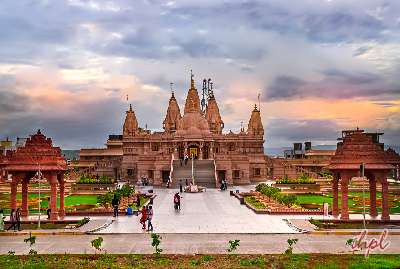
This modern architectural marvel, built using 6,000 tons of pink sandstone, features intricate carvings and no steel in its construction. The complex includes exhibitions on Indian culture, a musical fountain, and beautiful gardens. The temple showcases traditional craftsmanship in contemporary design.
3. Natural Escapes & Wildlife
• Gir National Park
Best zones: Sasan Gir and Devalia Safari Park
Safari timing: 6:30 am – 9 am and 3 pm – 5:30 pm (October to June)
The only natural habitat of Asiatic lions in the world, Gir protects over 600 lions along with leopards, hyenas, and 300 bird species. The park offers jeep safaris through diverse terrain, including deciduous forests, grasslands, and rivers. Devalia Safari Park provides a controlled environment with higher chances of lion sightings for those with limited time.
• Little Rann of Kutch
Best time: November to February
Safari timing: Early morning and late afternoon
Home to the endangered Indian Wild Ass (Khur), this unique salt desert ecosystem undergoes dramatic transformations with the seasons. The sanctuary also hosts flamingos, pelicans, and a variety of migratory birds. Specialised jeep safaris take you deep into the white landscape where herds of wild asses roam freely.
• Nalsarovar Bird Sanctuary
Best time: November to February (migratory season)
Safari timing: Early morning and late afternoon
This wetland sanctuary attracts over 250 species of migratory birds, including flamingos, pelicans, cranes, and ducks. Boat safaris during sunrise offer the best opportunities for bird-watching. The sanctuary transforms into a pink paradise when thousands of flamingos arrive during peak season.
4. Cultural Experiences
• Rann Utsav, Kutch
Best Time: November to February (Full moon nights are magical)
Location: Dhordo Village, Kutch
A three-month cultural festival celebrating Gujarat’s culture, handicrafts, and natural beauty on the White Rann. The tent city offers comfortable accommodation, folk performances, adventure activities, and visits to craft villages. The White Rann glowing under moonlight creates an otherworldly experience. The festival features Gujarati folk dances, music concerts, and authentic regional cuisine.
• Heritage Walk, Ahmedabad
Timing: 6 am – 10 am (Every day)
Meeting point: Swaminarayan Temple, Kalupur
This guided walking tour through Ahmedabad’s historic pols reveals hidden architectural treasures, traditional havelis, and ancient stepwells. The walk includes visits to Jain temples and bird-feeding traditions, and concludes with a traditional Gujarati breakfast at a heritage home. The experience offers authentic insights into the city’s 600-year-old living heritage.
Which are the popular fairs & festivals in Gujarat?
1. Navratri
When to attend: September-October (9 nights)
Where: Throughout Gujarat, especially Ahmedabad and Vadodara
Gujarat’s most celebrated festival transforms the state into a dancing ground for nine consecutive nights. Traditional Garba and Dandiya Raas performances fill community grounds, with elaborately dressed participants dancing in circular formations. Each night features different themes, with the final night being the most spectacular. International visitors come specifically to experience this vibrant cultural phenomenon.
2. International Kite Festival
When to attend: January 14 (Makar Sankranti)
Where: Ahmedabad (Sabarmati Riverfront)
Uttarayan, as locals call it, fills Gujarat’s skies with thousands of colourful kites. The International Kite Festival in Ahmedabad showcases master kite makers from over 40 countries. Rooftops become social gathering spots, with families engaging in friendly kite-flying battles. Night-time illuminated kites and fireworks create a magical atmosphere. The festival coincides with winter harvest celebrations.
3. Rann Utsav
When to attend: November to February
Where: Dhordo, Kutch
This three-month-long festival celebrates Kutch’s culture against the backdrop of the White Rann. The festival features cultural performances, handicraft exhibitions, adventure sports, and full moon parties on the white desert. Traditional folk artists perform Garba, Langa music, and puppet shows. The tent city offers luxury glamping experiences under star-filled skies.
4. Janmashtami
When to attend: August-September
Where: Dwarka and across Gujarat
Lord Krishna’s birthday is celebrated with exceptional fervour in Dwarka, his legendary kingdom. The celebrations include Dahi Handi (human pyramids to break pots), midnight prayers, elaborate decorations, and devotional singing. Temples remain open throughout the night, hosting special rituals.
5. Modhera Dance Festival
When to attend: January (3 days during the third week)
Where: Modhera Sun Temple
This three-day classical dance festival is held against the stunning backdrop of the 11th-century Sun Temple. Renowned classical dancers perform Bharatanatyam, Kathak, Odissi, and other traditional dance forms. The temple’s architecture provides a breathtaking stage, and the evening performances under lights create an unforgettable cultural experience.
When is the Best Time to Visit Gujarat?
Gujarat experiences three distinct seasons, each offering a unique experience.
1. Winter (October to March): The Peak Tourist Season
Winter brings ideal weather, with pleasant days (20-28°C) and cool nights, making it perfect for all outdoor activities. This is the prime time for visiting the Rann of Kutch, going on wildlife safaris at Gir, and exploring cities comfortably. The Rann Utsav takes place during these months, and most festivals, including Navratri, fall within this period. Clear skies and comfortable temperatures make it an excellent time for sightseeing, although popular destinations require bookings.
2. Summer (April to June): The Budget Season
Summer brings scorching heat (32-42°C) to most of Gujarat, making outdoor activities challenging during the midday hours. However, coastal areas like Diu remain relatively pleasant. This season offers significant discounts on accommodations and fewer crowds at major attractions. Hill stations like Saputara and coastal beaches provide respite from the heat. Early morning and evening sightseeing is recommended for temple visits and city tours.
3. Monsoon (July to September): The Offbeat Season
The monsoon brings moderate to heavy rainfall (average 80-150cm), transforming the landscape into lush greenery. The Rann of Kutch fills with water, creating unique wetland ecosystems. This season is ideal for experiencing local life authentically, enjoying lower prices, and witnessing the state’s agricultural beauty. However, the White Rann experience is not available, and some wildlife parks close during heavy rains.
To know more, check out this best time to visit Gujarat guide.
How to Reach Gujarat?
Gujarat is well-connected to major Indian cities and international destinations via various modes of transportation.
1. By Air
Gujarat has two major international airports with extensive domestic and global connectivity.
Sardar Vallabhbhai Patel International Airport, Ahmedabad – Best connected with 100+ daily flights from Delhi, Mumbai, Bangalore, and international connections to Dubai, Singapore, London, and other major cities.
Vadodara Airport – Direct flights from Delhi, Mumbai, Bangalore, and select domestic cities.
From Major Cities:
Delhi to Ahmedabad: 1.5-hour flight
Mumbai to Ahmedabad: 1-hour flight
Bangalore to Ahmedabad: 2-hour flight
Kolkata to Ahmedabad: 2.5-hour flight
2. By Train
Gujarat boasts excellent railway connectivity with premium and regular train services:
Luxury Trains: The Maharaja Express and Royal Rajasthan on Wheels include Gujarat in their circuits.
Popular Routes:
Delhi to Ahmedabad: Shatabdi Express (8 hours)
Mumbai to Ahmedabad: Shatabdi Express (7 hours)
Bangalore to Ahmedabad: Rani Chennamma Express (36 hours)
Major Railway Stations: Ahmedabad Junction, Vadodara Junction, Surat Railway Station, Rajkot Junction, Bhavnagar Terminus
3. By Road
Well-connected by national highways with multiple transportation options:
From Major Cities:
From Mumbai: NH-48 to Ahmedabad (540 km, 8-9 hours)
From Delhi: NH-48 via Jaipur to Ahmedabad (950 km, 14-16 hours)
From Pune: NH-48 via Mumbai (740 km, 11-12 hours)
From Jaipur: NH-48 to Ahmedabad (650 km, 10-11 hours)
Bus Services:
Gujarat State Road Transport Corporation (GSRTC): AC/Non-AC government buses connecting all major cities
Private operators: Volvo and sleeper coaches from Mumbai to Ahmedabad and Delhi to Ahmedabad
Self-Drive Options: Rental cars available at airports and major cities (₹2,000-4,500/day with driver, ₹1,500-3,000/day self-drive)
To know more, visit how to reach Gujarat.
Travel Tips & Local Insights
Temple Etiquette: Dress modestly; leather items may be prohibited.
Foodie Hack: Try Kathiawadi thali in Rajkot or street fafda-jalebi in Ahmedabad.
Bargain Wisely: Fixed-rate state emporiums like Garvi Gurjari ensure quality crafts.
Safari Tip: Morning safaris in Gir improve lion sighting chances.
Festivals: Pre-book accommodations for Rann Utsav and Navratri as they sell out early.
Plan Your Trip to Gujarat with IndianHoliday!
Ready to explore Gujarat’s royal cities, deserts, and wildlife? Let IndianHoliday.com plan your perfect journey, from luxury tent stays in the Rann to temple circuits and lion safaris. Our experts ensure authentic experiences at the best prices.