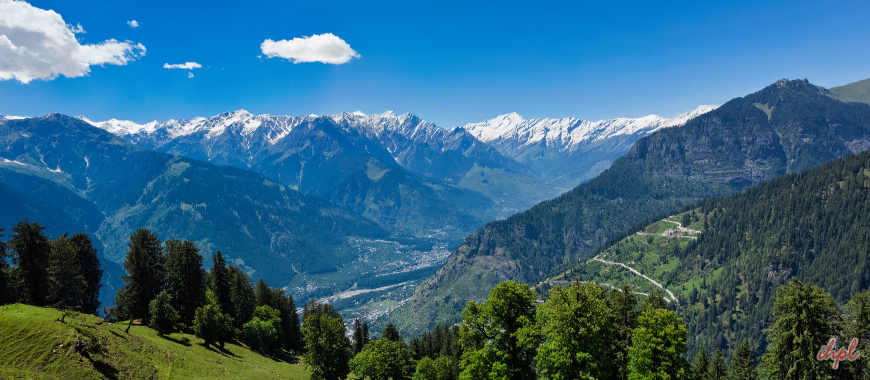

Nestled in the heart of the Pir Panjal and Dhauladhar mountain ranges, Manali stands as one of India’s most sought-after hill stations. Known as the "Honeymoon Capital of India," this picturesque destination offers a perfect blend of natural beauty, adventure activities, spiritual experiences, and cultural richness.
Why Visit Manali?
- Natural Beauty: Snow-capped peaks, lush valleys, and pristine rivers
- Adventure Hub: Paragliding, skiing, trekking, and river rafting
- Spiritual Significance: Ancient temples and meditation centers
- Cultural Richness: Traditional Himachali culture and festivals
- Romantic Atmosphere: Perfect for honeymoons and couples
- Photography Paradise: Stunning landscapes and scenic viewpoints
Best Time to Visit
Peak Season: March to June (Summer)
Temperature: 10°C to 25°C (50°F to 77°F) Best For: Sightseeing, adventure activities, festivals
Advantages:
- Pleasant weather with clear skies
- Perfect for outdoor activities like paragliding, trekking, and river rafting
- Blooming flowers and lush green landscapes
- All tourist attractions are accessible
- Rohtang Pass is open (May-November)
Considerations:
- Crowded tourist season
- Higher accommodation prices
- Need advance bookings
- Traffic congestion on weekends
Winter Season: October to February
Temperature: -7°C to 15°C (19°F to 59°F) Best For: Snow activities, skiing, romantic getaways
Advantages:
- Heavy snowfall creating winter wonderland
- Skiing and snowboarding opportunities
- Fewer crowds (except December-January)
- Cozy atmosphere with bonfires
- Winter festivals and celebrations
Considerations:
- Cold temperatures require warm clothing
- Some roads may be blocked due to snow
- Limited outdoor activities
- Higher heating costs
Monsoon Season: July to September
Temperature: 10°C to 20°C (50°F to 68°F) Best For: Budget travel, peaceful retreats
Advantages:
- Lower accommodation rates
- Lush green landscapes
- Fewer tourists
- Cool and pleasant weather
- Beautiful waterfalls
Considerations:
- Risk of landslides
- Road blockages possible
- Limited outdoor activities
- Some attractions may be closed
Check out Solang Valley Tour Packages, Sarahan Tour Packages, Nako Tour Packages, Mandi Tour Packages, Manali Tour Packages
Autumn Season: September to October
Temperature: 10°C to 20°C (50°F to 68°F) Best For: Photography, sightseeing, trekking
Advantages:
- Clear weather after monsoons
- Excellent visibility of mountains
- Moderate temperatures
- Fewer crowds
- Perfect for photography
Top Attractions
1. Hidimba Devi Temple (Dhungiri Temple)
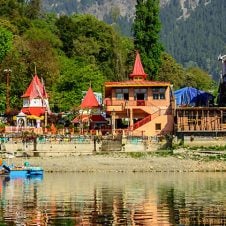
This ancient temple showcases unique Kathkuni architecture with intricate wood carvings and a four-tiered pagoda structure. Surrounded by towering deodar trees, it offers a serene spiritual experience amidst nature.
2. Solang Valley
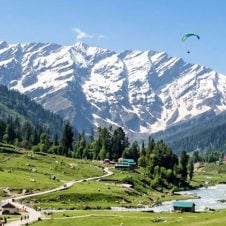
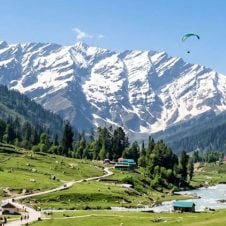
Known as the adventure capital of Manali, Solang Valley offers year-round activities including paragliding, zorbing, horse riding, and skiing. The valley provides stunning views of glaciers and snow-capped peaks.
3. Rohtang Pass
The "Gateway to Lahaul and Spiti," Rohtang Pass offers breathtaking panoramic views of the Himalayas. Visitors can enjoy snow activities even in summer and witness the dramatic landscape changes.
4. Old Manali
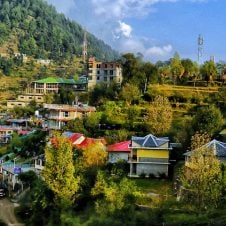
Old Manali offers a stark contrast to the commercialized new town, featuring narrow streets, traditional architecture, Israeli cafes, and a more relaxed vibe preferred by international travelers.
5. Vashisht Hot Springs
These sulfur-rich hot springs are believed to have healing properties for skin ailments and joint pains. The site also features an ancient temple dedicated to Sage Vashisht.
6. Jogini Falls
A scenic waterfall accessible through a beautiful trek passing through pine forests and apple orchards. The falls offer a refreshing experience and stunning photo opportunities.
7. Naggar Castle
This magnificent stone and wood castle showcases traditional Himalayan architecture and houses a museum displaying artifacts from the region’s royal past.
8. Atal Tunnel (Rohtang Tunnel)
This engineering marvel provides all-weather connectivity to Lahaul and Spiti valleys, reducing travel time significantly and offering a unique driving experience through the mountains.
9. Great Himalayan National Park
Home to over 375 fauna species and 31 mammal species including the elusive snow leopard, this park offers excellent trekking opportunities and wildlife experiences.
10. Manikaran Sahib
A sacred site for both Hindus and Sikhs, Manikaran features natural hot springs and the famous Gurudwara Manikaran Sahib, attracting pilgrims and tourists alike.
Adventure Activities
Paragliding
Experience the thrill of flying over the stunning Himalayas with experienced instructors. Tandem flights are available for beginners.
River Rafting
Navigate through the turbulent waters of the Beas River with experienced guides, enjoying scenic views along the way.
Skiing and Snowboarding
Learn skiing or snowboarding with professional instructors or enjoy the slopes if you’re experienced.
Zorbing
Location: Solang Valley Experience: Rolling downhill in a transparent plastic ball Duration: 2-3 minutes Cost: ₹300-₹500
Mountain Biking
Routes: Various difficulty levels available Equipment: Available for rent Best Season: March to October Cost: ₹500-₹1,500 per day
Trekking
Popular Treks:
- Bhrigu Lake Trek (3-4 days)
- Hampta Pass Trek (5 days)
- Chandrakhani Pass Trek (3 days)
- Beas Kund Trek (3 days)
Local Cuisine & Dining
Must-Try Himachali Dishes
- Siddu: Steamed bread stuffed with poppy seeds or walnut paste
- Dham: Traditional feast served on special occasions
- Trout Fish: Fresh river trout prepared in local style
- Mittha: Sweet rice dish with dry fruits
- Kullu Trout: Locally caught and prepared fish
- Himachali Rajma: Red kidney beans in thick gravy
- Babru: Black gram flour pancakes
Popular Restaurants
Fine Dining
- Johnson’s Café: Continental cuisine with garden setting
- Casa Bella Vista: Italian dishes with valley views
- The Lazy Dog: Multi-cuisine with riverside seating
- Drifters’ Café: International menu with cozy ambiance
Local Cuisine
- Chopsticks: Authentic Himachali and Chinese dishes
- Mount View: Traditional local food with mountain views
- Mayur Restaurant: Popular for North Indian cuisine
- People Art Café: Organic food and live music
Budget Dining
- Café 1947: Famous for music and Italian food
- German Bakery: Fresh bread and pastries
- Shiva Garden Café: Budget-friendly with good food
- Moon Dance Café: Popular among backpackers
Shopping in Manali
Shopping Areas
Mall Road
The main shopping street offering a mix of local handicrafts, woolens, and souvenirs.
Old Manali Market
Bohemian-style market with unique items, jewelry, and clothing.
Tibetan Market
Specialized in Tibetan artifacts, singing bowls, and Buddhist items.
Must-Buy Items
- Kullu Shawls: Hand-woven traditional shawls
- Himachali Caps: Traditional woolen caps
- Local Honey: Pure honey from mountain flowers
- Wooden Handicrafts: Carved items and decorative pieces
- Silver Jewelry: Traditional designs and contemporary pieces
- Pashmina Shawls: Soft and warm luxury shawls
- Dry Fruits: Local varieties including apples and walnuts
- Essential Oils: Made from local herbs and flowers
How to Reach Manali
By Air
Nearest Airport: Bhuntar Airport (Kullu-Manali Airport) Distance: 50 km from Manali Airlines: SpiceJet, Alliance Air (seasonal flights) From Airport: Taxis and buses available
Major Connecting Cities:
- Delhi (1.5 hours flight)
- Chandigarh (45 minutes flight)
- Mumbai (2.5 hours flight)
By Road
From Delhi (540 km)
Route 1: Delhi → Chandigarh → Bilaspur → Mandi → Kullu → Manali (12-14 hours)Route 2: Delhi → Ambala → Chandigarh → Manali (10-12 hours)
From Chandigarh (310 km)
Time: 6-8 hoursRoute: Chandigarh → Bilaspur → Mandi → Kullu → Manali
From Mumbai (1,650 km)
Time: 24-26 hours (recommended to break journey) Route: Mumbai → Pune → Aurangabad → Indore → Bhopal → Gwalior → Agra → Delhi → ManaliBy Bus
Government Buses: HRTC and HPTDC operate regular services Private Buses: Volvo, semi-sleeper, and sleeper options available From Delhi: 12-14 hours overnight journey From Chandigarh: 8-10 hours
By Train
Nearest Railway Stations:
- Joginder Nagar (135 km)
- Chandigarh (310 km)
- Kalka (285 km)
From railway stations, taxis and buses are available to reach Manali.
Travel Tips & Safety
Essential Packing List
Clothing
- Summer: Light woolens, cotton clothes, light jacket
- Winter: Heavy woolens, thermal wear, waterproof jacket
- Monsoon: Rain gear, quick-dry clothes, umbrella
Footwear
- Comfortable walking shoes
- Hiking boots for trekking
- Warm socks and slippers
Essentials
- Sunglasses and sunscreen
- First aid kit
- Power bank and chargers
- Camera and extra batteries
- Personal medications
Cultural Experiences
Festivals and Events
Manali Winter Carnival (February)
A week-long celebration featuring cultural performances, winter sports, food festivals, and traditional crafts.
Hadimba Devi Fair (May)
Annual festival celebrating the temple’s deity with traditional dances, music, and local delicacies.
Doongri Forest Festival (May)
Women’s festival honoring Hadimba Devi with traditional attire, dancing, and singing.
Kullu Dussehra (October)
Though centered in Kullu, this unique celebration is accessible from Manali and features a grand procession of local deities.
Traditional Arts & Crafts
Handicrafts
- Wood carving
- Metalwork
- Traditional weaving
- Stone carving
Local Artisans
Visit workshops to see craftsmen at work and purchase authentic handmade items directly from makers.
Check out our packages: Spiti valley tour packages, Sarchu tour packages, Nalagarh Tour Packages, Manikaran tour packages, Manali tour packages, Kufri tour packages, Keylong tour packages, Jispa tour package, Himachal Pradesh tour packages.