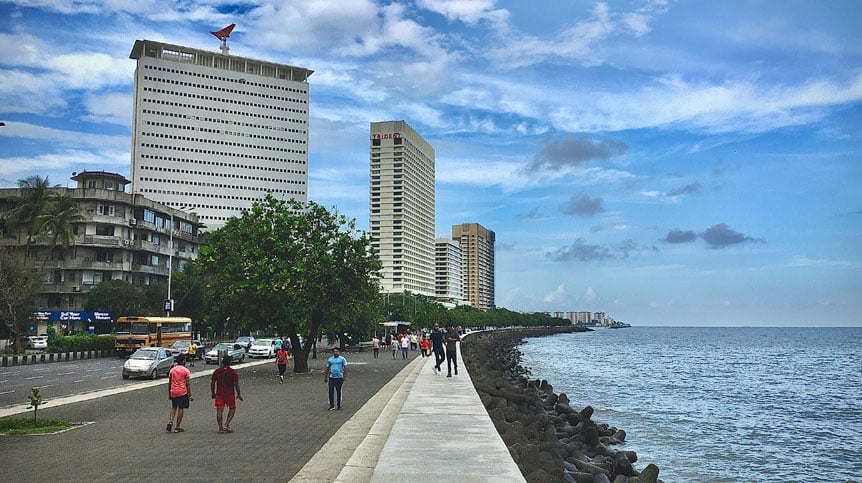

Mumbai sightseeing works best when you group attractions by area and travel rhythm, not by chasing a long checklist. The distances may look manageable on a map, but traffic, ferry timings, museum time, and coastal stops can easily stretch the day.
For a first-time visit, the experience usually combines South Mumbai heritage with one coastal stretch, one spiritual or cultural site, and one nature or local stop. This guide helps you decide which places to visit in Mumbai based on your available time and interests
Planning Snapshot
- Ideal time needed: 2 to 3 days for a balanced Mumbai sightseeing trip; 1 day for a tight South Mumbai-focused visit.
- Best pace: Start early for heritage attractions, keep coastal spots for evening, and avoid overloading north-south travel on the same day.
- Best time to visit: October to March for more comfortable outdoor sightseeing.
- Guided context: Useful for CSMT, CSMVS, Elephanta Caves, Dhobi Ghat, and heritage walks around Fort and Colaba.
- Best for short stay: Gateway of India, CSMT, Marine Drive, Colaba Causeway, and one museum or coastal stop.
- Practical note: Mumbai traffic can stretch travel time, so grouping attractions by location is more important than covering a long list.
Top Attractions to Explore in Mumbai
Historic Landmarks and South Mumbai
Colaba and Fort are the strongest starting points for first-time visitors because many of Mumbai’s major heritage landmarks sit close enough to form a half-day or full-day circuit. This part of the city is walkable in sections, with short taxi rides where needed.
Gateway of India
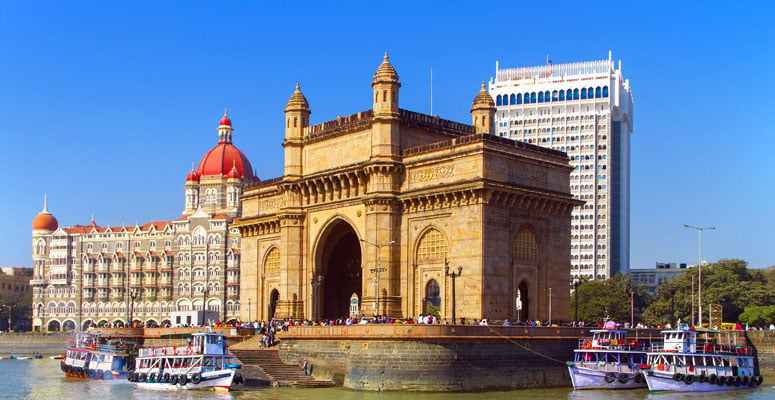
The Gateway of India is Mumbai’s most recognisable waterfront landmark and a natural starting point for South Mumbai sightseeing. It works especially well because several key attractions surround it, including The Taj Mahal Palace, Colaba Causeway, Chhatrapati Shivaji Maharaj Vastu Sangrahalaya (CSMVS), and the ferry point for the Elephanta Caves.
Planner’s Advice
Best for: First-time visitors, families, photographers, and short-stay travellers.
Time needed: 30 to 45 minutes; longer if you are taking photos or continuing by ferry.
Best timing: Early morning or around sunset.
Pairs well with: The Taj Mahal Palace, Colaba Causeway, CSMVS, and Elephanta Caves ferry.
The Taj Mahal Palace
The Taj Mahal Palace is best viewed as a heritage landmark from the outside unless you are specifically visiting for a meal, high tea, or a stay. Its value for sightseeing comes from its architecture, waterfront location, and proximity to the Gateway of India.
Planner’s Advice
Best for: Architecture lovers, heritage-focused travellers, couples, and first-time visitors.
Time needed: 15 to 30 minutes from outside; longer if visiting for a meal or high tea.
Best timing: Morning or evening with Gateway of India.
Pairs well with: Gateway of India and Colaba Causeway.
Chhatrapati Shivaji Maharaj Terminus
Chhatrapati Shivaji Maharaj Terminus, often called CSMT, is much more than a railway station. It is a UNESCO World Heritage Site and one of Mumbai’s finest architectural landmarks, known for its Victorian Gothic structure blended with Indian design details.
Planner’s Advice
Best for: Heritage travellers, architecture lovers, photographers, and first-time visitors to Mumbai.
Time needed: 30 to 45 minutes for exterior appreciation; longer with a guided heritage walk.
Best timing: Morning or late afternoon.
Pairs well with: Fort heritage buildings, Crawford Market, Kala Ghoda, or CSMVS.
Chhatrapati Shivaji Maharaj Terminus
Chhatrapati Shivaji Maharaj Terminus, often called CSMT, is much more than a railway station. It is a UNESCO World Heritage Site and one of Mumbai’s finest architectural landmarks, known for its Victorian Gothic structure blended with Indian design details.
Planner’s Advice
Best for: Heritage travellers, architecture lovers, photographers, and first-time visitors to Mumbai.
Time needed: 30 to 45 minutes for exterior appreciation; longer with a guided heritage walk.
Best timing: Morning or late afternoon.
Pairs well with: Fort heritage buildings, Crawford Market, Kala Ghoda, or CSMVS.
Chhatrapati Shivaji Maharaj Vastu Sangrahalaya
Chhatrapati Shivaji Maharaj Vastu Sangrahalaya, or CSMVS, is the best museum stop in Mumbai for travellers who want depth rather than only quick photo stops. Its collections cover art, sculpture, decorative objects, natural history, and historical material, while the building itself is an important Indo-Saracenic landmark.
Planner’s Advice
Best for: Art lovers, history-focused travellers, families with older children, and slow travellers.
Time needed: 1.5 to 2.5 hours.
Best timing: Late morning or early afternoon.
Pairs well with: Gateway of India, Kala Ghoda, Colaba, and Jehangir Art Gallery.
Colaba Causeway
Colaba Causeway is a lively South Mumbai street stretch where sightseeing, browsing, and local atmosphere overlap naturally. This is not just for shopping; it is the old-city energy, pavement stalls, colonial-era surroundings, cafes, and easy connection to the Gateway of India and Kala Ghoda. You will find antique-style jewellery, handicrafts, clothes, books, accessories, and everyday street movement.
Planner’s Advice
Best for: First-time visitors, couples, families, and travellers who enjoy street atmosphere.
Time needed: 45 minutes to 1.5 hours.
Best timing: Late afternoon or early evening.
Pairs well with: Gateway of India, The Taj Mahal Palace, CSMVS, and Kala Ghoda.
Coastlines and Promenades
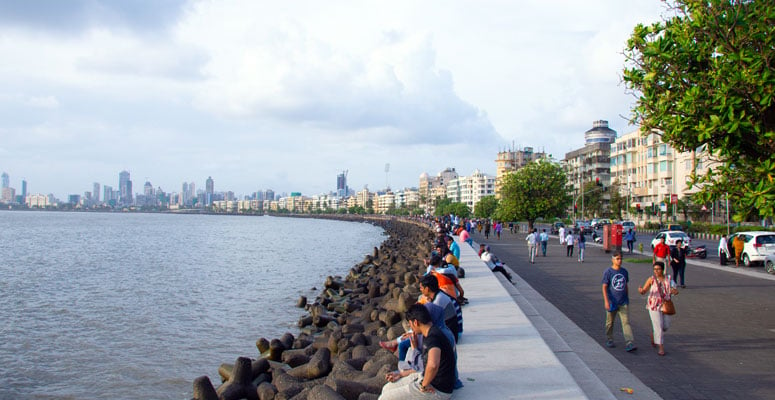
Mumbai’s coast is best experienced in the late afternoon or evening after heritage sightseeing. The light softens, the sea breeze is more comfortable, and the city’s coastal rhythm becomes easier to appreciate.
Marine Drive
Marine Drive is one of Mumbai’s easiest and most rewarding evening stops. It works because it does not demand a fixed sightseeing format. You can walk, sit by the promenade, watch the traffic curve along the bay, or combine it with a South Mumbai dinner plan. At night, the lit curve of the promenade is often referred to as the Queen’s Necklace.
Planner’s Advice
Best for: First-time visitors, couples, families, senior travellers, and evening walkers.
Time needed: 45 minutes to 1.5 hours.
Best timing: Sunset to evening.
Pairs well with: Churchgate, Nariman Point, Girgaon Chowpatty, and South Mumbai sightseeing.
Bandra-Worli Sea Link
Bandra-Worli Sea Link is better understood as a route-based landmark. It is a modern coastal bridge connecting Worli and Bandra, and its value comes from the drive, sea views, and the sense of moving between central Mumbai and the western suburbs.
Planner’s Advice
Best for: Travellers moving between South/Central Mumbai and Bandra or Juhu.
Time needed: Route-based; not a standalone stop.
Best timing: Daylight for sea views; evening if it fits naturally into your route.
Pairs well with: Bandra, Worli, Siddhivinayak Temple, or Juhu Beach.
Juhu Beach
This is a lively public beach best suited for sunsets, a local atmosphere, and casual evenings. It is not the quietest coastal stretch, but it gives travellers a clear sense of Mumbai’s public beach culture, especially on weekends and holidays. The food stalls are part of the experience, with Mumbai favourites such as pav bhaji, vada pav, bhel puri, and other familiar snacks.
Planner’s Advice
Time needed: 1 to 2 hours.
Best timing: Sunset or early evening.
Pairs well with: Bandra, ISKCON Juhu, or a relaxed evening in the western suburbs.
Spiritual and Cultural Sites
Mumbai’s spiritual landmarks are spread across the city, so they should be added thoughtfully rather than squeezed into an already packed day in South Mumbai.
Haji Ali Dargah
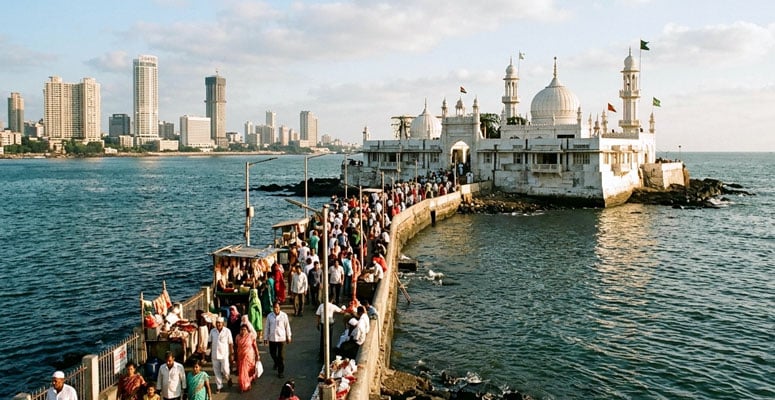
Haji Ali Dargah stands on a small islet off the Worli coast, reached by a narrow causeway that is accessible depending on tide and weather conditions. The sea-facing setting, Indo-Islamic architecture, and walk across the causeway make it one of Mumbai’s most distinctive spiritual sites.
Planner’s Advice
Best for: Spiritual travellers, culture-focused visitors, photographers, and travellers exploring Worli or Mahalaxmi.
Time needed: 1 to 1.5 hours.
Best timing: Check tide conditions before planning.
Pairs well with: Mahalaxmi, Worli, Dhobi Ghat, or South Mumbai depending on the route.
Shree Siddhivinayak Temple
Shree Siddhivinayak Temple in Prabhadevi is one of Mumbai’s most revered Ganesh temples and a meaningful stop for spiritually inclined travellers. The visit can be short on quieter days, but queues can stretch on Tuesdays, festival periods, and special occasions. It fits better into a central Mumbai or Worli-Bandra route than a packed Colaba-Fort day.
Planner’s Advice
Time needed: 45 minutes to 1.5 hours depending on crowd levels.
Best timing: Early morning or non-peak hours where possible.
Pairs well with: Dadar, Worli, the Bandra-Worli Sea Link, or Haji Ali depending on the route.
Elephanta Caves
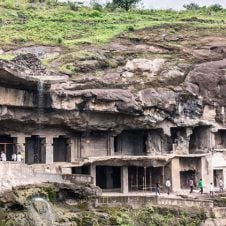
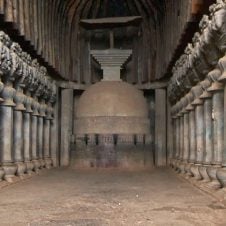
Elephanta Caves is the heritage excursion from Mumbai and should be planned as a half-day outing rather than a quick city attraction. The caves are located on Elephanta Island and are reached by ferry from the Gateway of India. The rock-cut cave temples are dedicated to Lord Shiva.
Planner’s Advice
Best for: Heritage travellers, culture-focused visitors, photographers, and travellers with at least half a day.
Time needed: 4 to 5 hours including ferry travel.
Best timing: Start in the morning to avoid rushed return planning.
Pairs well with: Gateway of India and Colaba.
Nature and Sightseeing
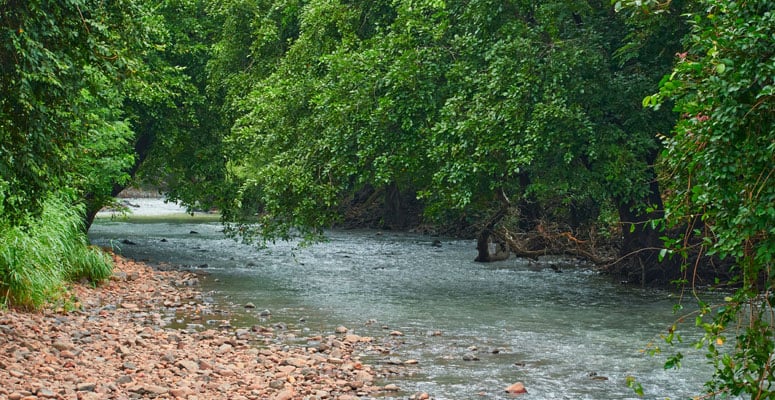
These stops are useful for travellers who want a break from dense urban sightseeing or want to understand Mumbai beyond monuments, museums, and promenades.
Sanjay Gandhi National Park
Sanjay Gandhi National Park is a rare large green space within Mumbai’s city limits. It offers a different side of the city, with forested landscapes, cycling trails, safari options, and access to the Kanheri Caves within the park.
Planner’s Advice
Time needed: Half day; longer if including Kanheri Caves.
Hanging Gardens
Hanging Gardens on Malabar Hill work best as a short, calm break rather than a major sightseeing anchor. The terraced gardens, shaped hedges, and views over the Arabian Sea make it a pleasant pause between more demanding city stops.
Planner’s Advice
Best for: Families, senior travellers, relaxed visitors, and travellers wanting a short green pause.
Time needed: 30 to 45 minutes.
Best timing: Morning or late afternoon.
Pairs well with: Kamala Nehru Park, Banganga, Malabar Hill, or Marine Drive.
How to plan your Mumbai Sightseeing
Mumbai sightseeing becomes easier when you plan by area and the time you have available. The biggest mistake is trying to combine South Mumbai, Elephanta Caves, Juhu, Bandra, and Sanjay Gandhi National Park into a single rushed schedule.
If you have one day
Focus on South Mumbai. This gives you the strongest first-time experience while minimising time lost in traffic.
Suggested plan:
- Gateway of India
- The Taj Mahal Palace exterior
- CSMVS or CSMT
- Colaba Causeway
- Marine Drive in the evening
Skip Juhu, Sanjay Gandhi National Park, and Bandra unless you are staying in the suburbs. Do not add Elephanta Caves unless the whole day is planned around the ferry and cave visit.
If you have two days
Use the first day for South Mumbai and keep the second day interest-led rather than trying to cover every corner of the city.
Suggested plan:
- Day 1: Gateway of India, The Taj Mahal Palace exterior, CSMVS, Colaba Causeway, Marine Drive
- Day 2: Choose one focus — Elephanta Caves, Haji Ali and Siddhivinayak, or Juhu/Bandra
Do not try to cover all three options on the second day. Mumbai rewards selection more than speed.
If you have three days
Three days allow a more balanced sightseeing plan without making the route too heavy.
Suggested plan:
- Day 1: South Mumbai heritage, CSMT or CSMVS, Colaba, and Marine Drive
- Day 2: Elephanta Caves, followed by a relaxed Colaba or Fort evening
- Day 3: Choose spiritual sites, Juhu/Bandra, or Sanjay Gandhi National Park based on travel style
This approach works well for families, first-time visitors, and travellers who prefer a comfortable pace. If you are staying in South Mumbai, keep Day 3 focused on Haji Ali, Siddhivinayak, or Bandra.
Travel Tips for Visiting Mumbai Attractions
Check tide and weather conditions before visiting Haji Ali Dargah. The causeway may be affected during high tide or rough sea conditions.
Plan your Mumbai Trip the right way!
Mumbai is easier to enjoy when you choose the right itinerary instead of trying to see every attraction in one run. For a short visit, South Mumbai should be the base of your sightseeing plan. With more time, add Elephanta Caves, a spiritual route, or a coastal-suburban evening, depending on your interests.
For a broader overview of the city, use the Mumbai Travel Guide. Travellers who want hotels, transfers, and guided sightseeing can explore the Maharashtra travel guide.