
Ladakh’s monasteries are not just sightseeing stops but active cultural and spiritual spaces that shape the travel experience across Leh, Nubra, and Zanskar. Each gompa reflects a different branch of Tibetan Buddhism, along with its own architecture, rituals, and daily monastic life, making every visit distinct in tone and setting.
Rather than viewing them individually, it helps to understand these monasteries as part of a wider travel route where timing, festivals, altitude, and accessibility all influence what you will actually experience on the ground.
Some are dramatic hilltop complexes, while others preserve rare mural traditions on river plains, offering a balanced view of Ladakh’s heritage. This guide brings together the key monasteries of the region, helping you understand their differences, ideal visit conditions, etiquette, and how they fit into a well-planned Ladakh itinerary.
Quick Planning Snapshot
Ideal experience: 4–8 days to explore Ladakh’s monastery circuit in a meaningful way.
Core route style: Combine Leh, Nubra, and Zanskar valleys rather than visiting isolated sites.
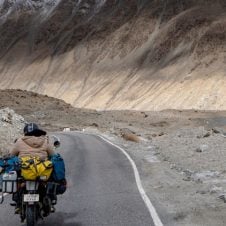
Best travel style: Road-based journeys with monastery stops integrated into wider sightseeing routes (valleys, passes, villages).
Trip type: Suitable for cultural travellers, photography-focused visitors, and those interested in Tibetan Buddhist heritage.
Key rule: Monasteries are spread across long distances and different valleys, prioritise 4–6 key gompas instead of trying to cover all in one trip. For a short Leh-based trip, prioritise Thiksey, Hemis, Shey, Spituk, and Alchi. For a Nubra extension, add Diskit. For a longer Zanskar journey, add Karsha, Phugtal, Rangdum, and Bardan.
Which Ladakh Monasteries Should You Prioritise?
Ladakh’s monasteries are spread across multiple valleys, and the experience changes significantly depending on route, altitude, comfort, festival timing, and how deeply you want to engage with Buddhist culture. Rather than trying to cover every gompa, most travelers get a better experience by prioritizing monasteries that match their route and travel style.
| Traveler Type | Best Monasteries |
|---|---|
| First-time Leh visitor | Thiksey, Hemis, Shey, Spituk |
| Buddhist art & murals | Alchi, Lamayuru |
| Festival-focused travelers | Hemis, Karsha, Phyang |
| Nubra Valley circuit | Diskit |
| Quiet monastery experience | Stakna, Sankar, Phyang |
| Sham Valley cultural route | Alchi, Likir, Rizong, Basgo |
| Remote Zanskar exploration | Phugtal, Karsha, Zongkhul, Bardan |
| Senior travelers / lower-effort visits | Shey, Spituk, Alchi |
Monastery Circuits in Ladakh
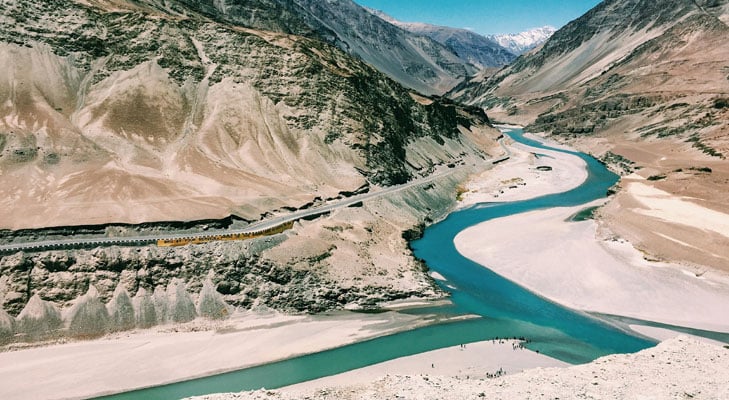
Sham Valley Circuit
This route works best for travelers interested in murals, older Buddhist art traditions, and slower cultural exploration beyond Leh. The monasteries here are more spread out and are usually visited over a full-day or overnight road journey toward Kargil.
Best monasteries on this route:
Alchi Monastery
Likir Monastery
Rizong Monastery
Basgo Monastery
Lamayuru Monastery
Phyang Monastery
Compared to the larger festival monasteries around Leh, the Sham Valley gompas feel quieter, older, and more architecture-focused. Alchi and Likir are especially rewarding for travelers interested in Buddhist paintings and historic monastic heritage.
Indus Valley Extension Circuit
Travelers spending multiple days around Leh can extend beyond the standard Thiksey–Hemis–Shey circuit by including quieter monasteries in the eastern Indus Valley.
Best additions:
Chemrey Monastery
Matho Monastery
Takthok Monastery
Stakna Monastery
These monasteries suit travelers who prefer slower cultural visits instead of high-volume sightseeing stops. Chemrey and Matho are especially rewarding during local festivals when masked dances and monastery rituals become part of the experience.
Chemrey Monastery
Chemrey Monastery sits in the eastern Indus Valley and is known for its peaceful setting, traditional murals, and large Padmasambhava statue. It attracts travelers looking for quieter monastery visits beyond the standard Leh circuit.
Best for: Slower cultural exploration beyond Thiksey and Hemis
Ideal time: May to October
Travel note: Usually paired with Matho and Takthok Monasteries
Experience style: Scenic monastery with lower visitor density
Festival visits during the Chemrey Angchok celebrations offer a more immersive experience but require extra time and crowd patience.
Matho Monastery
Matho Monastery is best known for its annual oracle festival and suits travelers interested in living Buddhist traditions rather than only architecture or photography.
Best for: Festival-focused cultural travelers
Ideal time: Festival season or summer months
Travel note: Easy to combine with Hemis, Shey, and Chemrey
Experience style: Ritual-heavy monastery experience with strong local participation
Compared to larger tourist-heavy gompas, Matho feels more community-centered and culturally immersive during ceremonies.
Hemis Monastery (Leh Region)
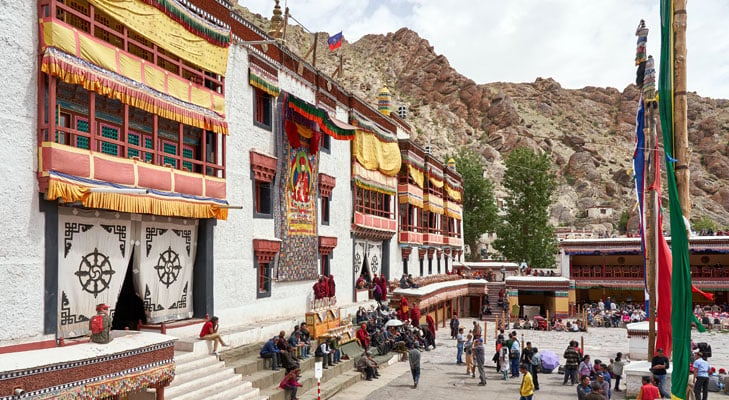
One of the largest and most influential monasteries in Ladakh, Hemis is known for its scale, wealth of artefacts, and the famous Hemis Festival. The monastery follows the Kagyu tradition and functions as a major spiritual and cultural institution.
What it’s known for: Giant courtyard, museum collections, and festival masked dances
Best suited for: Festival visitors, culture-focused travellers
Ideal time: June–July during Hemis Festival or May–October for general visits
Visit note: Can get crowded during festival days, so early arrival helps
Thiksey Monastery (Near Leh)
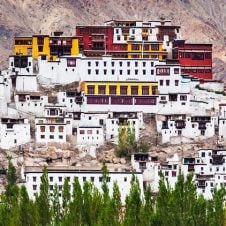
Often called the “Mini Potala of Ladakh,” Thiksey is a multi-level monastery complex overlooking the Indus Valley. It is visually structured in ascending tiers and is one of the most photographed monasteries in the region.
What it’s known for: Massive Maitreya Buddha statue, hilltop views, structured architecture
Best suited for: First-time visitors and short-stay travellers near Leh
Ideal time: May–November
Visit note: Morning prayer sessions offer the most authentic experience
Diskit Monastery (Nubra Valley)
Diskit is the main monastery of Nubra Valley and is famous for its massive Maitreya Buddha statue overlooking the Shyok River valley. It is both a spiritual and scenic highlight of the Nubra circuit.
What it’s known for: 106-foot Buddha statue and panoramic valley views
Best suited for: Nubra Valley road trips and landscape photography
Ideal time: May–September, and January–February for Dosmoche Festival
Visit note: Combine with Hunder and Diskit village in one route
Lamayuru Monastery (Kargil–Leh Route)
Lamayuru stands on surreal terrain often called “Moonland” and is one of the oldest monasteries in Ladakh. It has strong historical associations and a distinct Red Hat sect heritage.
What it’s known for: Moonland landscape, ancient murals, festival dances
Best suited for: Road trip travellers between Srinagar and Leh
Ideal time: May–October, especially when the Leh–Kargil route is fully operational. Festival periods add cultural value but require advance planning.
Visit note: Usually part of a longer route, not a standalone stop
Alchi Monastery (Indus Valley)
Alchi is unique because it sits on flat river plains rather than a hilltop. It is one of the oldest surviving monastic sites in Ladakh, known for its exceptionally preserved murals.
What it’s known for: Ancient murals, Indo-Tibetan artistic influence
Best suited for: Art, heritage, and culture-focused travellers
Ideal time: May–September
Visit note: Photography restrictions apply inside the inner halls
Takthok Monastery (Sakti Village)
Takthok is built around a natural cave and is linked with early meditation traditions. It is one of the few Nyingma sect monasteries in Ladakh.
What it’s known for: Cave structure and tantric Buddhist heritage
Best suited for: Offbeat cultural exploration
Ideal time: June–September
Visit note: Quiet setting; ideal for slow travel
Stakna Monastery (Indus Valley)
Stakna sits on a hill shaped like a tiger’s nose and overlooks the Indus River. It is smaller compared to major monasteries but offers a strong scenic and spiritual appeal.
What it’s known for: River views and peaceful monastic setting
Best suited for: Short stop between Leh and central Ladakh sites
Ideal time: May–October
Visit note: Less crowded, good for quiet visits
Shey Monastery (Near Leh)
Once a royal residence, Shey Monastery is closely tied to Ladakh’s early kings and houses a large gilded Buddha statue. It reflects both political and spiritual history.
What it’s known for: Royal heritage and a large Buddha statue
Best suited for: Cultural history routes near Leh
Ideal time: May–October for general visits; festival dates only if specifically planning a cultural calendar route.
Visit note: Often paired with Thiksey and Hemis
Spituk Monastery (Near Leh)
Spituk Monastery houses ancient shrines and a rich collection of religious artifacts. It is known for its Tara shrine and strong Gelugpa influence.
What it’s known for: Religious artefacts, Tara temple, hilltop views
Best suited for: Short visits near the Leh airport route
Ideal time: May–October
Visit note: Good first or last stop in the Leh itinerary
Zanskar Circuit
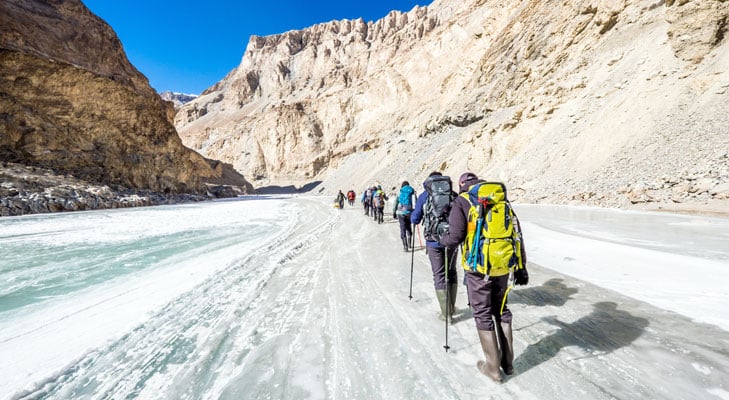
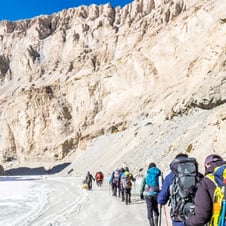
Zanskar monasteries are not ideal for rushed Ladakh itineraries. Distances are long, roads remain demanding, and altitude fatigue can become significant. Travelers should treat Zanskar as a dedicated cultural expedition rather than an add-on from Leh.
Phugtal Monastery (Zanskar Region)
One of the most remote monasteries in Ladakh, Phugtal is built into a cliffside cave and is accessible only by trekking. It represents extreme isolation and monastic simplicity.
What it’s known for: Cliff cave monastery and trekking access
Best suited for: Adventure and trekking-focused travellers
Ideal time: June–September
Visit note: Requires multi-day trek planning
Karsha Monastery (Zanskar Valley)
Karsha is the largest monastery in Zanskar and acts as a major religious centre. It is visually pleasing, overlooking the valley with multiple chapels and murals.
What it’s known for: Large, complex, and Gustor Festival
Best suited for: Cultural exploration in Zanskar
Ideal time: July–September
Visit note: Festival time offers the richest experience
Rangdum Monastery (Between Kargil & Padum)
Rangdum Monastery sits dramatically on a hill overlooking a wide valley, almost resembling a fortress. It is both a scenic and monastic landmark in remote Ladakh.
What it’s known for: Fort-like structure and isolated setting
Best suited for: Road trip stops on the Kargil–Zanskar route
Ideal time: June–September
Visit note: Remote; plan fuel and timing carefully
Bardan Monastery (Zanskar Region)
Bardan is a smaller but culturally significant monastery belonging to the Dugpa-Kargyud order. It plays a role in regional festival rituals and monastic life.
What it’s known for: Assembly hall and festival participation
Best suited for: Zanskar cultural circuit travellers
Ideal time: July–September
Visit note: Often visited along with Karsha
Zongkhul Monastery
Zongkhul Monastery (also written as Dzongkhul) is one of the most atmospheric cave monasteries in Zanskar. Built partly into a rock face, it is traditionally associated with the Buddhist yogi Naropa and is valued more for its meditation heritage and dramatic setting than for large-scale architecture.
Best for: Travelers exploring deeper Zanskar routes and remote Buddhist heritage
Ideal time: June to September
Travel note: Best visited as part of a Padum-based Zanskar journey rather than a Leh day trip
Experience style: Quiet, remote, meditation-linked monastery environment
Zangla Monastery
Zangla Monastery is a smaller monastery experience within the broader Zanskar cultural landscape. It works best for travelers already exploring Padum, village stays, or remote trekking routes rather than those following a short Ladakh itinerary.
Best for: Village-based cultural exploration
Ideal time: June to September
Travel note: Usually combined with longer Zanskar road journeys
Experience style: Quiet regional monastery with strong local village character
Zangla is less monumental than Karsha or Phugtal, but it adds depth to travelers interested in how Buddhist life functions within remote Himalayan settlements.
Unlike the Leh-side gompas, Zanskar monasteries reward slow travel, overnight village stays, and travelers comfortable with remote Himalayan road conditions.
Rizong Monastery (Near Leh)
Rizong is known for its strict monastic discipline and learning environment. It also has a nearby nunnery that adds depth to its spiritual ecosystem.
What it’s known for: Monastic discipline and learning tradition
Best suited for: Cultural and educational interest travellers
Ideal time: May–October
Visit note: Quiet, structured environment
Tonde Monastery (Zanskar Region)
Tonde Monastery is associated with the Gelugpa tradition and sits in a remote setting accessible via trekking routes from Padum. It reflects traditional monastic learning practices.
What it’s known for: Gelugpa monastic learning centre
Best suited for: Trekking and cultural immersion travellers
Ideal time: June–September
Visit note: Requires hiking access
Phyang Monastery
Phyang Monastery is one of the quieter monastery experiences near Leh and suits travelers who want a calmer alternative to the more crowded Indus Valley gompas. The monastery belongs to the Drikung Kagyu tradition and is known for its peaceful hilltop setting and annual masked dance festival.
Best for: Half-day cultural visits from Leh
Ideal time: May to October
Travel note: Usually combined with Basgo, Alchi, or Sham Valley routes
Experience style: Less crowded monastery with strong living-monastic atmosphere
Phyang works particularly well for travelers who value quieter courtyards, photography-friendly landscapes, and slower visits over checklist sightseeing.
Likir Monastery
Likir Monastery is one of the key monasteries on the Sham Valley route and is especially rewarding for travelers interested in Buddhist art, open valley settings, and slower road-based exploration west of Leh.
Best for: Sham Valley cultural circuits
Ideal time: May to October
Travel note: Commonly paired with Alchi, Basgo, and Lamayuru
Experience style: Historic monastery with strong mural and sculpture appeal
Compared to Thiksey or Hemis, Likir feels less ceremonial and more heritage-oriented, making it a strong choice for travelers interested in architecture and monastic history.
Sankar Monastery
Sankar Monastery is one of the easiest monasteries to access from Leh and works well for travelers adjusting to altitude or looking for a short cultural visit without a long road journey.
Best for: Short, low-effort monastery visits
Ideal time: May to October
Travel note: Can be visited on foot from parts of Leh
Experience style: Compact monastery with quieter surroundings
Sankar suits travelers who prefer a slower monastery introduction before attempting longer day circuits around Ladakh.
Basgo Monastery
Basgo Monastery is best experienced alongside the historic Basgo fortress ruins and works as part of the Sham Valley monastery route toward Alchi and Lamayuru.
Best for: Heritage-focused travelers and photography enthusiasts
Ideal time: May to October
Travel note: Best combined with Likir and Alchi
Experience style: Historic fort-monastery landscape with strong visual appeal
Basgo adds architectural and historical variety to Ladakh monastery circuits by combining monastic spaces with old royal fortifications.
Practical Comfort & Accessibility Guidance
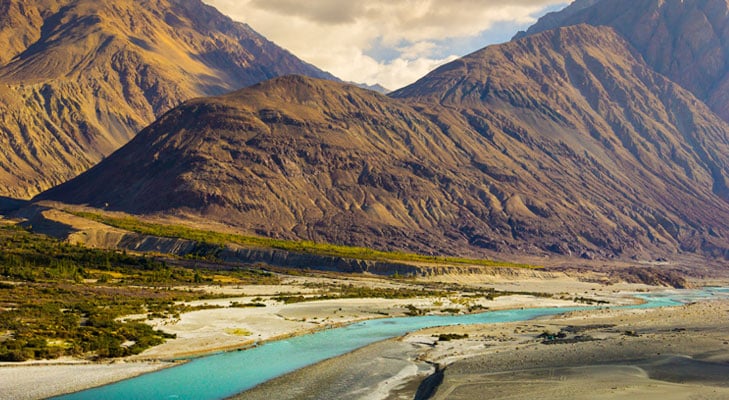
Ladakh monasteries often involve stairs, uneven surfaces, high-altitude walking, and long road journeys between valleys. Travelers should pace monastery visits realistically instead of attempting too many gompas in one day.
Shey, Spituk, Sankar, and Alchi are easier for senior travelers.
Phugtal and Zanskar monasteries require significantly more physical effort.
Festival days increase crowds, waiting time, and parking pressure.
Early morning visits are usually quieter and more rewarding for photography and the monastery atmosphere.
Acclimatization in Leh is recommended before long monastery circuits.
Carry water, sun protection, and cash for donations or local entry requirements.
When a Guide Adds Real Value
Local guides add the most value at monasteries such as Alchi, Lamayuru, Hemis, and Zanskar gompas, where murals, sect traditions, meditation caves, and monastery history are difficult to understand independently.
Self-guided visits are usually enough for shorter scenic stops such as Sankar, Spituk, or Stakna.
Other Monasteries Worth Including
Wanla Monastery: A useful stop for travelers exploring the Lamayuru and lower Sham Valley routes.
Sumda Chun Monastery: Appeals mainly to heritage-focused travelers interested in remote Buddhist art.
Hanle Monastery: Best combined with Hanle village and dark-sky astronomy travel in eastern Ladakh.
Etiquette and Practical Visit Guidance
Dress modestly with covered shoulders and knees
Wear simple, respectful clothing that covers shoulders and knees, especially inside prayer halls. Lightweight layers work best due to changing weather and exposure at high altitude.
Remove shoes before entering prayer halls
Shoes must be taken off before entering the main halls. Wear easy-to-remove footwear, as you may need to do this multiple times during the visit.
Maintain silence during prayer or ritual timings
During prayer ceremonies, remain seated quietly and avoid walking across prayer lines.
Ask before photographing monks or interiors
Always seek permission before clicking monks or sacred interiors, as some areas and individuals may not allow photography.
Avoid flash photography inside murals or shrines
Flash can damage old paintings and artefacts, so use natural light or keep flash off where photography is permitted. Drones should not be used around monasteries without explicit local permission.
Respect restricted areas and monastic boundaries
Do not enter marked or unmarked restricted zones. These spaces are reserved for monks and religious activities.
Prayer Wheel Etiquette
Walk clockwise around stupas, mani walls, and prayer wheels unless local signage says otherwise. Do not touch ritual objects or offerings without permission.
How to Plan a Monastery Circuit in Ladakh
Instead of visiting monasteries randomly, it works better to plan them as part of route-based circuits across valleys. This reduces travel time and gives a more meaningful cultural flow.
Leh circuit (easy access, short drives) — Covers Hemis, Thiksey, Shey, and Spituk. Best for first-time visitors based in Leh with limited time.
Indus Valley circuit (heritage-focused route) — Includes Alchi, Stakna, and Rizong. Ideal for travellers interested in art, murals, and quieter monasteries.
Nubra Valley circuit (landscape + monastery mix) — Focuses on Diskit Monastery along with Hunder and surrounding villages for desert and mountain contrast.
Zanskar circuit (remote cultural route) — Includes Karsha, Bardan, Phugtal, Tonde, and Rangdum. Best suited for longer trips with rugged travel conditions.
This structure helps you avoid long backtracking and ensures each valley is experienced in its natural travel order.