
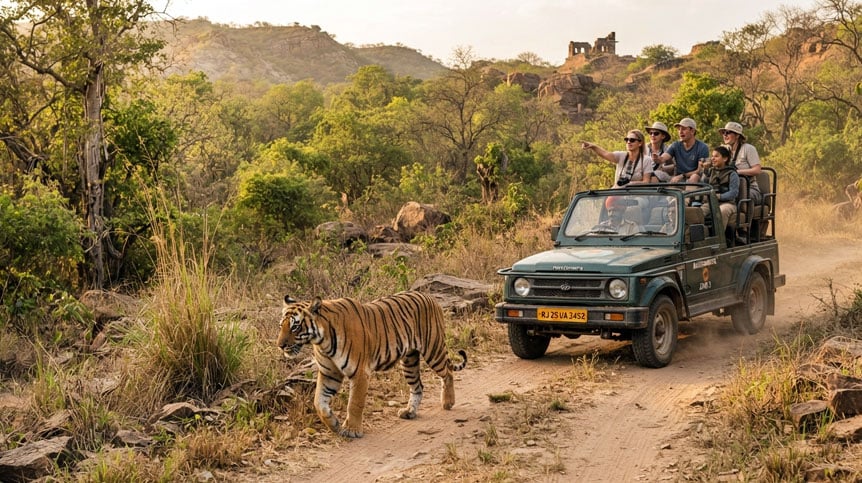

Visit Sawai Madhopur, the gateway to Ranthambore National Park. Plan your wildlife safari, Ranthambore Fort, local culture, and more.
Sawai Madhopur Travel Tips and Places to Visit
Quick Info
Sawai Madhopur, in southeastern Rajasthan, is the gateway to Ranthambore National Park, one of the best places in India to witness the wild tigers in their natural habitat. Founded by Maharaja Sawai Madho Singh I in the 18th century, this town combines royal history with wildlife, giving visitors a unique mix of culture and adventure.
Whether you are looking for a jungle safari, forest retreat, or historic forts, this sawai madhopur travel guide highlights something for everyone. It’s a favorite with nature lovers, photographers, and families who want to experience Rajasthan beyond the usual forts and palaces.
Why Visit Sawai Madhopur?
Sawai Madhopur is a must-visit for those who would like to experience both wildlife and culture. It’s the main entry point to Ranthambore National Park, where you can see Tigers, leopards, sloth bears, and more in their natural habitat. Daily jeep and canter safaris offer exciting opportunities to see India’s wild beauty up close.
Outside the jungle, Sawai Madhopur houses the magnificent Ranthambore Fort, a UNESCO World Heritage Site with stunning views, ancient temples, and legends.
The town has local traditions, a colorful market, and eco-resorts and heritage stays that offer luxury in the midst of nature. Whether you are a wildlife photographer, a family with kids, or a couple looking for an offbeat escape, Sawai Madhopur gives you adventure, serenity, and Rajasthani magic in one place.
Top Places to Visit in Sawai Madhopur
Sawai Madhopur is a mix of wildlife, history, and culture. From the safaris of Ranthambore National Park to ancient forts and local crafts, these are the best of what this unique destination has to offer.
Ranthambore National Park
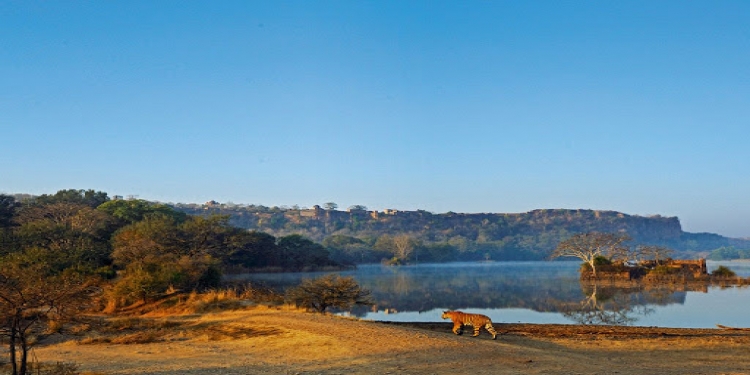
It’s one of India’s top wildlife destinations, Ranthambore National Park, known for its high density of Royal Bengal Tigers. The park also has leopards, marsh crocodiles, sloth bears, and over 300 bird species. Morning and evening safaris through the dry deciduous forest are the best times to see wildlife.
Ranthambore Fort
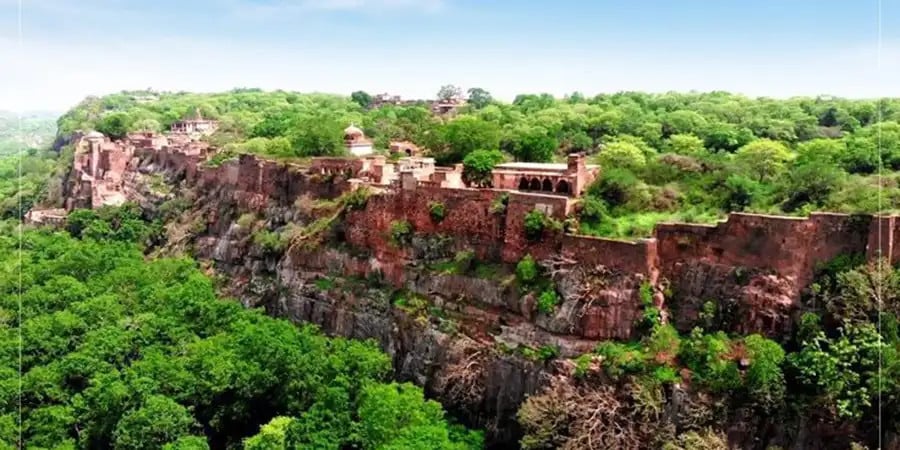
Located inside the national park, this Ranthambore fort sits on a rocky cliff and offers sweeping views of the forest. It has ancient temples, step-wells, and massive gates, making it a perfect blend of history and scenery. The fort is a UNESCO World Heritage Site under the Hill Forts of Rajasthan listing.
Trinetra Ganesh Temple
Trinetra Ganesh Temple is located inside Ranthambore Fort. This temple is dedicated to Lord Ganesha and is one of the oldest in Rajasthan. It’s unique because it has three eyes (trinetra) and is the only temple of its kind in India. Devotees from across the region send letters to the temple to invite Ganesh to their family events.
Padam Talao
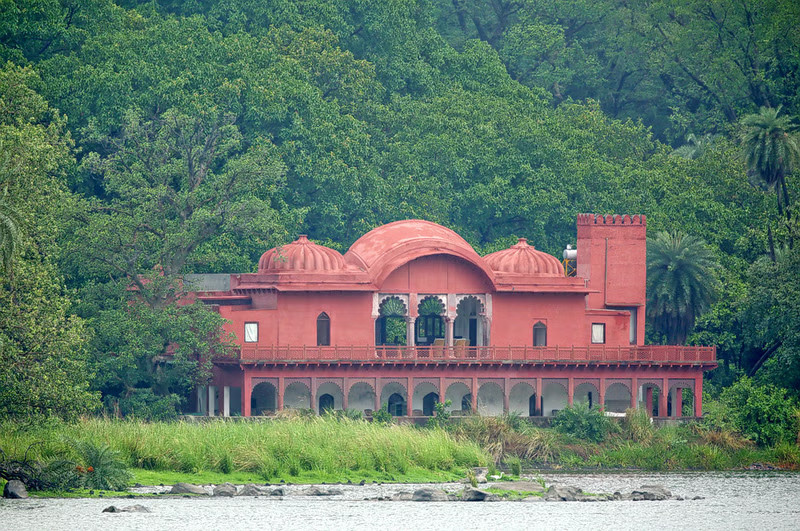
The largest lake in Ranthambore National Park, Padam Talao, is famous for its peaceful views and wildlife. Crocodiles can also be seen basking in the sun on their banks, sambars, and birds in their waters. The historic Jogi Mahal overlooks the lake, making it more scenic.
Jogi Mahal
Once a royal hunting lodge, Jogi Mahal is situated on the periphery of Padam Talao. Entry is closed now; however, it’s open during safaris. It’s a great photography spot and one of the most beautiful parts of the park.
Rajiv Gandhi Regional Museum
This museum showcases Rajasthan’s ecological diversity and conservation efforts. It has interactive exhibits on wildlife, tribal cultures, and forest ecosystems. A great educational stop for families and students.
Shilpgram
Just outside the main town, Shilpgram is a rural arts and crafts complex where local artisans display and sell handmade textiles, pottery, and traditional artwork. A great place to pick up souvenirs and support local craftspeople.
Local Experiences and Activities
A visit to Sawai Madhopur is more than just a tiger safari.
Start with an early morning or evening wildlife safari in Ranthambore National Park with expert naturalists who will share their knowledge of the area’s flora and fauna. For photographers, guided tours are perfect for tiger, bird, and landscape shots.
Get a taste of the local culture with a village walk where you see traditional Rajasthani life and interact with artisans who practice block printing, pottery, and handmade crafts. Some resorts also offer village visits with cooking demonstrations and local music performances.
Birdwatchers will love time near Padam Talao or Malik Talao, especially during winter months when migratory birds arrive. And for a more laid-back experience, spend an afternoon at your jungle lodge, have a spa treatment, or dine under the stars.
Best Time to Visit Sawai Madhopur
The Best time to visit Sawai Madhopur is from October to June, when Ranthambore National Park is open for visitors.
October to February is a comfortable time to visit as the weather is pleasant for sightseeing, safaris, and outdoor activities. This is also the best time to see the place, just the way it is.
March to Early June (Peak Tiger Season):
Forests dry up, and water becomes scarce.
Tigers and other animals gather near waterholes and lakes.
The best chance for wildlife sightings during safaris.
Monsoon (July to September):
Ranthambore National Park remains closed to visitors.
The fort, museum, and local town stay open.
Lush green landscapes and calm surroundings make it a great time for quiet cultural exploration.
How to Reach Sawai Madhopur
Getting to Sawai Madhopur is a breeze, whether you’re flying in, taking the train, or hitting the road.
By Air:
Nearest airport: Jaipur International Airport (≈180 km away)
Connected to Delhi, Mumbai, Bangalore, and some international cities
Taxis and private transfers available; 3.5 to 4 hours drive
By Train:
Sawai Madhopur Junction is on the Delhi–Mumbai rail route
Direct trains from Jaipur, Agra, Kota, Udaipur, and more
A nice and scenic way to get to the town
By Road:
Via NH-552 and NH-11A
Regular buses, taxis, and self-drive options from Jaipur, Kota, and Delhi
Jaipur to Sawai Madhopur takes about 3.5 to 4 hours
Festivals and Events in Sawai Madhopur
From festivals to wild celebrations, Sawai Madhopur knows how to bring Rajasthan to life.
Ranthambore Festival (January):
Wildlife conservation with folk music, art, nature talks, and documentary screenings
For eco and culture lovers
Ganesh Chaturthi at Trinetra Ganesh Temple:
Inside Ranthambore Fort
Thousands of devotees visit with offerings and handwritten letters for blessings
Diwali & Holi Celebrations:
Local communities celebrate with lights, colors, and fun
Resorts host folk performances, themed dinners, and fireworks for guests.
Sawai Madhopur Travel Tips
Advance booking of your permits is essential, particularly during peak (Oct to May), through official sources or reliable tour operators.
Dress in earthy and neutral tones for safaris like beige, brown, olive green, and khaki to help you blend in with the natural environment.
Take binoculars and a zoom lens if you are a wildlife or bird photographer.
Bring layers because morning safaris can be chilly even during summer.
Mobile signals could be poor within the park—report to others and take vital IDs and money.
Reside in eco-lodges or heritage hotels around the park for a real experience.
Adhere to park regulations, be quiet, and never feed or get close to animals during safaris.
Ready to explore the untamed Rajasthan?
Call our holiday experts at IndianHolidays.com to organize your ideal Sawai Madhopur tour from tiger safaris to heritage accommodations and local experiences.
Chat with us on WhatsApp or complete the inquiry form now and begin your journey! – Click Here!


