







Uttarakhand’s culture is best understood when a trip moves beyond viewpoints, temple stops, and sightseeing. The culture here comes through mountain villages, temple rituals, seasonal fairs, local food, old markets, folk songs, woollens, and the everyday rhythm of Garhwal and Kumaon.
This is useful for travellers who want their Uttarakhand trip to feel more rooted in the place. It suits families, pilgrims, slow travellers, photographers, culturally curious couples, and anyone planning a route that includes time for local food, markets, rituals, village life, and regional traditions.
What Makes Uttarakhand’s Culture Distinct
Uttarakhand’s culture is shaped by two broad regions: Garhwal and Kumaon. Both are mountain regions, but they have different social rhythms, food habits, dialects, folk traditions, and temple practices.
Garhwal is closely associated with river confluences, pilgrimage routes, high-altitude shrines, local deities, and the Char Dham circuit. Travellers notice this most around Haridwar, Rishikesh, Devprayag, Rudraprayag, Joshimath, Badrinath, and Kedarnath. The cultural experience often feels spiritual, route-based, and connected to the seasonal yatra movement.
Festivals and Fairs
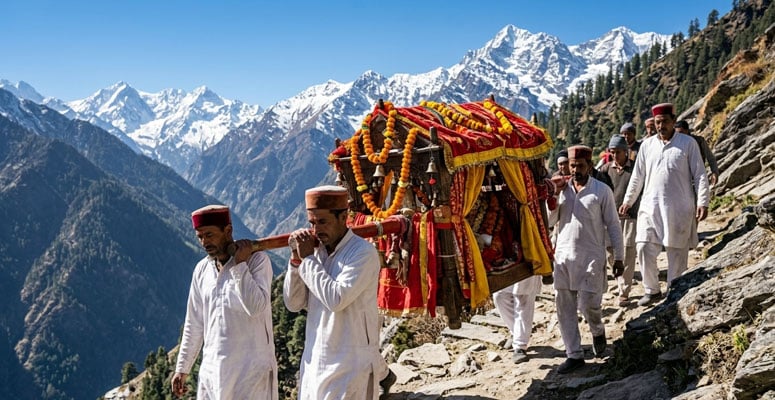
Festivals in Uttarakhand are deeply connected with faith, agriculture, seasons, rivers, and local deities. Some are easy to include in a travel plan, while others require careful advance planning due to crowds, road conditions, or limited accommodation options.
1. Nanda Devi Raj Jat and Nanda Devi Festival
This is one of the most important cultural and religious traditions of Uttarakhand. The Nanda Devi Raj Jat, held periodically, is a major pilgrimage connected with Goddess Nanda Devi and involves long mountain routes, village participation, and deep local faith.
Best Time: August to September
Where to Experience: Almora, Nainital
2. Harela
Harela is mainly associated with Kumaon and marks greenery, farming, and the arrival of the monsoon. It is not usually a large public spectacle. Its real value lies in village customs, family rituals, and the way local communities welcome the season.
Best Time: July, around the beginning of the monsoon season
Where to Experience: Almora, Binsar, Kausani, and nearby rural areas
3. Phool Dei
Phool Dei is a spring festival where children traditionally place flowers at doorsteps and offer good wishes. It reflects the arrival of spring and the role of children in community customs. If you are present during the festival, observe respectfully and ask before photographing children, homes, or rituals.
Best Time: March, around the beginning of spring
Where to Experience: Villages in Garhwal and Kumaon
4. Makar Sankranti and Uttarayani Fair
Makar Sankranti is observed across Uttarakhand, while the Uttarayani Fair in Bageshwar is one of Kumaon’s most important cultural gatherings. It brings together river worship, trade, local food, markets, and community movement.
Best Time: January, around Makar Sankranti
Where to Experience: Bageshwar, Kumaon region, and local temple towns
5. Ganga Dussehra
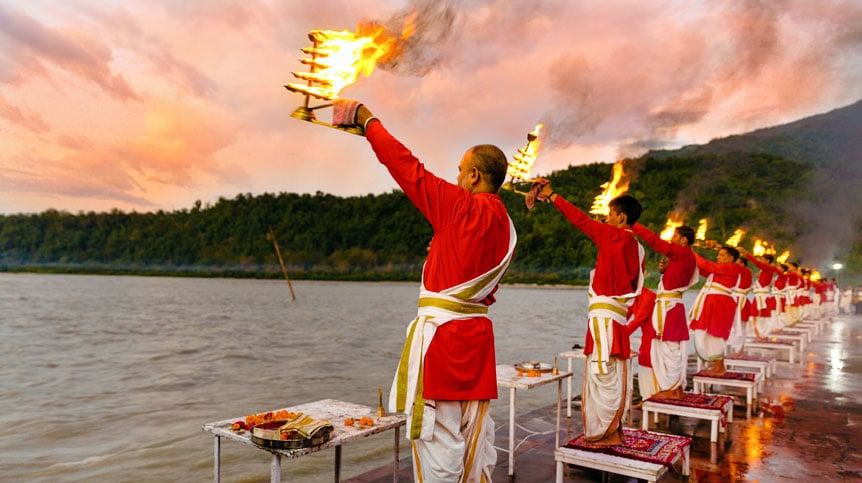
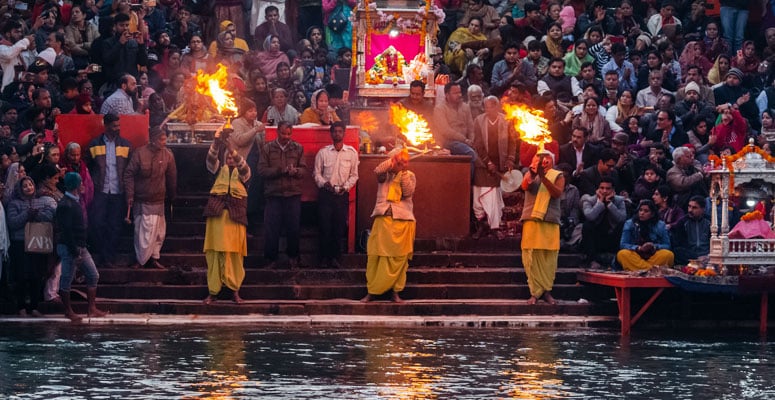
Ganga Dussehra is best experienced in Haridwar or Rishikesh, where river rituals and aarti gatherings become more significant. Haridwar, especially around Har Ki Pauri, can become very crowded during major religious dates. If you prefer a calmer experience, attend the regular evening Ganga Aarti on a non-festival day.
Best Time: May to June
Where to Experience: Haridwar, Rishikesh, and the Ganga ghats
Kumbh and Ardh Kumbh in Haridwar
When Kumbh or Ardh Kumbh is held in Haridwar, it becomes a major pilgrimage gathering rather than a normal festival visit. Accommodation demand rises, movement is restricted on key bathing dates, and crowds can be very large.
Best Time: As per the official Kumbh or Ardh Kumbh calendar
Where to Experience: Haridwar
Local Food
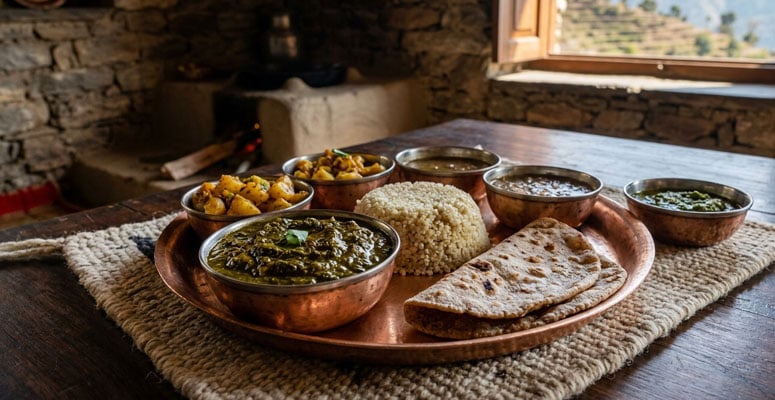
Uttarakhand’s cuisine is shaped by the mountain environment. It uses local grains, pulses, greens, millets, and warming preparations that suit hill life. The food is usually simple and earthy rather than restaurant-heavy.
Travellers should not expect every regional dish to be available in every café or hotel. In tourist towns, menus often lean toward standard North Indian, Chinese, or café food. Traditional Garhwali and Kumaoni dishes are more likely to be found in homestays, smaller local eateries, or kitchens that prepare meals on request.
Garhwali Food
Garhwali food often includes dishes such as Kafuli, Phaanu, Chainsoo, Mandua Roti, Jhangora ki Kheer, and Aloo ke Gutke. These are filling, regional dishes that work well in colder mountain areas.
Kumaoni Food
Kumaoni food has a strong regional identity. Bhatt ki Churkani, Dubuk, Aloo ke Gutke, Mandua Roti, Bal Mithai, and Singori are among the better-known names.
Almora is one of the best places to experience Kumaoni sweets and local food culture. Kausani, Ranikhet, Binsar, and nearby villages also work well if the stay is chosen carefully.
A useful planning tip: if you want a proper local meal, request it in advance. Many homestays prepare regional dishes only when they know guests are interested.
Sweets, Tea, and Local Produce
Bal Mithai and Singori are closely associated with Kumaon, especially Almora. They are best bought from established sweet shops rather than random roadside stalls.
Travellers may also find local teas, honey, herbs, rhododendron products, seasonal fruits, and millet-based items in hill markets. These make better purchases when bought from reliable local shops, cooperatives, or homestays.
Temple Culture and Spiritual Customs
- Temple culture is central to Uttarakhand, but each place has a different rhythm. Haridwar and Rishikesh are river-based spiritual towns. Badrinath and Kedarnath are high-altitude pilgrimage shrines. Jageshwar, Baijnath, and Katarmal offer quieter temple heritage, especially for travellers exploring Kumaon.
- In Haridwar, the Ganga Aarti at Har Ki Pauri is powerful but often crowded. Arrive early, sit where instructed, and avoid pushing forward only for photographs. Rishikesh can feel calmer depending on the ghat and season.
- Badrinath and Kedarnath require more logistical planning. Temple access depends on season, weather, route conditions, registration requirements, and crowd flow. These should not be planned like normal sightseeing stops.
- Jageshwar, Baijnath, and Katarmal suit travellers who enjoy temple architecture, quieter surroundings, and a slower pace. These places work well for routes to Almora, Kausani, Binsar, or Ranikhet.
Travel Tips for Experiencing Uttarakhand Culture
A few planning details can make the cultural experience smoother:
- Check festival dates before finalising the route.
- Allow extra buffer time on mountain roads, especially during the monsoon or pilgrimage season.
- Carry cash for small markets, local fairs, temple offerings, and village purchases.
- Ask before photographing people, rituals, children, priests, homes, or weddings.
- Pre-order regional meals at homestays if you want Garhwali or Kumaoni food.
- Avoid peak pilgrimage dates if you are crowd-sensitive.
- Use a local guide for temple towns, heritage sites, or village-led experiences.
- Do not expect every tradition to be staged for visitors.
How to Add Culture to a Uttarakhand Trip
Culture should be added where it naturally fits the route. It should not overload the itinerary or turn the trip into a checklist.
- For a spiritual introduction, combine Haridwar and Rishikesh. This gives travellers Ganga Aarti, temple markets, ashram culture, river rituals, and access to Garhwal routes.
- For the Kumaoni culture, plan around Nainital, Almora, Binsar, Kausani, Ranikhet, and Jageshwar. This works well for local food, sweets, Aipan art, woollens, old bazaars, village stays, and quieter temples.
- For pilgrimage routes, including Badrinath and Kedarnath, need more careful planning. Add cultural context by including Haridwar, Rishikesh, Devprayag, Rudraprayag, and Joshimath.
- For families, a route through Dehradun, Mussoorie, Rishikesh, and Haridwar can include aarti, markets, temple visits, and local food stops.
- For travellers who want culture without heavy crowds, Kumaon is often easier to navigate at a slower pace. Almora, Binsar, Kausani, Ranikhet, and nearby villages allow the trip to feel more local.
To plan the broader journey, use the following for planning: