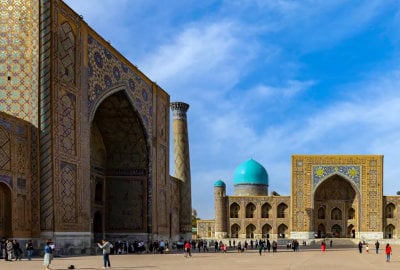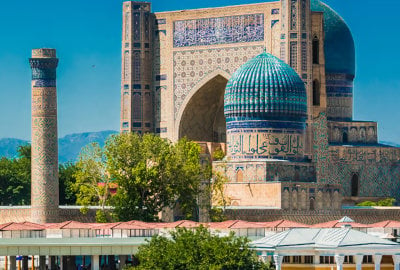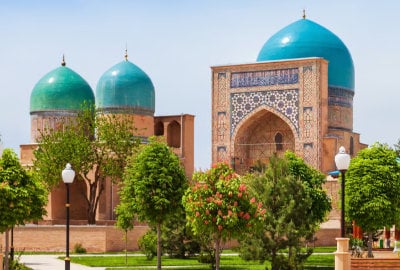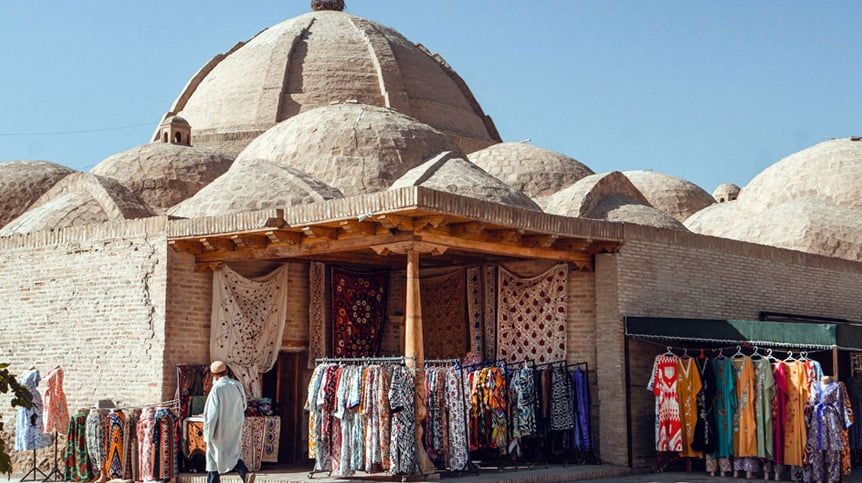
Uzbekistan is one of Central Asia’s most rewarding destinations, known for its magnificent Silk Road cities, centuries-old architecture, vibrant bazaars, and rich cultural heritage. From the grand monuments of Samarkand and Bukhara to the modern avenues of Tashkent and the ancient charm of Khiva, the country offers experiences that appeal to history lovers, photographers, families, and cultural travellers alike.
The best time to visit Uzbekistan depends largely on the type of experience you are seeking. Some travellers prioritise comfortable weather for exploring historic cities, while others are interested in photography, cultural festivals, local markets, or quieter travel periods with fewer visitors.
Best Time to Visit Uzbekistan at a Glance
| Travel Goal | Best Time |
|---|---|
| Comfortable sightseeing | April to May, September to October |
| First-time visitors | April to May |
| Families | April to May, September |
| Photography | April to May, October |
| Silk Road exploration | April to May, September to October |
| Cultural experiences | April to May, September |
| Budget travel | March and November |
| Fewer crowds | March and November |
| Winter experiences | December to February |
| Avoiding extreme heat | October to May |
Understanding Uzbekistan’s Travel Seasons
Peak Season (April–May and September–October)
This is generally considered the most popular period for visiting Uzbekistan. The weather during these months is comfortable for sightseeing, cultural exploration, and intercity travel, making it the preferred season for both international visitors and organised tours.
What to Expect
- Excellent sightseeing weather
- High tourism demand
- Comfortable travel conditions
- Strong photography opportunities
- Busy major attractions
Best For
- First-time visitors
- Families
- Cultural travellers
- Heritage enthusiasts
- Photographers
Shoulder Season (March and November)
Many experienced travellers consider shoulder season an excellent compromise between weather and visitor numbers. While temperatures may be slightly cooler than during peak season, sightseeing conditions remain generally favourable across much of the country.
What to Expect
- Moderate crowds
- Cooler temperatures
- Good accommodation availability
- Greater itinerary flexibility
Best For
- Budget travellers
- Couples
- Repeat visitors
- Flexible itineraries
Winter Season (December to February)
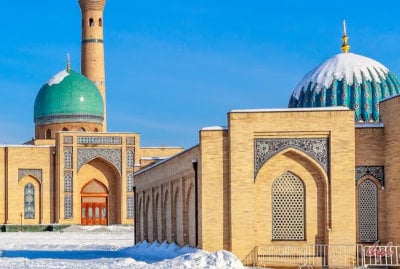
Winter brings colder temperatures, particularly in northern regions and during evenings. While it is not the most popular season for tourism, it offers a quieter and often more budget-friendly way to experience the country’s historic cities.
What to Expect
- Cold mornings and evenings
- Fewer tourists
- Seasonal atmosphere
- Quieter attractions
Best For
- Budget travellers
- Winter enthusiasts
- Repeat visitors
- Cultural exploration
Planning Tips
Booking Lead Time
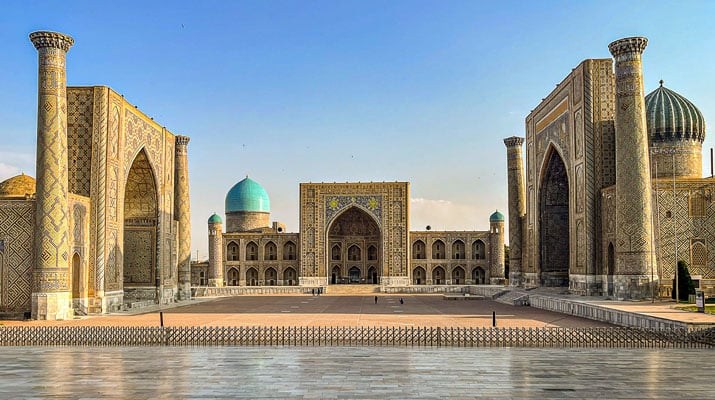
Travellers visiting during April, May, September, and October should ideally book flights and accommodations several weeks or months in advance. These periods often experience the highest demand for tourism.
Popular hotels in destinations such as Samarkand and Bukhara can fill quickly during peak travel periods, particularly those located close to major heritage attractions.
Planning Insight
Crowd Levels
| Season | Crowd Level |
|---|---|
| April–May | High |
| September–October | High |
| March & November | Moderate |
| December–February | Low to Moderate |
| June–August | Low |
Visitor numbers are generally highest during spring and autumn when weather conditions are most favourable. Travellers seeking quieter experiences may find shoulder season or winter more appealing, particularly in major tourism centres.
Pricing Expectations
Accommodation rates and flight prices are generally highest during the peak spring and autumn seasons. Shoulder months often provide better value while still offering favourable travel conditions.
Travellers who prioritise flexibility over perfect weather may find March, November, and certain winter periods more attractive from a budget perspective.
Travel Comfort Tip
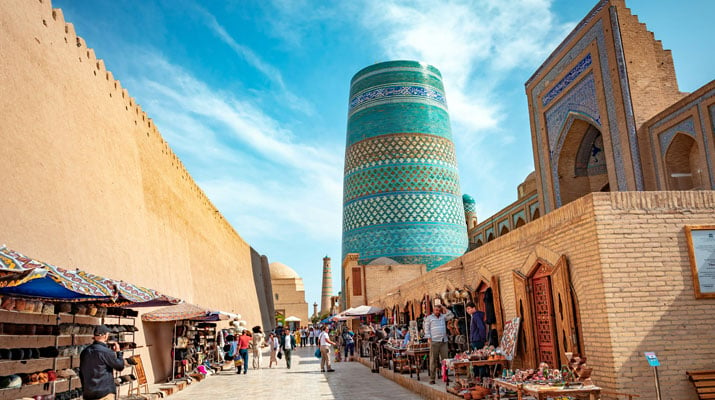
Even during spring and autumn, temperatures can vary significantly between day and night. Packing light layers allows travellers to adapt comfortably to changing conditions throughout the day.
Comfortable walking shoes are equally important, as exploring destinations such as Samarkand, Bukhara, and Khiva often involves several hours of walking through historic districts and heritage sites.
Common Mistakes Travellers Make
- Visiting During Summer Without Planning for Heat: Many first-time visitors underestimate how hot Uzbekistan can become during summer. Planning outdoor activities during cooler hours can significantly improve the experience.
- Trying to Cover Too Many Cities: Attempting to visit every major destination in a short period often results in rushed sightseeing and travel fatigue.
- Spending Too Little Time in Samarkand: Samarkand deserves more than a quick stop. Many travellers later wish they had set aside more time to explore the city.
- Ignoring Internal Travel Times: Although Uzbekistan’s rail network is efficient, intercity travel still requires planning and should be factored into the itinerary.
- Planning Around Weather Alone: While climate matters, the overall quality of a trip is often shaped by cultural experiences, route planning, and the pace of travel rather than temperature alone.
Conclusion
The best time to visit Uzbekistan is generally during April to May and September to October, when comfortable temperatures and favourable sightseeing conditions support exploration of the country’s remarkable Silk Road cities. These months offer an excellent balance between weather, visibility, and travel comfort, making them particularly attractive for first-time visitors, families, photographers, and cultural travellers.
However, the ideal season ultimately depends on your travel style and priorities. Whether you are seeking heritage experiences, photography opportunities, quieter travel periods, or budget-friendly options, Uzbekistan offers rewarding experiences throughout much of the year when planned appropriately.