
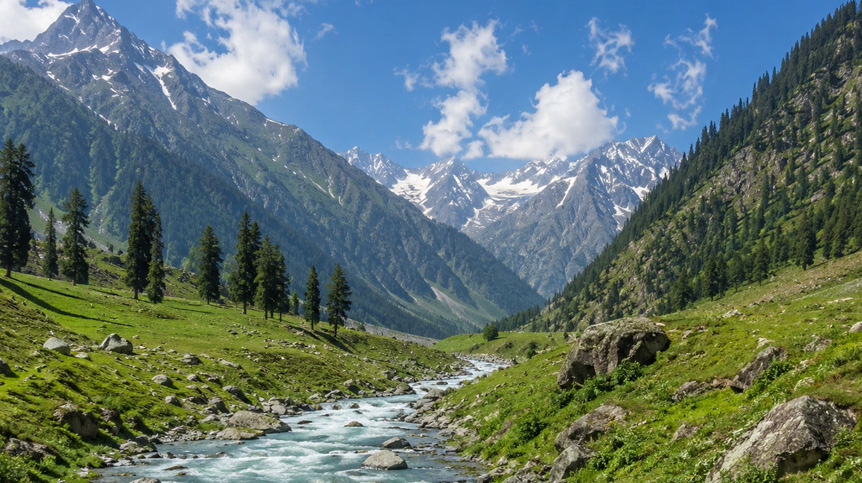

Baltal Valley is best experienced as part of a Sonamarg mountain circuit or a broader Kashmir Himalayan journey focused on alpine scenery, pilgrimage routes, and slower-paced high-altitude travel. The atmosphere here feels noticeably different from the greener meadows around Sonamarg, with rugged mountain walls, riverside camping grounds, and seasonal pilgrimage movement shaping the overall experience.
Rather than functioning as a conventional sightseeing attraction, Baltal Valley works best as a scenic transit and acclimatisation zone for travellers exploring the Sonamarg–Zoji La corridor or preparing for Amarnath-linked mountain routes.
This guide explains how Baltal Valley fits into a Sonamarg-based journey, who it suits, how long to spend there, and how to plan a practical visit without exhausting your schedule.
What Baltal Valley Is Known For
Baltal Valley is primarily known for
- Serving as one of the main base camps for the Amarnath Yatra
- Wide Himalayan valley landscapes beside the Sindh River
- Seasonal tented camping zones during pilgrimage months
- Access toward high-altitude trekking and pilgrimage routes
- Scenic mountain driving along the Sonamarg–Zoji La corridor
- Photography-focused riverside and mountain scenery
Unlike meadow-style sightseeing destinations around Sonamarg, Baltal feels more rugged, functional, and transit-oriented.
Planning Your Visit to Baltal Valley
Best months to visit
Baltal Valley is highly seasonal because of snowfall and mountain route accessibility.
April to September
This is the main travel window for Baltal Valley. Weather conditions remain comparatively milder, roads are usually more accessible, and pilgrimage activity increases significantly during the Amarnath Yatra period, generally held between June and August, depending on the official Shrine Board calendar.
Morning and early afternoon hours provide the clearest mountain visibility and the most comfortable walking conditions.
October to March
Heavy snowfall during these months often restricts access and changes travel conditions significantly. Winter visits are mainly suitable for travellers experienced with snow-covered mountain terrain and colder weather.
July and August can occasionally experience rainfall-related disruptions and slippery paths, particularly for visitors planning to walk further into the valley.
Ideal visit duration
Most travellers experience Baltal Valley in one of three ways.
Short day trip (3–4 hours)
- Morning drive from Sonamarg
- Gentle walk through the camping and riverside sections
- Scenic photography and short breaks
- Return to Sonamarg by afternoon
This option works well for shorter Kashmir itineraries.
Half-day excursion (4–5 hours)
- Additional time for viewpoints and riverside exploration
- Opportunity to observe pilgrimage movement and trekking routes
- More relaxed pacing with fewer time pressures
Overnight or trek-linked stay
- Suitable for pilgrims or trekkers beginning early morning routes
- Useful for acclimatisation and slower pacing
- Allows more time around the campsite and river areas
How Baltal Valley Fits Into a Sonamarg Kashmir Trip
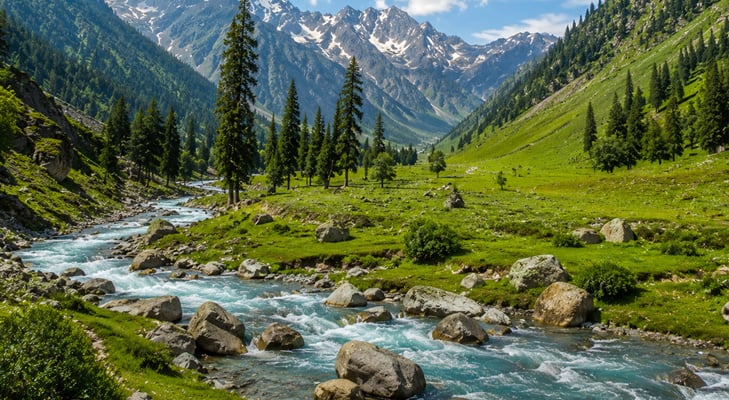
Baltal Valley works best as a pilgrimage-based or trek-holding layer within a broader Sonamarg itinerary. Many travellers use it as a transition point before moving towards Amarnath-linked routes or higher-altitude trekking sections.
Common itinerary roles include:
- A staging point before beginning the Amarnath Yatra routes
- A calm riverside stop along the Sonamarg–Zoji La corridor
- An overnight trekking preparation base
- A slower-paced mountain outing away from crowded sightseeing hubs
The drive from Sonamarg to Baltal Valley usually takes around 20–35 minutes, depending on road and traffic conditions. Travellers generally reach Sonamarg through the scenic Srinagar to Sonamarg route before continuing towards Baltal Valley and nearby high-altitude corridors.
Practical route planning notes
- Baltal Valley fits best within a 2–3 day Sonamarg stay.
- Combining Baltal with another gentle meadow or riverside outing on the same day works well.
- Avoid pairing the visit with physically demanding, high-altitude trekking in the same schedule.
- Overnight stays become more useful for travellers continuing towards pilgrimage or trekking routes.
- Sonamarg remains the better location for accommodation variety and essential supplies.
Key traveller fit points
Who is Baltal Valley best for
Baltal Valley suits a specific style of traveller more than a generic “must-visit” sightseeing label. It is especially rewarding for:
- Pilgrims interested in experiencing the atmosphere of a high-altitude Yatra base camp
- Trekking-focused travellers preparing for Amarnath-linked or alpine trekking routes
- Visitors who enjoy remote valley scenery and riverside camping environments
- Travellers comfortable with simpler mountain-style facilities
- Photography enthusiasts looking for dramatic Himalayan landscapes
Travellers expecting shopping zones, resort entertainment, or luxury-style comfort may find Baltal Valley too remote and minimal.
Crowd and Timing Tips
Crowd levels in Baltal Valley vary heavily depending on pilgrimage schedules and weather conditions.
Best timing strategy
- Weekdays are generally quieter than weekends.
- Early mornings between 6:00 am and 10:00 am offer calmer surroundings and softer photography light.
- Peak pilgrimage movement usually occurs between June and August.
- Late afternoons may still feel peaceful once daytime Yatra movement slows down.
Guided vs Self-Guided Visits
The main camping area and riverside sections of Baltal Valley are manageable for independent exploration. Short valley-floor walks remain relatively straightforward.
Self-guided visits work well for:
- Riverside walks
- Photography outings
- Relaxed sightseeing
- Exploring the main camp area
Guided visits are better for:
- Routes towards Amarnath Cave
- High-altitude trekking sections
- Trekking preparation and acclimatisation
- Navigation beyond marked valley paths
Recommended Baltal Valley Route Circuits
1. Short Scenic Circuit (Half Day)
Best for:
- casual Kashmir travellers
- families
- photographers
Route:
Sonamarg → Baltal Valley → Sindh riverside stop → return to Sonamarg
2. Pilgrimage-Oriented Circuit
Best for:
- Amarnath pilgrims
- spiritual travellers
- high-altitude acclimatisation
Route:
Srinagar → Sonamarg → Baltal → Amarnath base logistics
Recommended stay:
3. Himalayan Mountain Route Extension
Best for:
- mountain-road travellers
- Ladakh-bound road journeys
- alpine scenery-focused visitors
Route:
Srinagar → Sonamarg → Baltal → Zoji La Pass corridor
4. Photography & Landscape Circuit
Best for:
- landscape photographers
- slow travellers
Best combined with:
Altitude & Travel Comfort Guidance
Baltal Valley sits at high altitude and is best approached with realistic pacing.
Travellers may experience:
- Colder temperatures than expected
- Travel fatigue from mountain roads
- Reduced energy after long Srinagar transfers
- Mild altitude discomfort for some visitors
Helpful comfort tips:
- Avoid rushing directly after long road journeys
- Stay hydrated during mountain travel
- Keep warm layers accessible even during summer
- Avoid overpacking sightseeing into the same day
- Rest properly before trekking or pilgrimage movement
Practical visiting notes
- Carry warm clothing even during May to September because temperatures can drop quickly.
- Walking routes near the main valley remain relatively gentle and manageable.
- Trekking shoes with proper grip are advisable for uneven or wet terrain.
- Carry water, snacks, and basic first aid supplies during longer outings.
- Avoid slippery riverbanks and snow-covered side edges without guidance.
- Respect restricted and temporary camping zones.
- Mobile network coverage may fluctuate in remote areas.
- Arrange important supplies and cash in Sonamarg before arrival.
- Choose stable riverside spots while stopping for photography or short breaks.
- Power backup and charging availability may be inconsistent
- ATM access is limited near remote sections
- Prepaid essentials should ideally be arranged in Sonamarg
Road & Access Conditions
Baltal Valley is usually reached by road from Sonamarg via mountain routes that may experience:
- Seasonal traffic congestion
- Weather-related delays
- Pilgrimage security movement
- Temporary route restrictions
How Baltal Valley Fits Into Broader Kashmir Itineraries
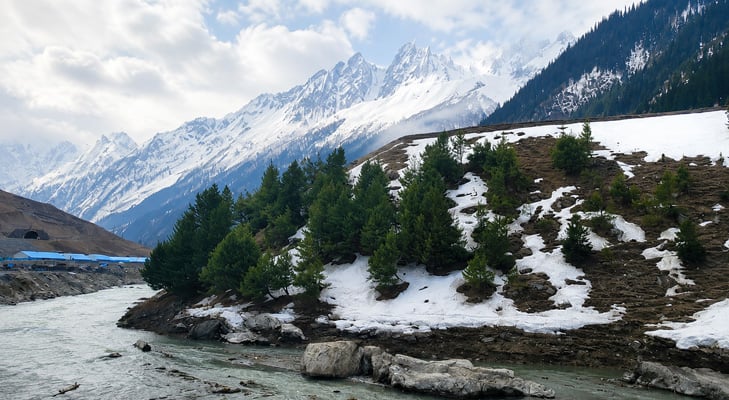
Baltal Valley works most naturally as part of a wider Kashmir valley route rather than as a standalone destination.
Typical itinerary structures include:
- A 2–3 day Sonamarg itinerary with one Baltal Valley excursion
- A pilgrimage-focused Kashmir circuit including Amarnath-linked routes
- A slower mountain journey combining Sonamarg, Baltal, and nearby alpine valleys
- Trekking-oriented itineraries focused on Himalayan landscapes
Suggested Route Logic for Travellers
Baltal Valley feels more rewarding when approached with realistic pacing and a focus on atmosphere rather than rushed sightseeing.
Continue Your Kashmir Mountain Journey
Baltal Valley works best as part of a broader Kashmir mountain itinerary rather than as an isolated sightseeing stop.
Travellers often combine the valley with:
Core Baltal Valley Fit Rule for Travellers
Baltal Valley works best when treated as a high-altitude base-camp experience rather than a quick roadside attraction.
The destination feels most rewarding when travellers:
- Give the valley at least half a day of dedicated time
- Approach it as part of a wider Sonamarg or pilgrimage-focused itinerary
- Match activities with their fitness and altitude comfort
- Avoid combining the visit with multiple long mountain drives on the same day
- Focus on scenery, atmosphere, and gradual pacing rather than rushing between stops
Travel Advisory Note
Road conditions, pilgrimage schedules, weather patterns, security regulations, campsite infrastructure, and local travel access in Baltal Valley may change seasonally.
Travellers should verify current route conditions, Yatra schedules, accommodation availability, and local advisories before planning high-altitude travel in the region.