
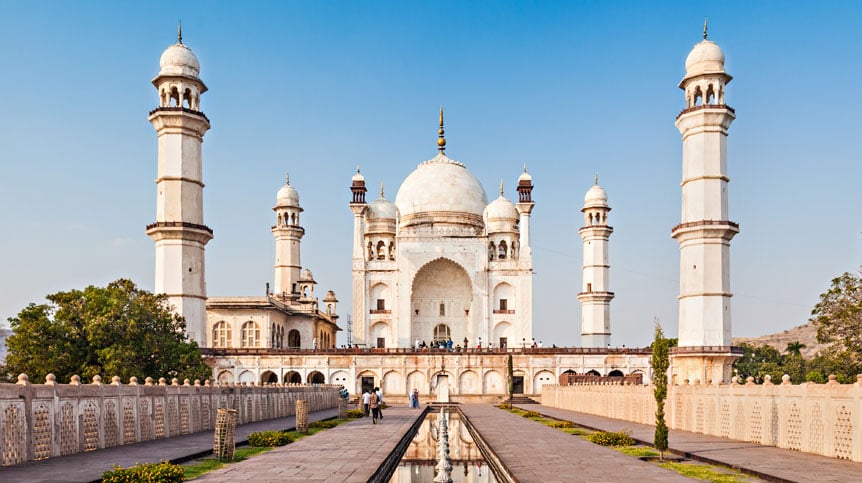

Aurangabad serves as the gateway to two UNESCO World Heritage Sites — Ajanta Caves and Ellora Caves — while also offering impressive Mughal architecture, ancient forts, and important pilgrimage sites.
For first-time visitors, the ideal Aurangabad itinerary usually combines Ellora Caves with Daulatabad Fort and Grishneshwar Temple on one day, while Ajanta Caves deserves a separate excursion because of the time required to appreciate its artistic and historical significance. Travellers interested in city attractions can add Bibi Ka Maqbara and Panchakki at a more relaxed pace.
This guide helps you decide which tourist attractions in Aurangabad to prioritise based on your interests, travel style, and available time.
Planning Snapshot
Ideal time needed: 2 to 3 days for a balanced Aurangabad itinerary.
Best pace: Keep Ajanta Caves for a dedicated day and combine Ellora Caves with Daulatabad Fort and Grishneshwar Temple.
Best time to visit: October to March for comfortable sightseeing.
Guided context: Particularly useful for Ajanta Caves, Ellora Caves, and Daulatabad Fort.
Best for short stays: Ellora Caves, Bibi Ka Maqbara, and Daulatabad Fort.
Which Aurangabad Attractions Should You Prioritise?
| Attraction | Best For | Time Needed | Base / Route | Best Paired With | Keep Short / Skip If |
|---|---|---|---|---|---|
| Ajanta Caves | Art, history, UNESCO | Half to full day | Ajanta route | Aurangabad city | Limited time |
| Ellora Caves | Heritage, families | Half day | Ellora | Daulatabad, Grishneshwar | Only one day in Aurangabad |
| Daulatabad Fort | History and views | 2 hrs | Ellora route | Ellora Caves | Difficulty with climbing |
| Bibi Ka Maqbara | Photography, heritage | 1 hr | Aurangabad | Panchakki | Heritage not a priority |
| Grishneshwar Temple | Pilgrimage | 45 mins | Ellora | Ellora Caves | Non-religious trip |
| Panchakki | History and architecture | 30–45 mins | Aurangabad | Bibi Ka Maqbara | Limited time |
Top Tourist Attractions to Explore in Aurangabad
UNESCO Heritage Attractions
Aurangabad’s strongest appeal lies in its UNESCO heritage sites. Ajanta and Ellora are not simply monuments; they represent centuries of artistic achievement, religious traditions, and architectural brilliance. Travellers interested in history often find these attractions among the most memorable experiences in India.
1. Ajanta Caves
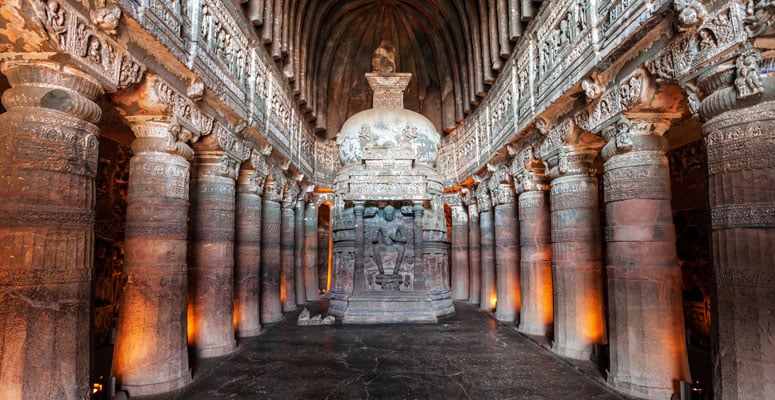
Ajanta Caves are among the finest examples of Buddhist art in the world. Hidden within a horseshoe-shaped gorge, these ancient rock-cut caves are celebrated for their murals, sculptures, and monastic architecture.
Unlike many historical monuments that can be explored quickly, Ajanta rewards travellers who spend time understanding the stories behind the paintings and sculptures. The experience feels more like walking through an ancient art gallery carved into the hills.
Best for: History enthusiasts, art lovers, and first-time visitors.
Time needed: Full day from Aurangabad / Chhatrapati Sambhajinagar.
Best timing: Morning.
Pairs well with: Aurangabad city sightseeing on a separate day.
Things to keep in mind: Follow site barriers and current photography rules, especially inside painted caves.
2. Ellora Caves
Ellora Caves represent one of India’s greatest architectural achievements. The complex contains Buddhist, Hindu, and Jain caves carved into basalt cliffs over several centuries.
The highlight for many travellers is the Kailasa Temple, a massive monolithic structure carved entirely from a single rock. However, the wider complex is equally fascinating and deserves a leisurely visit. If time allows, divide the visit between the Buddhist, Hindu, and Jain cave groups instead of treating Ellora as a single-monument stop.
Best for: Families, history enthusiasts, and architecture lovers.
Time needed: 3 to 4 hours.
Best timing: Morning or late afternoon.
Pairs well with: Daulatabad Fort and Grishneshwar Temple.
Heritage and Historical Attractions
3. Daulatabad Fort
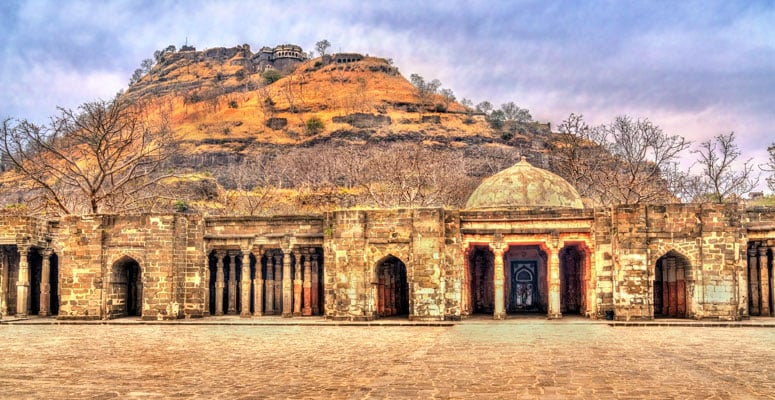
Daulatabad Fort is one of Maharashtra’s most impressive hill forts and an important historical landmark near Aurangabad. Massive fortifications, winding pathways, and panoramic views make it a rewarding experience for travellers interested in military history.
The fort is not only about architecture; the climb itself reveals ingenious defence systems and fascinating stories from medieval India.
Best for: History enthusiasts, photographers, and adventurous travellers.
Time needed: 1.5 to 2 hours.
Best timing: Morning.
Pairs well with: Ellora Caves.
4. Bibi Ka Maqbara
Often called the “Mini Taj of the Deccan,” Bibi Ka Maqbara is Aurangabad’s most recognisable monument. Built in memory of Aurangzeb’s wife, it resembles the Taj Mahal in design while maintaining its own distinctive character.
The gardens, symmetry, and Mughal architecture make it one of the city’s most popular photography spots.
Best for: Families, photographers, and heritage travellers.
Time needed: 45 minutes to 1 hour.
Best timing: Sunrise or late afternoon.
Pairs well with: Panchakki.
5. Panchakki
Panchakki is a fascinating historical site known for its medieval water mill system. While smaller than Aurangabad’s major attractions, it provides valuable insight into the engineering and urban planning of the period.
Best for: Heritage travellers and families.
Time needed: 30 to 45 minutes.
Pairs well with: Bibi Ka Maqbara.
Spiritual Attractions
6. Grishneshwar Temple
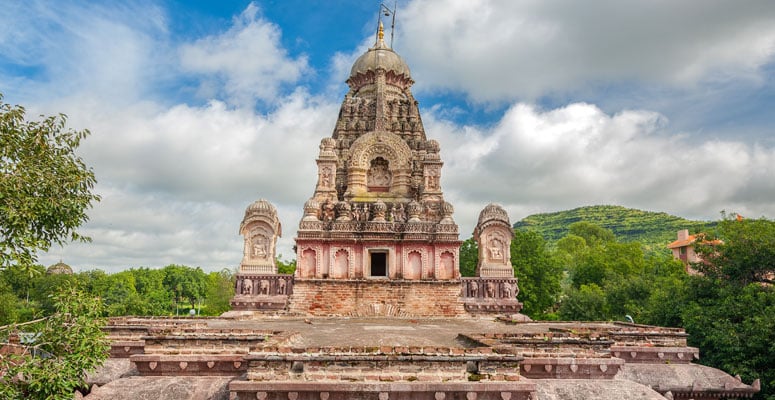
Located near Ellora, Grishneshwar Temple is one of the twelve Jyotirlingas of Lord Shiva and an important pilgrimage destination.
The temple is admired for its intricate carvings and peaceful atmosphere. Many travellers combine the visit with Ellora Caves because of their close proximity.
Best for: Pilgrims, families, and cultural travellers.
Time needed: 30 to 45 minutes.
Best timing: Morning.
Pairs well with: Ellora Caves.
How to Plan Your Aurangabad Sightseeing
Aurangabad sightseeing becomes more rewarding when travellers prioritise fewer attractions and spend meaningful time at each site. The city’s strongest experiences revolve around UNESCO heritage, so it is advisable to organise the itinerary around Ajanta and Ellora rather than treating them as quick stops.
Suggested Route Circuits
1. Ellora Heritage Circuit
Route: Ellora Caves → Grishneshwar Temple → Daulatabad Fort
Best for: First-time visitors, history enthusiasts, and families.
Time needed: Full day.
Why it works: This is Aurangabad’s strongest sightseeing route because it combines a UNESCO World Heritage Site, one of India’s most revered Jyotirlingas, and a spectacular medieval fort. The attractions are located relatively close to each other and provide a balanced mix of architecture, spirituality, and history.
2. Ajanta Heritage Excursion
Route: Aurangabad → Ajanta Caves → Return
Best for: Art lovers, heritage travellers, and photographers.
Time needed: Full day.
Why it works: Ajanta is not simply another cave complex. The ancient murals and Buddhist art deserve time and attention, making it best suited as a dedicated excursion rather than a quick stop between attractions.
3. Aurangabad City Heritage Circuit
Route: Bibi Ka Maqbara → Panchakki → Local markets → Evening city exploration
Best for: Families, photographers, and short-stay travellers.
Time needed: Half day.
Why it works: This route allows travellers to experience Aurangabad’s Mughal heritage and local atmosphere without long travel times.
4. Spiritual and Heritage Circuit
Route: Grishneshwar Temple → Ellora Caves → Bhadra Maruti Temple
Best for: Spiritual travellers and cultural enthusiasts.
Time needed: Half to full day.
Why it works: This route combines pilgrimage with heritage and is particularly rewarding for travellers interested in Maharashtra’s religious and historical traditions.
5. Balanced 2–3 Day Aurangabad Circuit
Route Logic: Ellora → Daulatabad → Grishneshwar → Ajanta → Bibi Ka Maqbara → Panchakki
Best for: First-time visitors wanting a complete Aurangabad experience.
Time needed: 2 to 3 days.
Why it works: This itinerary balances UNESCO heritage, historical monuments, spirituality, and local city attractions without making the schedule feel rushed.
Aurangabad Sightseeing Mistakes to Avoid
Trying to cover Ajanta and Ellora on the same day.
This is the most common mistake travellers make. Both UNESCO sites deserve several hours, and the travel time between them can make the day unnecessarily rushed.Spending too little time at Ellora.
Many visitors focus only on Kailasa Temple and miss the Buddhist and Jain caves that are equally fascinating.Ignoring Daulatabad Fort because of the climb.
Even travellers who do not climb to the top can appreciate the fort’s impressive architecture and historical significance.Treating Ajanta only as a photography destination.
The paintings and sculptures become far more meaningful when travellers spend time understanding their artistic and historical context.Planning outdoor sightseeing during the hottest part of the day.
Morning and late afternoon visits are generally more comfortable, especially at Daulatabad and Bibi Ka Maqbara.Rushing through city attractions on the final day.
Aurangabad’s local markets and smaller monuments often become enjoyable experiences when explored at a slower pace.
Seasonal Planning Insight
October to December is one of the most pleasant periods to visit Aurangabad. The weather becomes comfortable after the monsoon, making cave exploration, fort visits, and outdoor sightseeing far more enjoyable.
January to March is generally considered the best overall sightseeing season. Temperatures remain pleasant, and the weather is ideal for exploring Ajanta, Ellora, and Daulatabad Fort without the discomfort of summer heat.
April and May can become significantly warmer, especially during afternoons. Travellers visiting during this period should prioritise morning sightseeing and keep outdoor activities shorter.
The monsoon season transforms the surrounding landscapes into lush green scenery. The hills around Ajanta and Ellora become particularly beautiful, although occasional rainfall may affect outdoor plans. During rain, keep extra time for transfers and be cautious on steps, exposed pathways, and fort sections.
| Season | Best For | Planning Reality |
|---|---|---|
| October to December | Heritage and cave exploration | Pleasant weather and lush surroundings |
| January to March | Complete Aurangabad sightseeing | Most comfortable season overall |
| April to May | Short city visits | Outdoor sightseeing becomes warmer |
| Monsoon | Scenic landscapes and photography | Carry rain protection and flexible plans |
Travel Tips for Visiting Aurangabad Attractions
Tips for a Comfortable Visit
Plan Your Aurangabad Route
Planning a trip to Aurangabad? The ideal itinerary depends on your travel month, number of days, and whether your interests lie in UNESCO heritage, spirituality, photography, or historical exploration.
IndianHoliday can help you plan customised Aurangabad itineraries, guided cave tours, private transfers, and heritage experiences so that you can explore the region comfortably and at your own pace.
Share these details before finalising your route:
Travel month
Number of days
Traveller age profile
Interest: history, architecture, photography, spirituality, or family travel
Preferred route: Ajanta, Ellora, or a complete Aurangabad circuit
Need for guided tours or private transport
Comfort with walking and climbing
Whether Aurangabad is part of a larger Maharashtra itinerary