
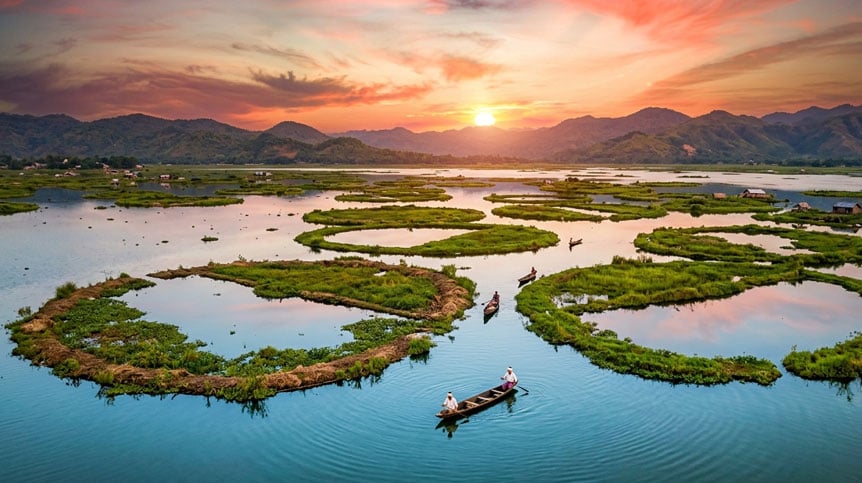

Imphal is known for its royal heritage, historic landmarks, traditional markets, and wartime sites.
For first-time visitors, a good itinerary includes Kangla Fort, Ima Keithel, and a few key temples, along with a heritage or war memorial site. Most attractions are located close to one another, making it easy to explore the city at a relaxed pace.
Rather than covering every attraction, focus on experiencing Imphal’s history, culture, markets, and local way of life.
This guide helps you choose the top tourist attractions in Imphal based on your interests and available time.
Planning Snapshot
Ideal time needed: 2 to 3 days for a balanced Imphal trip; 1 day for key attractions. For one day, prioritise Kangla Fort, Ima Keithel, Shri Govindajee Temple, and either Manipur State Museum or Imphal War Cemetery.
Best pace: Keep Kangla Fort, Ima Keithel, and heritage attractions together on one day. Reserve a separate day for war memorials, temples, or cultural experiences.
Best time to visit: October to March for comfortable sightseeing and outdoor exploration.
Guided context: Particularly useful for Kangla Fort, Imphal War Cemetery, and cultural heritage walks.
Best for short stays: Kangla Fort, Ima Keithel, Shri Govindajee Temple, and Imphal War Cemetery.
Practical note: Imphal is a city best appreciated slowly. Leave room in your itinerary for markets, local cuisine, and conversations that provide insight into Manipuri culture.
Which Imphal Attractions Should You Prioritise?
| Attraction | Best For | Time Needed | Base / Route | Best Paired With | Keep Short / Skip If |
|---|---|---|---|---|---|
| Kangla Fort | Heritage, first-time visitors | 2–3 hrs | Central Imphal | Govindajee Temple | Very short city visit |
| Ima Keithel | Markets, culture, photography | 1–1.5 hrs | Central Imphal | Paona Bazaar | You dislike crowded markets |
| Imphal War Cemetery | WWII history | 30–45 mins | Imphal | Red Hill | History not a priority |
| Manipur State Museum | Cultural context | 45–60 mins | Imphal | Kangla Fort | Limited time |
| Shri Govindajee Temple | Spiritual and cultural | 45 mins | Imphal | Kangla Fort | Prayer crowds |
| Sanamahi Temple | Indigenous traditions | 30 mins | Kangla Complex | Kangla Fort | Short itinerary |
| Mahabali Temple | Devotional visit | 30 mins | Imphal | Govindajee Temple | Non-religious trip |
| Paona Bazaar | Shopping and local life | 1 hr | Imphal | Ima Keithel | Limited interest in markets |
| Kangjeibung | Sports heritage | 20–30 mins | Imphal | Kangla Fort | Short itinerary |
| India Peace Memorial / Red Hill | WWII history | 45 min–1 hr from Imphal | Imphal | Imphal War Cemetery | Skip if WWII history is not a priority |
Top Tourist Attractions to Explore in Imphal
Heritage and Royal Imphal
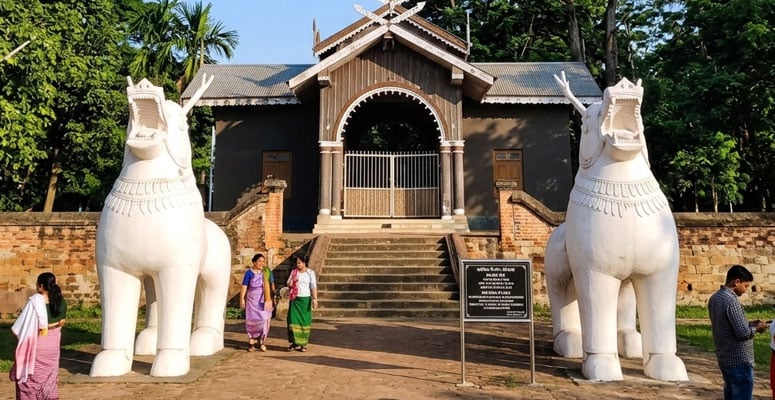
Imphal’s heritage attractions offer a deeper understanding of the city’s royal history and cultural identity. These sites are not simply monuments but living spaces that continue to influence local traditions and everyday life.
1. Kangla Fort
Kangla Fort is the most important historical attraction in Imphal and one of the strongest introductions to Manipuri history. Once the seat of the ancient Meitei rulers, the sprawling complex now combines royal ruins, sacred spaces, museums, and landscaped grounds.
Unlike many forts that are appreciated mainly for their military architecture, Kangla is valued for its cultural significance and the stories that shaped Manipur’s identity over centuries.
Best for: First-time visitors, history enthusiasts, and families.
Time needed: 2 to 3 hours.
Best timing: Morning or late afternoon.
Pairs well with: Shri Govindajee Temple and Manipur State Museum.
2. Manipur State Museum
The Manipur State Museum provides valuable context before exploring the rest of the city. Its collections include traditional costumes, archaeological artefacts, tribal heritage displays, and exhibits related to the royal history of Manipur.
Visitors often find that the museum helps them appreciate other attractions in Imphal more deeply.
Best for: Families, students, and heritage travellers.
Time needed: 45 minutes to 1 hour.
Best timing: Late morning.
Pairs well with: Kangla Fort.
3. Mapal Kangjeibung (Kangjeibung)
Mapal Kangjeibung (Kangjeibung) is widely regarded as one of the oldest living polo grounds in the world and holds a special place in Manipuri sporting traditions. Polo is believed to have originated from the local game of Sagol Kangjei, making this site an interesting stop for travellers interested in sports history.
Best for: Culture enthusiasts and first-time visitors.
Time needed: 20 to 30 minutes.
Pairs well with: Kangla Fort and nearby heritage sites.
Markets and Cultural Experiences
Imphal’s markets are among the city’s most memorable experiences. These spaces are not merely shopping destinations but vibrant centres of community life where traditions continue to thrive.
1. Ima Keithel
Ima Keithel, popularly known as the Women’s Market, is one of India’s most distinctive cultural markets. Entirely run by women, the market reflects Manipur’s strong traditions of female entrepreneurship and community leadership.
The experience goes beyond shopping. Travellers often enjoy observing the atmosphere, interacting with vendors, and understanding the social significance of the market.
Best for: Cultural travellers, photographers, and families.
Time needed: 1 to 1.5 hours.
Best timing: Morning to early afternoon.
Pairs well with: Paona Bazaar and Kangla Fort.
2. Paona Bazaar
Paona Bazaar offers a more contemporary shopping experience and is one of Imphal’s busiest commercial areas. Traditional handicrafts, handloom products, clothing, and local snacks make it an enjoyable stop for travellers interested in local life.
Best for: Shopping, local culture, and food experiences.
Time needed: 45 minutes to 1 hour.
Pairs well with: Ima Keithel.
Spiritual Attractions
Imphal’s spiritual attractions reflect the region’s layered religious traditions, where Vaishnavism exists alongside the indigenous Sanamahi faith. These temples are not only important places of worship but also offer visitors a deeper understanding of Manipuri culture and identity.
1. Shri Govindajee Temple
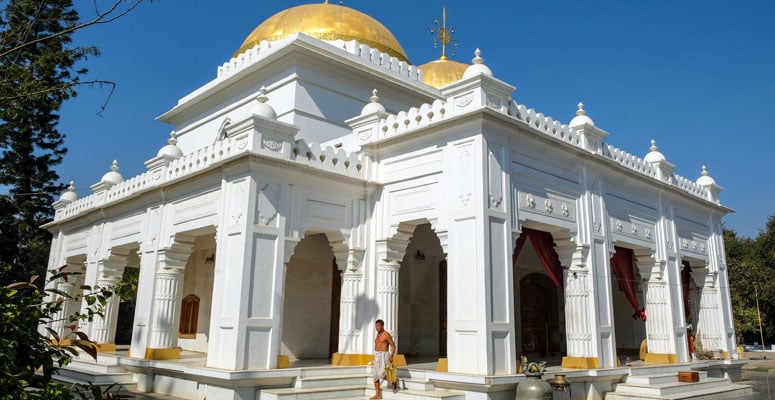
Shri Govindajee Temple is Imphal’s most important Vaishnavite temple and one of the city’s most recognisable spiritual landmarks. The temple is known for its twin golden domes, peaceful surroundings, and strong connection to Manipuri religious traditions.
Unlike larger pilgrimage centres that can feel overwhelming, Govindajee Temple offers a quieter and more contemplative atmosphere.
Best for: Spiritual travellers, families, and cultural visitors.
Time needed: 30 to 45 minutes.
Best timing: Morning or evening.
Pairs well with: Kangla Fort and Manipur State Museum.
2. Sanamahi Temple
Located within the Kangla Fort complex, Sanamahi Temple is one of the most important spiritual sites for followers of the indigenous Sanamahi faith. The temple helps travellers understand Manipur’s indigenous Sanamahi faith and should be visited with local cultural context.
The experience is often more cultural and reflective than ceremonial, making it especially meaningful for travellers interested in local traditions.
Best for: Cultural travellers, spiritual visitors, and heritage enthusiasts.
Time needed: 30 minutes.
Best timing: Morning.
Pairs well with: Kangla Fort.
3. Mahabali Temple
Situated along the banks of the Imphal River, Mahabali Temple is dedicated to Lord Hanuman and is among the city’s most popular Hindu temples. The temple attracts large numbers of devotees, especially on Tuesdays and Saturdays.
The riverside setting and devotional atmosphere make it a peaceful stop for travellers exploring Imphal’s spiritual side.
Best for: Devotees, families, and spiritual travellers.
Time needed: 30 minutes.
Best timing: Early morning or evening.
Pairs well with: Shri Govindajee Temple.
4. Hiyangthang Lairembi Temple
Hiyangthang Lairembi Temple is an important shrine dedicated to Goddess Durga and is particularly known for its annual festival, when thousands of devotees gather to seek blessings.
The temple offers visitors a chance to witness an important aspect of local religious traditions away from the more frequently visited attractions.
Best for: Spiritual travellers and visitors interested in local traditions.
Time needed: 30 to 45 minutes.
Pairs well with: Mahabali Temple or a dedicated spiritual circuit.
War Heritage and Memorials
Imphal played a crucial role during World War II, and several memorials across the city commemorate this chapter of history. These sites are particularly meaningful for travellers interested in military history and international heritage.
1. Imphal War Cemetery
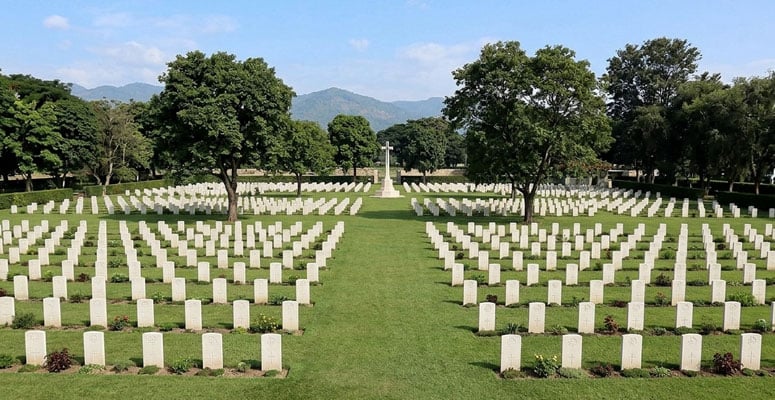
Imphal War Cemetery is one of the city’s most moving historical sites. Maintained by the Commonwealth War Graves Commission, the cemetery is associated with 1,600 Commonwealth graves from World War II.
The peaceful surroundings and neatly maintained grounds create a reflective atmosphere that many visitors find deeply moving.
Best for: History enthusiasts, international visitors, and reflective travellers.
Time needed: 30 to 45 minutes.
Best timing: Morning or late afternoon.
Pairs well with: India Peace Memorial.
2. India Peace Memorial (Red Hill)
Located around 16–17 km from Imphal in Bishnupur district, the India Peace Memorial at Red Hill commemorates one of the fiercest battles fought during World War II. The memorial symbolises reconciliation and peace and is visited by both Indian and international travellers.
The hilltop setting also offers scenic views of the surrounding landscape.
Best for: History enthusiasts and cultural travellers.
Time needed: 45 minutes.
Pairs well with: Imphal War Cemetery.
How to Plan Your Imphal Sightseeing
Imphal is not a city where travellers need to rush from one attraction to another. The city’s greatest strength lies in the variety of experiences it offers — heritage, markets, spirituality, and local culture — all within relatively short distances.
Suggested Route Circuits
1. Imphal Heritage Circuit
Route: Kangla Fort → Manipur State Museum → Shri Govindajee Temple → Kangjeibung
Best for: First-time visitors, families, and heritage travellers.
Time needed: Half day to relaxed full day, depending on Kangla Fort depth, guide availability, and breaks.
Why it works: This route provides the strongest introduction to Imphal by combining royal history, museums, spirituality, and sports heritage within manageable distances.
2. Markets and Culture Circuit
Route: Ima Keithel → Paona Bazaar → Local handloom shopping → Manipuri cuisine experience
Best for: Cultural travellers, food lovers, and photographers.
Time needed: Half day.
Why it works: The route focuses on everyday Imphal and introduces travellers to markets, handicrafts, and local traditions rather than monuments alone.
3. Spiritual Imphal Circuit
Route: Shri Govindajee Temple → Sanamahi Temple → Mahabali Temple → Hiyangthang Lairembi Temple
Best for: Spiritual travellers and cultural visitors.
Time needed: Half day.
Why it works: This route highlights the diversity of religious traditions in Imphal and offers insight into both indigenous and Hindu spiritual practices.
4. WWII Heritage Circuit
Route: Imphal War Cemetery → India Peace Memorial → Kangla Fort (only if extending into a broader history circuit)
Best for: History enthusiasts and international visitors.
Time needed: Half day.
Why it works: The route provides historical context for one of the most significant chapters in Imphal’s modern history.
Imphal Sightseeing Mistakes to Avoid
A better approach is to dedicate one theme to each day — heritage, markets, spirituality, or wartime history.
Seasonal Planning Insight
October to December is one of the most rewarding periods to explore Imphal. The weather is pleasant, and outdoor sightseeing becomes comfortable.
January to March offers cooler temperatures and clear weather, making it ideal for heritage walks, market visits, and photography.
April and early May remain suitable for sightseeing, although afternoons can become warmer. Morning exploration is generally more comfortable.
Monsoon months transform Imphal into a lush green city. While the scenery becomes beautiful, travellers should keep flexibility in their schedules because occasional rain may affect outdoor activities.
| Season | Best For | Planning Reality |
|---|---|---|
| October to December | Heritage and markets | Pleasant weather and comfortable sightseeing |
| January to March | Complete Imphal exploration | Clear weather and ideal temperatures |
| April to May | Short city trips | Afternoons become warmer |
| Monsoon | Photography and greenery | Outdoor plans may require flexibility |
Travel Tips for Visiting Imphal Attractions
Tips for a Comfortable Visit
Plan Your Imphal Route
Planning Imphal? The right route depends on your travel month, available days, and whether you prefer heritage, spirituality, local markets, or WWII history.
IndianHoliday can help you plan guided heritage walks, temple visits, cultural experiences, and comfortable city itineraries so that your journey remains meaningful without becoming rushed.
Share these details before finalising your route:
Travel month
Number of days
Traveller age profile
Interest: heritage, markets, spirituality, history, or photography
Route preference: heritage, cultural, spiritual, or mixed itinerary
Need for local guide or private transfer
Comfort with walking and outdoor sightseeing
Whether Imphal is part of a wider Manipur itinerary