Important Information about Ramanathaswamy Jyotirlinga Temple
| Aspect | Details |
| Location | Rameswaram Island, Tamil Nadu, India, connected via Pamban Bridge. |
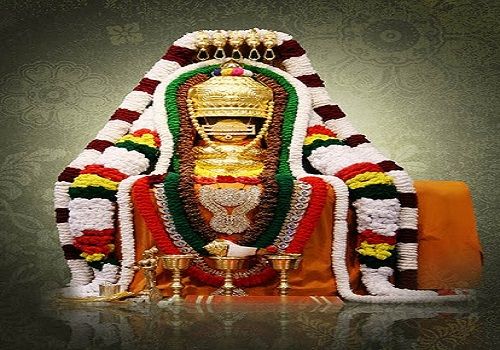
| Deity | Lord Shiva as Ramanathaswamy (lingam form); Goddess Parvathavardhini. |
| Significance | One of the 12 Jyotirlingas, part of the Char Dham Yatra |
| Lingams | Two lingams: Ramalingam (sand, made by Sita) and Vishwalingam (brought by Hanuman from Kailash). |
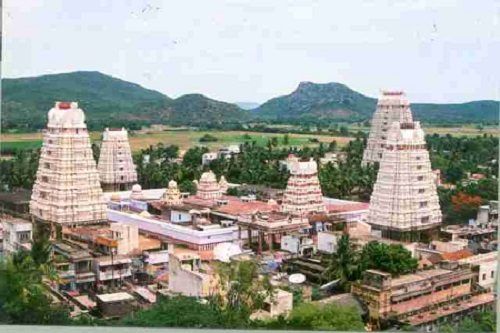
| Architecture | Dravidian style |
| Entry | Free general entry; special darshan ticket: Rs. 250. |
| Temple Timings | Morning: 4:00 AM–1:00 PM; Evening: 3:00 PM–8:00 PM |
Architecture of Ramanathaswamy Temple
There are two lingams in the temple, the Ramalingam and the Vishwalingam. One is made of sand created by Sita, and the other is called Vishwalingam. This linga was brought by Lord Hanuman from Kailash. Vishwalingam is worshipped first, as instructed by Lord Rama, and has been worshipped in this manner for many years. Comparing it with other temples, it has way longer corridors. The corridors feature sandstone pillars and beams that are aesthetically adorned. The temple looks similar to other South Indian Temples, with conical tops. Rameswaram has 64 tirthas (holy water bodies) in and around it. Taking a dip in these Tirthas is considered auspicious. 22 of these Tirthas could be found in Ramanathaswamy Temple’s premises.Also Read: 12 Jyotirlinga Images with Name and Place
History of Ramanathaswamy Jyotirlinga
It is believed that Lord Rama placed the Shiva Linga here. He did so before leaving for Ravana’s kingdom to rescue his wife, Goddess Sita. Lord Rama was drinking water on the seashore when he heard a voice say, “You are drinking water before worshipping me”. He stopped and attempted to make a Shiva Linga. This made Lord Shiva happy, and he bestowed the power to defeat Ravana. Lord Rama insisted that Lord Shiva make this place his abode, so that mankind could also have a place to worship. Shiva accepted and manifested himself in the form of Jyotirlinga.Check out the 12 Jyotirlinga Darshan Yatra
Best Time to Visit Ramanathaswamy Jyotirlinga
Ramanathaswamy Jyotirlinga is located on a small island named Rameshwaram. The best time to visit the temple is during the winter season (October- March).
 Summer – From April to July
Summers in Rameshwaram are hot. The temperature during this season ranges between 27°C and 40 °C.
Monsoon – From July to SeptemberRameswaram receives average rainfall. There is slight humidity in the air during the monsoon season. The temperature during the monsoon stays between 28 degrees Celsius and 35 degrees Celsius.
Winter – From October to MarchWinter is the best time to visit Rameswaram. The weather in winter is pleasant and enjoyable. The temperature does not dip below 20 degrees Celsius, with the maximum being 30 degrees Celsius.
How to Reach Rameshwaram
Ramanathaswamy Temple is a popular pilgrimage spot. It has easy connectivity with the rest of the world through all major modes of transportation.
By Train: The nearest railway station to Ramanathaswamy Jyotirlinga is Rameshwaram Railway Station, at a distance of 2 km. This railway station is linked to Madurai, Trichy, Coimbatore, and Chennai. Upon arriving at the station, you can take a cab, rickshaw, or auto to reach the Ramanathaswamy Temple. By Road: The Ramanathaswamy Temple is well-connected by road, providing easy access. Regular bus services link the temple to Karaikudi, Chennai, Madurai, Ramanathapuram, Kanyakumari, and other regions of southern India.By Air: The nearest airport to Ramanathswamy is Madurai Airport, which is located 167 km away. The airport has connections to various cities in India, including Calicut, Mumbai, and Chennai. Upon arrival, you can take a cab or a bus from the airport to reach the temple. The journey from the airport will take approximately 4 to 5 hours.
Grab the best deals on Rameswaram Tour Packages with Indian Holiday today!
Important Dates and Festivals at Ramanathaswamy Jyotirlinga
The following festivals add to the lively atmosphere of the Ramanathaswamy Jyotirlinga temple. So, if you really want to soak in the spirituality of the place, plan your trip around these times| Festival/Event | Month |
| Maha Shivaratri | February–March (Phalguna) |
| Thirukalyanam | July–August (Ashadha–Shravana) |
| Mahalaya Amavasai | September–October (Bhadrapada) |
| Thai Amavasai | January–February (Thai) |
| Ramanavami | March–April (Chaitra) |
| Navaratri | September–October (Ashwin) |
| Aarudhira Dharshan | December–January (Margashirsha) |
Check out our Rameshwaram Packages
- 21 Famous Shiva Temples in India
- Mahakaleshwar Jyotirlinga
- Somnath Jyotirlinga
- Mallikarjuna Jyotirlinga
- Kedarnath Jyotirlinga
- Bhimashankar Jyotirlinga
- 12 Jyotirlinga in India to visit