
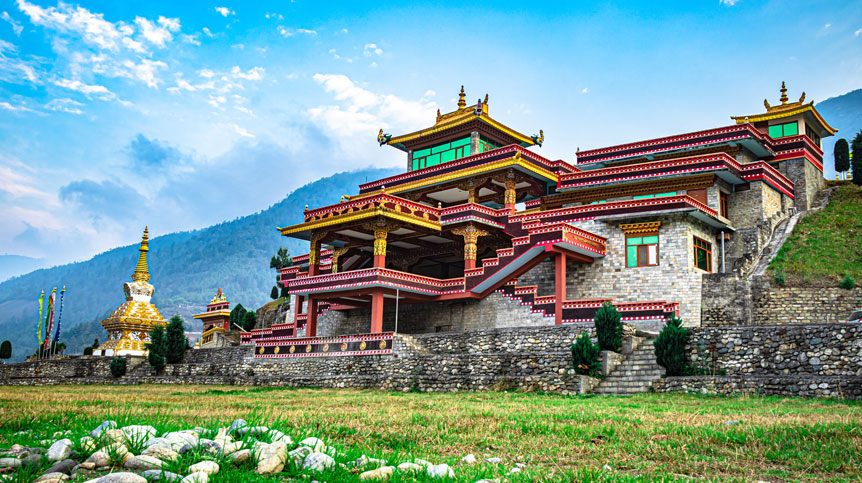

Dirang’s attractions work best for travellers who want one strong valley stop, one heritage or monastery visit, and one slower restorative outing rather than a rushed hill-town checklist. The destination is most rewarding when treated as a short, well-paced West Kameng stay, not just a halt on the way to Tawang. This page is most useful for couples, families, first-time Arunachal travellers, and anyone who wants to decide which Dirang sights are actually worth the time on the ground.
Quick Planning Snapshot
How Dirang Fits Into an Arunachal Itinerary
Most travellers do not visit Dirang as a standalone destination. It typically works as:
An overnight stop between Bhalukpong and Tawang
A two-night slow-travel base for valley exploration
A recovery stop before or after crossing Sela Pass
If your primary goal is Tawang, one night is usually enough. If you enjoy landscapes, village culture, photography, birdlife, and slower mountain travel, two nights create a much stronger experience.
What Makes Dirang Different from Other Himalayan Stops
Dirang is not a destination built around one landmark.
Unlike Tawang, which revolves around major monasteries and high-altitude landscapes, or Bomdila, which functions primarily as a viewpoint town, Dirang works best as a collection of smaller experiences:
Heritage exploration at Dirang Dzong
Valley scenery around Sangti
Riverside relaxation
Hot springs
Monastery visits
Village life
Orchard landscapes
Travellers expecting iconic monument-style sightseeing may find Dirang quiet. Travellers who enjoy slower mountain destinations often consider it one of the most rewarding stops in Arunachal Pradesh.
Core Dirang Highlights to Prioritise First
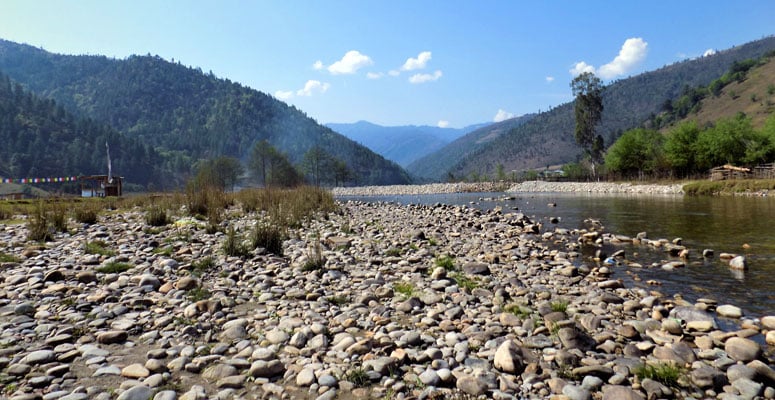
These are the places most travellers should consider before adding softer extensions.
1. Sangti Valley
Why Visit: Sangti Valley is the strongest scenic reason to spend time in Dirang. It gives the destination its broad, open mountain character and works far better than treating Dirang as only a town halt. This is the clearest choice if you want quieter views, riverside pacing, and one high-value landscape stop.
Who It Suits: Couples, photographers, birdwatchers, families, slow travellers
How Much Time Do You Need? Around 2 to 3 hours, more if you want a slower outing
Best Paired With: Dirang Hot Springs for a softer day, or Dirang Dzong for a more balanced scenic-and-heritage plan
Worth Prioritising If:
Valley scenery is one of your main reasons for stopping in Dirang
You want lighter exploration rather than packed sightseeing
You prefer a slower mountain outing over a checklist of stops
Skip If:
You are only halting very briefly and have almost no daylight left
Best Timing: Morning or later afternoon usually gives a calmer valley feel and better pacing for photography or slower stops.
2. Dirang Dzong
Why Visit: Dirang Dzong gives the destination its strongest heritage value. It is the stop that helps Dirang feel like more than a scenic halt, especially for travellers interested in Monpa-built heritage, older settlement character, and places that still feel rooted in local life.
Who It Suits: Culture-focused travellers, history-minded visitors, and first-time Arunachal travellers
How Much Time Do You Need? Around 1 to 1.5 hours
Best Paired With: Sangti Valley for a stronger half-day plan, or Dirang Monastery for a more culture-led outing
Worth Prioritising If:
You want Dirang to feel like more than a road stop
You are interested in older settlement or fort-style heritage
You prefer places with lived-in character over purely viewpoint-based stops
Skip If:
You are only interested in scenery and have very limited time
Best Timing: Daytime visits work best when settlement details and overall layout are easier to appreciate.
3. Dirang Hot Springs
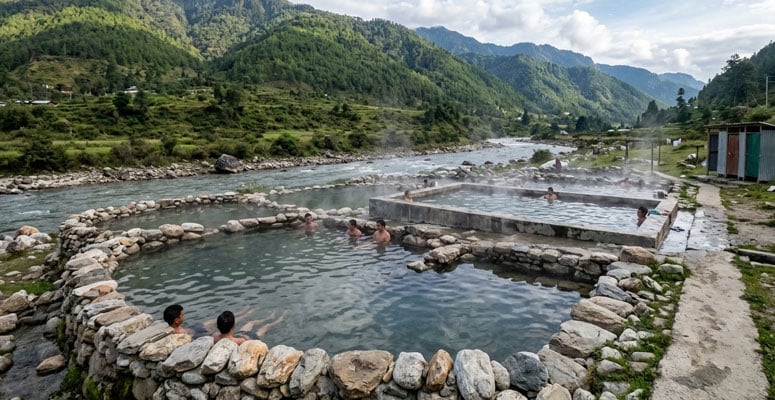
Why Visit: The hot springs are one of Dirang’s best restorative stops and help break the rhythm of long mountain driving. This is one of the easiest ways to make a Dirang stay feel slower and more restorative rather than purely transit-led.
Who It Suits: Couples, tired road trippers, slow travellers, travellers breaking the journey to or from Tawang
How Much Time Do You Need? Around 1 to 2 hours
Best Paired With: Sangti Valley for a relaxed nature day, or a lighter town-based day without too much movement
Worth Prioritising If:
You want one easy restorative stop
You are breaking a long mountain drive
You prefer low-effort experiences over dense sightseeing
Skip If:
You are expecting a major scenic landmark rather than a softer, restorative stop
Cultural and Spiritual Depth
These stops matter more when you want Dirang to feel fuller than a valley-and-hot-springs halt.
1. Dirang Monastery
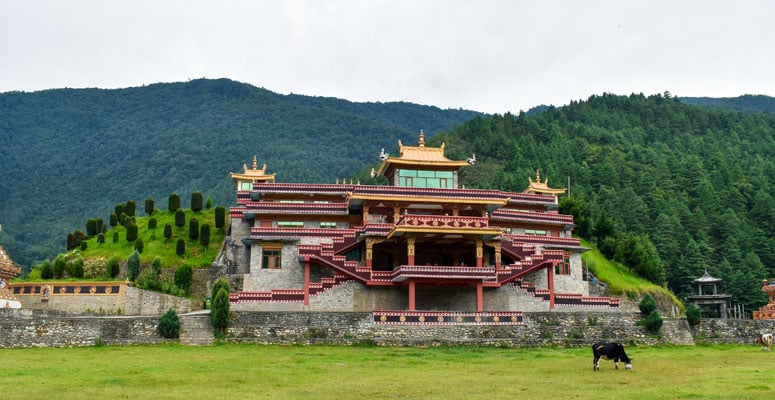
Why Visit: Dirang Monastery is the strongest monastery-led add-on within the destination. It gives the stay a quieter Buddhist layer and works best for travellers who want one spiritual stop without overloading the day.
Who It Suits: Spiritually inclined visitors, couples, culture-focused travellers
How Much Time Do You Need? Around 1 hour
Best Paired With: Dirang Dzong for a culture-led half-day
Worth Prioritising If:
You want one monastery stop without building the day entirely around monasteries
You prefer quiet spiritual spaces
You are interested in Monpa Buddhist culture
Skip If:
You are treating Dirang as only a very brief scenic halt,
you already have too many similar cultural stops packed into the same day
2. Rupa Monastery
Why Visit: Located near Rupa town, this monastery offers a quieter and less-visited spiritual experience than the better-known monasteries on the Tawang circuit.
Best For
Cultural travellers
Buddhist heritage enthusiasts
Photographers
Travellers spending two nights or more in Dirang
Time Needed: 1–2 hours
Pair It With
Rupa town exploration
Dirang Monastery
Dirang Dzong
Skip If
You only have one night, and your priority is Sangti Valley.
3. Dirang Bazaar and Local Market Area
Why Visit: While not a major sightseeing attraction, the bazaar provides one of the easiest ways to experience everyday life in Dirang.
Best For
Food explorers
Cultural travellers
Photography enthusiasts
Travellers interested in local produce
Time Needed: 30–60 minutes
Best Timing: Late afternoon or early evening
Pair It With
Dirang Monastery
Hot Springs
Evening town walk
Skip If
You are on a tight transit stop between Bomdila and Tawang.
4. Dirang Valley Walks and Riverside Views
Many visitors focus exclusively on Sangti Valley and overlook the quieter landscapes around Dirang town itself.
Short riverside walks, valley viewpoints, agricultural fields, and village roads around Dirang often provide some of the destination’s most relaxing experiences.
Best For
Morning walks
Photography
Slow travel
Travellers spending two nights
Time Needed: 30–90 minutes
Pair It With
Morning monastery visit
Bazaar exploration
Breakfast stop in town
Orchards and Softer Landscape Stops
These work best as supporting experiences rather than standalone reasons to visit.
1. Apple and Kiwi Orchards
Why Visit: Dirang’s orchards help explain why the destination feels softer and more lived-in than a typical mountain transit town. They are not major standalone sights, but they do add local texture and work well as part of a slower outing.
Who It Suits: Couples, families, scenic-drive travellers, slow travellers
How Much Time Do You Need? 30 minutes to 1 hour as part of a wider outing
Best Paired With: Sangti Valley or a light drive around Dirang
Worth Prioritising If:
You are travelling slowly
You enjoy softer landscape experiences
You want one low-effort add-on between bigger stops
Skip If:
You are trying to cover Dirang’s core sights in a limited time
Best Timing: Works better as a daytime add-on rather than a standalone stop at the edge of the day.
Longer-Stay Add-Ons
These are better once Dirang’s core sights are already covered.
1. National Yak Research and Breeding Centre Area
Why Visit: This is primarily a niche-interest stop rather than a mainstream sightseeing attraction.
Travellers interested in Himalayan pastoral culture, mountain livestock, and agricultural research may find it worthwhile.
Who It Suits: Families, curious first-time visitors, agriculture enthusiasts and travellers doing a slower regional circuit
How Much Time Do You Need? Around 30 minutes to 1 hour
Best Paired With: A broader Dirang drive rather than as a standalone stop
Worth Prioritising If:
You have extra time after covering Sangti Valley and Dirang’s core cultural sights
You want one practical local-interest add-on
Skip If:
Your Dirang stop is short
You still have core sights left uncovered
How to Structure Your Dirang Sightseeing
1. If You Have Only Half a Day
Focus on Sangti Valley and one easy complementary stop, such as Dirang Hot Springs or Dirang Dzong. Dirang works better when edited down than when overpacked.
2. If You Have One Full Day
The strongest combination is Sangti Valley first, followed by Dirang Dzong, then Dirang Monastery or Hot Springs, depending on whether you want the day to feel more cultural or more restorative.
3. If You Have 2 Days
Keep Sangti Valley and Dirang Dzong as your core, then add one monastery stop and one softer extension, such as orchards or the hot springs. This gives Dirang a fuller rhythm without turning it into a rushed checklist.
Before fixing the route, it also helps to check how to Reach Dirang so travel flow across West Kameng stays realistic.
Best Pairings for a Better Dirang Plan
For a Scenic and Restorative Half-Day: Sangti Valley + Dirang Hot Springs
For a Scenic and Cultural Half-Day: Sangti Valley + Dirang Dzong
For a Fuller 1 to 2-Day Stay: Sangti Valley + Dirang Dzong + one monastery stop + one softer add-on
Which Attractions Matter Most by Season
| Season | Highest Priority |
|---|---|
| Winter | Sangti Valley, Monasteries, Hot Springs |
| Spring | Orchards, Valley Landscapes |
| Summer | Dzong, Monasteries, Riverside Areas |
| Post-Monsoon | Sangti Valley, Photography Stops |
Route Circuits
1. Half-Day Circuit
Dirang Monastery → Dirang Dzong → Bazaar → Hot Springs
Ideal for:
Transit travellers
One-night stays
Time: 3–5 hours
2. Full-Day Scenic Circuit
Dirang Town → Sangti Valley → Orchard Belt → Riverside Stops → Monastery
Ideal for:
Photography
Couples
Slow travellers
Time: 6–8 hours
3. Two-Day Dirang Circuit
Day 1:
Dzong
Monastery
Bazaar
Hot Springs
Day 2:
Sangti Valley
Orchard Areas
Yak Centre
Local village exploration
What to Prioritise if Your Stay Is Short
If your time is limited, prioritise:
Sangti Valley for the strongest scenic payoff
Dirang Dzong for its heritage value
Dirang Hot Springs, if you want one easy restorative stop
What to Skip if Time Is Limited
If your stay is short, you can skip:
weaker peripheral add-ons before covering Dirang’s core sights
too many similar soft stops in one day
attractions from nearby towns being forced into a Dirang page
Dirang works better when reduced to its strongest experiences than when expanded into a longer but weaker checklist.
Practical Visit Guidance
Keep Dirang selective and well-paced rather than trying to make it an attraction-heavy destination.
Valley stops are more rewarding when the weather is clear and the day is not rushed.
Monastery and heritage visits work better with enough quiet time rather than as quick road-trip halts.
Add secondary stops only after Dirang’s core sights are covered.
Where to Stay for Sightseeing
Stay near Dirang town for easier access to the Dzong, Monastery, and local dining.
Choose Sangti Valley accommodation if scenery and slower pacing are the priority.
Travellers continuing to Tawang early the next morning may prefer staying closer to the highway corridor.


