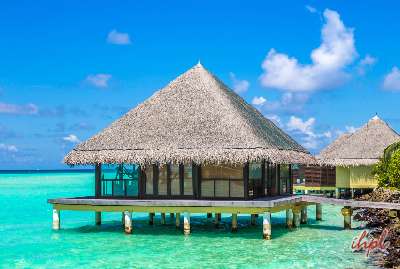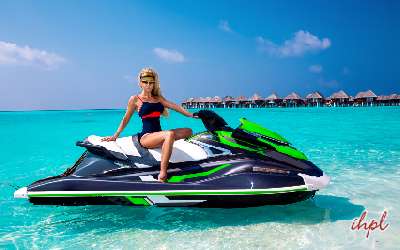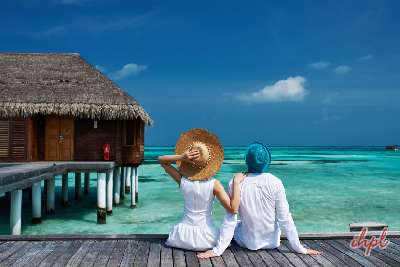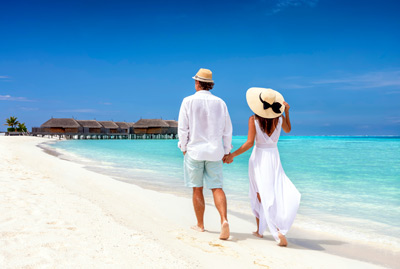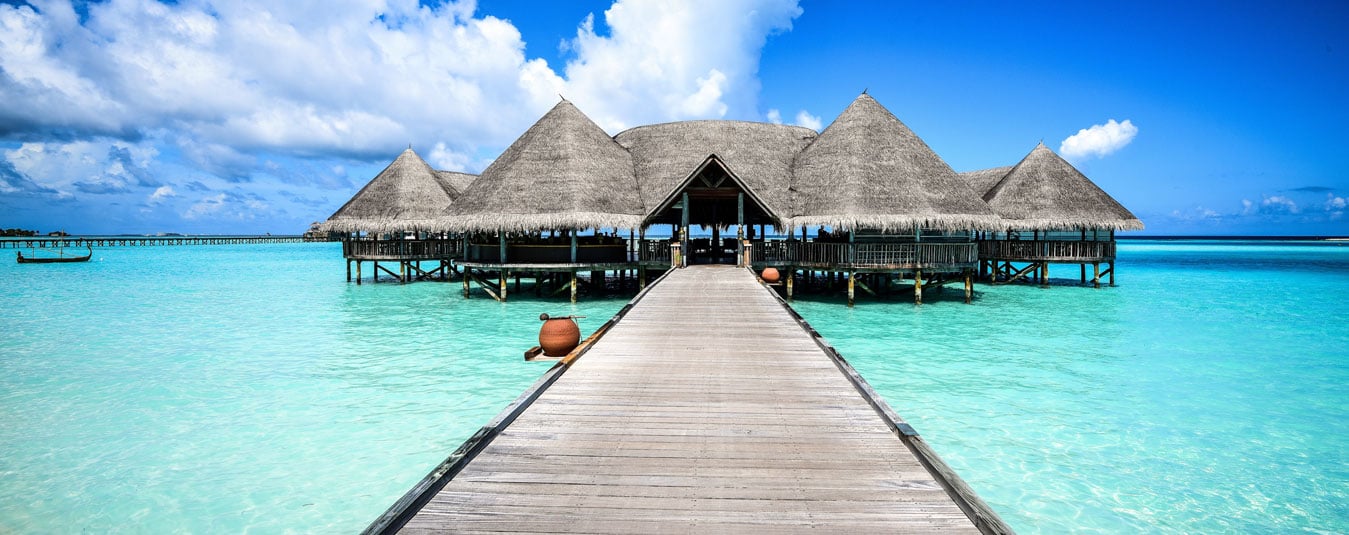
The Maldives is best explored by choosing experiences rather than trying to hop across too many islands. Unlike destinations where sightseeing revolves around monuments and cities, the Maldives is about selecting the right combination of islands, beaches, marine adventures, and resort experiences that suit your travel style.
For first-time visitors, the ideal Maldives experience usually combines Malé for culture, Maafushi for local island life, a resort island for relaxation, and one marine excursion, such as Banana Reef or Vaadhoo Island. While distances between islands may appear small on a map, transfers by speedboat, domestic flights, or seaplanes require careful planning.
This guide helps you decide which places to visit in the Maldives based on your interests, budget, and available time.
Planning Snapshot
Which Maldives Attractions Should You Prioritise?
| Attraction / Route | Best For | Time Needed | Base / Route | Effort Level | Best Paired With | Keep Short / Avoid If |
|---|---|---|---|---|---|---|
| Malé | First-time visitors, culture, markets, mosque exteriors, | Half day | Malé | Easy | Hulhumalé | You want only private-island relaxation |
| Maafushi Island | Local-island stays, excursions, value-conscious travellers | 2–3 days | Kaafu Atoll | Easy | Sandbank or snorkelling tours | Luxury-only honeymoon plan |
| Vaadhoo Island | Couples, photography | Half day/overnight | Raa Atoll | Moderate | Resort stay | Short trip or no night stay |
| Banana Reef | Diving, snorkelling, and marine life interest | Half day | North Malé Atoll | Moderate | Resort island | Non-swimmers |
| Hulhumalé | Short stays, airport-side beach, families, arrival/departure buffer | Half day | Near Malé Airport | Easy | Malé | You have direct resort transfer booked |
| Dhigurah Island | Whale shark excursions, longer local-island stay | 1–2 days | South Ari Atoll | Moderate | Snorkelling/ ethical marine trips | Very short itinerary |
| Resort Island Stay | Honeymoon and luxury, premium relaxation, spa etc. | Flexible | Various atolls | Easy | Marine activities | Value-led local-island plan |
| Alimatha Island | Resort-style beach and snorkelling experience | Half day to full day, if access allows | Vavu Atoll | Moderate | Resort stay / marine activity | transfer does not fit |
Top Places to Visit in the Maldives
1. Cultural and Urban Experiences
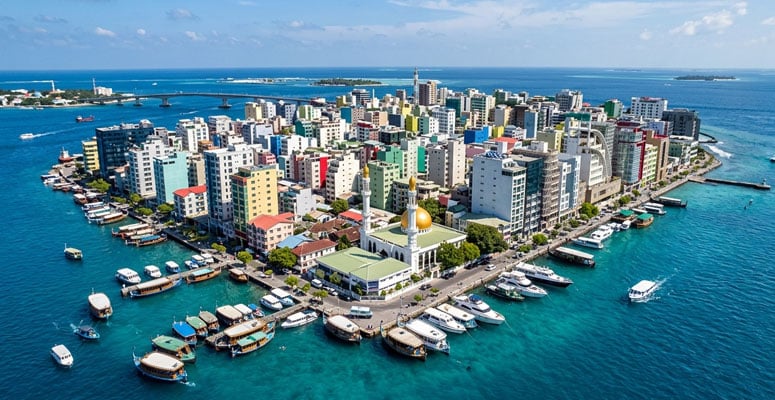
The Maldives may be famous for luxury resorts and turquoise lagoons, but its cultural attractions reveal a different side of the country. Malé and nearby urban islands showcase the Maldives’ history, Islamic heritage, traditional architecture, and contemporary island lifestyle. These attractions are best explored at a relaxed pace and often work well on arrival or departure days before heading to resort islands.
• Malé
Malé is the cultural and administrative heart of the Maldives and offers visitors a glimpse into everyday island life beyond the resorts. Local markets, museums, historic mosques, and waterfront promenades make it one of the most interesting urban experiences in the country. Although compact, Malé has enough cultural and civic landmarks for a short heritage walk.
Best for: First-time visitors, cultural travellers, and families.
Time needed: Half a day.
Best timing: Morning or late afternoon.
Pairs well with: Hulhumalé and the Grand Friday Mosque.
• Hulhumalé
Although often viewed as an extension of Malé, Hulhumalé has developed into a modern urban island with beaches, cafés, waterfront promenades, and family-friendly spaces. It offers a more relaxed atmosphere than the capital and is ideal for travellers who want a beach experience without travelling far from the airport.
Best for: Families, short stays, and relaxed beach experiences.
Time needed: 2 to 3 hours.
Best timing: Evening.
Pairs well with: Malé and Artificial Beach.
• Grand Friday Mosque (Masjid al-Sultan Muhammad Thakurufaanu)
The Grand Friday Mosque is one of Malé’s most prominent religious landmarks, recognised for its golden dome and central location. It is best treated as part of a respectful Malé heritage walk rather than a casual photo stop.
Best for: Cultural travellers, architecture enthusiasts, and first-time visitors.
Time needed: 30 to 45 minutes.
Best timing: Outside prayer hours.
Pairs well with: Malé city sightseeing and Mulee Aage.
• Hukuru Miskiy (Old Friday Mosque)
Hukuru Miskiy, also known as the Old Friday Mosque, is one of the most important heritage stops in Malé. Visit Maldives states that Hukuru Miskiy was built in 1658 and that the adjacent Munnaaru minaret, built in 1675, is among the oldest built structures in Malé today.
Best for: Heritage travellers and architecture enthusiasts.
Time needed: 30 minutes.
Best timing: Morning.
Pairs well with: Grand Friday Mosque and Mulee Aage.
• Mulee Aage
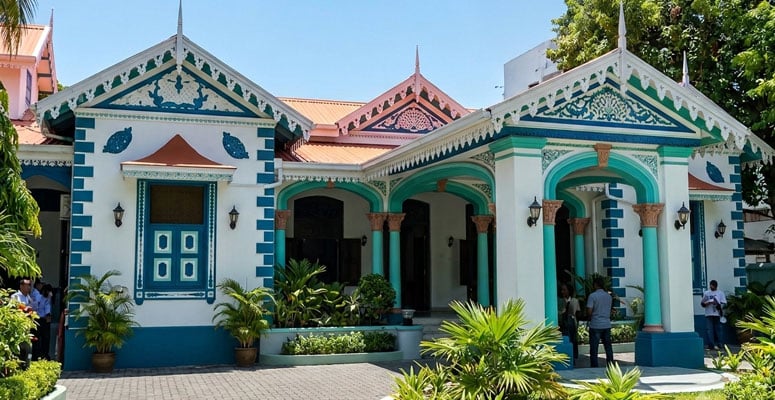
Mulee Aage, the official residence of the President of the Maldives, is one of the most notable historic buildings in Malé. Although visitors cannot enter the residence, its colonial architecture and historical significance make it an interesting stop during a heritage walk around the capital.
Best for: History enthusiasts and cultural travellers.
Time needed: 15 to 20 minutes.
Best timing: Morning or afternoon.
Pairs well with: Hukuru Miskiy and Grand Friday Mosque.
2. Beaches and Coastal Experiences
The Maldives is synonymous with white-sand beaches and crystal-clear lagoons, but not all coastal experiences are the same. Some beaches offer a lively local atmosphere, while others are known for snorkelling, sunsets, or peaceful island escapes. Choosing the right beach depends on whether you prefer relaxation, water sports, or authentic island life.
• Artificial Beach
Artificial Beach is one of the most popular urban beaches in the Maldives and offers a convenient seaside escape close to Malé. Unlike the private beaches of resort islands, it has a more local atmosphere and is popular for evening strolls and recreational activities.
Best for: Families, short stays, and evening visits.
Time needed: 1 to 2 hours.
Best timing: Late afternoon.
Pairs well with: Malé and Hulhumalé.
• Hulhumalé Beach
Hulhumalé Beach is known for its wide sandy shoreline, calm waters, and relaxed atmosphere. The beach is easily accessible from Malé and offers a quieter alternative to busier tourist areas, making it popular with families and travellers staying near the airport. Hulhumalé is useful for travellers who need a relaxed airport-side buffer before or after a resort transfer.
Best for: Families, couples, and short beach breaks.
Time needed: 2 to 3 hours.
Best timing: Sunset.
Pairs well with: Hulhumalé and Malé.
• Alimatha Island
Alimatha Island is best positioned as a resort-led beach and marine experience, not a freely accessible public island stop. It can suit couples, honeymooners and snorkellers when the stay or excursion access is arranged in advance.
Best for: Couples, honeymooners, beach lovers, and snorkellers.
Time needed: Half day to full day.
Best timing: November to April.
Pairs well with: Snorkelling excursions and resort stays.
• Guraidhoo Island
Guraidhoo Island offers a more laid-back and authentic beach experience compared to many resort islands. Its beaches, local cafés, surfing opportunities, and easy access to nearby sandbanks make it a favourite among travellers looking for local charm alongside coastal beauty.
Best for: Budget travellers, surfers, families, and slow travellers.
Time needed: Half day to one full day.
Best timing: Morning or sunset.
Pairs well with: Maafushi Island and snorkelling excursions.
3. Islands and Scenic Excursions
The Maldives is made up of hundreds of islands, but only a select few are regularly visited for their scenery, beaches, and unique experiences. Whether you are looking for bioluminescent beaches, local island life, or peaceful escapes surrounded by turquoise lagoons, these islands offer some of the country’s most memorable experiences.
• Maafushi Island
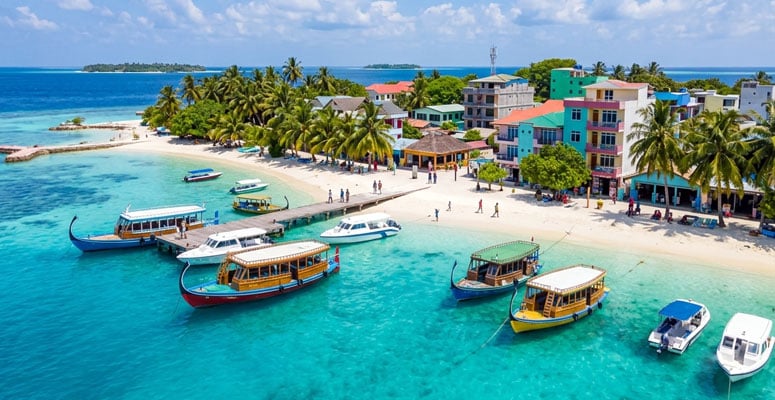
Maafushi is one of the Maldives’ best-known local islands for travellers who want guesthouses, excursion access, cafés, beaches and a more lived-in island atmosphere than a private resort. It works well for travellers who want a local-island context without giving up organised snorkelling, sandbank or marine excursions.
Best for: Budget travellers, couples, and families.
Time needed: 2 to 3 days.
Best timing: November to April.
Pairs well with: Sandbank tours and snorkelling excursions.
• Vaadhoo Island
Vaadhoo Island is famous for the natural phenomenon known as the “Sea of Stars,” where bioluminescent plankton create a glowing blue effect along the shoreline at night. While the phenomenon is seasonal and weather-dependent, the island remains one of the most distinctive places to visit in the Maldives.
Best for: Couples, honeymooners, and photographers.
Time needed: Half day to overnight.
Best timing: Best attempted on darker nights with low light pollution, but sightings remain unpredictable.
Pairs well with: Resort stays and island hopping.
• Dhigurah Island
Dhigurah is known for its long sandy beach, relaxed atmosphere, and opportunities to spot whale sharks and manta rays. The island appeals to travellers who enjoy marine life, quieter surroundings, and slower-paced holidays.
Best for: Nature lovers, couples, and marine enthusiasts.
Time needed: 1 to 2 days.
Best timing: November to April.
Pairs well with: Whale shark excursions and snorkelling.
4. Marine Experiences and Diving
Marine experiences are one of the strongest reasons to visit the Maldives. From beginner-friendly snorkelling lagoons to world-famous dive sites, the underwater world here is often as memorable as the beaches themselves. Many travellers consider diving and snorkelling to be the highlight of their Maldives holiday.
• Banana Reef
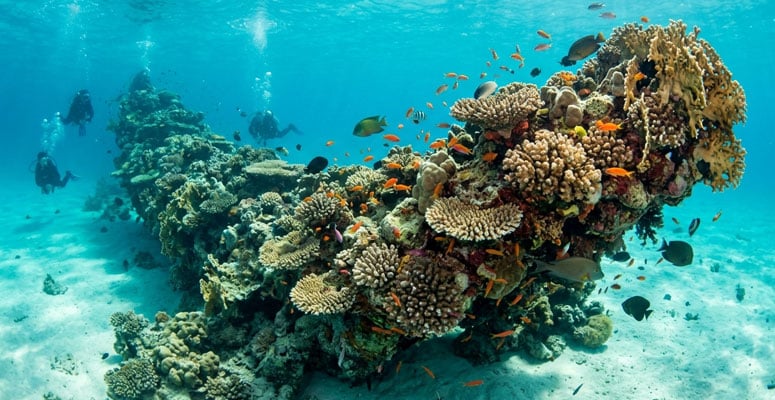
Banana Reef is one of the oldest and most famous dive sites in the Maldives. Known for colourful coral formations, reef sharks, caves, and abundant marine life, it attracts both beginners and experienced divers.
Best for: Divers, snorkellers, and marine enthusiasts.
Time needed: Half day.
Best timing: November to April.
Pairs well with: Resort island stays.
• Whale Shark Excursions
Whale shark excursions are among the most exciting marine experiences in the Maldives. These tours offer travellers the chance to observe the world’s largest fish in its natural habitat, particularly around the South Ari Atoll region.
Best for: Nature lovers, photographers, and adventure travellers.
Time needed: Half day.
Best timing: Throughout the year, depending on local conditions.
Pairs well with: Dhigurah Island and snorkelling tours.
• Snorkelling Experiences
The Maldives offers exceptional snorkelling opportunities with colourful reefs, tropical fish, rays, and calm lagoons spread across many islands and atolls. Even first-time snorkellers can enjoy underwater experiences close to the shore.
Best for: Families, beginners, and marine enthusiasts.
Time needed: 1 to 2 hours or longer.
Best timing: Calm weather and clear water conditions.
Pairs well with: Maafushi, Alimatha Island, and resort stays.
How to Plan Your Maldives Sightseeing
The Maldives is not a destination where your experience is usually more rewarding when you choose a few carefully selected places that match your travel style. A common mistake is changing islands too frequently and spending more time on transfers than enjoying the beaches, lagoons, and marine experiences.
For most travellers, a combination of one local island, one resort island, and one marine or island excursion creates a balanced itinerary. Honeymooners often prefer luxury resorts with private beaches, while families and budget travellers may enjoy local islands such as Maafushi, combined with day trips and snorkelling tours.
Suggested Route Circuits
1. Malé and Hulhumalé Introduction Circuit
Route: Malé → Sultan Park → Old Friday Mosque → Fish Market → Hulhumalé Beach
Best for: First-time visitors, short stays, and cultural travellers.
Time needed: Half a day.
Why it works: This route introduces travellers to the history and everyday life of the Maldives before they continue to beaches or resort islands. Malé provides cultural context, while Hulhumalé offers a more relaxed beach atmosphere close to the airport.
2. Maafushi Island Experience
Route: Malé → Speedboat to Maafushi → Bikini Beach → Snorkelling → Sandbank excursion
Best for: Budget travellers, couples, and families.
Time needed: 2 to 3 days.
Why it works: Maafushi combines beaches, snorkelling, local culture, and affordable accommodation. It is one of the easiest local islands to enjoy a wide range of Maldivian experiences without staying at a luxury resort.
3. Luxury Resort and Marine Circuit
Route: Resort Island → Banana Reef → Snorkelling or Diving → Sunset cruise
Best for: Honeymooners, luxury travellers, and marine enthusiasts.
Time needed: 3 to 4 days.
Why it works: The Maldives is one of the world’s most sought-after luxury destinations, and this route focuses on relaxation while including underwater experiences at Banana Reef and nearby lagoons.
4. Vaadhoo Island and Sea of Stars Circuit
Route: Resort or Local Island → Vaadhoo Island → Bioluminescent Beach Experience
Best for: Couples, photographers, and honeymooners.
Time needed: Half day to overnight.
Why it works: Vaadhoo is famous for the “Sea of Stars,” where waves appear to glow blue because of bioluminescent plankton. It is one of the most unique natural experiences in the Maldives.
5. Dhigurah Marine Adventure Circuit
Route: Malé → Dhigurah Island → Whale Shark Excursion → Sandbank → Snorkelling
Best for: Nature lovers, marine enthusiasts, and slow travellers.
Time needed: 2 days.
Why it works: Dhigurah offers beautiful beaches and is one of the best places in the Maldives for whale shark and manta ray excursions.
6. Balanced 5–7 Day Maldives Route Layer
Route logic: Malé + Local Island + Resort Island + Marine Excursion
Best for: First-time visitors who want a complete Maldives experience.
Maldives Travel Etiquette and Safety Notes
- Maldives is a Muslim-majority country; modest dress is expected on inhabited islands and at religious/cultural sites.
- Mosque visits should be planned outside prayer hours, with respectful clothing and behaviour.
- Bikini swimwear is usually limited to designated bikini beaches on local islands and private resort islands.
- Alcohol is generally available on resort islands but not on inhabited local islands.
- Marine excursions should follow operator safety rules, life-jacket guidance and conservation practices.
- Do not market reef or whale shark encounters as guaranteed.
Maldives Sightseeing Mistakes to Avoid
- Changing islands every day and spending too much time on transfers.
- Choosing a resort without checking transfer costs and timings.
- Planning only luxury resorts and missing local island experiences such as Maafushi.
- Visiting Vaadhoo Island expecting guaranteed bioluminescence.
- Packing every day with activities and leaving no time for beaches and relaxation.
- Ignoring weather conditions while booking seaplane or speedboat transfers.
- Treating Malé as just an airport stop and overlooking its cultural attractions.
A better approach is to choose one local island, one resort island, and one marine experience that matches your interests.
Seasonal Planning Insight
- November to April is usually considered the best period to visit the Maldives. The weather is drier, skies are clearer, and marine activities such as snorkelling, diving, and island excursions are more comfortable. However, this is also a high-demand period for resort stays, honeymoon travel and premium island bookings.
- May to October brings the monsoon season. The islands remain beautiful, and prices are often lower, but rainfall and rougher seas can occasionally affect excursions and transfers.
| Season | Best For | Planning Reality |
|---|---|---|
| November to April | Honeymoons and beach holidays, first-time visitors, clearer weather | High demand; book resorts and transfers early |
| January to April | Diving, snorkelling, and island hopping | One of the best periods to visit |
| May to October | Flexible resort stays, quieter periods, value-conscious travellers | Rain and sea conditions can affect excursions and transfers |
| Year-round | Luxury resort stays | Weather can vary between atolls |
| Darker moon nights | Bioluminescence attempts in places like Vaadhoo | Natural phenomenon; never guaranteed |
| Family holidays | Shorter transfers and resort facilities | Check villa safety, child policy and medical support |
| Marine excursions | Diving, snorkelling, whale shark/manta trips | Use ethical operators; sightings depend on nature |
Tips for a Comfortable Visit
- Choose islands based on your travel style rather than popularity alone.
- Keep arrival and departure days relatively relaxed because transfer schedules may vary.
- Carry lightweight clothing and sun protection throughout the year.
- Book marine excursions through licensed operators.
- Keep a waterproof pouch for phones and cameras during boat trips.
- Honeymooners may prefer resort islands, while families often enjoy local islands with more activities.
- Do not underestimate transfer times between islands.
Plan Your Maldives Route
Planning the Maldives? The right route depends on your travel month, number of days, budget, and whether you prefer local islands, luxury resorts, diving, beaches, or marine adventures.
IndianHoliday’s Maldives specialists can help you plan island stays, resort transfers, snorkelling experiences, and marine excursions so that your trip remains comfortable without becoming rushed.
Share these details before finalising your route:
- Travel month
- Number of days
- Traveller age profile
- Interest: beaches, luxury resorts, diving, snorkelling, photography, or local culture
- Route preference: Local island, resort island, or mixed itinerary
- Need for seaplane or speedboat transfers
- Comfort with island hopping
- Whether Maldives is part of a wider international itinerary