
Ladakh is best explored through well-defined sightseeing circuits that connect its most iconic attractions across vast high-altitude terrain. From the crystal-blue waters of Pangong Lake and the sand dunes of Nubra Valley to the rugged beauty of Zanskar and the spiritual aura of monasteries like Hemis and Thiksey, each region offers a distinct travel experience.
These attractions are often covered in route-based journeys such as Leh–Nubra–Pangong or Leh–Zanskar circuits, making planning easier and more structured. This guide helps you understand Ladakh’s key tourist attractions, how they are geographically connected, and how to plan an efficient sightseeing itinerary across the region.
Top Tourist Attractions in Ladakh
Ladakh’s sightseeing experience is best understood through its key regions and attraction clusters. Each area offers a different landscape, cultural influence, and travel experience, making it easier for travellers to plan route-wise exploration.
Natural Attractions in Ladakh
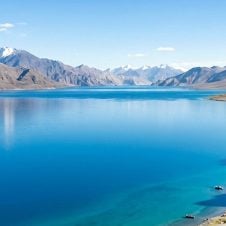
Pangong Lake
Pangong is best planned as a 1-night trip from Leh (a day trip is not practical due to the distance). It is usually visited via the Leh → Chang La → Pangong → return route, or included after Nubra in a loop. Most travellers visit it only after 2 days of acclimatisation in Leh because the route crosses the Chang La Pass (a high-altitude pass). It works best as part of a Nubra + Pangong circuit (4–5 days total) rather than a standalone visit.
Nubra Valley
Nubra is a mandatory 2-day circuit stop and is usually the first major destination after Leh. It is accessed via Khardung La or the Shyok route (weather-dependent). Typical plan includes:
- Day 1: Leh → Diskit → Hunder (overnight)
- Day 2: Hunder → Panamik → return to Leh OR continue to Pangong via Shyok Nubra is the key connector in the classic Ladakh loop (Leh–Nubra–Pangong) and works best when paired with both desert and lake experiences in one itinerary.
Tso Moriri Lake
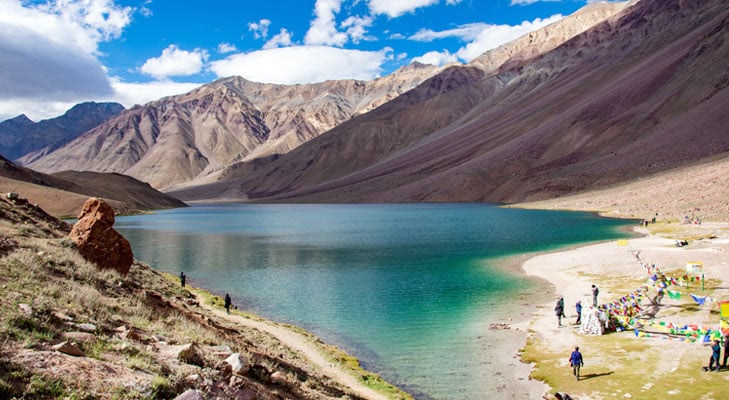
Tso Moriri is best planned as a 2–3 day circuit from Leh and works well as a quieter alternative to Pangong Lake, but requires careful routing due to its remote location. The most common approach is via the Leh–Chumathang–Korzok (Tso Moriri) route, with an overnight stay near the lake at Korzok village. It can also be combined with Tso Kar and the Changthang region as part of a longer southern Ladakh loop, depending on time and road conditions. Unlike Pangong, Tso Moriri has limited accommodation and fuel options, so it must be planned after proper acclimatisation in Leh with pre-arranged stays and a return fuel strategy.
Zanskar Valley
Zanskar Valley is best planned as a standalone long-duration circuit of around 5–7+ days and should not be combined with standard Leh–Nubra–Pangong itineraries due to its remote location and challenging road connectivity. It is primarily accessed via the seasonal Kargil–Padum route in summer or the more adventurous Manali–Darcha–Padum route, which remains open only for a limited period.
Since travel distances are long and road conditions can be unpredictable, buffer days are essential. The circuit is typically structured around key stops such as Rangdum and Padum, making it more suitable as an independent expedition rather than a short extension.
Cultural & Spiritual Attractions
Hemis Monastery
One of the most important monasteries in Ladakh, Hemis is usually visited as part of the Leh–Hemis–Thiksey–Shey day circuit. It fits best in a half-day plan from Leh and is often scheduled early in the trip due to its cultural significance and festival timings (Hemis Festival season, if applicable).
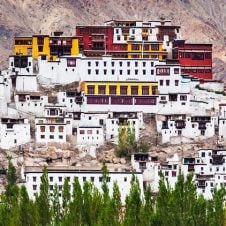
Thiksey Monastery
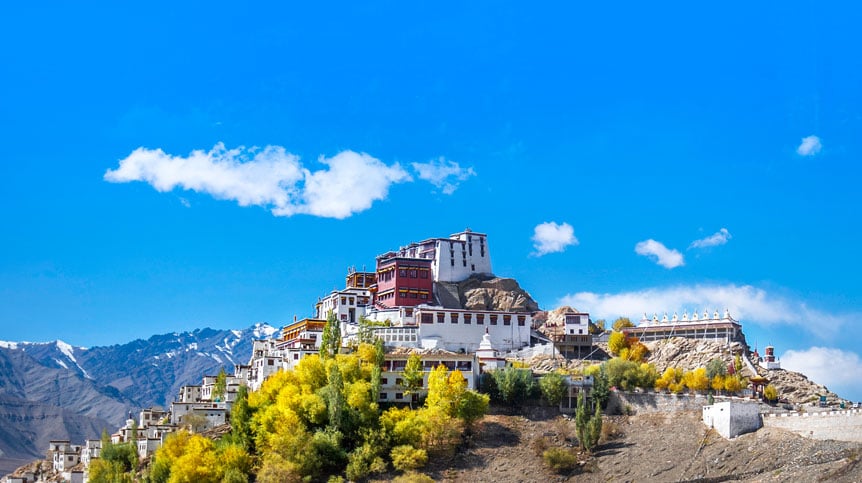
Thiksey is commonly included in the Leh local sightseeing loop, along with Shey Palace and Hemis. It is strategically located on the Leh–Manali highway, making it easy to combine with airport arrival or departure days. You can allocate 30–60 minutes here as a mid-stop viewpoint and monastery visit.
This works well as a single circuit because these monasteries are located along the same accessible stretch, reducing travel backtracking while allowing time-efficient cultural exploration. Such experiences can be planned with the Ancient Monasteries Tour. It is ideal for travellers interested in Ladakh’s Buddhist heritage who want a short, sightseeing plan focused on monasteries and cultural landmarks.
Shanti Stupa
Shanti Stupa is best visited either early morning or sunset from Leh town, as it sits on a hilltop overlooking the entire valley. It is typically part of a short evening circuit with Leh Market, requiring minimal travel time. Since it is close to Leh, it does not require a dedicated day.
Diskit Monastery
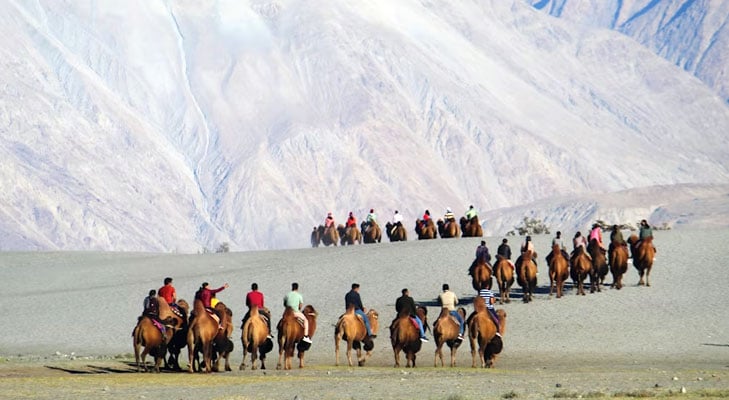
Diskit is planned within the Nubra Valley circuit (2–3 days from Leh) and is usually visited en route to Hunder or Panamik. It is best combined with the dunes and camel safari experience, as it sits on the same travel route. The monastery is not visited separately but as part of the full Nubra itinerary loop.
Adventure & High-Altitude Routes
Khardung La Pass
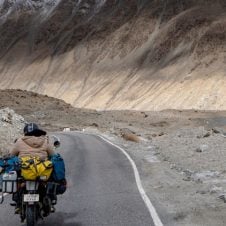
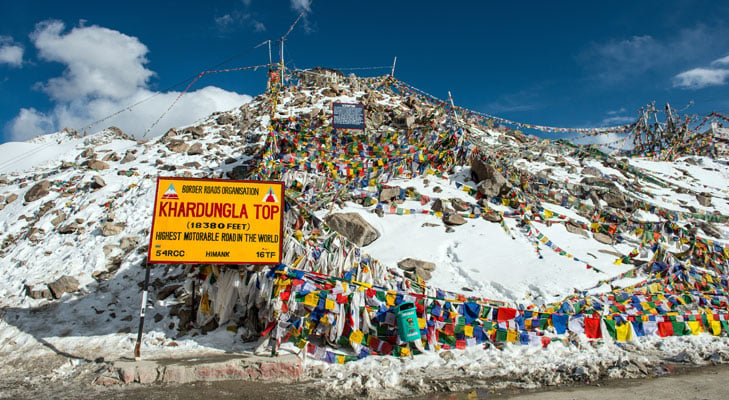
This is the main access route for the Leh–Nubra Valley circuit and is typically crossed on Day 2 or 3 of most Ladakh itineraries after acclimatisation in Leh. It is not a sightseeing stop but a transit point, so travellers usually spend a short break for photos and then continue towards Diskit or Hunder. Weather and snow conditions can affect timing, so morning crossings are preferred.
Chang La Pass
Chang La is the primary route connecting Leh to Pangong Lake, usually covered in a full-day journey. It is part of the standard Leh–Pangong overnight itinerary, and travel is often scheduled early in the morning to avoid weather disruption. Since road conditions can change quickly, this route requires flexible timing and an overnight stay at Pangong or return to Leh, depending on the plan. This stretch is also part of the Ladakh Adventure Tour, designed for travellers who want to combine high-altitude passes, unpredictable mountain roads, and iconic landscapes into a single structured experience.
Umling La Pass
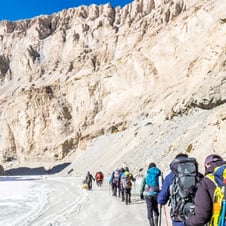
Umling La is a highly remote high-altitude route in the Chumathang–Hanle region, typically included only in specialized adventure itineraries of 3–5 days from Leh as an extension of the Changthang circuit. It is not part of regular sightseeing plans and requires special permits, fuel planning, and strong acclimatisation due to extreme altitude and isolation.
Zanskar River
Zanskar River rafting is usually planned as part of a day activity near Nimmu–Phey (Leh region) or in an extended itinerary involving Zanskar Valley. It is seasonal (summer months only) and is best scheduled as a half-day adventure within a Leh-based stay rather than a separate destination. The activity is commonly added before or after Nubra/Pangong trips, depending on itinerary flow.
Unique Experiences & Landmarks
Magnetic Hill
Magnetic Hill is usually visited as a quick stop on the Leh–Kargil highway (towards Gurudwara Pathar Sahib and Sangam Point). It is included in the Leh local sightseeing circuit (half-day plan) and works best when combined with nearby attractions like the Indus–Zanskar confluence. No separate time allocation is required beyond a short stop. It is often experienced as part of the Ladakh Culture Tour, which connects natural curiosities with nearby heritage and spiritual landmarks for a more contextual understanding of the region.
Hall of Fame
The Hall of Fame is part of the Leh local sightseeing loop, typically covered on the first or last day of the itinerary. It is located close to the Leh airport road, making it convenient for arrival or departure-day visits. Most travellers spend 1–2 hours here as part of a combined museum + nearby site circuit.
Nubra Sand Dunes
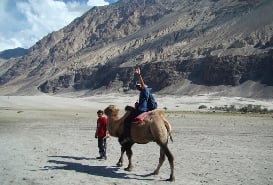
The sand dunes at Hunder are part of the Nubra Valley circuit (2–3 days from Leh) and are not visited independently. They are usually scheduled in the evening after arriving in Nubra, along with camel safari experiences. This stop is always integrated into the Nubra overnight itinerary.
Lamayuru Moonland
Lamayuru is included in the Leh–Kargil highway circuit (1-day drive route or Zanskar extension route) and is typically visited en route rather than as a destination stay. It is often combined with Lamayuru Monastery and nearby viewpoints during travel between Leh and Kargil or as part of a longer Zanskar-bound journey.
Wildlife & Natural Reserves
Changthang Wildlife Sanctuary
Changthang Wildlife Sanctuary is best explored as part of the Pangong–Hanle–Tso Moriri circuit (3–6 days from Leh) rather than a standalone visit due to its remote high-altitude location.
It is accessed via long scenic routes from Pangong or Tso Moriri, with limited facilities en route, so proper fuel and overnight planning are essential.
Suggested Sightseeing Circuits in Ladakh
Leh Local Circuit
- Short-distance sightseeing around Leh town
- Suitable for arrival or departure day
- Focus on easy access points without long travel
Pangong Route Circuit
- Overnight travel-based circuit from Leh
- Built around reaching a high-altitude lake destination
- Includes structured outbound and return journey
Nubra Valley Circuit
- Multi-stop valley exploration route
- Combines varied landscapes in a single travel loop
- Designed for a continuous journey before returning or extending
Zanskar Region Circuit
- Long-duration expedition-style route
- Involves extended travel through remote terrain
- Planned with multiple halts in isolated settlements
How to Plan Your Ladakh Sightseeing Itinerary
- Use Leh as the base for the entire trip, as all major routes start and return here, and medical/fuel access is concentrated in this town.
- Keep the first 48 hours only for acclimatisation and short local movement, since most high-altitude routes require altitude adjustment before travel.
- Plan travel in route clusters (Leh–Nubra–Pangong, Leh–Tso Moriri, Leh–Kargil–Zanskar) instead of individual point visits to avoid long backtracking
- Schedule overnight stays in remote destinations rather than day trips, especially for Pangong, Nubra, Tso Moriri, and Zanskar routes.
- Add buffer days (at least 1 per circuit) because road closures, weather changes, or delays are common in high-altitude regions.
- Check road accessibility by season before confirming Zanskar, Umling La, or high-pass routes, as many remain closed outside summer months
- Avoid planning more than one long-distance circuit on consecutive days, as altitude and travel fatigue significantly affect safety and comfort.
- Ensure fuel, cash, and basic supplies are topped up in Leh before starting remote circuits, since availability is limited outside major towns.
Plan Your Ladakh Journey
If you are planning a structured Ladakh trip, these curated itineraries help you cover major valleys, lakes, monasteries, and high-altitude routes in a planned flow without handling individual route logistics.
Each plan is designed around different travel durations and coverage levels, from standard sightseeing to extended circuit exploration.