
Ladakh’s lakes are best experienced as part of long overland journeys rather than quick sightseeing stops. For most first-time travellers, Pangong Tso delivers the strongest visual experience, while Tso Moriri and Tsokar suit slower, more remote circuits across the Changthang plateau.
The real appeal lies not just in the lakes themselves, but in the changing terrain between them — high mountain passes, cold desert valleys, nomadic settlements, and isolated stretches where the landscape gradually opens into vast high-altitude water bodies.
Travellers with limited time are usually better off focusing on one or two major lake regions instead of attempting every lake in a rushed itinerary. Those planning longer journeys can combine Pangong, Nubra, Tso Moriri, and Tsokar into a wider Ladakh circuit with overnight stays near the lakes themselves.
This guide helps you understand the most famous lakes in Ladakh, what makes each one unique, and how to plan a realistic lake circuit based on time and travel style.
Quick Planning Snapshot
- 1–2 days: Only cover Pangong Lake or nearby short routes from Leh
- 3–5 days: Add a combination of Pangong, Tso Moriri, and Tsokar
Iconic Ladakh Lakes You Should Prioritise in Your Itinerary
1. Pangong Circuit Lakes
Pangong Tso
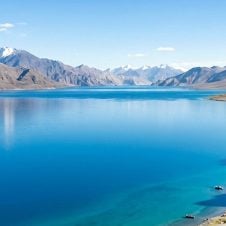
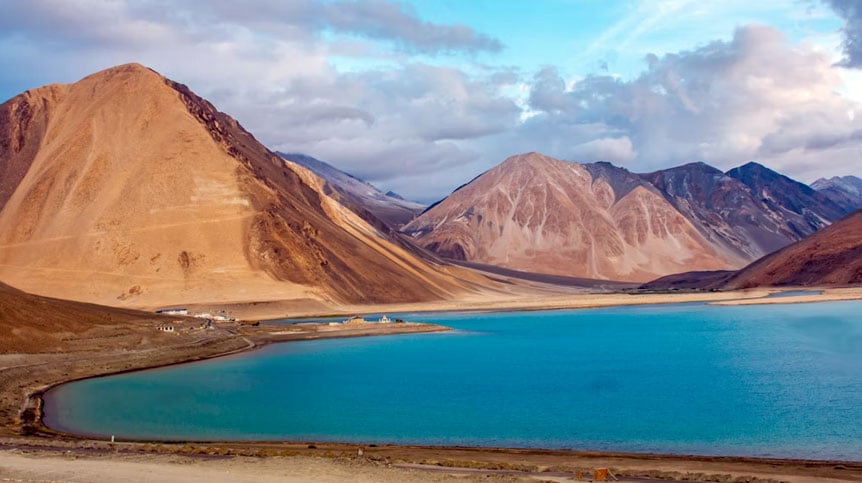
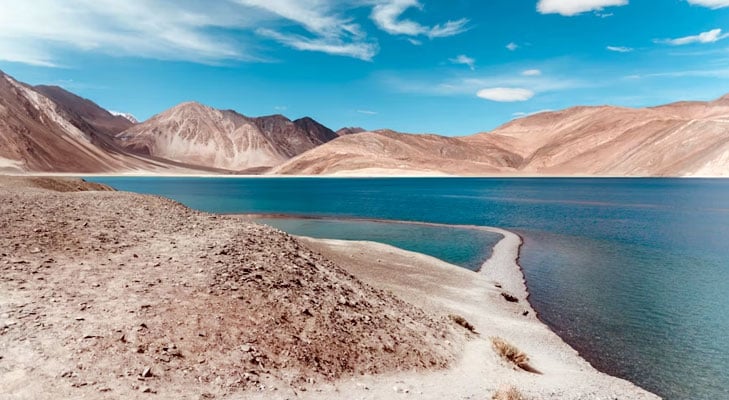
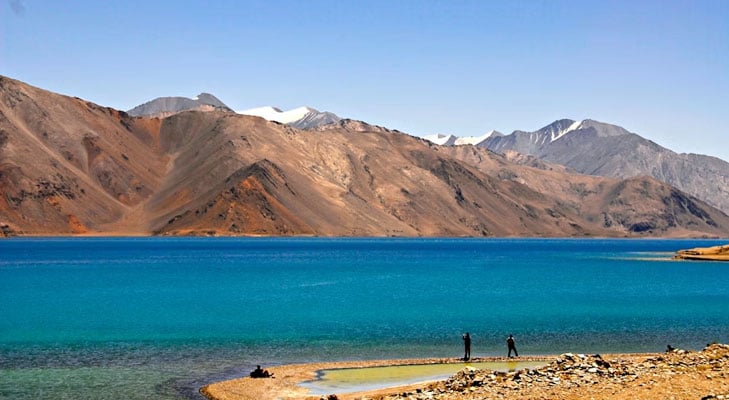
Pangong Tso is the most visited and instantly recognisable lake in Ladakh, known for its long stretch of deep blue water surrounded by barren mountains. The appeal here is visual impact, wide open views, shifting colours through the day, and dramatic reflections that make it ideal for photography. It is also the busiest, so the experience can vary depending on timing and season.
Chagar Tso
Chagar Tso lies near the Pangong route and is often overlooked in favour of its more famous neighbour. This makes it quieter and more peaceful, with fewer visitors stopping here. The lake is also known for bird sightings during certain seasons, adding a subtle wildlife element to the experience. It works well as a short stop when travelling between major lake destinations.
2. Changthang & Rupshu Lakes
Tso Moriri
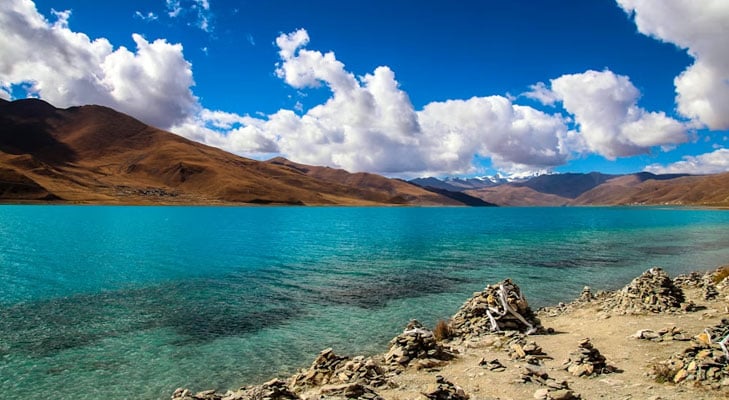
Tso Moriri offers a more peaceful and less commercial alternative to Pangong. Set in a high-altitude wetland region, it feels more remote and untouched, with fewer tourists and wider open landscapes.
This lake is better suited for travellers who want slower travel, quiet surroundings, and a deeper connection with the region’s natural setting.
Tsokar Lake
Tsokar is a smaller saltwater lake that stands out for its raw, rugged environment and birdlife. Unlike the more popular lakes, it feels isolated and less structured for tourism, which adds to its appeal for offbeat travellers. It works best as part of a longer circuit rather than a standalone stop.
Mirpal Tso
Mirpal Tso is one of the quieter lakes in Ladakh, known for its calm atmosphere and minimal tourist presence. The surroundings are simple and open, making it suitable for travellers who prefer uncrowded, reflective stops rather than busy sightseeing points.
Mirpal Tso is best experienced as part of a broader Changthang route rather than an independent lake destination. Travellers interested in quieter landscapes and minimal tourist presence often appreciate it more than visitors expecting Pangong-style dramatic scenery.
Kiagar Tso
Kiagar Tso is a small brackish lake in the Rupshu Valley region, usually experienced while travelling between Tso Moriri and Tsokar. Unlike Pangong’s dramatic scale, Kiagar feels quieter and more intimate, with open grasslands and mountain-backed wetlands that attract occasional birdlife.
It works best as a short photography or landscape stop rather than a standalone destination, especially for travellers already covering the Changthang plateau circuit.
Startsapuk Tso
Startsapuk Tso is a smaller high-altitude lake often crossed during remote Changthang and Tso Moriri-side journeys. While not a primary sightseeing stop, it adds variety to long road circuits through Ladakh’s wetland and plateau regions.
3. Offbeat and Expedition Lakes
Lang Tso & Stat Tso
These twin lakes are located close to each other and are best experienced together as part of a longer route. Set at a very high altitude near the Zanskar region, they offer a stark, almost surreal landscape with minimal human presence. The experience here is less about sightseeing and more about isolation, raw terrain, and open mountain silence. They are best suited for travellers on extended road trips who want to move beyond the popular lake circuit, and can be explored as part of the Journey to Ladakh tour.
Kyun Tso Twin Lakes
Located in remote Changthang terrain, the Kyun Tso twin lakes are among Ladakh’s least-visited high-altitude water bodies. Their appeal lies in complete isolation, changing mineral colours, and the sense of remoteness rather than tourism infrastructure. These lakes are suited only for extended overland journeys with experienced drivers and proper acclimatisation.
Yarab Tso
Yarab Tso near Sumur in Nubra Valley is one of Ladakh’s smaller sacred lakes and feels very different from the large open high-altitude lakes of Changthang. Reached via a short uphill walk, it suits travellers interested in quieter monastery-linked landscapes rather than dramatic road-trip scenery.
It works well as a cultural stop while exploring Nubra Valley rather than as part of the main lake circuit.
Wildlife & Wetland Experience Around Ladakh Lakes
Several lakes in Ladakh are part of fragile high-altitude wetland ecosystems, particularly around the Changthang plateau. Tso Moriri and Tsokar are especially important for migratory birds, including black-necked cranes, bar-headed geese, and Brahminy ducks during warmer months.
Travellers interested in birdwatching or quieter nature-focused journeys often find the Tso Moriri–Tsokar region more rewarding than the busier Pangong route.
Which Ladakh Lake Suits Your Travel Style?
| Lake | Best For | Atmosphere | Time Needed |
|---|---|---|---|
| Pangong | First-time visitors | Dramatic & popular | 1–2 days |
| Tso Moriri | Slow travel & quiet landscapes | Remote & peaceful | 2 days |
| Tsokar | Birdlife & offbeat travel | Rugged & isolated | Half day–1 day |
| Yarab Tso | Cultural Nubra stop | Sacred & quiet | 1–2 hours |
| Kyun Tso | Expedition travellers | Extreme isolation | Extended route only |
Best Time to Visit Ladakh Lakes
The experience of Ladakh’s lakes changes sharply with seasons, so timing plays a major role in planning.
May to September (Best season): July and August offer the easiest road access, while September usually provides clearer skies, thinner crowds, and stronger landscape photography conditions.
October to November: Winter journeys are suited mainly for extreme cold-weather travel and frozen-lake experiences rather than standard sightseeing.
December to March (Winter): Most lakes are frozen, and access is highly restricted. This period is only suitable for extreme winter travel experiences and not standard sightseeing.
April (Transition period): Early thaw begins, but many routes are still unstable or partially closed.
Key takeaway: Summer months (June–August) offer the most complete lake experience, while shoulder months are better for quieter travel but with limited access.
How to Plan a Ladakh Lakes Route
Ladakh lakes are spread across large distances, so grouping them is essential for a realistic itinerary.
Pangong-focused circuit: Ideal for first-time visitors who are looking for the most iconic experience without overextending travel time. Overnight stays near Spangmik or Lukung usually create a much stronger experience than same-day returns from Leh, especially for sunrise, stargazing, and early-morning photography before tourist traffic increases.
Pangong + Nubra combination: Adds variety with desert landscapes and mountain passes, balancing lake views with valley terrain.
Tso Moriri + Tsokar circuit: Best for offbeat travellers who prefer quieter routes and fewer crowds. Travellers covering Tso Moriri often combine the route with Hanle for observatory landscapes, remote plateau driving, and darker night skies.
Extended lake loop (all major lakes): Suitable only for longer trips, as travel times between lakes are significant and require multiple overnight stops.
Route Logic
4–5 Day Circuit: Leh → Nubra → Pangong → Leh
6–8 Day Circuit: Leh → Nubra → Pangong → Hanle → Tso Moriri → Tsokar → Leh
Slow Travel Circuit: Leh → Tso Moriri (2 nights) → Tsokar → Leh
Photography-Focused Route: September Pangong + Hanle + Tso Moriri combination
Important Travel Realities: Distances in Ladakh can appear manageable on maps but often involve slow driving conditions, high-altitude fatigue, weather shifts, and limited facilities between regions. Travellers attempting Pangong, Hanle, Tso Moriri, and Nubra in one short itinerary often underestimate travel time and acclimatisation needs.
Travel Tips for Ladakh Lakes
Acclimatisation is essential due to the high altitude; avoid rushing into lake circuits immediately after arrival in Leh.
Distances between lakes are long, so factor in travel time instead of just kilometres.
Carry warm layers even in summer, as temperatures drop quickly near water bodies.
Network connectivity is limited around most lakes.
Start journeys early in the day to avoid weather changes and road delays.