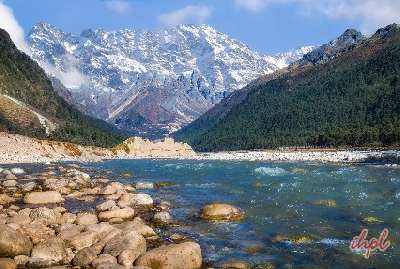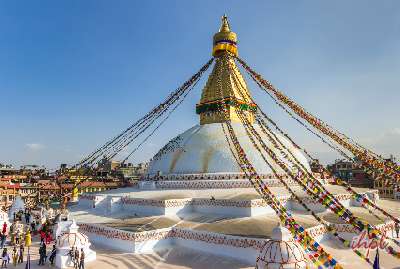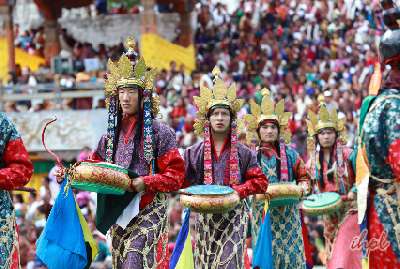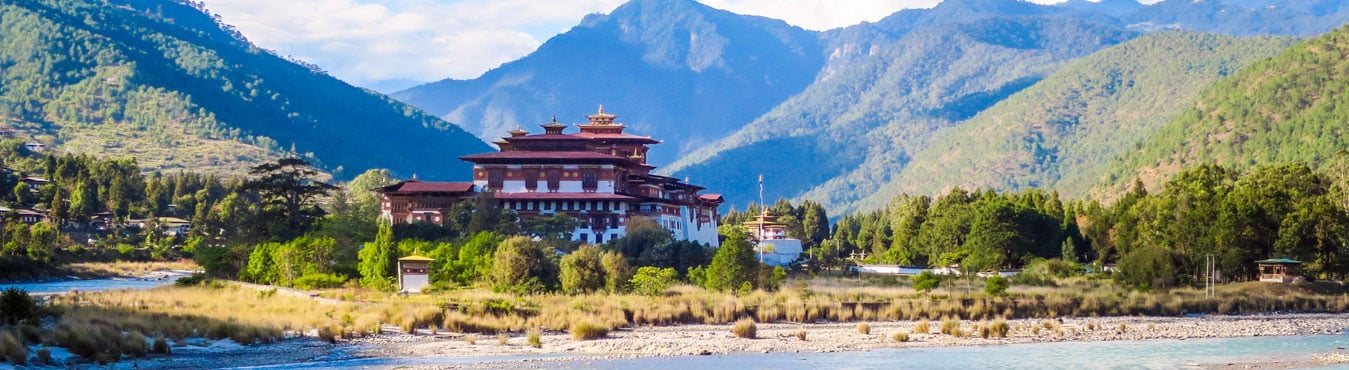
Bhutan is a destination known for its stunning mountain scenery, ancient monasteries, peaceful valleys and deeply rooted cultural traditions. Nestled between India and China, the country offers travellers a chance to experience breathtaking landscapes alongside a way of life that places great importance on culture, spirituality and environmental preservation.
Unlike many destinations that focus on fast-paced tourism, Bhutan encourages visitors to slow down and appreciate not only the stunning scenery but also its cultural heritage. From cliffside monasteries and historic fortresses to scenic valleys and mountain passes, the country offers a variety of attractions that appeal to nature lovers, photographers, cultural explorers and adventure travellers.
This guide highlights the best places to visit in Bhutan and what makes each destination worth including in your itinerary.
Planning Bhutan at a Glance
Bhutan rewards slow travel more than checklist sightseeing. Most first-time visitors spend 5–7 days covering Paro, Thimphu and Punakha, while travellers with 8–10 days can include Phobjikha Valley, Gangtey and Bumthang for a deeper cultural experience.
If your goal is iconic landmarks, prioritise Paro and Punakha. If you are interested in monasteries, festivals and Bhutanese heritage, add Bumthang. Nature lovers and photographers should consider the Phobjikha Valley, Gangtey, and the Haa Valley.
Most journeys involve mountain roads, so travellers should allow sufficient time between destinations rather than trying to cover too many places in a short trip.
Why Visit Bhutan
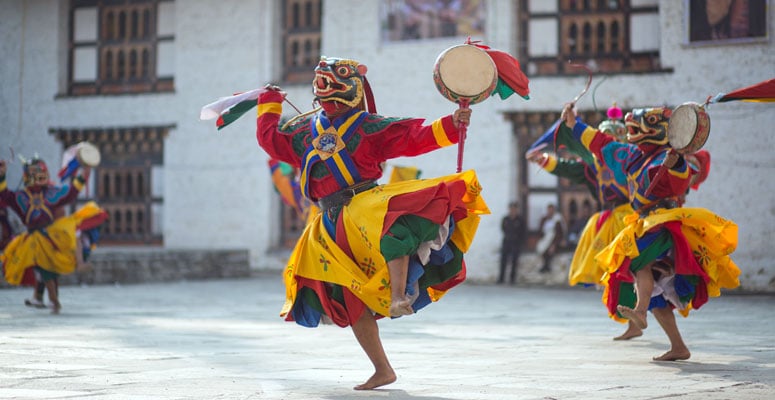
Bhutan stands apart from many other travel destinations because of its commitment to preserving its traditions, landscapes and cultural identity. Visitors can experience monasteries, mountain scenery, colourful festivals and peaceful rural communities while enjoying some of the most spectacular Himalayan views.
The country’s compact size allows travellers to visit several major destinations within a single trip. Whether you are interested in photography, sightseeing, spiritual experiences, or simply enjoying beautiful landscapes, Bhutan offers memorable experiences throughout the year.
Its combination of culture, nature and tranquillity makes Bhutan one of Asia’s most rewarding destinations.
Who Bhutan Is Best For
Bhutan is not a one-size-fits-all destination. It is particularly rewarding for:
- Travellers interested in Himalayan landscapes and slow travel
- Culture-focused visitors who enjoy monasteries, fortresses, and local traditions
- Couples looking for scenic and peaceful journeys
- Photographers seeking mountain passes, valleys, and monastery architecture
- Nature lovers who prefer landscapes over urban attractions
It may be less suitable for:
- Travellers seeking nightlife or beach holidays
- Visitors expecting luxury shopping districts
- Fast-paced multi-country itineraries with limited time
Suggested Duration by Travel Style
| Travel Style | Recommended Duration |
|---|---|
| First-time Bhutan trip | 5–7 days |
| Culture-focused holiday | 7–9 days |
| Nature and photography trip | 7–10 days |
| Comprehensive Bhutan exploration | 10–12 days |
Best Places to Visit in Bhutan
1. Paro
Paro is the starting point for most Bhutan itineraries and often the destination that leaves the strongest impression on first-time visitors. The valley combines Bhutan’s most iconic monastery, historic dzongs, traditional villages, and scenic landscapes within a relatively compact area. Because Bhutan’s only international airport is located here, Paro naturally serves as both an arrival hub and one of the country’s most rewarding sightseeing destinations.
Top Attractions in Paro
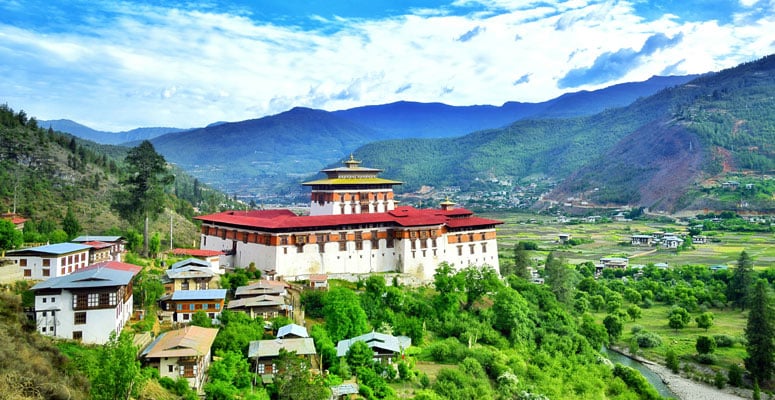
- Paro Taktsang (Tiger’s Nest Monastery)
- Rinpung Dzong
- National Museum of Bhutan
- Kyichu Lhakhang
- Traditional Bhutanese villages
- Paro Valley viewpoints
Best For:
- First-time Bhutan visitors
- Couples
- Photographers
- Cultural travellers
- Short Bhutan itineraries
Time Required: Allow 2–3 days to experience Paro comfortably without rushing through major attractions.
Pair Well With:
- Thimphu
- Chele La Pass
- Haa Valley
Who Can Skip It? Paro is difficult to skip, even on shorter itineraries, as it contains Bhutan’s most famous landmark and serves as the country’s main gateway.
2. Paro Taktsang (Tiger’s Nest Monastery)
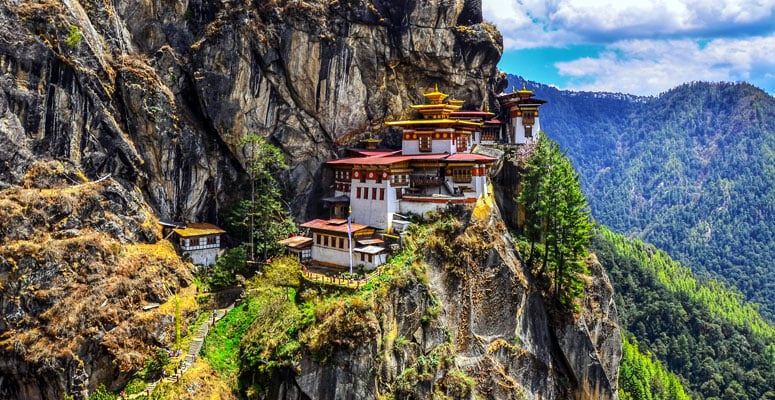
Tiger’s Nest Monastery is Bhutan’s most iconic attraction and one of the most recognisable religious sites in the Himalayas. Perched dramatically on a cliff approximately 900 metres above the Paro Valley floor, the monastery combines spiritual significance with one of the country’s most memorable hiking experiences.
The journey to the monastery is as important as the destination itself. Visitors gradually gain panoramic views of the valley as they ascend through pine forests and along mountain trails before reaching the monastery complex.
Best For:
- Active travellers
- Photographers
- Cultural explorers
- First-time visitors
Time Required: Set aside at least half a day, with most visitors requiring 4–6 hours for the complete hike and visit.
Pair Well With:
- Paro sightseeing
- National Museum
- Rinpung Dzong
Who Should Be Aware? Travellers with mobility limitations should understand that the hike involves a significant climb and uneven terrain.
The hike usually takes between 4 and 6 hours round-trip, depending on fitness levels and weather conditions. Travellers should start early in the morning, carry water and wear comfortable walking shoes. Those with limited mobility should be aware that the route involves a sustained uphill climb.
3. Thimphu
Thimphu offers the best introduction to modern Bhutanese life while still preserving strong cultural traditions. Unlike many capital cities, Thimphu feels relatively relaxed and manageable, making it an easy addition to most Bhutan itineraries.
The city combines monasteries, markets, museums, government buildings, and cultural institutions, allowing visitors to gain a broader understanding of Bhutan’s history and contemporary society.
Top Attractions in Thimphu
- Buddha Dordenma
- Memorial Chorten
- Tashichho Dzong
- Folk Heritage Museum
- Weekend Market
- Traditional handicraft centres
Best For:
- Cultural travellers
- First-time visitors
- Families
- History enthusiasts
Time Required: 1–2 days is usually sufficient for most travellers.
Pair Well With:
- Paro
- Punakha
- Dochula Pass
Who May Prioritise Less Time? Nature-focused travellers often spend less time in Thimphu and allocate more days to valleys such as Phobjikha or Bumthang.
4. Punakha
Punakha is often considered one of Bhutan’s most picturesque destinations. Located at a lower altitude than Thimphu, the valley enjoys a milder climate and features river landscapes, agricultural countryside, and one of the country’s most beautiful dzongs.
The destination appeals to travellers looking for a balance between cultural sightseeing and scenic exploration.
Top Attractions in Punakha
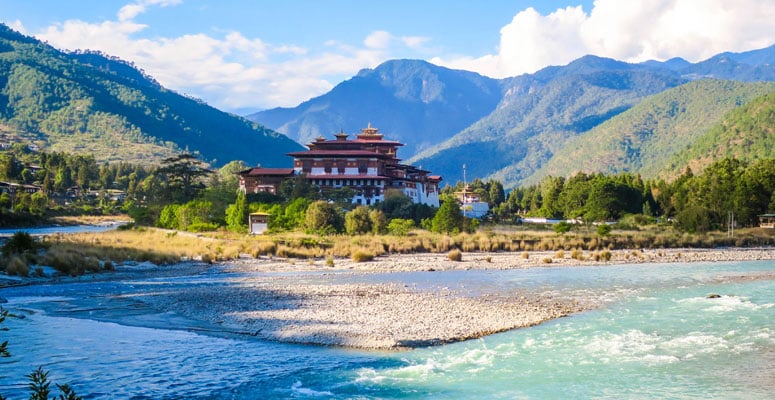
- Punakha Dzong
- Punakha Suspension Bridge
- Chimi Lhakhang
- Mo Chhu and Pho Chhu river valleys
- Rural villages
Best For:
- Couples
- Photographers
- First-time visitors
- Cultural travellers
Time Required: 1–2 nights is ideal for most itineraries.
Pair Well With:
- Thimphu
- Dochula Pass
- Phobjikha Valley
Who Should Prioritise It? Travellers interested in Bhutan’s architecture and photography should place Punakha high on their itinerary.
5. Dochula Pass
Located between Thimphu and Punakha, Dochula Pass is one of Bhutan’s most scenic road stops. On clear days, visitors can enjoy views of snow-capped Himalayan peaks alongside the famous 108 memorial chortens that define the pass.
Rather than being a standalone destination, Dochula functions best as a scenic stop during journeys between Bhutan’s major regions.
Best For:
- Photographers
- Scenic road-trip travellers
- First-time visitors
Time Required: Allow 30–60 minutes, depending on weather conditions and visibility.
Pair Well With:
- Thimphu
- Punakha
Who Can Skip It? Only travellers facing poor weather conditions or very limited time may choose to continue directly between destinations.
6. Phobjikha Valley
Phobjikha Valley is one of Bhutan’s most peaceful and visually distinctive destinations. The broad glacial valley offers a very different landscape compared with the country’s river valleys and mountain towns.
Its open terrain, rural atmosphere, and slower pace make it particularly attractive for travellers looking to experience Bhutan beyond its most visited tourist circuit.
Best For:
- Nature lovers
- Photographers
- Birdwatchers
- Slow travellers
Time Required: 1–2 nights is recommended.
Pair Well With:
- Gangtey
- Punakha
- Trongsa
Who Should Prioritise it? Travellers seeking tranquillity and natural scenery often rank Phobjikha among the highlights of their Bhutan trip.
7. Bumthang Valley
Often referred to as Bhutan’s cultural heartland, Bumthang offers some of the country’s richest collections of monasteries, sacred sites, and traditional settlements. The region consists of several interconnected valleys and provides a deeper cultural experience than Western Bhutan alone.
Because of its distance from Paro and Thimphu, Bumthang is generally included in longer itineraries.
Best For:
- History enthusiasts
- Cultural travellers
- Repeat Bhutan visitors
- Spiritual travellers
Time Required: At least 2–3 nights.
Pair Well With:
- Trongsa
- Phobjikha Valley
Who Can Skip It? Travellers with only 5–6 days in Bhutan often focus on western Bhutan and leave Bumthang for a future visit.
8. Gangtey
Gangtey serves as the cultural gateway to the Phobjikha Valley and is known for its monastery, traditional village atmosphere, and elevated views of the valley.
The destination is particularly rewarding for travellers who enjoy slower-paced journeys and scenic walking opportunities.
Best For:
- Couples
- Nature lovers
- Photographers
- Cultural travellers
Time Required: One night is usually sufficient, although many visitors stay longer as part of a Phobjikha itinerary.
Pair Well With:
- Phobjikha Valley
- Punakha
9. Phobjikha Valley vs Gangtey: Which Should You Prioritise?
Gangtey Monastery and Phobjikha Valley are usually experienced together rather than as separate destinations. Travellers interested in landscapes, birdwatching and slower-paced travel should allocate at least one night in the valley.
If time is limited, combining Gangtey Monastery with a valley walk provides the best overall experience.
10. Haa Valley
Haa Valley remains one of Bhutan’s lesser-visited destinations and appeals strongly to travellers seeking quieter experiences away from the main tourist route.
The region offers traditional villages, forested landscapes, and a stronger sense of rural Bhutan compared with more frequently visited destinations.
Best For:
- Repeat Bhutan visitors
- Nature lovers
- Photographers
- Offbeat travellers
Time Required: 1–2 nights.
Pair Well With:
- Paro
- Chele La Pass
Who Should Prioritise It? Travellers who have already experienced Bhutan’s classic highlights often find Haa Valley one of the country’s most rewarding regions.
Haa Valley is best suited to repeat visitors or travellers spending more than a week in Bhutan. First-time visitors with limited time may find greater value in focusing on Paro, Punakha, and the Phobjikha Valley.
11. Chele La Pass
Chele La Pass is among Bhutan’s highest motorable roads and offers some of the country’s most dramatic mountain scenery. The route between Paro and Haa Valley provides expansive Himalayan views and excellent photography opportunities.
Best For:
- Photographers
- Scenic drive enthusiasts
- Nature lovers
Time Required: Usually visited as a half-day excursion from Paro.
Pair Well With:
- Paro
- Haa Valley
Who Should Prioritise It? Travellers interested in landscapes and photography should strongly consider including Chele La Pass in their itinerary.
Travellers visiting Chele La Pass should be prepared for colder temperatures and windy conditions, even during warmer months. Layered clothing is recommended throughout the year.
12. Trongsa
Strategically located in central Bhutan, Trongsa occupies an important place in the country’s history and political development. The town’s dramatic hillside setting and impressive dzong make it a worthwhile stop on longer Bhutan itineraries.
Top Attractions:
- Trongsa Dzong
- Ta Dzong Museum
- Historic town centre
- Mountain road viewpoints
Best For:
- History enthusiasts
- Cultural travellers
- Long-duration Bhutan itineraries
Time Required: 1 night is generally sufficient.
Pair Well With:
- Bumthang
- Phobjikha Valley
Who Should Prioritise it? Travellers undertaking 8–10 day Bhutan itineraries will find Trongsa a valuable cultural and historical stop between western and central Bhutan.
Trongsa is usually included on journeys between western and central Bhutan and works best as part of a longer route that includes Bumthang rather than as a standalone destination.
Suggested Bhutan Route Circuits
5-Day Bhutan Highlights
Paro → Thimphu → Punakha → Paro
Ideal for first-time visitors seeking Bhutan’s most famous cultural attractions and landscapes.7-Day Classic Bhutan Circuit
Paro → Thimphu → Punakha → Phobjikha Valley → Paro
Suitable for travellers seeking a balance of culture, scenery and quieter destinations.10-Day Cultural Bhutan Route
Paro → Thimphu → Punakha → Phobjikha → Trongsa → Bumthang → Paro
Recommended for travellers wanting a deeper understanding of Bhutanese heritage, monasteries and rural life.Best Time to Visit Bhutan
1. March to May – Spring and Rhododendron Season
Best for:
- Pleasant temperatures
- Valley exploration
- Flowering landscapes
- Photography
This is one of the most popular periods for first-time visitors.
2. September to November – Clear Mountain Views
Best for:
- Himalayan photography
- Scenic drives
- Cultural sightseeing
- Trekking
Many travellers consider autumn the strongest overall season for Bhutan.
3. December to February – Quiet Winter Travel
Best for:
- Lower visitor numbers
- Clear skies
- Cultural exploration
Higher elevations can experience very cold temperatures.
4. June to August – Green Landscapes and Fewer Crowds
Best for:
- Lush scenery
- Photography
- Travellers seeking quieter experiences
Rainfall can affect road journeys and visibility.
5. Festival Travel
Travellers interested in Bhutan’s traditional festivals should plan around local Tshechu celebrations, particularly in:
- Paro
- Thimphu
- Punakha
Festival dates vary annually.
Which Bhutan Route Is Right for You?
1. For Couples
Prioritise:
- Paro
- Punakha
- Phobjikha Valley
These destinations offer some of Bhutan’s most scenic and peaceful experiences.
2. For Nature Lovers
Prioritise:
- Phobjikha Valley
- Haa Valley
- Chele La Pass
3. For Photography Enthusiasts
Prioritise:
- Tiger’s Nest
- Dochula Pass
- Phobjikha Valley
- Chele La Pass
4. For History and Culture Lovers
Prioritise:
- Bumthang
- Punakha Dzong
- Trongsa
- Rinpung Dzong
Suggested Bhutan Route Circuits
1. 5-Day Bhutan Itinerary
Ideal for first-time visitors.
Suggested route:
- Paro (2 nights)
- Thimphu (1 night)
- Punakha (2 nights)
2. 7-Day Bhutan Itinerary
Ideal for travellers wanting culture and scenery.
Suggested route:
- Paro
- Thimphu
- Punakha
- Phobjikha Valley
- Return to Paro
3. 10-Day Bhutan Itinerary
Ideal for deeper exploration.
Suggested route:
- Paro
- Thimphu
- Punakha
- Phobjikha
- Trongsa
- Bumthang
Conclusion
Bhutan offers a remarkable blend of mountain landscapes, cultural heritage and spiritual landmarks. From the iconic Tiger’s Nest Monastery and the vibrant capital of Thimphu to the scenic valleys of Punakha, Phobjikha and Bumthang, the country provides unforgettable experiences for travellers seeking both beauty and authenticity. Whether you are drawn by the Himalayas, ancient monasteries or peaceful countryside, Bhutan remains one of Asia’s most distinctive and rewarding travel destinations.