
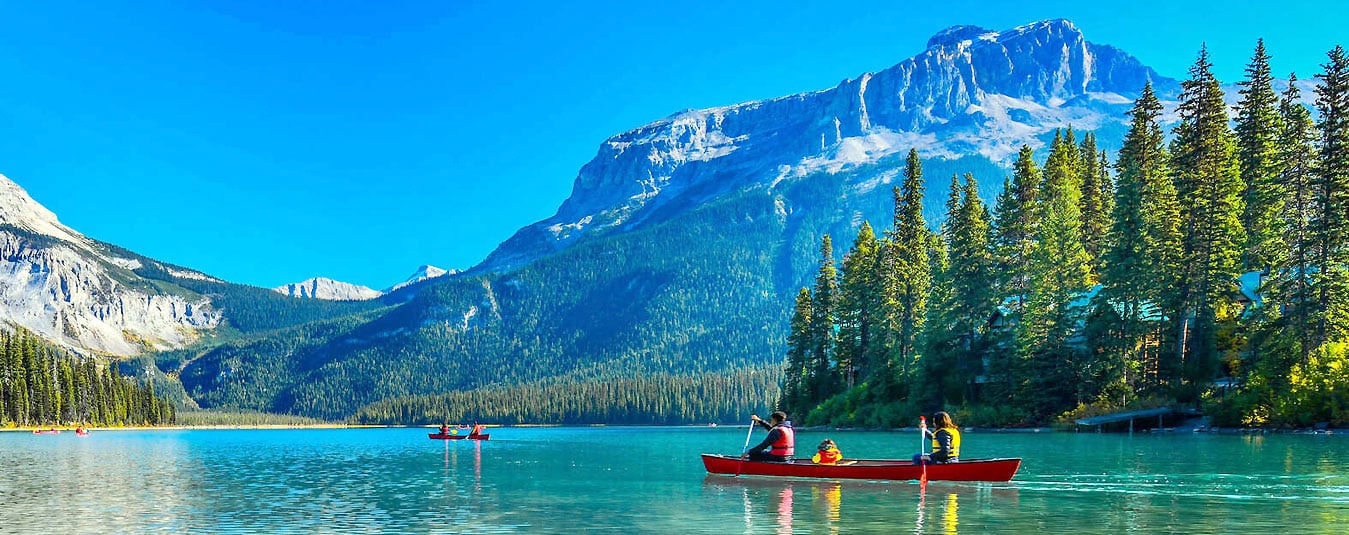
Canada is not a destination that rewards rushing. Its strongest sightseeing appeal comes from Rocky Mountain parks, glacier-fed lakes, waterfalls, French-influenced historic quarters, Pacific coast cities, Atlantic landscapes, islands, and northern wildlife regions.
This guide helps you decide which places are worth prioritising, how much time each needs, what can be paired together, and which places are better saved for a longer or second Canada holiday.
Planning Snapshot for Canada Sightseeing
Top Attractions to Explore in Canada
1. Natural Wonders and National Parks
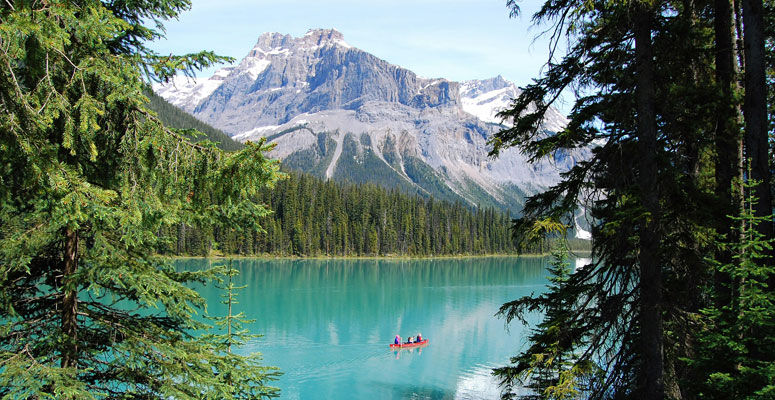
• Banff National Park, Alberta
Banff is worth prioritising if you want Canada’s classic Rocky Mountain scenery: alpine roads, sharp peaks, forested valleys, and bright mountain lakes. It suits first-time travellers to Canada, couples, families, and nature-focused travellers who want dramatic landscapes without having to plan a remote expedition.
Best Pairing: Lake Louise, Moraine Lake, Icefields Parkway, Jasper, and Calgary.
• Jasper National Park, Alberta
Jasper feels wider, quieter, and less compressed than Banff. It suits travellers who want more space, slower nature time, scenic drives, glaciers, lakes, waterfalls, and wildlife-viewing possibilities.
This is not just “another Rocky Mountain park”. Jasper works best as a deeper mountain stay, especially for travellers who enjoy road-trip-style sightseeing and do not want every day to feel tightly scheduled.
Best Pairing: Banff, Lake Louise, Athabasca Falls, Maligne Lake, and the Icefields Parkway.
• Niagara Falls, Ontario
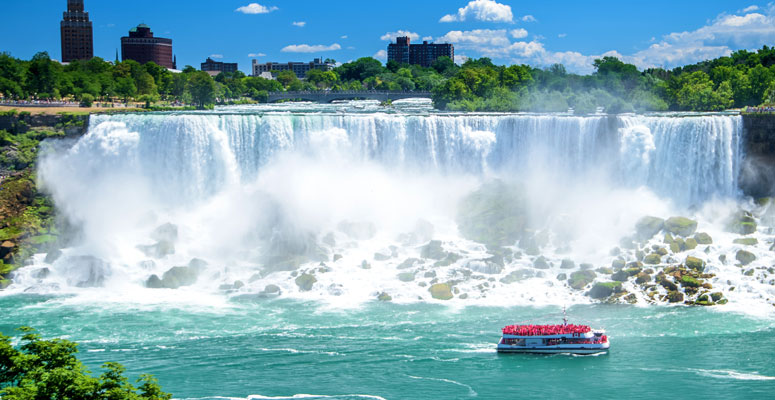
Niagara Falls is one of the easiest high-impact additions to an Eastern Canada trip. It works well for first-time visitors, families, honeymooners, and short-stay travellers who want a major natural sight without a long detour from Toronto.
Half a day to a full day is enough from Toronto. Stay overnight only if you want a slower pace, evening views, Niagara-on-the-Lake, or wine country.
Best Pairing: Toronto, Niagara Parkway, Niagara-on-the-Lake, and nearby wine regions.
• Bruce Peninsula National Park, Ontario
The Bruce Peninsula is a good nature break for travellers whose route in Canada is otherwise city-heavy. Its appeal comes from clear blue water, limestone cliffs, Georgian Bay scenery, and scenic walking.
It suits travellers who enjoy coastal landscapes, photography, slower outdoor days, and a calmer contrast to Toronto or Niagara.
Best Pairing: Toronto, Tobermory, Georgian Bay, and Ontario road trips.
• Gros Morne National Park, Newfoundland and Labrador
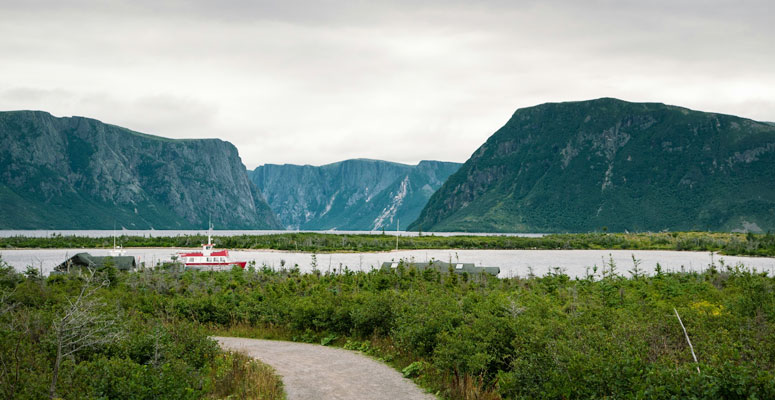
Gros Morne shows a very different side of Canada. Instead of the familiar west/east route, it offers Atlantic landscapes, fjords, coastal communities, dramatic rock formations, and geological scenery.
It suits repeat travellers to Canada, photographers, slow travellers, and nature lovers who want landscapes that feel less predictable.
Best Pairing: Deer Lake, western Newfoundland, coastal drives, and nearby communities.
2. Cities and Historic Quarters
• Toronto, Ontario
Toronto is a practical starting point for many trips in Eastern Canada. It brings together an urban skyline, waterfront areas, museums, shopping, food neighbourhoods, and easy access to Niagara Falls. It suits first-time travellers, families, culture-focused travellers, shoppers, and those beginning an Ontario–Quebec route.
Best Pairing: Niagara Falls, Ottawa, Montreal, and Quebec City.
• Vancouver, British Columbia
Vancouver works well for travellers who want a city stay without feeling far from nature. Ocean, mountains, parks, neighbourhoods, and island access all sit within easy reach. It suits couples, families, cruise-linked travellers, and soft-adventure travellers who want scenic variety without a fully remote route.
Best Pairing: Stanley Park, Granville Island, Capilano/Grouse area, Victoria, Whistler, and Banff if the trip is long enough.
• Montreal and Old Montreal, Quebec
Montreal adds French-influenced culture, historic streets, churches, museums, food, riverfront walks, and neighbourhood atmosphere to an Eastern Canada route. It suits couples, food lovers, heritage travellers, and culture-focused travellers combining Ontario with Quebec.
Best Pairing: Old Port, Mount Royal, downtown museums, and Quebec City.
• Quebec City, Quebec
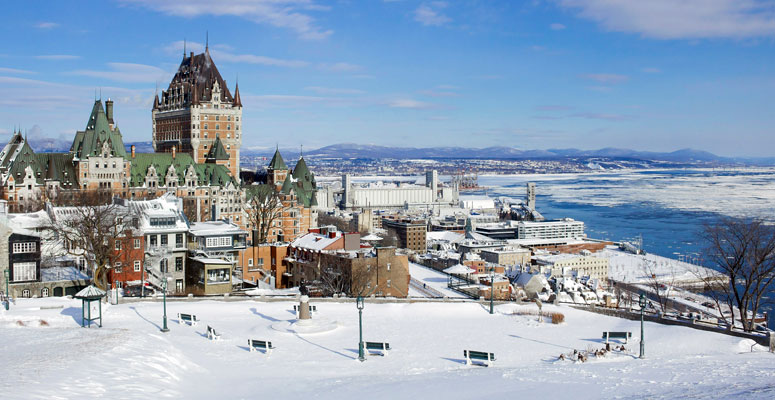
Quebec City is one of Canada’s strongest heritage stops. Old Quebec, fortified streets, French heritage, river viewpoints, and a walkable historic core give it a very different feel from Toronto or Montreal.
It suits heritage travellers, couples, photographers, and travellers who enjoy slow walking through historic quarters.
Best Pairing: Montreal, Montmorency Falls, St. Lawrence viewpoints, and wider Eastern Canada routes.
• Victoria and Vancouver Island, British Columbia
Victoria and Vancouver Island offer a softer coastal extension from Vancouver. The experience is built around harbour views, gardens, island scenery, relaxed streets, and coastal drives. It suits couples, families, cruise travellers, garden lovers, and travellers who want a slower coastal break.
Best Pairing: Vancouver, Butchart Gardens, Inner Harbour, and island coastal drives.
3. Maritime and Northern Canada Experiences
• Prince Edward Island
Prince Edward Island works best for travellers who want beaches, red cliffs, lighthouses, small towns, coastal drives, and a relaxed Maritime pace. It suits families, slow travellers, coastal holiday seekers, and those extending an Eastern Canada route into Atlantic Canada.
Best Pairing: Nova Scotia, New Brunswick, and wider Atlantic Canada routes.
• Churchill, Manitoba
Churchill is a specialist in Canadian experience. It is known for polar bears, beluga whales, northern lights, tundra landscapes, and Arctic-edge wildlife viewing. It suits wildlife travellers, photographers, luxury expedition travellers, and repeat visitors to Canada with a specific reason to go.
Best Pairing: Winnipeg, as Churchill is usually planned through Manitoba rather than added to a standard east-west Canada route.
How to Combine Places in Canada
1. For a First-Time Eastern Canada Trip
Toronto + Niagara Falls + Montreal + Quebec City
This works for travellers who want cities, waterfalls, food, museums, heritage quarters, and easier connections. It is a strong choice for families, culture-focused travellers, and first-time visitors to Canada who do not want a remote route.
2. For a First-Time Western Canada Trip
Vancouver + Banff + Lake Louise + Jasper if time allows
This suits travellers who want coast, mountains, lakes, scenic roads, and a strong focus on nature. The route becomes tight if Jasper is added without enough days, so keep the Rockies properly paced.
3. For a Nature-Focused Canada Trip
Banff + Jasper as the core
Add Bruce Peninsula only if you are focusing on Ontario or Gros Morne if Atlantic Canada is the main region. Avoid mixing too many far-apart nature areas unless the trip is long.
4. For a Culture and Heritage Trip
Montreal + Quebec City as the core
Add Toronto for museums and neighbourhoods, or Victoria for a gentler coastal heritage feel. This suits travellers who prefer walkable cities, food, architecture, and guided local context.
Best Time to Visit
May to October is generally easier for city sightseeing, national parks, coastal drives, and first-time routes.
June to September is a strong time for the Rockies, lakes, islands, and outdoor sightseeing, but popular places require advance planning.
Autumn works well for foliage, softer crowds in many areas, and city-plus-nature combinations.
Winter suits snowy scenery, winter city breaks, ski regions, and northern lights-focused travel.
Plan Your Canada Trip with IndianHoliday!
Canada is easier to enjoy when the trip is built around a single strong region or a clear travel theme. At IndianHoliday, we help you plan a well-paced journey that gives you more time to experience the Rockies, historic Quebec, the Pacific Coast, Atlantic Canada, or Churchill’s wildlife.


