









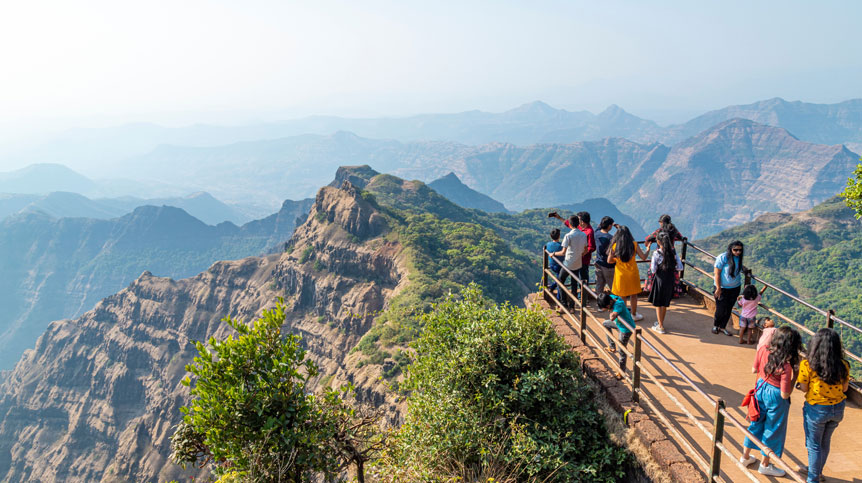

Mahabaleshwar sightseeing works best when its attractions are grouped by visit logic rather than treated as a long list of viewpoints. The hill station has several “points”, but most travellers do not need to cover every one separately. A better plan usually combines a few valley viewpoints, one lake or waterfall stop, the Old Mahabaleshwar temples, and either Pratapgad Fort or places on the Panchgani side.
This guide is useful for families, couples, senior travellers, weekend visitors from Mumbai or Pune, and anyone planning a short hill-station break with limited time. It helps you decide which places to see in Mahabaleshwar, how much time each needs, and what to skip when the stay is short or the weekend crowd is heavy.
Top Attractions to Explore in Mahabaleshwar
Viewpoints and Valley Stops
Mahabaleshwar is known for its viewpoints, but the experience comes from choosing the right places. Some points are better for sunrise, some for sunset, and some for valley views.
1. Arthur’s Seat
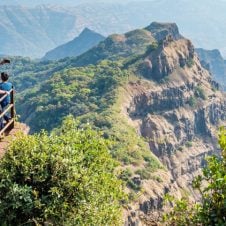
It is one of the most rewarding viewpoints in Mahabaleshwar because it offers a view of the valley’s landscape rather than a quick roadside stop. It suits first-time visitors who want one major viewpoint route rather than covering multiple scattered points without focus. Keep enough time for the surrounding viewpoints in the same belt instead of treating Arthur’s Seat as a single photo stop.
Best for: First-time visitors, couples, photographers, and travellers who want one strong viewpoint route.
Time needed: Around 1 to 1.5 hours, depending on how many nearby points you include.
Best timing: Morning, especially on clearer days.
Pairs well with: Old Mahabaleshwar temples and nearby viewpoints along the same route.
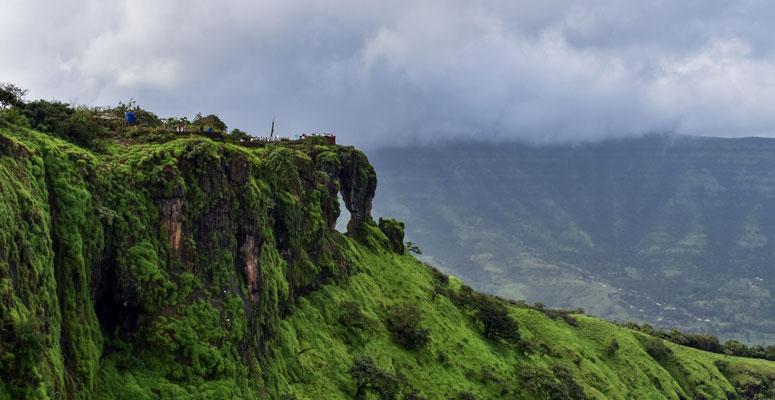
2. Elephant’s Head Point / Needle Hole Point
Elephant’s Head Point, also called Needle Hole Point, is useful for travellers who want a distinctive rock formation rather than another open valley view. The natural formation gives this stop a clearer identity, which is why it works well even on a short sightseeing plan. The viewpoint is better when visibility is good, so avoid making it the only reason for a long detour on a foggy day.
Best for: Couples, photographers, families, and travellers seeking a visually distinctive viewpoint.
Time needed: Around 30 to 45 minutes.
Best timing: Morning or late afternoon in clear weather.
Pairs well with: Kate’s Point, Echo Point, and other eastern-side viewpoints.
3. Kate’s Point and Echo Point
Kate’s Point and Echo Point work well for travellers who want accessible views without committing too much time. This is useful because it can be combined with nearby stops and often fits into a half-day sightseeing plan. Kate’s Point gives a broad valley outlook, while Echo Point adds a simple, family-friendly pause.
Best for: Families, short-stay travellers, first-time visitors, and easy sightseeing plans.
Time needed: Around 45 minutes to 1 hour.
Best timing: Morning or late afternoon.
Pairs well with: Elephant’s Head Point, Venna Lake, or Mapro Garden depending on the route.
4. Wilson Point
Wilson Point is best known as a sunrise point and is useful for travellers who do not mind an early start. It offers a different rhythm from the usual daytime sightseeing flow, as the value lies in arriving before the town fully wakes up. It is less practical for day visitors arriving from Pune or Mumbai because the timing rarely works unless they stay locally.
Best for: Sunrise watchers, photographers, couples, and overnight visitors.
Time needed: 30 to 45 minutes.
Best timing: Early morning before sunrise.
Pairs well with: A relaxed breakfast and later Old Mahabaleshwar or Venna Lake plan.
5. Bombay Point / Sunset Point
Bombay Point, often called Sunset Point, is one of the easier places to end a sightseeing day in Mahabaleshwar. It works best when you want a simple sunset halt rather than another full viewpoint round. It does not need a long visit, but it needs good timing. Arriving too late usually means dealing with crowds and not having enough time to enjoy the view.
Best for: Families, couples, senior travellers, and relaxed evening plans.
Time needed: Around 45 minutes to 1 hour.
Best timing: Late afternoon to sunset.
Pairs well with: Venna Lake, town area, or a return from Pratapgad Fort.
6. Lodwick Point
Lodwick Point is better for travellers who enjoy a quieter viewpoint experience and do not want every stop to feel crowded or rushed. It has a slightly slower feel than the more central points and works well for people who enjoy walking a little and taking in the view.
Best for: Slow travellers, couples, photographers, and repeat visitors.
Time needed: Around 45 minutes to 1 hour.
Best timing: Morning or late afternoon.
Pairs well with: Elephant’s Head Point or a quieter viewpoint-focused half day.
Lakes, Waterfalls, and Soft Nature Stops
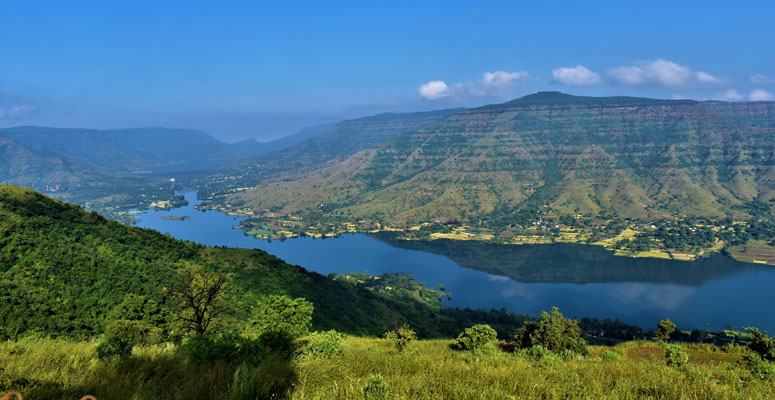
Lakes and waterfalls help break up a day built around viewpoints, especially for families, couples, and travellers who prefer a gentler pace.
1. Venna Lake
Venna Lake is one of the easiest soft stops in Mahabaleshwar and is well-suited to families, couples, and travellers who want a relaxed break between viewpoints. It is especially useful in the late afternoon or evening, when the pace naturally slows after a day of sightseeing.
Best for: Families, couples, senior travellers, and relaxed evening plans.
Time needed: 1 to 2 hours.
Best timing: Late afternoon or early evening.
Pairs well with: Lingmala Waterfall, Mapro Garden, or the town area.
2. Lingmala Waterfall
Lingmala Waterfall is one of the better waterfall stops near Mahabaleshwar, especially during and after the monsoon when water flow is stronger. It suits travellers who want a nature pause without moving too far away from the main sightseeing routes. The visit can involve walking and seasonal access conditions, so it is better planned with practical caution.
Best for: Nature lovers, couples, families, and photography-focused travellers.
Time needed: 1 to 1.5 hours.
Best timing: Morning or early afternoon.
Pairs well with: Venna Lake, Mapro Garden, or Kate’s Point route.
3. Dhobi Waterfall
Dhobi Waterfall is a quieter waterfall option for travellers who want a short nature break without making it the day’s centrepiece. The waterfall is more rewarding in or after the rains, but that is also when caution matters most. It should be kept flexible in the plan rather than fixed as a non-negotiable stop.
Best for: Couples, slow travellers, photographers, and visitors seeking a short nature break.
Time needed: 45 minutes to 1 hour.
Best timing: Morning or early afternoon.
Pairs well with: Lodwick Point or a quieter viewpoint route.
4. Chinaman’s Falls
Chinaman’s Falls is best included by travellers who are comfortable with seasonal variation. It may feel rewarding when the water flow is good, but it should not replace stronger sightseeing stops if you have only one day.
Best for: Nature-focused travellers, photographers, and repeat visitors.
Time needed: 45 minutes to 1 hour.
Best timing: Post-monsoon or during a safe, clear-weather window.
Pairs well with: Dhobi Waterfall or quieter viewpoint routes.
Temples and Old Heritage
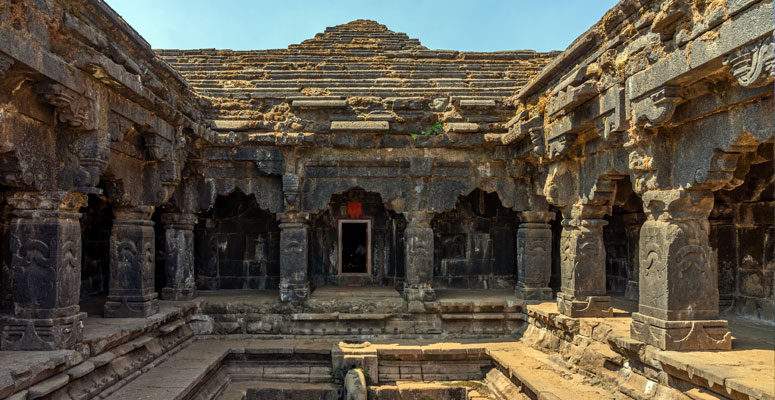
Old Mahabaleshwar adds the cultural and spiritual side of the hill station. This section is best suited to travellers who want more than viewpoints and lake stops.
1. Mahabaleshwar Temple
Mahabaleshwar Temple is the main spiritual anchor of Old Mahabaleshwar. It suits travellers who want to understand the destination’s older, sacred side rather than just visiting viewpoints. The temple visit is not about spending a long time; it is about adding cultural depth to the sightseeing plan.
Best for: Spiritual travellers, families, senior visitors, and those exploring Old Mahabaleshwar.
Time needed: 30 to 45 minutes.
Best timing: Morning or late afternoon.
Pairs well with: Panchganga Temple and Krishnabai Temple.
2. Panchganga Temple
Panchganga Temple is important because it is associated with the meeting point of five rivers: Krishna, Venna, Koyna, Savitri, and Gayatri. For travellers, the value lies in seeing a compact yet meaningful sacred site that connects Mahabaleshwar to the region’s wider river landscape.
Best for: Families, spiritual travellers, and visitors interested in the heritage of Old Mahabaleshwar.
Time needed: 20 to 30 minutes.
Best timing: Morning or late afternoon.
Pairs well with: Mahabaleshwar Temple and Krishnabai Temple.
3. Krishnabai Temple
Krishnabai Temple is one of the more atmospheric heritage stops in Old Mahabaleshwar. The site is linked with the Krishna River source tradition, which gives it a strong sense of place. Keep the plan flexible and check local access if any restoration or maintenance work is underway.
Best for: Heritage-aware travellers, spiritually inclined visitors, couples, and photographers.
Time needed: 30 to 45 minutes.
Best timing: Morning or late afternoon.
Pairs well with: Mahabaleshwar Temple and Panchganga Temple.
4. Pratapgad Fort
Pratapgad Fort is the strongest history-led excursion from Mahabaleshwar and is well-suited to travellers who want a break from viewpoint-heavy sightseeing. It is closely associated with Maratha history and the Shivaji-Afzal Khan episode, so the visit is far more meaningful with some guided context or local explanation.
Best for: History lovers, families with older children, and travellers wanting a half-day heritage excursion.
Time needed: Half day, including travel from Mahabaleshwar.
Best timing: Morning, before the day becomes crowded or warm.
Pairs well with: Bombay Point later in the evening if you return in time.
Gardens, Food Stops, and Easy Breaks
These are soft breakpoints that help balance the trip, especially on the Mahabaleshwar-Panchgani route. Treat them as pauses, not as the main reason to overload the day.
1. Mapro Garden
Mapro Garden is a convenient stop on the Mahabaleshwar-Panchgani route. It has become part of the standard hill-station circuit because it offers an easy break, snacks, and a familiar strawberry-linked setting. It is worth adding if your route already passes this side.
Best for: Families, couples, children, and travellers moving between Mahabaleshwar and Panchgani.
Time needed: 45 minutes to 1 hour.
Best timing: Late morning or afternoon.
Pairs well with: Venna Lake, Lingmala Waterfall, Table Land, or Parsi Point.
2. Town Bazaar
Mahabaleshwar’s town bazaar works best as a short evening break rather than a major attraction. The value is in its convenience and local rhythm, not in treating it as a full sightseeing anchor. This stop is useful for families and weekend travellers staying near the town area. Keep it light and do not let it replace stronger sightseeing choices if your time is limited.
Best for: Families, short-stay visitors, evening walkers, and travellers staying near town.
Time needed: 30 minutes to 1 hour.
Best timing: Evening.
Pairs well with: Venna Lake or a relaxed post-sightseeing plan.
3. Strawberry Farms
Strawberry farms or seasonal strawberry stops are relevant when you visit during the right season and are already moving along the Mahabaleshwar-Panchgani route. They should be treated as soft stopovers, not as a separate sightseeing category that takes over the day.
Best for: Families, children, couples, and visitors travelling during strawberry season.
Time needed: 30 to 60 minutes.
Best timing: Late morning or afternoon, depending on route.
Pairs well with: Mapro Garden, Panchgani-side viewpoints, or Venna Lake.
Nearby Panchgani-side Attractions Worth Combining
These are useful additions for Mahabaleshwar travellers who have enough time or are already driving toward Panchgani. They work best as a half-day extension rather than rushed extras.
1. Table Land
Table Land is one of Panchgani’s most recognisable landscape stops and is worth combining with a visit to Mahabaleshwar if you have an extra half-day. Its broad laterite plateau feels distinct from Mahabaleshwar’s valley viewpoints, giving the extension a clear reason.
Best for: Families, couples, photographers, and travellers adding Panchgani to the trip.
Time needed: 1 to 1.5 hours.
Best timing: Morning or late afternoon.
Pairs well with: Parsi Point, Sydney Point, and Mapro Garden.
2. Parsi Point
Parsi Point is a useful Panchgani-side viewpoint because it sits conveniently on the route and does not demand too much time. It suits travellers seeking a short, scenic stopover between Mahabaleshwar and Panchgani.
Best for: Short scenic breaks, families, couples, and first-time visitors to Panchgani.
Time needed: 30 to 45 minutes.
Best timing: Morning or late afternoon.
Pairs well with: Mapro Garden, Table Land, and Sydney Point.
3. Sydney Point
Sydney Point is another Panchgani viewpoint that works best when combined with Table Land or Parsi Point. It is better as part of a Panchgani-side extension than a separate outing from Mahabaleshwar. If you already have enough viewpoints in your Mahabaleshwar plan, keep Sydney Point optional.
Best for: Couples, photographers, Panchgani-side visitors, and travellers with extra time.
Time needed: 30 to 45 minutes.
Best timing: Morning or late afternoon.
Pairs well with: Table Land, Parsi Point, and Mapro Garden.
How to Prioritise Mahabaleshwar Attractions
1. If You Have Half a Day
Keep the plan tight and realistic. A good half-day can include the Arthur’s Seat route, Old Mahabaleshwar temples, and either Venna Lake or Bombay Point depending on timing. If you are starting late in the day, skip the longer viewpoint route and keep the plan focused on Venna Lake, the town, and sunset.
This works best for travellers arriving from Pune or Mumbai with limited daylight.
2. If You Have One Full Day
A balanced one-day sightseeing plan should include one viewpoint, one lake or waterfall stop, and one temple or sunset point. You can combine the Arthur’s Seat or Kate’s Point route with Old Mahabaleshwar temples, Venna Lake, and Bombay Point in the evening. If waterfalls are important, replace one viewpoint cluster with Lingmala Waterfall.
Do not add Pratapgad Fort and Panchgani-side attractions into the same one-day plan unless you are comfortable skipping several local stops.
3. If You Have Two Days
Two days allow a more relaxed split. Keep one day for Mahabaleshwar viewpoints, Old Mahabaleshwar temples, Venna Lake, and sunset. Use the second day for either Pratapgad Fort or Panchgani-side attractions such as Table Land, Parsi Point, Sydney Point, and Mapro Garden.
This works better than trying to cover every viewpoint on the first day and every excursion on the second. Choose one stronger outer route based on interest.
Plan Your Mahabaleshwar Trip Better
Mahabaleshwar is easier to enjoy when sightseeing is planned by clusters: viewpoints in the morning, lake or waterfall breaks between drives, Old Mahabaleshwar temples for cultural depth, and Pratapgad or Panchgani only when you have enough time.
 Gateway of India
 Ajanta Caves
 Ellora Caves
 Markanda Group of Temple
 Marine Drive
 Elephanta Caves