
Shirdi works best when travellers plan their sightseeing around Sai Baba’s main temple rather than treating the town as a list of regular attractions. Most visitors come for darshan at Shri Sai Baba Samadhi Mandir, but the visit becomes more meaningful when nearby places such as Dwarkamai, Chavadi, Gurusthan, and Lendi Baug are added in the right order.
This guide suits pilgrims, families, senior citizens, first-time devotees, and travellers combining Shirdi with a wider Maharashtra pilgrimage route.
Planning Snapshot
Top Attractions to Explore in Shirdi
• Places Near the Main Temple
These are the most important Shirdi sightseeing places because they are closely connected to Sai Baba’s life, worship, and devotees’ experiences. First-time visitors should cover these before adding secondary temples or nearby excursions.
1. Shri Sai Baba Samadhi Mandir
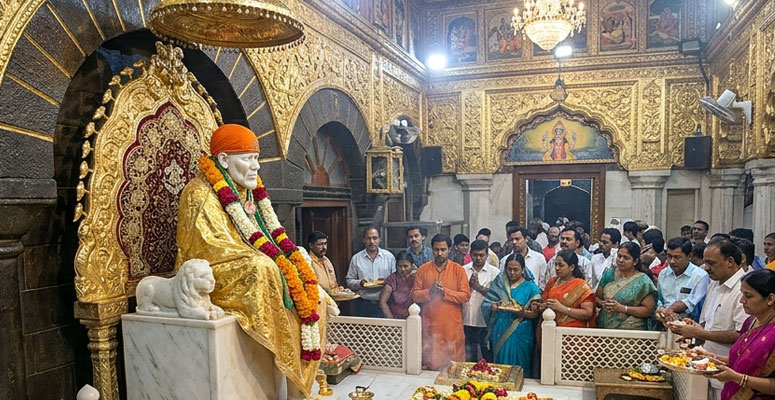
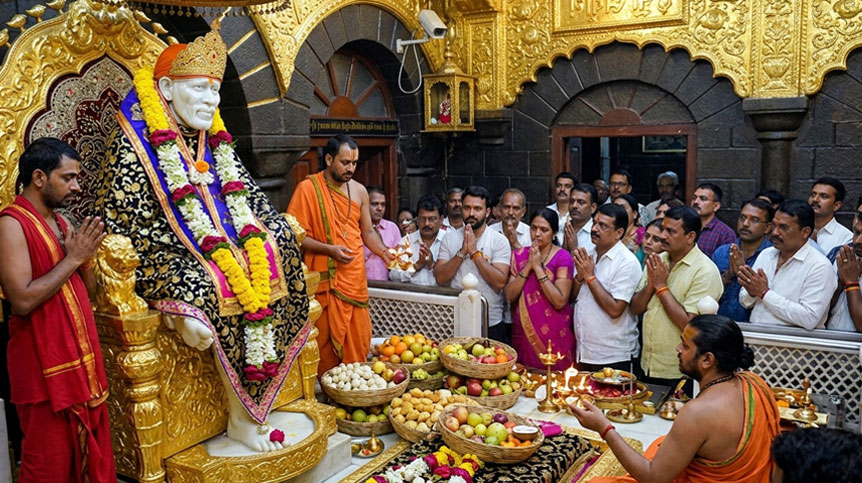
Shri Sai Baba Samadhi Mandir is the centre of the Shirdi visit. It houses Sai Baba’s samadhi and remains the main darshan point for devotees. For most travellers, all sightseeing in Shirdi is planned around this visit. Darshan may be manageable on quieter weekdays, but it can take much longer on Thursdays, weekends, school holidays, and festival periods.
Best for: All devotees, first-time visitors, families, and senior travellers.
Time needed: Around 1 to 2 hours on regular days; longer during crowded periods.
Best timing: Early morning or late evening, depending on darshan plans.
Pairs well with: Dwarkamai, Chavadi, Gurusthan, and Lendi Baug.
2. Dwarkamai
Dwarkamai is one of the most meaningful places to see in Shirdi after Samadhi Mandir. Sai Baba spent a major part of his life here, and the site helps devotees understand his everyday presence. The dhuni, the old mosque setting, and the close connection with Sai Baba’s life make it a core part of the temple-zone circuit.
Best for: First-time devotees, families, and travellers interested in Sai Baba’s life.
Time needed: Around 20 to 30 minutes.
Best timing: After Samadhi Mandir, while you are already in the temple zone.
Pairs well with: Chavadi.
3. Chavadi
Chavadi is closely linked with Sai Baba’s later years, when he spent alternate nights here. The visit is short, but it provides important context for devotees seeking to understand how Sai Baba lived in the town. It is especially useful for first-time visitors trying to connect with the temple-zone places.
Best for: Devotees, first-time visitors, and families following the Sai Baba-linked circuit.
Time needed: Around 15 to 20 minutes.
Best timing: After visiting Dwarkamai.
Pairs well with: Dwarkamai and nearby temple-zone lanes.
4. Gurusthan
Gurusthan is associated with Sai Baba’s early presence in Shirdi and the neem tree under which he is believed to have spent time. It is a quieter, more reflective stop compared with the main darshan area. This place suits visitors who want to understand the beginning of Sai Baba’s connection with Shirdi.
Best for: First-time devotees, senior travellers, and those interested in Sai Baba’s early Shirdi connection.
Time needed: Around 15 to 25 minutes.
Best timing: After darshan or while covering the nearby temple-zone places.
Pairs well with: Samadhi Mandir and Lendi Baug.
5. Lendi Baug
Lendi Baug offers a quieter pause to the Shirdi visit after the busier darshan and temple-lane movement. It is associated with Sai Baba’s daily routine and is known for the Nanda Deep, the lamp connected with his time here. It is not a place to rush through immediately after a long darshan queue.
Best for: Families, senior travellers, and devotees who prefer a calmer stop within the temple zone.
Time needed: Around 20 to 30 minutes.
Best timing: Morning or evening, especially in warmer months.
Pairs well with: Gurusthan and Samadhi Mandir.
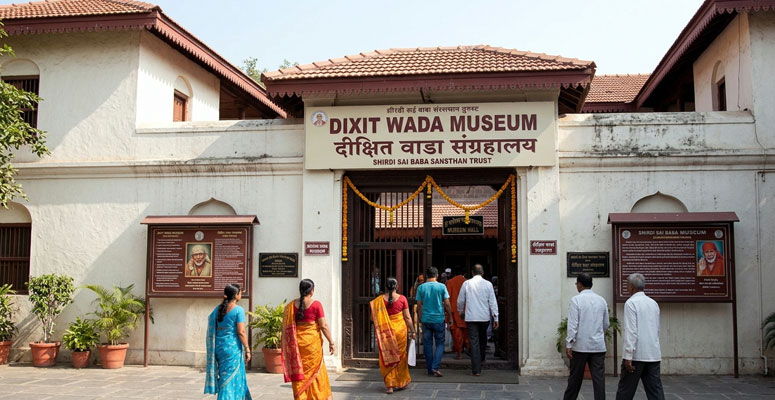
6. Dixit Wada Museum
This museum is worth adding if you want more context on Sai Baba’s life, early devotees, and Shirdi’s earlier devotional setting. It displays photographs, objects, and memories associated with Sai Baba and his devotees. This stop suits first-time visitors who want to understand Shirdi beyond darshan.
Best for: First-time devotees, families with older children, and travellers interested in Sai Baba’s life and legacy.
Time needed: Around 30 to 45 minutes.
Best timing: After the main Sai Baba-linked circuit.
Pairs well with: Gurusthan and Samadhi Mandir.
• Local & Spiritual Places
These places add depth to a visit to Shirdi, but they should be planned after the core Sai Baba temple circuit. They are useful for travellers with half a day or more in town.
1. Khandoba Mandir
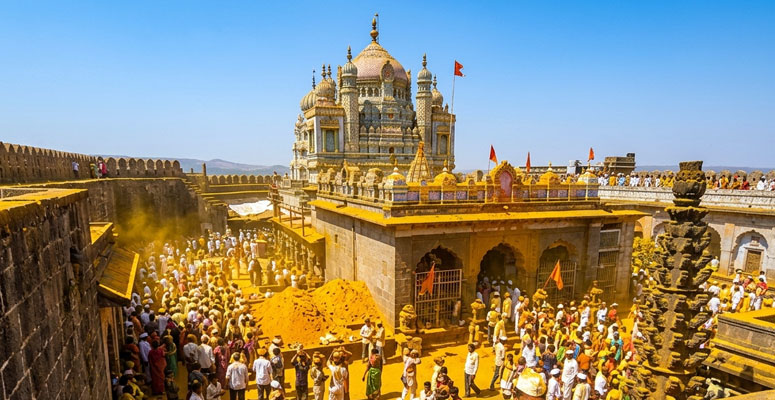
Khandoba Mandir is important for devotees interested in the story of Sai Baba’s arrival in Shirdi and his association with Mhalsapati. It is one of the better local additions for a more complete understanding of the town’s spiritual setting. It does not need a long visit, but it makes sense for travellers who are not in a hurry.
Best for: First-time pilgrims, devotees interested in Sai Baba’s arrival story, and travellers with half a day in Shirdi.
Time needed: Around 20 to 30 minutes.
Best timing: Before or after the main temple-zone circuit, based on your hotel location.
Pairs well with: Samadhi Mandir and nearby local temple stops.
2. Maruti Mandir
Maruti Mandir, also known as Hanuman Mandir, is one of the older local spiritual stops in Shirdi. It is useful as a short addition when you are already moving through the temple-side areas. It suits travellers with extra time who prefer smaller local shrines alongside the main Sai Baba-linked places.
Best for: Devotees, local temple visitors, and travellers with extra time in the temple zone.
Time needed: Around 10 to 15 minutes.
Best timing: During a relaxed temple-zone walk.
Pairs well with: Chavadi and other nearby spiritual stops.
3. Abdul Baba Cottage
Abdul Baba Cottage is associated with Abdul Baba, one of Sai Baba’s close attendants and devotees. It is a small but relevant place for those who want to understand Sai Baba’s circle of followers. The site is modest, so its value depends on context.
Best for: Devotees with deeper interest in Sai Baba’s followers and Shirdi’s older devotional links.
Time needed: Around 10 to 15 minutes.
Best timing: After Chavadi, if the area is not too crowded.
Pairs well with: Chavadi and Dwarkamai.
4. Upasani Maharaj Ashram
Sakori is a nearby spiritual extension associated with Upasani Maharaj, who stayed in Shirdi under Sai Baba’s guidance. It is outside the immediate temple-zone circuit and needs separate time. This place suits devotees interested in the wider Sai tradition.
Best for: Devotees interested in the wider Sai tradition and travellers with extra time.
Time needed: A few hours, including transfer and visit time.
Best timing: Morning or early afternoon.
Pairs well with: A relaxed Shirdi stay, not a rushed darshan day.
• Nearby Pilgrimage Extensions
Nearby pilgrimage places should be planned separately from core Shirdi sightseeing. They add value to a spiritual route, but they can make the day tiring if added without road time and darshan buffers.
1. Shani Shingnapur
Shani Shingnapur is often paired with Shirdi because it is one of Maharashtra’s well-known pilgrimage destinations. The temple is associated with Lord Shani and is usually planned as a road excursion from Shirdi.
This extension needs a separate half-day. It works best when your Shirdi darshan is already complete, and your vehicle arrangements are in place.
Best for: Pilgrims with one full day in or around Shirdi.
Time needed: Half day, including travel time and darshan buffer.
Best timing: After completing the main Shirdi darshan, or as a separate morning excursion.
Pairs well with: a one-day stay in Shirdi with private transfer.
2. Nashik and Trimbakeshwar
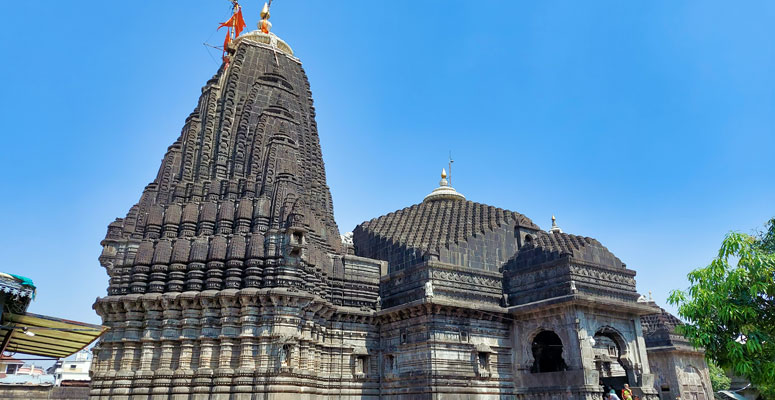
Nashik and Trimbakeshwar make sense for travellers planning a wider Maharashtra pilgrimage route. Trimbakeshwar is one of the twelve Jyotirlingas and is often combined with Nashik’s sacred sites. This route should not be treated like a short Shirdi add-on.
Best for: Travellers planning a wider Maharashtra spiritual circuit.
Time needed: Full day or overnight route, depending on pace.
Best timing: As a separate route before or after Shirdi.
Pairs well with: Maharashtra pilgrimage itineraries.
How to Plan Shirdi Sightseeing
Shirdi sightseeing becomes easier when you plan based on the time available rather than a long list of names. Darshan should remain the main factor, with all other places added around it.
1. If you have a few hours
Best for travellers visiting Shirdi as a short stop or arriving with limited time.
- Shri Sai Baba Samadhi Mandir
- Dwarkamai
- Chavadi
- Gurusthan
- Lendi Baug
Avoid adding Dixit Wada Museum, Khandoba Mandir, Sakori, or Shani Shingnapur unless darshan is completed quickly and your group is not tired.
2. If you have half a day
This plan works well for first-time devotees who want the core temple-zone experience with one context stop.
- Shri Sai Baba Samadhi Mandir
- Dwarkamai
- Chavadi
- Gurusthan
- Lendi Baug
- Dixit Wada Museum
You can add Khandoba Mandir if your group is comfortable and the darshan queue has not taken too long.
3. If you have one full day
A full day allows you to separate temple-zone sightseeing from one extension.
Suggested plan:
- Morning or evening: Core Sai Baba-linked temple-zone places
- Additional time: Dixit Wada Museum or Khandoba Mandir
- Extension option: Shani Shingnapur or Sakori
Do not add both Shani Shingnapur and Nashik-Trimbakeshwar to the same day after Shirdi. It becomes too road-heavy for most families and senior travellers.
Which places to skip if you are short on time
Skipping a place does not mean it lacks value. It simply means your Shirdi plan should match your darshan timing, group comfort, and available hours.
- Skip the Dixit Wada Museum if you have only a few hours and darshan takes longer than expected.
- Skip Maruti Mandir and Abdul Baba Cottage if the group is tired after the main temple-zone circuit.
- Skip Sakori if you are not staying overnight or do not have a private vehicle.
- Avoid Shani Shingnapur if your Shirdi darshan is scheduled late in the day.
- Do not force Nashik and Trimbakeshwar into a short visit to Shirdi. Keep them for a wider Maharashtra pilgrimage route.
Best Time to Visit
Shirdi can be visited year-round, but the sightseeing experience varies with crowd levels, heat, festivals, and darshan movement.
1. Winter
Winter is one of the more comfortable seasons for darshan and temple-zone sightseeing. Walking between nearby places is easier, especially for families and senior citizens.
2. Summer
Summer can feel tiring, especially around midday. Darshan queues, walking, and footwear arrangements may become uncomfortable for senior citizens and children.
3. Monsoon
The monsoon brings cloudy weather and occasional travel delays. The temple-zone places remain accessible, but road-based extensions may require a greater buffer.
4. Festival and Peak Periods
Thursdays, long weekends, school holidays, Guru Purnima, Ram Navami, Dussehra, and year-end holidays can bring heavier crowds. Darshan may take longer, and local movement can feel slower.
Plan your Shirdi Trip with IndianHoliday!
Shirdi is simple to visit, but it becomes more comfortable when darshan timing, hotel location, local transfers, and nearby pilgrimage extensions are planned properly. This is especially useful for families, senior citizens, and travellers combining Shirdi with Shani Shingnapur, Nashik, Trimbakeshwar, or a wider Maharashtra spiritual route.
For destination-level planning, start with the Shirdi Travel Guide. If you are combining a visit to Shirdi with other regions of the state, the Maharashtra Travel Guide can help you better understand route options.