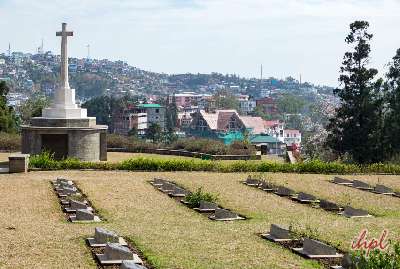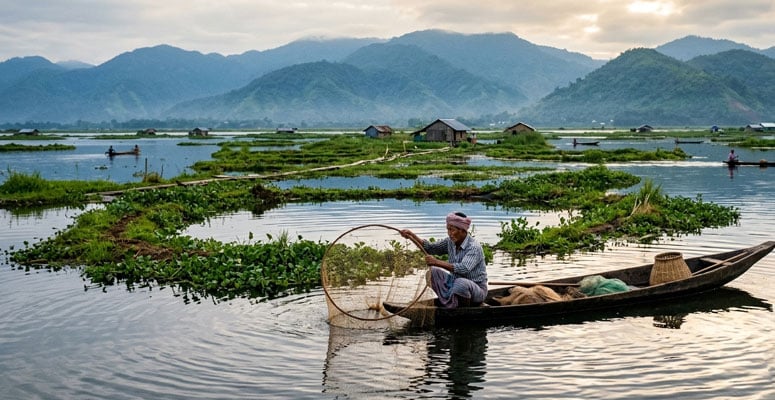

Manipur is best explored slowly and selectively rather than through an ambitious sightseeing checklist. The state’s appeal lies in its contrasting experiences: ancient royal heritage, vibrant local markets, floating islands, traditional villages, and rare wildlife found nowhere else in India.
For first-time visitors, the ideal experience usually combines Imphal’s cultural attractions, a full-day excursion to Loktak Lake, and at least one traditional village or nature experience. Distances in Manipur are manageable, but the real value comes from spending time at each attraction rather than rushing through multiple stops.
This guide helps you decide which places to visit in Manipur based on your interests, travel style, and available time.
Ideal time needed: 3 to 5 days for a balanced Manipur trip; 1 to 2 days for a short Imphal and Loktak itinerary.
Best pace: Keep Imphal attractions together on one day and dedicate a separate day to Loktak Lake and Keibul Lamjao National Park.
Best time to visit: October to March for comfortable sightseeing and clearer weather.
Guided context: Particularly useful for Kangla Fort, Andro Village, and Loktak Lake boat excursions.
Best for short stays: Kangla Fort, Ima Keithel, Loktak Lake, and Shri Govindajee Temple.
Practical note: The best experiences in Manipur are rarely rushed. Allow extra time for local interaction, scenic drives, and photography stops.
Which Manipur Attractions Should You Prioritise?
| Attraction / Route | Best For | Time Needed | Base / Route | Effort Level | Best Paired With | Keep Short / Skip If |
|---|---|---|---|---|---|---|
| Kangla Fort | First-time visitors, royal history, culture | 2–3 hrs | Imphal | Easy to moderate walking | Ima Keithel, Shri Govindajee Temple | You have only 2–3 hours total in Imphal |
| Ima Keithel | Local culture, markets, photography | 1–1.5 hrs | Imphal | Easy but crowded | Kangla Fort, local food stops | You dislike crowded markets |
| Manipur State Museum | Context before sightseeing | 45–60 min | Imphal | Easy | Kangla Fort, Govindajee Temple | Museum is closed or time is short |
| Loktak Lake | Nature, photography, couples, slow travel | Half day to full day | Moirang / Bishnupur side | Easy, boat-dependent | Sendra, Keibul Lamjao | You only have one Imphal day |
| Keibul Lamjao National Park | Wetland ecology, Sangai habitat, birding | 2–3 hrs | Loktak circuit | Easy, patience needed | Loktak Lake | You expect guaranteed wildlife sightings |
| Andro Village | Pottery, local culture, village life | Half day | Imphal side excursion | Easy to moderate | Imphal sightseeing | No local guide / access support available |
| Phayeng Village | Eco-village, sustainability, slow travel | 2–3 hrs | Imphal side excursion | Moderate, route-dependent | Imphal outskirts | You want mainstream sightseeing only |
| Willong Khullen | Monoliths, offbeat heritage | Half day plus travel | Senapati district | Route-dependent | Senapati cultural route | Short first-time Manipur trip |
| Shri Govindajee Temple | Vaishnavite heritage, spiritual stop | 45 min | Imphal | Easy | Kangla Fort, State Museum | Prayer crowd is high |
| Sanamahi Temple | Indigenous faith context | 30–45 min | Kangla Fort complex | Easy | Kangla Fort | Visitor access is restricted |
| Mahabali Temple | Devotional visit, Hanuman temple | 30–45 min | Imphal | Easy | Govindajee Temple | Tight cultural route |
Top Tourist Attractions to Explore in Manipur
1. Heritage and Cultural Attractions
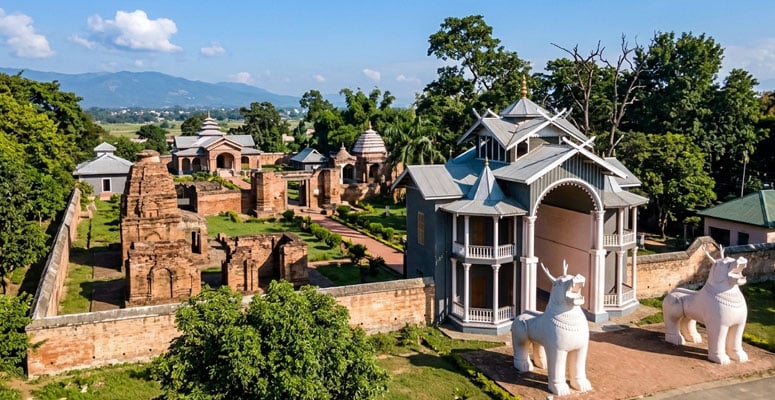
Manipur’s heritage attractions offer insight into the state’s royal history, unique social traditions, and centuries-old cultural identity. For first-time visitors, Imphal’s heritage sites are often the best starting point because they combine historical significance with living traditions that continue to shape everyday life. Most of these attractions are conveniently located within the city and can be explored comfortably over a day.
• Kangla Fort
Kangla Fort is not just a monument; it is one of Manipur’s most important cultural and historical sites. The sprawling complex now offers a fascinating mix of royal ruins, sacred sites, museums, and landscaped grounds.
Unlike many forts in India that impress through military architecture alone, Kangla’s importance lies in its stories. Walking through its gates gives visitors a deeper understanding of Manipuri history, traditions, and identity.
Best for: History enthusiasts, first-time visitors, families, and cultural travellers.
Time needed: 2 to 3 hours.
Best timing: Early morning or late afternoon when the weather is cooler.
Pairs well with: Ima Keithel and Shri Govindajee Temple.
• Ima Keithel
Ima Keithel, popularly known as the Women’s Market, is one of Manipur’s most distinctive cultural attractions. Entirely run by women, the market is not simply a place to shop-it is an institution that reflects the state’s social traditions and entrepreneurial spirit.
The official Imphal West district page describes it as a unique all-women’s market with around 3,000 women vendors, selling vegetables, fruits, fish, groceries, handlooms, tools, wickerwork and basketry.
Best for: Cultural travellers, photographers, families, and first-time visitors.
Time needed: 1 to 1.5 hours.
Best timing: Morning to early afternoon.
Pairs well with: Kangla Fort and local Imphal sightseeing.
• Manipur State Museum
For travellers seeking context before exploring the state, the Manipur State Museum offers a valuable introduction to the region’s tribal cultures, royal history, and artistic traditions.
Traditional costumes, archaeological artefacts, and cultural exhibits help visitors better understand the attractions they will encounter elsewhere in Manipur.
Best for: Families, students, and heritage travellers.
Time needed: 1 hour.
Best timing: Late morning.
Pairs well with: Kangla Fort and Shri Govindajee Temple.
2. Nature and Scenic Excursions
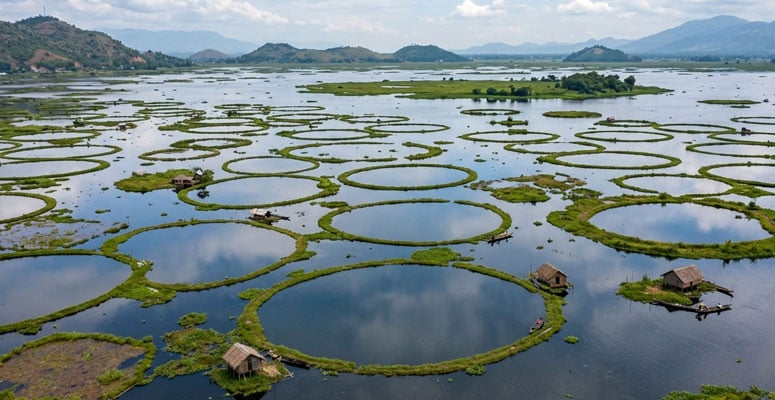
From the floating islands of Loktak Lake to the rare ecosystem of Keibul Lamjao National Park, Manipur’s scenic attractions reward travellers who prefer slower, experience-led sightseeing. Instead of rushing through viewpoints, allocate enough time for boat rides, nature walks, and simply enjoying the landscapes, as the experience is often as memorable as the attractions themselves.
• Loktak Lake
Loktak Lake is the attraction that defines Manipur for many travellers. Famous for its floating islands, locally known as phumdis, the lake offers a landscape unlike anywhere else in India.
Loktak Lake is Manipur’s signature nature experience and should be planned as a slow excursion rather than a quick viewpoint stop. Its floating phumdis, lake settlements, birdlife and changing light make it one of the strongest reasons to travel beyond Imphal.
Best for: Nature lovers, couples, photographers, and first-time visitors.
Time needed: Half day.
Best timing: Late afternoon and sunset.
Pairs well with: Sendra Island and Keibul Lamjao National Park.
• Keibul Lamjao National Park
Keibul Lamjao National Park is located on Loktak Lake and is officially described as the world’s only floating national park. It is also the last natural habitat of the Sangai, Manipur’s brow-antlered deer. The experience is quiet and ecology-focused, so it is best planned with patience rather than safari-style expectations.
The experience here is quieter and more nature-focused than traditional wildlife safaris. Visitors may get a chance to see the Sangai, but sightings depend on season, timing and park conditions.
Best for: Wildlife enthusiasts, birdwatchers, photographers, and slow travellers.
Time needed: 2 to 3 hours.
Best timing: Early morning or late afternoon.
Pairs well with: Loktak Lake.
3. Traditional Villages and Local Experiences
The villages of Manipur introduce travellers to a quieter side of the state, where traditional craftsmanship, indigenous customs, and community life continue to shape everyday experiences. Places such as Andro are not conventional sightseeing attractions but living cultural spaces where travellers can observe pottery-making traditions, visit local museums, and interact with communities that have preserved their heritage over generations. These experiences are best enjoyed at a relaxed pace.
• Andro Village
Andro Village offers a glimpse into Manipur’s traditional lifestyle, pottery traditions, and indigenous heritage.
The village feels very different from Imphal. Traditional homes, local museums, and pottery workshops allow travellers to experience a quieter side of the state.
Best for: Cultural travellers, families, and heritage enthusiasts.
Time needed: Half a day.
Best timing: Morning or late afternoon.
Pairs well with: Imphal city sightseeing.
• Phayeng Village
Phayeng Village offers a different side of Manipur, one that focuses on sustainability, indigenous traditions, and a close relationship with nature. Situated in the foothills of the Kangchup Hills, Phayeng Village is best treated as a slow cultural and eco-village experience near Imphal, suitable for travellers interested in community life, indigenous traditions and nature-linked rural settings.
Best for: Eco-tourists, cultural travellers, families, and slow travellers.
Time needed: 2 to 3 hours.
Best timing: Morning or late afternoon.
Pairs well with: Imphal sightseeing and nearby hill viewpoints.
• Willong Khullen
Hidden in the hills of Senapati district, Willong Khullen is an offbeat heritage village in Senapati district. It is known for its mysterious ancient monoliths, many of which resemble the stone heritage traditions found across parts of Northeast India.
Best for: Heritage enthusiasts, photographers, cultural travellers, and offbeat explorers.
Time needed: Half day.
Best timing: October to March for comfortable weather and clearer views.
Pairs well with: Senapati district sightseeing and cultural excursions.
4. Spiritual Attractions
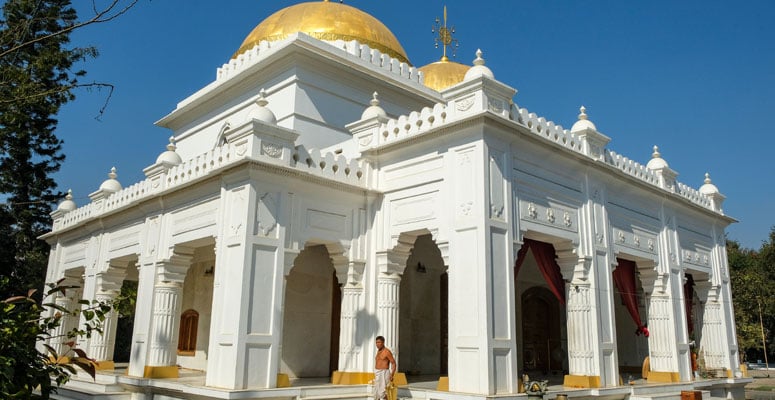
Manipur’s spiritual attractions reflect the state’s diverse religious traditions and peaceful cultural atmosphere. Temples such as Shri Govindajee Temple are not only important places of worship but also centres of local faith and tradition. Visitors who approach these sites with respect and curiosity often gain a deeper understanding of Manipur’s spiritual heritage while experiencing a quieter and more contemplative side of the state.
• Shri Govindajee Temple
Shri Govindajee Temple is a historic, Vaishnavite temple in Imphal and one of Manipur’s most important spiritual landmark in Imphal.
The twin golden domes, peaceful surroundings, and devotional atmosphere make it an ideal stop for travellers seeking a quieter cultural experience.
Best for: Spiritual travellers, families, and cultural visitors.
Time needed: 45 minutes.
Best timing: Morning or evening.
Pairs well with: Kangla Fort and Manipur State Museum.
• Sanamahi Temple
Located within the historic Kangla Fort complex, Sanamahi Temple is one of the most important spiritual sites for followers of the indigenous Sanamahi faith of Manipur. The temple holds immense cultural significance and offers visitors an opportunity to understand a religious tradition that predates the arrival of Hinduism in the region.
Best for: Spiritual travellers, cultural enthusiasts, and visitors interested in indigenous traditions.
Time needed: 30 to 45 minutes.
Best timing: Morning or early evening.
Pairs well with: Kangla Fort and Shri Govindajee Temple.
• Mahabali Temple
Situated on the banks of the Imphal River, Mahabali Temple is one of the most revered Hindu temples in Manipur and is dedicated to Lord Hanuman. The temple is particularly bustling on Tuesdays and Saturdays when devotees gather in large numbers.
Best for: Devotees, families, and spiritual travellers.
Time needed: 30 to 45 minutes.
Best timing: Early morning or evening.
Pairs well with: Shri Govindajee Temple and Kangla Fort.
How to Plan Your Manipur Sightseeing
Manipur is not a destination where you rush through a checklist of attractions. The experience is best enjoyed by combining Imphal’s historical landmarks with the state’s extraordinary natural landscapes around Loktak Lake. Travellers often underestimate travel times and try to cover too much in a short period. A more rewarding approach is to spend adequate time at fewer places, allowing you to experience the local culture, cuisine, and scenic beauty at a comfortable pace.
Suggested Route Circuits
1. Imphal Heritage and Culture Circuit
Route: Kangla Fort → Ima Keithel → Manipur State Museum → Shree Shree Govindajee Temple
Best for: First-time visitors, families, heritage travellers.
Time needed: Full day at a relaxed pace.
Why it works: This circuit keeps movement within Imphal and gives the clearest introduction to Manipur’s royal history, market culture and spiritual traditions.
2. Loktak Lake and Keibul Lamjao Nature Circuit
Route: Imphal → Loktak Lake → Sendra → Keibul Lamjao National Park → Imphal / lakeside stay
Best for: Nature lovers, photographers, couples, wildlife-interested travellers.
Time needed: Full day or overnight if the traveller wants a slower experience.
Why it works: Loktak and Keibul Lamjao are naturally paired because the park sits within the Loktak ecosystem.
3. Andro Cultural Village Circuit
Route: Imphal → Andro Village → pottery/local museum experience → return
Best for: Cultural travellers, slow travellers, families interested in crafts.
Time needed: Half day.
Why it works: Andro adds village life and craft context without pushing the itinerary too far from Imphal.
4. Phayeng Eco-Village and Imphal Outskirts Circuit
Route: Imphal → Phayeng Village → local interaction / nature-linked village visit → return
Best for: Eco-tourism interest, slow cultural travel, repeat visitors.
Time needed: 2–3 hours plus transfer time.
Why it works: It adds a community and sustainability layer beyond headline attractions.
5. Senapati / Willong Khullen Offbeat Heritage Extension
Route: Imphal → Senapati side → Willong Khullen → return / overnight route depending on logistics
Best for: Offbeat heritage travellers and photographers with extra time.
Time needed: Full day or more, depending on road conditions.
Why it works: This route is for travellers interested in indigenous heritage and monoliths beyond the Imphal-Loktak circuit.
6. Balanced 3–5 Day Manipur Route Layer
Route logic: Imphal heritage day + Loktak/Keibul day + Andro or Phayeng cultural day + optional offbeat extension.
Best for: Travellers who want a rounded Manipur experience without rushing.
Manipur Sightseeing Mistakes to Avoid
Avoid combining:
- Kangla Fort, Ima Keithel, Loktak Lake and Keibul Lamjao in one rushed day.
- Loktak Lake as a quick viewpoint stop if nature and photography are the main interest.
- Keibul Lamjao as a guaranteed Sangai sighting experience.
- Andro, Phayeng and Willong Khullen in one cultural-village day.
- Willong Khullen on a short first-time Manipur itinerary.
- Temple visits during prayer or festival crowds without checking access.
- Village visits without local guide support or prior arrangement.
- Monsoon long drives without buffer time.
A better rule is to choose one route theme per day: Imphal heritage, Loktak nature, village culture, or offbeat hill heritage.
Seasonal Planning Insight
October to December is one of the most rewarding periods for first-time visitors. The landscapes remain lush after the monsoon, Loktak Lake appears particularly scenic, and outdoor sightseeing is comfortable.
January to March offers the clearest weather and is ideal for exploring Imphal, heritage attractions, and taking longer excursions around the state. This is generally considered the best overall sightseeing season.
April and early May remain suitable for travel, although afternoons can become warmer. Morning sightseeing and evening visits to Loktak Lake are usually more comfortable.
Monsoon months transform Manipur into a lush green landscape. While the scenery becomes exceptionally beautiful, travellers should keep their schedules flexible, as occasional rainfall can affect road journeys and outdoor activities.
| Season | Best For | Planning Reality |
|---|---|---|
| October to December | Post-monsoon landscapes, Loktak views, first-time sightseeing | Often rewarding for scenery and outdoor movement; verify road and local conditions |
| January to March | Imphal heritage, village visits, Loktak and longer excursions | Usually one of the most comfortable windows, but do not claim guaranteed clear weather |
| April to early May | Quieter travel, morning sightseeing, shorter routes | Afternoons can be warmer; keep outdoor visits earlier or later |
| Monsoon months | Lush landscapes and photography | Rain may affect road journeys, boat rides, village visits and outdoor plans |
Tips for a Comfortable Visit
- Keep Imphal attractions together instead of crossing back and forth across the city.
- Carry cash for Ima Keithel, village stops, handicrafts and smaller eateries.
- Ask before photographing vendors, artisans, temples, homes or local rituals.
- Keep Loktak Lake and Keibul Lamjao as a separate full-day route.
- Use local guides for Kangla Fort, Andro, Phayeng and offbeat village routes.
- Confirm boat availability and safety arrangements before planning Loktak Lake.
- Carry sun protection, a light rain layer and comfortable footwear.
- For families and senior travellers, avoid long route days followed by late temple or market visits.
- For wildlife travellers, carry binoculars and avoid fixed expectations of Sangai sightings.
- Confirm ILP requirements before departure. The official Manipur ILP portal states that ILP is required for Indian citizens visiting Manipur.
Plan Your Manipur Sightseeing Route
Planning Manipur? The right route depends on your travel month, number of days, comfort level and whether you want Imphal heritage, Loktak Lake, Keibul Lamjao, village experiences or a wider Northeast circuit.
IndianHoliday’s Northeast specialists can help you plan guided sightseeing, private transfers, village visits, Loktak Lake pacing and permit-ready travel so that the trip stays meaningful without becoming rushed.
Share these details before finalising your route:
- Travel month
- Number of days
- Traveller age profile
- Interest: heritage, markets, nature, wildlife, temples, village culture or photography
- Route preference: Imphal only, Imphal + Loktak, or wider Manipur
- Need for local guide or private transfer
- Comfort with longer road journeys
- Whether Manipur is part of a wider Northeast itinerary