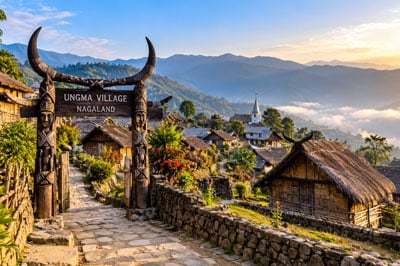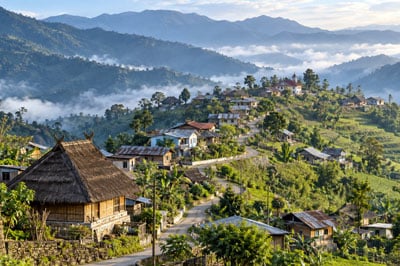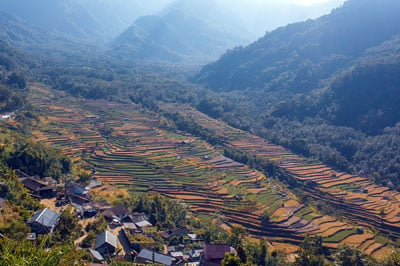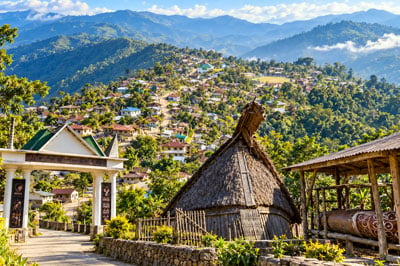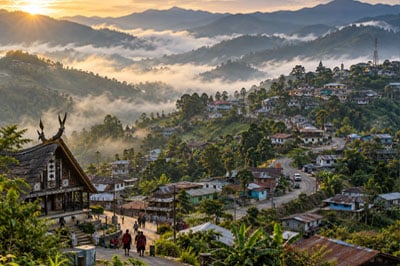
Kohima is far more than simply another picturesque destination of the North East. Surrounded by mist-covered hills, steep valleys, and culturally rich villages, the city offers a unique mix of history, nature, and indigenous heritage that is difficult to find elsewhere in India.
Known for its role in World War II, vibrant tribal traditions, and access to some of Northeast India’s most spectacular landscapes, Kohima appeals to travellers seeking meaningful experiences beyond conventional tourist destinations. Whether you are interested in history, trekking, cultural exploration, photography, or scenic drives, Kohima provides a rewarding introduction to the diverse character of Nagaland.
Let’s explore the most popular tourist attractions in Kohima and offer practical tips to help you plan your visit.
Who Should Prioritise Kohima?
Kohima appeals to a wider range of travellers than many destinations in Nagaland because it combines history, culture, villages, trekking, and scenic landscapes within a relatively compact landscape.
1. Best for First-Time Nagaland Visitors
If you are visiting Nagaland for the first time, Kohima should usually be your starting point. The city offers the state’s strongest combination of tourism infrastructure, cultural attractions, and access to nearby experiences.
2. Best for History Enthusiasts
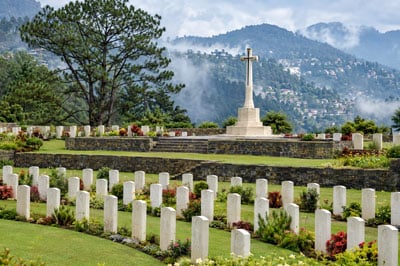
Kohima War Cemetery is one of India’s most important World War II sites and provides valuable context for understanding the region’s role in the Burma Campaign.
3. Best for Cultural Travellers
Kisama Heritage Village, Khonoma Green Village, and Touphema Tourist Village offer opportunities to learn about Angami Naga traditions, architecture, and community life.
4. Best for Nature and Adventure Lovers
Travellers interested in trekking and mountain scenery should prioritise Dzukou Valley and Japfu Peak.
5. Less Suitable For
Kohima may feel less rewarding for travellers seeking luxury resorts, nightlife, or fast-paced urban experiences. Its appeal lies in cultural discovery, landscapes, and slower exploration.
How Much Time Should You Spend in Kohima?
| Travel Style | Recommended Stay |
|---|---|
| Quick cultural overview | 1–2 days |
| First-time Nagaland visit | 3 days |
| Culture + villages | 3–4 days |
| Trekking-focused trip | 4–5 days |
| Nagaland circuit, including Mokokchung | 5–7 days |
Travellers interested only in city attractions can comfortably explore Kohima in one day, but those visiting Khonoma, Dzukou Valley, Japfu Peak, or Touphema should plan additional time.
Why Visit Kohima
Kohima combines historical significance with stunning natural beauty. The city serves as the cultural and administrative heart of Nagaland and provides convenient access to several of the state’s most celebrated attractions.
Visitors are drawn to Kohima for its:
- Rich Naga tribal heritage and traditions
- Historic World War II landmarks
- Scenic mountain landscapes and trekking routes
- Traditional villages and cultural experiences
- Festivals showcasing local customs and art
- Pleasant climate and panoramic viewpoints
Kohima Attractions at a Glance
To make planning easier, Kohima’s attractions can be grouped into four broad categories:
Top Tourist Attractions in Kohima

1. Kohima War Cemetery
The Kohima War Cemetery is the city’s most significant historical attraction. It commemorates soldiers who lost their lives during the Battle of Kohima in 1944, often described as one of the turning points of the Burma Campaign during World War II.
Best For:
- History enthusiasts
- First-time visitors
- Educational trips
Time Required: 45 minutes to 1 hour
Pair Well With:
- Nagaland State Museum
- Kohima Local Market
Who Should Prioritise It? Anyone visiting Kohima for the first time should include the cemetery, as it provides important historical context for the region.
2. Kisama Heritage Village
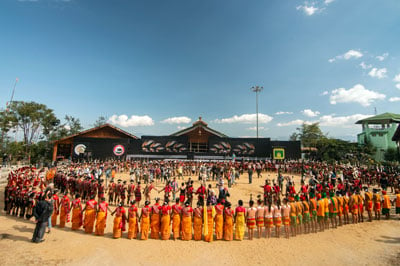
Located about 12 km from Kohima, Kisama Heritage Village is Nagaland’s cultural showcase and the permanent venue of the Hornbill Festival.
Best For:
- Cultural travellers
- Families
- First-time visitors
- Festival travellers
Time Required:
- 1–2 hours
- Half a day during the Hornbill Festival
Pair Well With:
- Khonoma Green Village
- Kohima city sightseeing
Best Time to Visit: Kisama is most vibrant during the Hornbill Festival, typically held in early December. Outside festival season, visitors can still explore traditional tribal architecture and cultural exhibits at a quieter pace.
3. Dzukou Valley
Dzukou Valley is widely regarded as Nagaland’s most famous natural attraction and one of Northeast India’s premier trekking destinations.
Best For:
- Trekkers
- Nature lovers
- Photographers
Time Required:
- Full-day trek
- Overnight stay for serious trekkers
Pair Well With:
- Japfu Peak
- Kohima stay
4. Japfu Peak
At over 3,000 metres above sea level, Japfu Peak offers one of Nagaland’s most rewarding trekking experiences.
Best For:
- Adventure travellers
- Sunrise photographers
- Experienced trekkers
Time Required: Full-day excursion
Pair Well With:
- Dzukou Valley
Comfort and Difficulty Guidance: Japfu Peak is better suited to active travellers with prior trekking experience. While the scenery is rewarding, steep sections and changing weather conditions make it less suitable for travellers seeking easy sightseeing.
5. Khonoma Green Village
Located approximately 20 km from Kohima, Khonoma combines cultural heritage, conservation success stories, and scenic countryside.
Best For:
- Cultural travellers
- Heritage enthusiasts
- Nature lovers
Time Required: Half day to full day
Pair Well With:
- Kisama Heritage Village
- Kohima city attractions
Who Should Prioritise It? Travellers seeking authentic village experiences often consider Khonoma one of the highlights of Nagaland.
Why It Matters: Khonoma is often considered one of the best places in Nagaland to experience how traditional Naga heritage, community-led conservation, and village life coexist today.
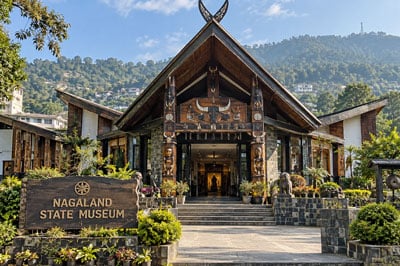
6. Nagaland State Museum
The museum offers one of the best introductions to Nagaland’s tribes, traditions, attire, and history.
Best For:
- First-time visitors
- Students of history
- Families
Time Required: 1–2 hours
Pair Well With:
- Kohima War Cemetery
- Local Market
7. Touphema Tourist Village
Situated approximately 40 km from Kohima, Touphema was developed to offer visitors an immersive introduction to Angami Naga culture.
Best For:
- Cultural travellers
- Families
- Slow-travel enthusiasts
Time Required: Half-day or overnight stay
Pair Well With:
- Khonoma
- Kisama Heritage Village
Attractions You Can Skip If Time Is Limited
Travellers with only one day in Kohima should focus on:
- Kohima War Cemetery
- Nagaland State Museum
- Kisama Heritage Village OR Khonoma Village
In such cases, Touphema Tourist Village and longer treks can be reserved for a future visit.
How to Plan Your Sightseeing in Kohima

Kohima can be explored comfortably over three to four days.
1. Half-Day Attractions
Several attractions can be covered within a few hours, including:
- Kohima War Cemetery
- Nagaland State Museum
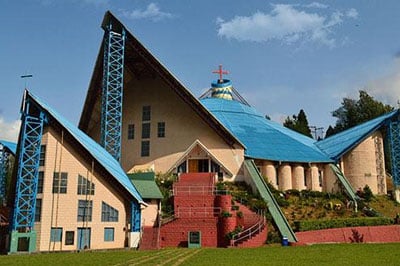
- Mary Help of Christians Cathedral
- Kohima Local Market
These attractions are ideal for travellers with limited time or those beginning their journey through Nagaland.
2. Full-Day Excursions
Nearby natural and cultural attractions often require a full day.
Popular options include:
- Dzukou Valley
- Japfu Peak
- Khonoma Green Village
- Touphema Tourist Village
- Kisama Heritage Village
Many travellers combine Kisama Heritage Village and Khonoma Village in a single excursion.
3. Popular Attraction Combinations
- Cultural Day: Kisama Heritage Village + Khonoma Green Village
- City Heritage Day: Kohima War Cemetery + Nagaland State Museum + Cathedral + Local Market
- Nature Day: Dzukou Valley Trek
- Extended Adventure Day: Japfu Peak Trek
These combinations minimise backtracking and make better use of travel time.
4. Trekking and Nature Experiences
Adventure enthusiasts often dedicate additional time to:
- Dzukou Valley Trek
- Japfu Peak Trek
- Village walks in Khonoma
- Photography tours across the surrounding hills
Suggested Kohima Sightseeing Circuits
1-Day Kohima Highlights Circuit
Ideal for travellers with limited time.
Suggested Route
- Kohima War Cemetery
- Nagaland State Museum
- Mary Help of Christians Cathedral
- Kohima Local Market
- Evening viewpoint stop
This route focuses on the city’s historical and cultural highlights.
2-Day Kohima Circuit
Day 1
- Kohima War Cemetery
- Nagaland State Museum
- Local Market
- Cathedral
Day 2
- Kisama Heritage Village
- Khonoma Green Village
This is the most balanced itinerary for first-time visitors.
3-Day Cultural Nagaland Introduction
Day 1
- Kohima War Cemetery
- Nagaland State Museum
- Cathedral
- Local Market
Day 2
- Kisama Heritage Village
- Khonoma Green Village
Day 3
- Touphema Tourist Village
This itinerary suits travellers primarily interested in culture, heritage, and village experiences rather than trekking.
3-Day Kohima and Nature Circuit
Day 1: Kohima city attractions
Day 2: Kisama and Khonoma
Day 3: Dzukou Valley trek
This route combines history, culture, and nature.
4-Day Kohima Explorer Route
Day 1: City sightseeing
Day 2: Kisama and Khonoma
Day 3: Dzukou Valley
Day 4: Touphema Tourist Village or Japfu Peak
Ideal for travellers wanting a deeper introduction to Nagaland.
Best Time to Explore Kohima Attractions
The most comfortable time for sightseeing in Kohima is generally from October to May.
During these months, clear skies and pleasant temperatures make it easier to enjoy outdoor attractions, cultural sites, and trekking routes. The post-monsoon period also brings lush green landscapes that enhance the region’s natural beauty.
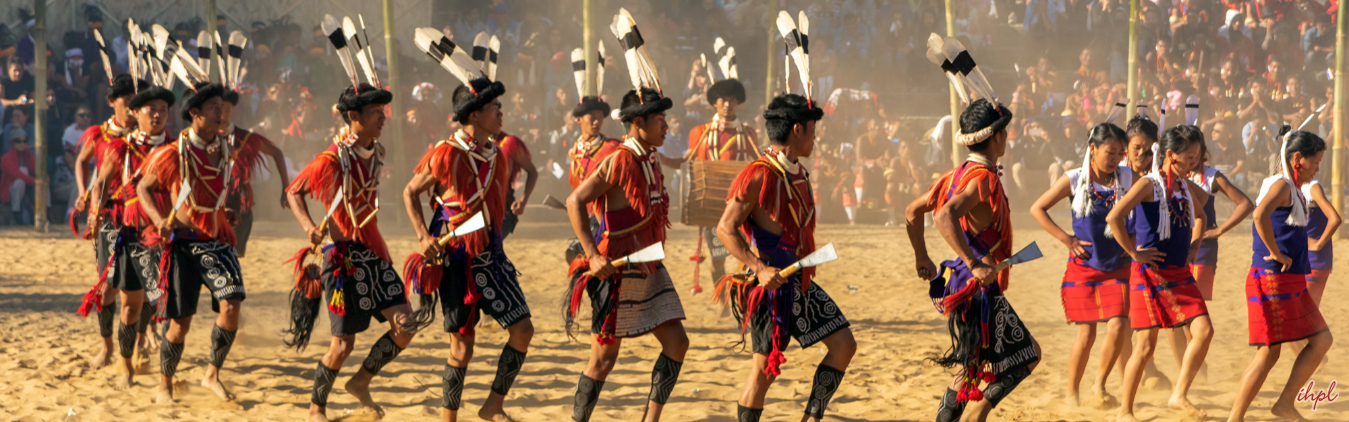
December is particularly popular because of the internationally renowned Hornbill Festival held at Kisama Heritage Village, where visitors can experience traditional music, dance, food, crafts, and cultural performances from different Naga tribes.
Travellers visiting during the monsoon season should be prepared for occasional rainfall and changing trekking conditions.
Seasonal Planning Insight
- October to November offers some of the clearest mountain views.
- December combines pleasant weather with Hornbill Festival celebrations.
- March to May is ideal for trekking and enjoying blooming landscapes around Dzukou Valley and Japfu Peak.
- The monsoon season generally brings lush scenery but can affect visibility and trekking conditions.
How Kohima Fits Into a Nagaland Itinerary
Most travellers use Kohima as the foundation of a wider Nagaland itinerary rather than visiting it in isolation.
1. Kohima + Khonoma (2–3 Days)
Best for:
- Weekend travellers
- First-time visitors
- Families
This combination covers the region’s most important historical and cultural attractions without requiring extensive travel.
2. Kohima + Dzukou Valley (3 Days)
Best for:
- Nature lovers
- Trekkers
- Photographers
This route balances city attractions with one of Northeast India’s most celebrated trekking destinations.
3. Kohima + Mokokchung (5–6 Days)
Best for:
- Cultural travellers
- History enthusiasts
- Northeast India explorers
Why it works: Kohima introduces visitors to Angami Naga heritage and state history, while Mokokchung provides deeper insight into Ao Naga culture and village life.
4. Nagaland Highlights Circuit (6–8 Days)
Suggested route: Kohima → Khonoma → Dzukou Valley → Mokokchung
This is often the most rewarding route for travellers seeking a broader understanding of Nagaland’s landscapes, history, and tribal cultures.
5. Kohima + Khonoma + Dzukou Valley (4 Days)
Best for:
- First-time Nagaland visitors
- Nature lovers
- Active travellers
Why it works: This combination covers the state’s most accessible mix of culture, heritage, village experiences, and trekking without requiring long inter-district journeys.
Practical Comfort Considerations
Visitors should be prepared for:
- Hilly terrain and frequent walking
- Cooler evenings, particularly from October to February
- Longer travel times than distances may suggest
- Limited public transport flexibility for sightseeing
- Occasional weather-related delays during monsoon months
Building extra time into daily plans generally results in a more comfortable experience.
Common Mistakes Travellers Make in Kohima
1. Treating Kohima as a One-Night Stop
Many visitors allocate only one night to Kohima before moving elsewhere in Nagaland. This often leaves insufficient time to explore nearby attractions such as Khonoma, Kisama, and Dzukou Valley.
2. Skipping the Villages
While the city contains important attractions, some of the most rewarding experiences are found in villages such as Khonoma and Touphema.
3. Underestimating Trek Durations
Dzukou Valley and Japfu Peak require considerably more time and effort than standard sightseeing attractions. Travellers should plan these as dedicated excursions rather than quick stops.
4. Planning Around the Hornbill Festival Only
The Hornbill Festival is a major attraction, but Kohima remains rewarding throughout the year. Visitors travelling outside festival season often enjoy quieter sightseeing and more meaningful interactions with local communities.
5. Overloading a Single Day
Mountain roads, sightseeing stops, and trekking routes often take longer than visitors expect. Allowing flexibility generally leads to a more enjoyable experience.
Planning a Larger Nagaland Journey
Kohima works best when combined with other destinations across Nagaland rather than visited as a standalone stop. Travellers often pair Kohima with Khonoma, Dzukou Valley, Mokokchung, and other cultural regions to gain a broader understanding of the state’s landscapes and tribal heritage.
Those seeking a more seamless experience may benefit from customised Nagaland itineraries that combine sightseeing, village visits, cultural experiences, and transport planning.
Conclusion
Kohima offers a fascinating blend of history, culture, and natural beauty. From the moving legacy of the Kohima War Cemetery to the cultural richness of Kisama Heritage Village and the breathtaking landscapes of Dzukou Valley and Japfu Peak, the city presents a wide range of experiences for travellers. Whether you are interested in heritage, adventure, photography, or cultural discovery, Kohima provides an unforgettable introduction to the unique spirit of Nagaland.