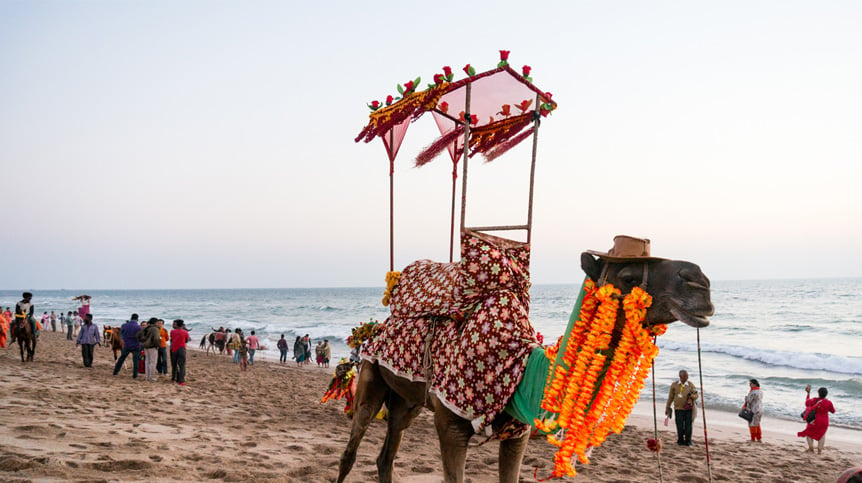

Planning Snapshot for Daman and Diu
Daman sits on the coast of southern Gujarat, close to Maharashtra, while Diu is a small island off the Kathiawar/Saurashtra coast. Planning them well starts with treating them as separate bases, not as one combined beach town.
Many travellers search for Daman and Diu together, but they are not two nearby sightseeing stops that fit into one casual local circuit. This guide helps you decide which places are worth prioritising, how much time each needs, and what can be paired together.
Quick Summary
Places to Visit in Daman
1. Moti Daman Fort
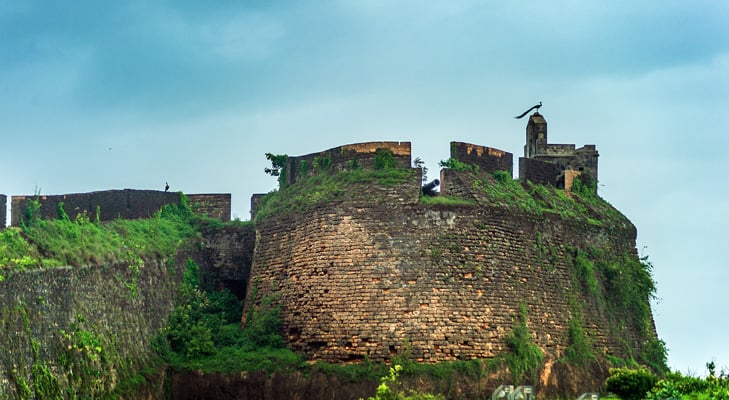
Moti Daman Fort is the main heritage anchor of Daman. It gives the town its strongest Portuguese-era character, with old walls, gateways, churches, and quiet corners that are better experienced on foot than through a quick drive-by visit.
Who it suits: Heritage travellers, architecture-focused visitors, photographers, and slow walkers who enjoy old streets and historical textures.
Approximate time needed: 1 to 2 hours, depending on how slowly you walk and whether you include nearby churches.
Best time of day: Morning or late afternoon is more comfortable for walking around the fort area.
Nearby pairing: Pair it with the Church of Bom Jesus and the Dominican Monastery for Daman’s strongest heritage circuit.
2. Church of Bom Jesus
The Church of Bom Jesus works best as a heritage and architecture stop, not only as a religious site. Its period character and interior details make it one of the more meaningful places to include when exploring old Daman.
Who it suits: Heritage lovers, architecture-focused travellers, slow walkers, and those interested in old church interiors.
Approximate time needed: 30 to 45 minutes is usually enough unless you are exploring the area in more detail.
Best time of day: Visit with Moti Daman Fort in the morning or late afternoon for a smoother walking route.
Nearby pairing: Combine it with Moti Daman Fort and Dominican Monastery rather than visiting it separately.
3. Dominican Monastery
Dominican Monastery is a quieter historic ruin and one of Daman’s more atmospheric heritage stops. It does not have the polished feel of a restored monument, which is precisely why it appeals to travellers who enjoy older, quieter structures.
Who it suits: Travellers who like atmospheric ruins, heritage photography, and less crowded historical corners.
Approximate time needed: 30 to 45 minutes, longer if you enjoy slow photography or quiet exploration.
Best time of day: Morning or late afternoon light works better for both comfort and photography.
Nearby pairing: Pair it with Moti Daman Fort and Church of Bom Jesus.
4. Jampore Beach
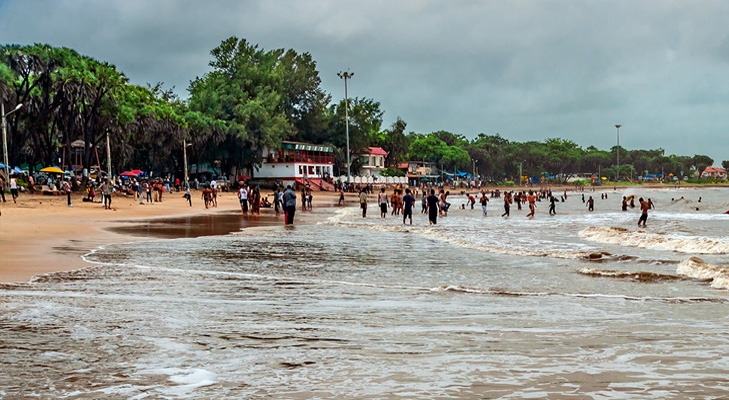
Jampore Beach is Daman’s more relaxed beach stop and a sensible way to end a heritage-heavy day. It is better suited to slow walks, sunset time, and unwinding than to a packed sightseeing schedule.
Who it suits: Families, couples, senior travellers, and anyone who wants an easy beach evening after heritage sightseeing.
Approximate time needed: 1 to 2 hours, especially around late afternoon or sunset.
Best time of day: Late afternoon and evening are more comfortable and atmospheric.
Nearby pairing: Visit the Moti Daman Fort, Church of Bom Jesus, and Dominican Monastery.
5. Devka Beach and NAMO Path
Devka Beach and NAMO Path are better understood as a promenade-style coastal experience rather than a classic swimming beach. The appeal is in sea views, evening walks, and an easy family-friendly outing.
Who it suits: Families, couples, senior travellers, and visitors looking for an easy evening walk by the sea.
Approximate time needed: 1 to 1.5 hours.
Best time of day: Evening is usually the most enjoyable time for the promenade atmosphere.
Nearby pairing: Choose Devka Beach/NAMO Path as an evening alternative to Jampore Beach, depending on where you are staying.
6. Mirasol Lake Garden
Mirasol Lake Garden is a soft leisure stop rather than one of Daman’s strongest heritage attractions. It works best when you need a slower break between sightseeing, especially with children or family travellers.
Who it suits: Families, couples, and travellers who want a gentle add-on rather than another heritage walk.
Approximate time needed: 45 minutes to 1.5 hours, depending on how leisurely you want the stop to be.
Best time of day: Late afternoon works well if you want to avoid the stronger midday heat.
Nearby pairing: Add it on a two-day Daman plan or use it as a lighter stop before an evening beach visit.
Places to Visit in Diu
1. Diu Fort
Diu Fort is the main sightseeing anchor of the island. Its sea-facing setting, Portuguese-era character, wide views, and old-world atmosphere make it more than just another fort stop.
Who it suits: Heritage travellers, photographers, families, couples, and anyone who enjoys coastal forts and viewpoints.
Approximate time needed: 1.5 to 2.5 hours if you want to explore without rushing.
Best time of day: Morning or late afternoon is better for walking and sea views.
Nearby pairing: Pair it with nearby old-town, church, or museum stops if included in your plan. Naida Caves can also be combined depending on your route.
2. Nagoa Beach

Nagoa Beach is Diu’s popular beach stop and often becomes the leisure centre of a Diu stay. It works better as a half-day coastal break than as a short photo stop squeezed between heritage sites.
Who it suits: Families, couples, relaxed beachgoers, and travellers who want a wider, more familiar beach setting.
Approximate time needed: 2 to 4 hours if you want to enjoy it at a comfortable pace.
Best time of day: Morning or late afternoon is usually more comfortable than the middle of the day.
Nearby pairing: Keep it separate from the fort-heavy part of the day if you want a more relaxed rhythm.
3. Naida Caves
Naida Caves are one of Diu’s most distinctive visual attractions. Their rock formations, narrow passages, and filtered light make them stand apart from the island’s forts and beaches.
Who it suits: Photographers, families with older children, soft explorers, and travellers looking for something beyond beach time.
Approximate time needed: 45 minutes to 1 hour.
Best time of day: Visit when the light is good, especially if photography is a priority.
Nearby pairing: Pair with Diu Fort or town-side attractions depending on your route.
4. Gangeshwar Temple
Gangeshwar Temple stands out because of its coastal setting. It is not just another temple stop; the shoreline atmosphere lends the visit a quieter, more reflective quality.
Who it suits: Travellers who appreciate quieter religious sites, coastal scenery, and meaningful short stops.
Approximate time needed: 30 to 45 minutes.
Best time of day: Morning or late afternoon usually feels more peaceful and comfortable.
Nearby pairing: Combine it with coastal viewpoints or include it on a slower second day in Diu.
5. INS Khukri Memorial
INS Khukri Memorial is a sober and respectful stop connected to India’s naval history. It should be approached with the right tone, as its value lies in remembrance rather than casual sightseeing.
Who it suits: Travellers interested in India’s naval history, respectful memorial visits, and sunset viewpoints.
Approximate time needed: 30 to 45 minutes.
Best time of day: Late afternoon or sunset works well if you want the viewpoint experience too.
Nearby pairing: Include it with a relaxed coastal drive or as a short stop before dinner.
6. Ghoghla Beach
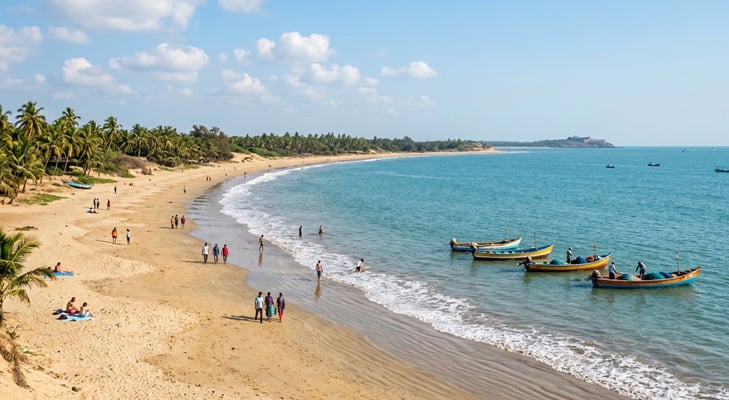
Ghoghla Beach is a broader, more open beach option in Diu. It can feel less compressed than the more popular beach areas and suits travellers who want a spacious coastal experience.
Who it suits: Families, couples, walkers, and travellers who prefer a less crowded beach setting when conditions allow.
Approximate time needed: 1.5 to 3 hours, depending on how much leisure time you want.
Best time of day: Morning or late afternoon is preferable for comfort.
Nearby pairing: Use it as an alternative for a half-day beach stop, or combine it with lighter coastal stops.
How to Plan Your Sightseeing in Daman and Diu
Good sightseeing in Daman and Diu depends on separating the two bases and avoiding overpacking. Daman can be handled more compactly, while Diu benefits from dividing heritage, caves, memorials, temples, and beaches across relaxed blocks.
1. If You Have One Day in Daman
Begin with Moti Daman Fort, then continue to the Church of Bom Jesus and the Dominican Monastery. This keeps the strongest Portuguese-era stops together and avoids unnecessary backtracking. Later in the day, choose either Jampore Beach for a quieter sunset-style break or Devka Beach/NAMO Path for a promenade-style evening.
Skip Mirasol Lake Garden if time is limited. It is pleasant as an add-on, but it is not stronger than the fort, church, monastery, or main coastal stops.
2. If You Have Two Days in Daman
With two days, Daman becomes more relaxed. Use one day for the fort, church, monastery, and a beach evening. Keep the second day lighter, with time for Mirasol Lake Garden, a slower beach visit, and a more comfortable revisit to either Jampore or Devka depending on where you are staying.
This pacing suits families, couples, and senior travellers who do not want the trip to feel like a series of short stops.
3. If You Have One Day in Diu
A one-day Diu plan needs sharper prioritisation. Focus on Diu Fort, Naida Caves, one beach, and either the Gangeshwar Temple or the INS Khukri Memorial, depending on your interests.
Choose Nagoa Beach if you want the more popular beach experience. Choose Ghoghla Beach if you prefer a broader and more open coastal setting. Trying to cover every beach, viewpoint, temple, cave, and memorial in one day will make Diu feel rushed.
4. If You Have Two Days in Diu
Two days are enough for Diu to open up properly. Keep one day for Diu Fort, Naida Caves, nearby town-side heritage stops, if included; and the INS Khukri Memorial. Use the second day for Nagoa Beach, Ghoghla Beach, Gangeshwar Temple, and slower coastal time.
Diu rewards this kind of pacing. The island feels more memorable when beaches, caves, and heritage are not forced into one tight circuit.
Can You Cover Daman and Diu Together?
You can include both Daman and Diu in a broader western India or Gujarat-linked journey but not as a single local sightseeing circuit. They are geographically far apart and require separate access and stay planning, as well as more days.
A better approach is to decide first whether your trip is centred on southern Gujarat/Maharashtra access, in which case Daman may be more convenient, or on Saurashtra/Gujarat coastal routing, in which case Diu often fits more naturally. If covering both, build in enough travel time and avoid treating them as interchangeable beach stops.
Best Time to Visit
The cooler months are generally the most comfortable time for sightseeing, fort walks, church visits, beach walks, and relaxed coastal evenings. This period works better for travellers who want to spend time outdoors without feeling rushed by heat.
Summers can feel hot for open-air sightseeing, especially around forts, beaches, and promenades. Monsoon travel should be planned with current beach, road, and local travel conditions in mind.
How to Reach
Daman and Diu need separate access planning because they sit in different coastal zones. Do not use a single arrival plan for both unless the wider route has been carefully planned.
1. Getting to Daman
Daman is usually approached through nearby rail and road links in Gujarat and Maharashtra. It is often convenient for travellers combining it with western India routes, short coastal breaks, or journeys linked to southern Gujarat.
2. Getting to Diu
Diu requires separate access planning and is often combined with the Gujarat/Saurashtra routes. It works better when planned as part of a dedicated Diu stay or a broader coastal Gujarat journey rather than as an extension from Daman without proper travel time.
Plan Your Daman & Diu Trip with IndianHoliday!
Daman and Diu are best planned with their differences in mind. IndianHoliday can help you shape the route based on time, access, and travel pace, whether you want a compact heritage-and-beach break in Daman or a slower island-style holiday in Diu – Click here.