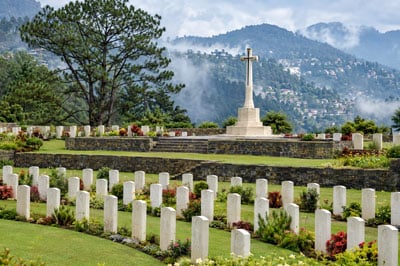
Kohima War Cemetery
Built on the battlefield of the 1944 Battle of Kohima, the cemetery commemorates Allied soldiers who died during World War II. Its terraced grounds also overlook the surrounding city and hills.

Kohima brings together Nagaland’s wartime history, Angami heritage and some of its best-known mountain landscapes. Visit the Kohima War Cemetery and State Museum in the city, explore Kisama and Khonoma for culture, or head towards Dzukou Valley and Japfu Peak for trekking and views.
Kohima Highlights
Built on the battlefield of the 1944 Battle of Kohima, the cemetery commemorates Allied soldiers who died during World War II. Its terraced grounds also overlook the surrounding city and hills.
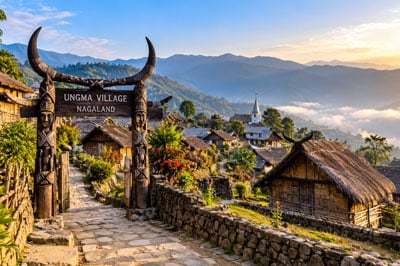
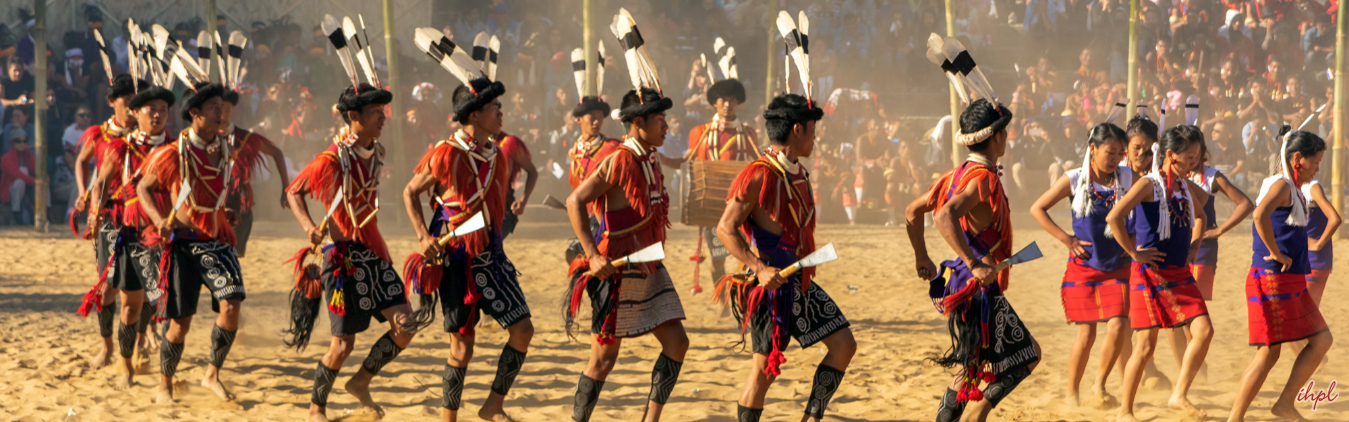
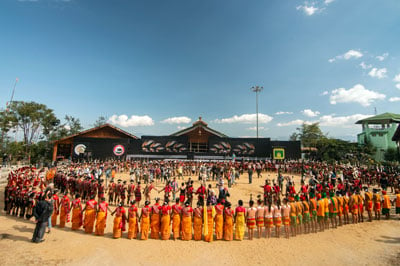
Around 12 km from Kohima, Kisama recreates traditional Naga village architecture through tribal morungs and cultural spaces. It is best known as the venue of the annual Hornbill Festival.
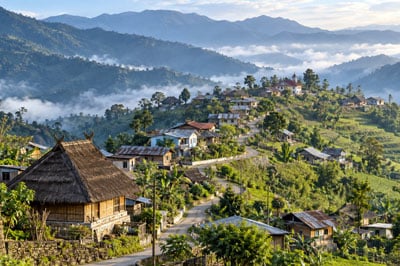
Dzukou Valley is one of Nagaland’s best-known trekking landscapes, with rolling green hills, streams and seasonal flowers. It lies about 30 km south of Kohima and requires dedicated trekking time.
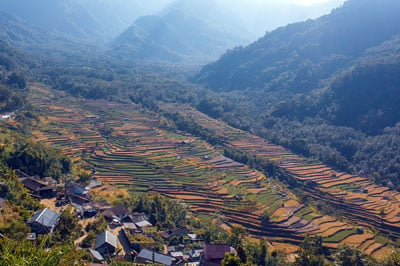
About 20 km from Kohima, Khonoma is known for terraced fields, Angami history and community-led conservation. It also provides access to the Khonoma Nature Conservation and Tragopan Sanctuary.
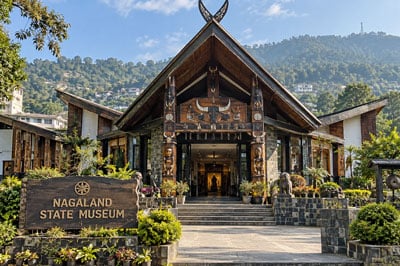
Located at Bayavu Hill, the State Museum displays traditional clothing, ornaments, weapons, musical instruments, artworks and models of Naga houses. It is a useful introduction to Nagaland before exploring its villages.
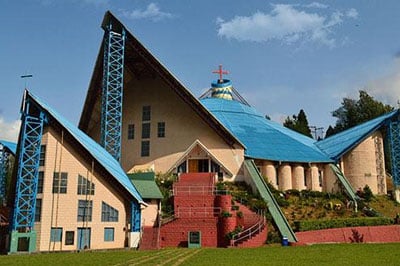
Set on Aradura Hill, the cathedral is recognised for its unusual architecture inspired partly by traditional Naga design. The hilltop location also provides views across Kohima.
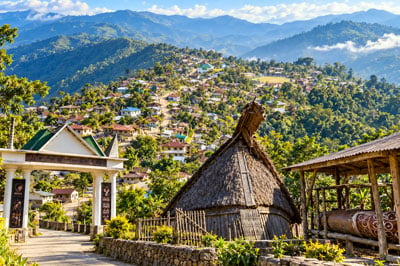
Kohima’s markets, including the BOC market area, are useful for seeing local produce, ingredients and everyday shopping culture. Ask before photographing vendors or stalls.
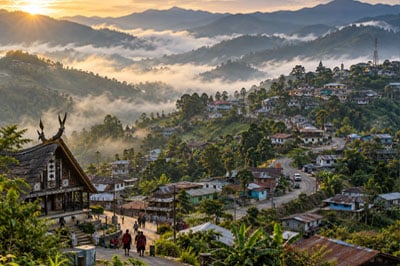
Kohima Village, traditionally known as Kewhira and also called Bara Basti, forms part of the present urban area. It is closely connected with the Angami heritage from which modern Kohima developed.
Kohima’s markets, including the BOC market area, are useful for seeing local produce, ingredients and everyday shopping culture. Ask before photographing vendors or stalls.
Your trip, your pace
Tell us whether you want to focus on history, Angami villages, the Hornbill Festival or trekking. Our travel experts can build a Kohima itinerary around the places and experiences that matter to you.
Curated itineraries
Dimapur – Kohima – Khonoma – Mokokchung – Tuensang – Mon – Jorhat – Kaziranga – Guwahati
Guwahati – Kaziranga – Kohima – Touphema – Dimori Cove – Khonoma – Dimapur
Why IndianHoliday
Kohima combines city sightseeing with village excursions and full-day nature trips. We plan the route around realistic road and trekking time instead of trying to fit every attraction into the same day.
Indian Holiday has planned journeys since 1990, giving our team the experience to build routes around real travel times—not just points on a map.
Tell us your dates, interests and preferred pace. Our travel experts shape the itinerary around them instead of forcing you into a fixed template.
Indian Holiday is recognized by the Ministry of Tourism, Government of India.
Indian Holiday has received the National Tourism Award twice, adding an independent trust signal to its long operating history.
Nagaland attraction questions
Kohima War Cemetery, Kisama Heritage Village, Dzukou Valley, Khonoma Green Village, Nagaland State Museum and Japfu Peak are the main attractions to prioritise on a first visit.
Start with the Kohima War Cemetery and Nagaland State Museum. The World War II Museum at Kisama adds more context to the region’s wartime history.
Khonoma, Kisama and Touphema are the strongest choices. Khonoma focuses on Angami heritage and conservation, Kisama presents the wider cultures of Nagaland, while Touphema offers a traditional village-style stay.
Dzukou Valley and Japfu Peak are the major trekking choices. Pulie Badze is useful for a shorter forest and hiking experience closer to Kohima.
Keep two days for the main city and cultural attractions. Allow three to four days if you want to add Dzukou Valley, Japfu Peak, Touphema or other longer excursions.
Prioritise Kohima War Cemetery, Nagaland State Museum and Kisama Heritage Village. If you prefer village heritage over a museum visit, replace the museum with Khonoma.
Yes. Kisama still provides a useful introduction to traditional Naga architecture and cultural identity outside the festival period, although it is most active during the Hornbill Festival.
No. Dzukou Valley is a trekking excursion rather than a quick roadside attraction. Keep separate time for the approach, trek and changing trail conditions rather than adding it to a city sightseeing day.