wp-img-auto-sizes-contain => 
wp-block-library => 
classic-theme-styles => 
wp-block-styles-placeholder => 
wp-global-styles-placeholder => 
custom-search-style => https://www.indianholiday.com/wordpress/wp-content/plugins/custom-search/css/custom-search.css
woocommerce-inline => 
searchanise_styles => https://www.indianholiday.com/wordpress/wp-content/plugins/smart-search-for-woocommerce/assets/css/se-styles.css
wp-shop-woocommerce-google-fonts => https://www.indianholiday.com/wordpress/wp-content/fonts/d38d9cb4cd64d82306a9aea29228f1bb.css
wp-shop-woocommerce-style => https://www.indianholiday.com/wordpress/wp-content/themes/wp-shop-woocommerce-child/style.css
wprevpro_w3 => https://www.indianholiday.com/wordpress/wp-content/plugins/wp-review-slider-pro/public/css/wprevpro_w3_min.css
Home / Uttarakhand / Rishikesh / Best Time to Visit Rishikesh

Best Time to Visit Rishikesh

October to March is a good time to visit Rishikesh for sightseeing, yoga stays and time around the ghats without the stronger summer heat. October, November, February and March offer a useful balance for outdoor plans, while December and January bring colder mornings and evenings. If rafting is the main reason for your trip, check the operating season separately: it generally runs from September to June, subject to river conditions and official permission. April to June can be hot, so plan walks early and leave midday open. July to September brings monsoon rain and high river flows. The town can still be visited when conditions allow, but rafting and riverside access should never be assumed.

Best overall: Oct–Mar Cooler months: Nov–Feb Warm season: Apr–Jun Main monsoon: Jul–Sep
We will use your email and phone number to help plan your trip faster (no spam).

Season overview

Find the Right Season

Choose your travel window around the places and experiences on your route. Seasonal conditions vary by region.

October to March

Best Season

Best for ghats, yoga stays and comfortable sightseeing

What to expect

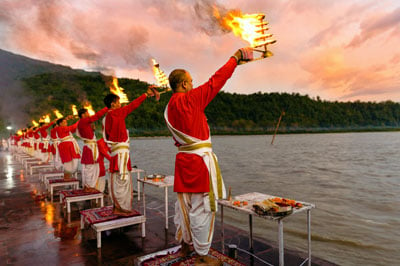
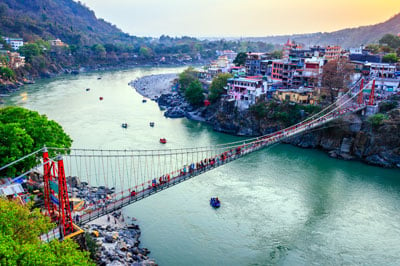
  • Plan temple visits and walks in the cooler part of the day, with time to reach Ganga Aarti without rushing.
  • Choose your base around the experience you want, whether that is an ashram routine, local cafés or quieter surroundings.
  • Check rafting availability directly for your dates; a favourable sightseeing month does not guarantee every river stretch is operating.
  • Carry warm clothing for winter mornings and evenings, especially if your plan includes early yoga or time outdoors after sunset.
April to June

Warm Season

Hot days call for early starts and a slower afternoon

What to expect

  • Finish longer walks and exposed sightseeing early, leaving the hottest hours for rest or indoor plans.
  • Check cooling and room ventilation before booking, particularly for summer camps or accommodation outside the main town.
  • Carry drinking water and sun protection rather than expecting the riverside setting to keep the town cool throughout the day.
  • Confirm river activities and transfers separately, with extra flexibility as June approaches the monsoon.
July to September

Monsoon Season

Best approached with flexible plans

What to expect

  • Expect humid, rainy weather, with high river flows and possible disruption on roads into the surrounding hills.
  • Do not plan rafting during the normal monsoon suspension; confirm the official reopening before choosing September for it.
  • Follow local restrictions around ghats and riverbanks, keeping away from flooded steps and closed access points.
  • Choose flexible sightseeing or an indoor yoga programme rather than making waterfalls, riverside walks or adventure activities essential to every day.

Experience by season

What Each Season Means

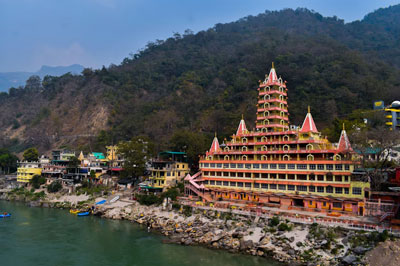
spring landscape and nature travel

October to March

Leave Time for the Hills and Views

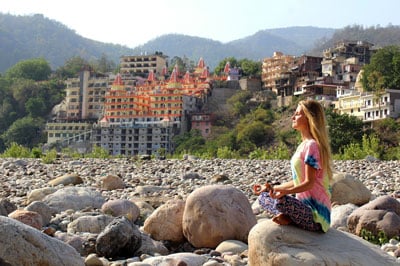
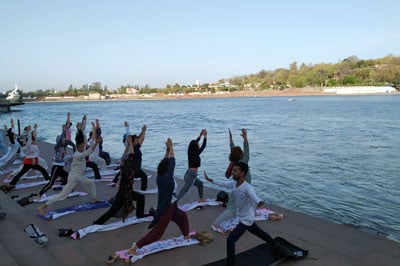
Leave space in the day for the riverfront rather than moving continuously between sights. A temple visit, a café stop and time at an open ghat can sit comfortably around an evening aarti. If yoga is part of the plan, confirm the class schedule first and arrange sightseeing around it. Autumn and the milder weeks of spring suit this combination well. In December and January, take an extra layer for early starts and evenings near the river. Rafting needs a separate check for conditions and availability. Keep it on a different part of the schedule so that a delay does not leave you rushing to aarti.

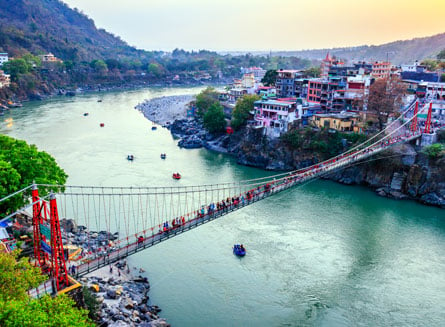
Mist and green landscapes during monsoon

April to June

Start Early and Slow Down at Midday

Rishikesh is a foothill town, and April to June can feel hot despite the river and surrounding hills. Make an early start for walks or sightseeing, then return for a proper break rather than filling the afternoon with exposed outings. Your choice of accommodation matters more in this season: check cooling, shade and the facilities at any camp before confirming. If you book rafting, follow the operator’s instructions and allow time for transfers as well as the activity itself. Towards June, keep plans open to weather changes. A manageable day with fewer stops is usually more enjoyable than a tightly packed schedule in the heat.

cultural travel in winter

July to September

Enjoy the Setting with Flexible Plans

During the monsoon, plan Rishikesh around what is open and suitable on the day. Yoga classes, temple visits and time at your accommodation may still fit, while river and waterfall outings need much more flexibility. High water can change access to the ghats, so follow local instructions even if the weather near your hotel looks calm. Rafting is normally suspended during the main rains, and September reopening depends on clearance rather than a fixed date. Check road conditions before any excursion into the hills. If you mainly want adventure activities and have a short holiday, choose a different travel window instead of relying on a break in the rain.

Customised Uttarakhand tour planning

Your trip, your pace

Plan Your Rishikesh Stay Around the Season

Tell us your dates, starting city and whether you want Ganga Aarti, a yoga stay, rafting or a mix of experiences. We can help choose accommodation and transfers that fit the programme. If Haridwar, Dehradun or the hills are also on your route, we can allow time for those journeys without rushing your stay in Rishikesh.

Curated Itineraries

Explore Rishikesh Your Way

8 Nights / 9 DaysYoga and Spiritual Travel

Yoga Tour in Himalayas

Delhi – Haridwar – Rishikesh – Delhi

Price On RequestView itinerary

11 Nights / 12 DaysYoga, Heritage and Pilgrimage

Yoga Spiritual India Tour

Delhi – Agra – Haridwar – Rishikesh – Varanasi – Delhi

Price On RequestView itinerary

11 Nights / 12 DaysYoga, Heritage and Pilgrimage

Yoga and Meditation Tour

Delhi – Haridwar – Rishikesh – Shivpuri – Delhi

Price On RequestView itinerary

7 Nights / 8 Days

Valley of Flowers Trek From Delhi

Delhi – Haridwar – Joshimath – Govindghat – Ghangaria – Hemkund Sahib – Ghangaria – Valley of Flowers – Ghangaria – Govindghat – Rudraprayag – Rishikesh – Haridwar – Delhi

₹27,000 View itinerary

Why IndianHoliday

What Sets Us Apart

A Rishikesh trip works better when the daily plan reflects why you are visiting. A yoga programme needs time around classes, an adventure break needs transfers and operating checks, and a short sightseeing stay needs a convenient base. We help arrange accommodation and travel around those priorities. Whether you want a focused Rishikesh visit or a wider Uttarakhand journey, the itinerary should leave room to enjoy each experience without hurrying between them.

About IndianHoliday

Experience that improves the route

Indian Holiday has planned journeys since 1990, giving our team the experience to build routes around real travel times—not just points on a map.

A trip shaped around your pace

Tell us your dates, interests and preferred pace. Our travel experts shape the itinerary around them instead of forcing you into a fixed template.

Recognized by the Ministry of Tourism

Indian Holiday is recognized by the Ministry of Tourism, Government of India.

Two-time National Tourism Award winner

Indian Holiday has received the National Tourism Award twice, adding an independent trust signal to its long operating history.

FAQs

What to Know Before Visiting Rishikesh

Which is the best month to visit Rishikesh?

October, November, February and March are good months for a balance of sightseeing, yoga and time outdoors. December and January can also work if you enjoy colder mornings and evenings. April onwards becomes hotter. If rafting is your main priority, check availability for the specific dates and route rather than choosing only by the weather.

Is rafting open in Rishikesh in July and August?

Rafting is normally suspended during July and August because monsoon conditions raise river levels. Reopening generally falls in September, but it depends on inspections, permissions and river conditions. Confirm the official status before booking a rafting-focused trip. A hotel or camp accepting guests does not mean rafting is available during the same dates.

Is May too hot to visit Rishikesh?

May can be hot, especially for long walks and exposed sightseeing around midday. A visit is still possible if you start early, keep afternoon plans light and choose accommodation with suitable cooling. Carry drinking water and sun protection. For a trip focused on outdoor sightseeing, October–March generally offers a more comfortable starting point.

Is September or October better for Rishikesh?

October is generally the simpler choice for sightseeing after the main rains, though the forecast still needs checking. September can remain wet, and rafting may not have reopened when your trip begins. If river activities matter most, wait for confirmed operating dates before booking. Choose according to the experience you want rather than assuming the monsoon ends at the start of September.

Is December a good time to visit Rishikesh?

December can suit temple visits, yoga and daytime sightseeing if you are comfortable with cold mornings and evenings. Carry warm layers for early classes and time at the ghats after sunset. Rafting, when operating, is a separate decision involving cold water and the operator’s guidance. Rishikesh itself is not a snowfall destination, so do not book a winter stay expecting snow in town.

How many days are enough for Rishikesh?

Two to three days can cover a relaxed sightseeing visit, an evening aarti and an activity when conditions permit. Add days for a yoga course, a retreat or excursions beyond town. Allow for transfers if your stay is near Shivpuri or farther from the main sightseeing areas. Keep arrival and departure travel separate from full days wherever possible.

Already know when you want to travel?

Choose an itinerary with time for Rishikesh’s ghats, yoga and permitted river activities, with a stay and daily pace that suit your travel month.

Explore Rishikesh Tour Packages