








The best time to visit Nalanda depends on the kind of experience you’re seeking—heritage exploration, Buddhist cultural immersion, academic-historic interest, or a well-paced journey that combines Nalanda with larger Bihar circuits such as Rajgir and Bodh Gaya. As one of India’s most meaningful archaeological and spiritual destinations, Nalanda demands thoughtful trip timing. The quality of your experience – how comfortably you walk through the excavated ruins, how long you can spend at the museum, and the clarity of your day planning- changes dramatically with the seasons.
For culture and heritage planners, choosing the right months ensures you can explore the iconic Nalanda University Archaeological Site, the ancient monasteries, stupas, and the surrounding Buddhist circuit without heat stress or seasonal interruptions. Below, you’ll find season-wise recommendations, practical planning insights, and routing options that make integrating Nalanda into a premium Bihar itinerary smooth and meaningful.
Best Time for Comfort-First & Heritage Travelers
Ideal months: November to February
If your priority is comfortable, unhurried heritage exploration, the winter season—November to February—is the ideal time to visit Nalanda. Temperatures stay mild through the day, and the dry, cool air supports long walks across the expansive archaeological site. Winter is also the most comfortable period for scholars, heritage travellers, and Buddhist pilgrims who want to spend extended time exploring the site.
Experience: Expect crisp mornings perfect for the archaeological site, gentle afternoons to explore sculptural relics and monasteries, and pleasant evenings ideal for museum visits or walking around Rajgir and nearby heritage pockets. Winter creates the ideal ambience for slow, reflective travel, where history and spirituality blend naturally.
Families often pair Nalanda with Rajgir’s ropeway and Bodh Gaya’s temple complex, creating a balanced mix of history, culture, and easy sightseeing for children.
Best Time for Families
Ideal months: December to February
Families benefit most from the cooler months when children and elders can comfortably navigate Nalanda’s historical spaces. The archaeological complex involves walking across wide courtyards, stairs, and structured paths—activities that become far easier in winter’s mild climate.
Experience: Expect easy-paced days with plenty of time to learn, observe, and explore. The museum, excavated ruins, and nearby temples provide a strong educational experience for children, while the clean winter visibility enhances the experience for all ages.
Best Time for Culture, Buddhism & Heritage Enthusiasts
Cultural peak: November to February
Nalanda is home to ruins that once formed one of the world’s oldest universities. It forms a core stop on India’s Buddhist pilgrimage trail, attracting monks, scholars, and spiritual travellers from across Asia. Heritage travellers and Buddhist devotees find winter the most rewarding period, when day-long cultural circuits can be completed comfortably.
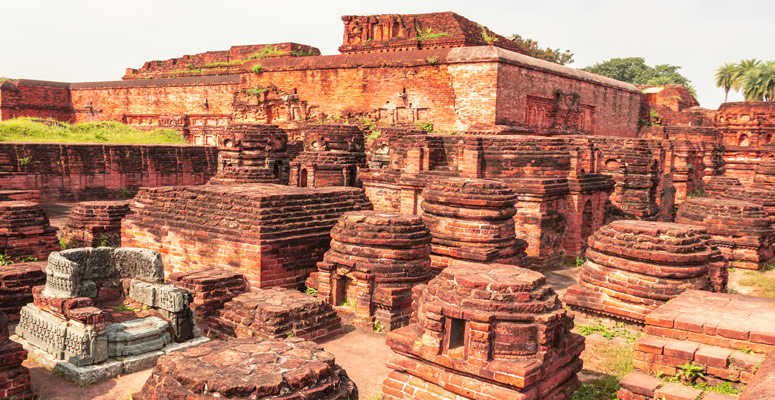
Experience: Expect immersive exploration: brick monasteries, votive stupas, lecture halls, walkways used by monks centuries ago, and sculptural remains that narrate Nalanda’s vast history. Winter sunlight brings architectural details into focus, creating a refined viewing experience for photography and historical study.
Best Time for Planners Combining Nalanda with Wider Bihar Circuits
Ideal months: Late November to March
For travellers designing structured circuits—Nalanda + Rajgir + Bodh Gaya—the cooler months provide smooth transit windows, predictable conditions, and ease of day planning.
Experience: Expect comfortable drives, clear visibility for scenic hill views around Rajgir, and reliable access to museums, temples, and stupa complexes across the Buddhist trail.
Useful routes: Buddhist Tour Packages in India
Who Will Love It: Expect scenic drives between Nalanda and Rajgir, clear hill views around Rajgir Valley, and relaxed temple visits in Bodh Gaya. The cooler weather makes it easy to combine archaeological exploration, pilgrimage visits, and cultural sightseeing within the same trip.
When to Avoid Crowds & Maintain Comfort
Best shoulder months: Late October & early March
If you prefer fewer crowds with manageable weather, these edge-of-winter windows are ideal. They allow comfortable pacing and more flexibility while still delivering good sightseeing conditions.
What You’ll Experience
- Fewer visitors at the archaeological site
- Excellent visibility for photography
- Easier access to guides
- Smoother museum visits
- Pleasant mornings for ruins, softer afternoons for shaded structures
Season Framing
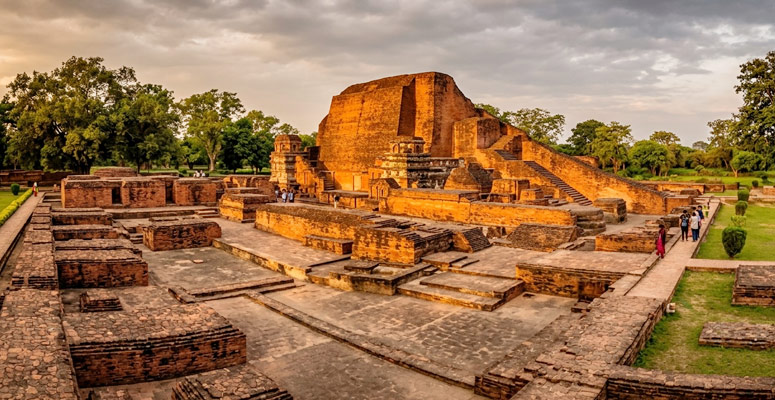
Nalanda’s three main seasons significantly impact how comfortably you can explore open-air heritage locations, walk across ancient complexes, and combine your trip with nearby cultural hubs.
Summer (March–June): Limited Travel for Structured Heritage Travel
Summer limits how long travellers can comfortably explore the open ruins. Most visitors shorten their time at the archaeological complex or restrict visits to early morning hours.
Experience: Travellers who prioritise comfort, academic interest, or cultural depth generally avoid this season. Heat directly limits time-on-foot at the heritage complex.
Monsoon (July–September): Lush Landscapes, Limited Practicality
Monsoon brings bursts of greenery to Nalanda and Rajgir. While the landscape becomes scenic, frequent rainfall makes open-air ruins slippery, and day-long heritage circuits become unpredictable.
Why it’s not ideal: Archaeological sites require stable footing, dry paths, and long uninterrupted visitation windows—conditions that the monsoon does not consistently offer. While the surrounding countryside becomes lush and scenic, frequent rain makes long heritage walks difficult and reduces the practicality of full-day Buddhist circuit itineraries.
Winter (November–February): The Ideal Season for Structured Travel
Winter transforms Nalanda into a heritage traveller’s paradise. The weather supports detailed exploration, photography, scholarly interest, and cultural immersion.
Why winter works best: Travellers can comfortably walk long distances, combine multi-site visits, and build smooth three- to four-stop daily routes across the broader Buddhist circuit.
Practical Planning Signals (Essential Before Booking)
1. Booking Lead Time
Peak winter (Dec–Jan): 4–6 weeks
Shoulder months (Oct & Mar): 3 weeks
Summer/Monsoon: Not recommended for premium cultural travel
2. Pricing Expectations
Highest: December–January
Moderate: November & February
Lower: Late October, early March
3. Crowd Levels
High: December–January
Moderate: November–February
Low: October & March
Very Low: Monsoon
4. Duration Recommendations
Nalanda heritage circuit: 1–2 days
Nalanda + Rajgir: 2–3 days
Nalanda + Rajgir + Bodh Gaya: 3–4 days
Full Bihar cultural circuit: 5–7 days
5. Time-of-Day Planning
Nalanda’s archaeological site is large and sun-exposed.
Best approach: Visit ruins and stupas in the morning, reserve the museum and shaded areas for afternoon hours.
6. What to Pack by Season
Winter: Light jackets, scarves, comfortable footwear
Shoulder months: Breathable cottons + evening layer
Summer (not recommended): Sun protection essentials
Explore Relevant Tours & Itineraries
These itineraries streamline planning and help you experience the finest of Nalanda and the broader Buddhist circuit with expert-guided ease.