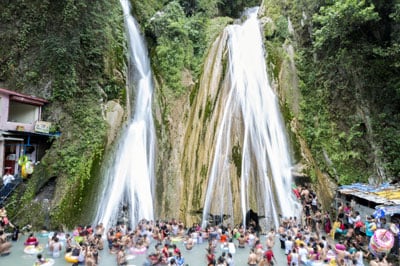
Mussoorie and the Pantwari Approach
Plan through Dehradun and the Mussoorie side for Nag Tibba, with Pantwari as a common starting village. Keep the onward road transfer separate from the time needed for walking and an overnight stop.

A forest path opening onto a meadow can be just as rewarding as a summit. In Uttarakhand, you can choose a short climb near Mussoorie, follow village trails into Har Ki Dun or spend several days approaching a glacier. Each route asks something different of you. Start with your walking experience, available days and the season, then look at daily climbs and overnight stops. A well-chosen trek leaves time to notice the landscape along the way.
Explore by Destination
Plan through Dehradun and the Mussoorie side for Nag Tibba, with Pantwari as a common starting village. Keep the onward road transfer separate from the time needed for walking and an overnight stop.
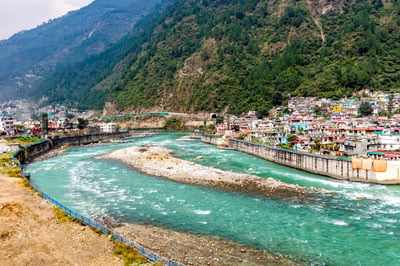
Sankri is a staging village for Kedarkantha and the approach to Har Ki Dun. Settle in after the drive from Dehradun and confirm the next road transfer, trailhead and walking stages with your trekking team.
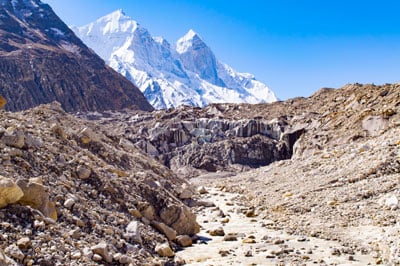
Use Uttarkashi for onward journeys towards Dayara Bugyal or Dodital. The routes start from different villages, so confirm whether your itinerary uses Raithal, Barsu or another approach before arranging transport.
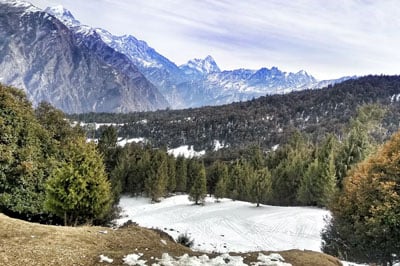
Joshimath and the surrounding villages provide access to Kuari Pass routes, while Auli offers walks towards Gorson. Check the exact starting point and overnight plan; the two experiences need different amounts of time.
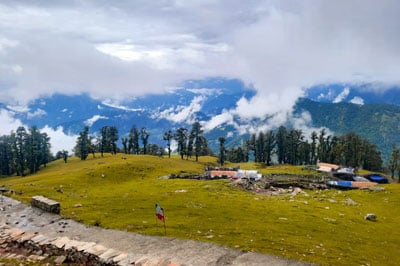
Chopta is the base for Tungnath and Chandrashila, while the walk to Deoria Tal begins at Sari. You can combine these outings, but allow separate walking time rather than treating them as one continuous short trail.
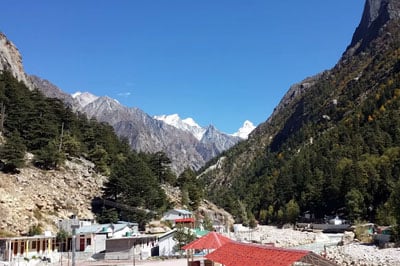
Gangotri is the starting town for Gaumukh and Kedartal, two very different mountain routes. Compare terrain, altitude and overnight arrangements before deciding, and complete the relevant permissions before the walk begins.
Uttarakhand Highlights
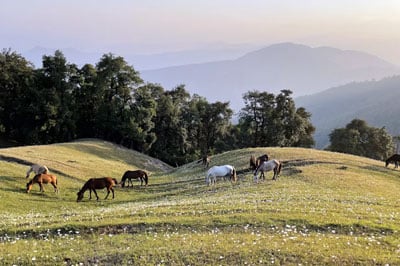
Choose Nag Tibba when you want a shorter camping trek with a summit objective. The Pantwari approach takes you through forest and open stretches. A short itinerary still involves sustained climbing, so allow a sensible pace and time for the descent.
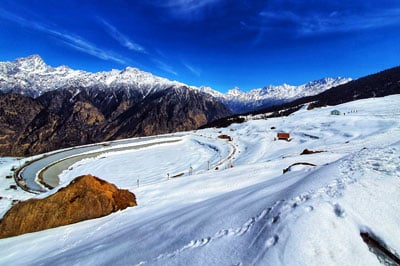
Kedarkantha combines forest trails, camps and a final summit climb from the Sankri side. It is especially popular for winter trekking. Snow changes the effort and equipment needed; choose an itinerary that allows preparation and rest before the summit day.
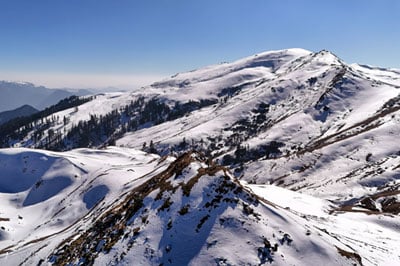
Dayara Bugyal opens into broad alpine meadows above the Uttarkashi region. Raithal and Barsu are common approaches, with the route and duration depending on the plan. Walk on established trails and use permitted campsites to protect the meadow landscape.
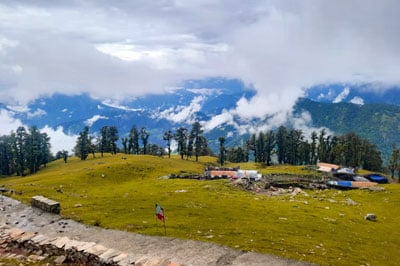
The climb from Chopta reaches Tungnath Temple before continuing towards Chandrashila when conditions allow. The upper section is steeper and can be icy in winter. Treat the temple visit and summit extension as separate choices rather than an automatic combined walk.
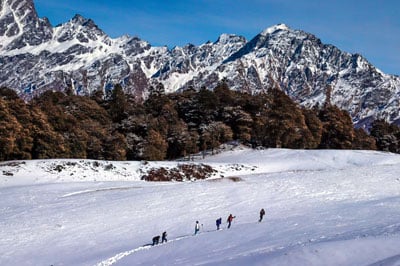
Kuari Pass routes combine woodland, meadows and wide Himalayan views in the Joshimath region. Different itineraries use different trailheads and camps. Compare the daily climbs and season before choosing a departure, particularly when snow remains on the higher sections.
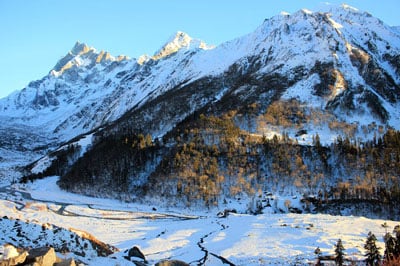
Har Ki Dun is a valley journey through forest, river scenery and village landscapes. It suits walkers who enjoy the changing route as much as the destination. Check whether any glacier excursion is included, as that adds effort beyond the main valley trek.
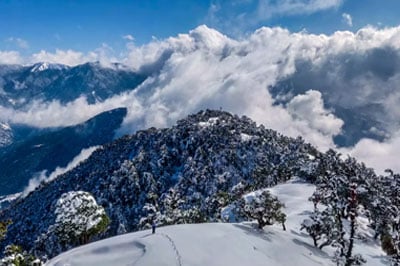
Starting from Lohajung, Brahmatal brings together wooded trails, lake scenery and views towards Trishul and Nanda Ghunti. Winter gives the route a different character, with cold camps and possible snow. Confirm the walking stages and seasonal equipment with your operator.
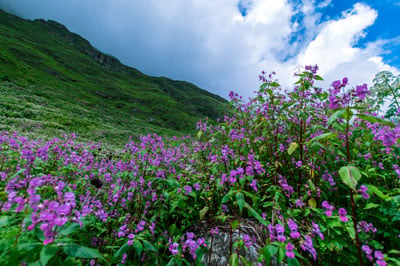
Walk from Ghangaria into the Valley of Flowers during the national park’s opening season. Flowering changes through the summer, so dates shape what you see. Return to Ghangaria after the day’s visit; Hemkund Sahib is a separate, steeper outing.
The Gaumukh route follows the Bhagirathi valley from Gangotri towards the snout of Gangotri Glacier. Plan for national park permission, altitude and overnight arrangements. Continuing beyond Gaumukh towards Tapovan involves more demanding terrain and needs a separately assessed plan.
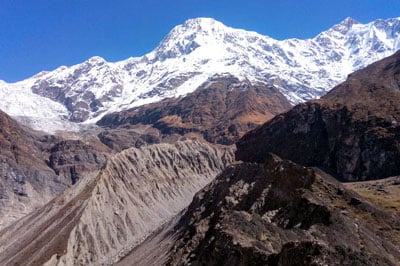
The Pindari journey follows villages and the river valley towards the glacier viewpoint known as Zero Point. It is an established Kumaon route, but needs several walking days. Confirm the current roadhead, bridge conditions and overnight support before fixing your schedule.
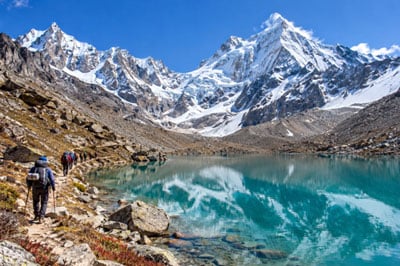
Kedartal is a high-altitude lake trek from Gangotri, with rough terrain and striking mountain surroundings. It requires experience, acclimatisation and reliable guide support. Choose it for a dedicated trekking holiday with time to adjust to the altitude, rather than a short shrine-side excursion.
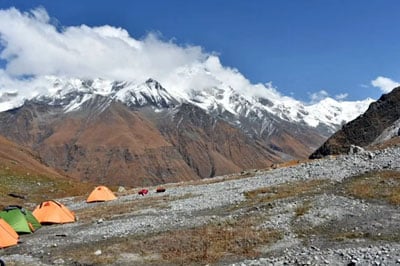
Bali Pass connects the Har Ki Dun side with the Yamunotri region on a demanding mountain crossing. Long walking days, altitude and changing snow conditions make it a route for experienced trekkers. Confirm the crossing plan, guide team and contingency arrangements before booking.
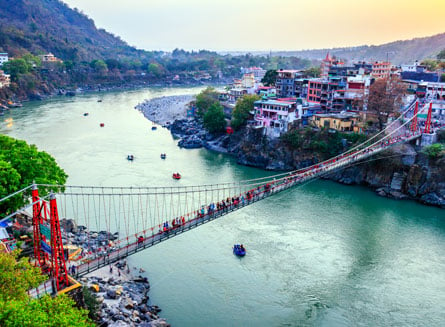
Your trip, your pace
Tell us your trekking experience, preferred scenery and available days. Our travel experts can help plan a suitable route with the right approach journeys, overnight stops and time around the trek, including a hill stay before heading home.
Uttarakhand City Tour Packages
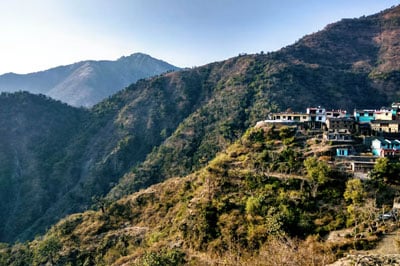
Browse journeys beginning in Dehradun, a useful arrival point for several Garhwal treks. Add an overnight stay when you want to rest before the longer drive to the base.
Explore trips through Uttarkashi and the surrounding valleys. For Dayara Bugyal or Dodital, confirm a dedicated walking itinerary with the correct trailhead and overnight support.
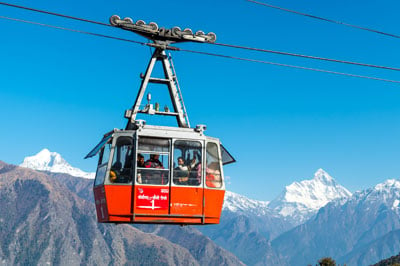
Compare mountain stays around Auli and Joshimath, with scope for suitable local walks. A Kuari Pass trek needs its own schedule beyond the time included in a sightseeing holiday.
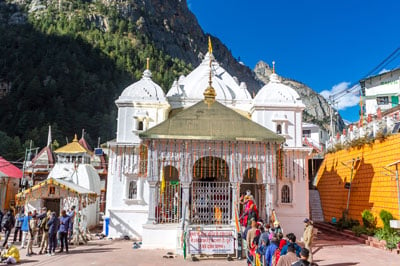
Find routes through Harsil and Gangotri with time for the valley journey. Request additional trekking days and arrangements if Gaumukh or Kedartal is part of your plan.
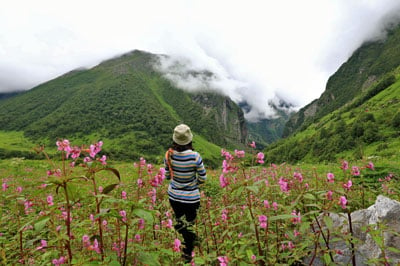
Browse trekking itineraries through Govindghat and Ghangaria to the national park. Check whether Hemkund Sahib is included and compare the effort involved on each walking day.
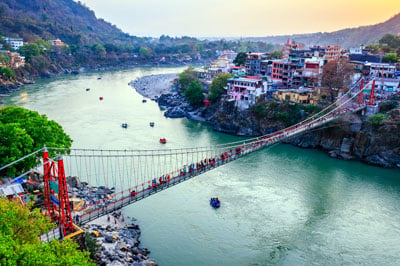
Explore journeys using Rishikesh as an arrival or return stop for Garhwal. A riverside stay can give you time to rest after the trek before travelling onwards.
Curated Itineraries
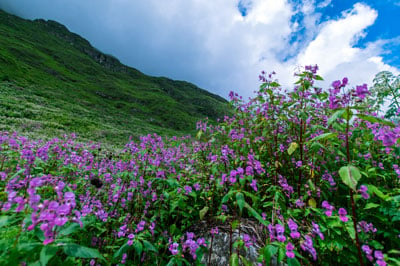
Delhi – Haridwar – Joshimath – Govindghat – Ghangaria – Hemkund Sahib – Ghangaria – Valley of Flowers – Ghangaria – Govindghat – Rudraprayag – Rishikesh – Haridwar – Delhi
Dehradun – Taluka – Har ki Doon – Jaundhar – Osla – Sankri – Dehradun
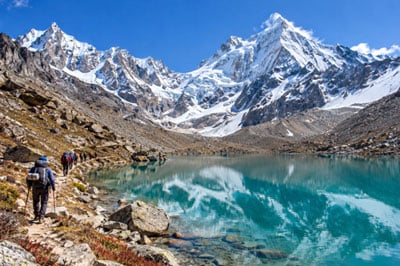
Kathgodam – Lohajung – Bekaltal – Khabekhal/Brahmatal – Daldum – Lohajung – Kathgodam
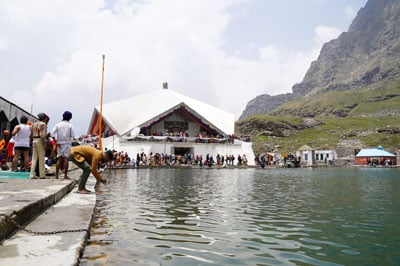
Haridwar – Joshimath – Ghangaria – Hemkund Sahib – Valley of Flowers – Rudraprayag – Rishikesh – Delhi
Why IndianHoliday
A good trekking plan makes the walking days and the journeys around them work together. We help compare routes, arrival points and overnight arrangements, with clear details about the services included. Tell us about previous treks, camping preferences and how much time you have. We can help shape a practical holiday around your chosen trail, with space for rest and changes in mountain conditions.
Indian Holiday has planned journeys since 1990, giving our team the experience to build routes around real travel times—not just points on a map.
Tell us your dates, interests and preferred pace. Our travel experts shape the itinerary around them instead of forcing you into a fixed template.
Indian Holiday is recognized by the Ministry of Tourism, Government of India.
Indian Holiday has received the National Tourism Award twice, adding an independent trust signal to its long operating history.
FAQs
Nag Tibba is a useful shorter option, while Dayara Bugyal can suit fit walkers ready for several days on the trail. Compare daily climbs, altitude and overnight conditions before choosing. A beginner-friendly description does not mean a trek needs no preparation.
March–June and September–November suit many routes, with dates varying by altitude and snow. Selected trails are popular in winter, while the Valley of Flowers is visited during its summer opening season. Confirm conditions for the specific trek and departure.
Kedarkantha, Brahmatal, Dayara Bugyal and selected Kuari Pass routes are popular winter choices. Snowfall, road access and the condition of the upper trail vary. Ask about current equipment requirements and the alternative plan if the intended route is unsuitable.
Requirements depend on the route and protected area. Forest or park entry permission, identification and guide support may be needed. Ask the operator to confirm the current rules and what is included in the booking before you reach the trailhead.
A short Nag Tibba plan can fit into roughly two days from a nearby gateway, while many multi-day treks need around five to eight days including transfers. Longer or higher routes require more time. Count the approach and return journeys as well as the walking days.
Check the daily walking plan, highest altitude, accommodation and transfer points. Ask whether guides, meals, permits, equipment and luggage support are included. Confirm the policy for weather changes and unused services, and leave enough time before your onward journey.
Choose the kind of trail you want and the days you can spare. Share your experience and travel month for a trekking holiday with suitable walking stages, stays and transfers.