wp-img-auto-sizes-contain => 
wp-block-library => 
classic-theme-styles => 
wp-block-styles-placeholder => 
wp-global-styles-placeholder => 
custom-search-style => https://www.indianholiday.com/wordpress/wp-content/plugins/custom-search/css/custom-search.css
woocommerce-inline => 
searchanise_styles => https://www.indianholiday.com/wordpress/wp-content/plugins/smart-search-for-woocommerce/assets/css/se-styles.css
wp-shop-woocommerce-google-fonts => https://www.indianholiday.com/wordpress/wp-content/fonts/d38d9cb4cd64d82306a9aea29228f1bb.css
wp-shop-woocommerce-style => https://www.indianholiday.com/wordpress/wp-content/themes/wp-shop-woocommerce-child/style.css
wprevpro_w3 => https://www.indianholiday.com/wordpress/wp-content/plugins/wp-review-slider-pro/public/css/wprevpro_w3_min.css
Home / Kerala / Munnar / Tourist Attractions Munnar

Tourist Attractions in Munnar

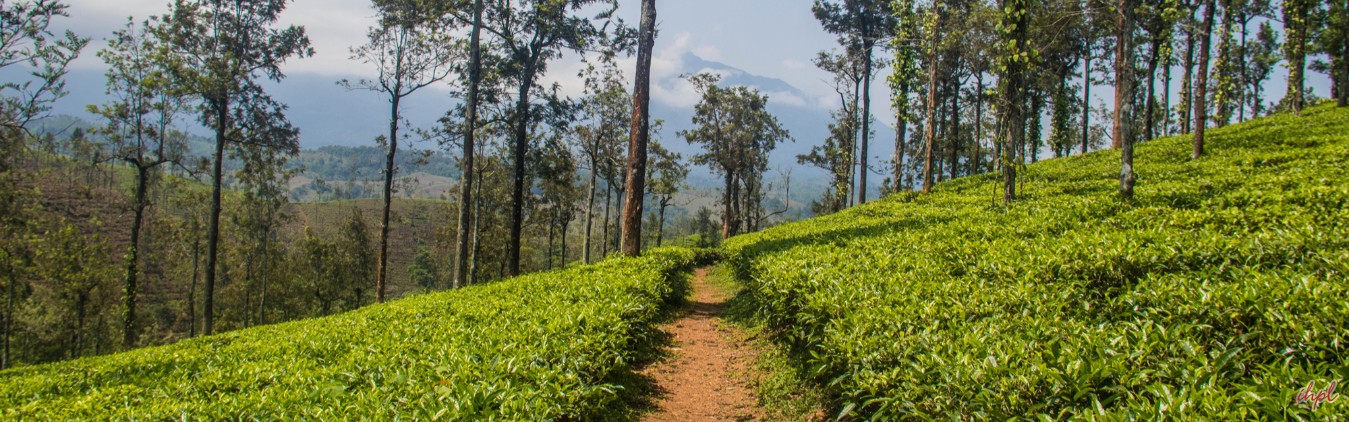
Munnar’s sights spread out along winding hill roads, so a good visit starts with choosing a direction. Follow the Mattupetty route for lakes and viewpoints, visit Rajamala for mountain grasslands and Nilgiri tahr, or learn how tea shaped the town at the Tea Museum. These eight attractions offer a mix of scenery, wildlife and local history without turning every day into a long drive.

Tea heritage Hill views and wildlife Lakes and waterfalls
We will use your email and phone number to help plan your trip faster (no spam).

Munnar Highlights

Tea Heritage and Hill Landscapes

Eravikulam National Park

The Rajamala visitor area offers views across high grasslands and a chance to see the endangered Nilgiri tahr. Allow time for the park’s transport arrangements and the walk within the visitor zone. Seasonal closure protects the tahr during calving, usually around February and March; check the official dates before planning your visit.

Munnar Tea Museum

At Nallathanni Estate, the Tea Museum traces Munnar’s plantation history through photographs, machinery and displays on tea processing. It adds context to the tea-covered slopes seen on almost every drive. Check opening days and demonstration schedules if watching the processing equipment is a priority.

Top Station

On the longer excursion towards the Kerala–Tamil Nadu border, Top Station offers wide views across the Western Ghats. It is a rewarding choice on a clear day, but cloud can hide the valleys. Combine it with stops along the Mattupetty–Kundala route and allow time for the walk to the viewing areas.

Pothamedu Viewpoint

Pothamedu looks across slopes planted with tea, coffee and cardamom. Close enough to pair with a shorter outing from Munnar, it suits travellers who want plantation views without committing to a full-day excursion. Stop where parking is permitted and visit in clear weather for the best outlook.

Lakes and Waterfalls

Mattupetty Dam

The reservoir at Mattupetty combines broad water views with wooded hills and tea country nearby. Spend time by the permitted viewing areas or consider boating when services are operating. It is a natural first stop on the road towards Echo Point, Kundala and Top Station.

Kundala Lake

Kundala offers a quieter-looking stretch of water surrounded by hills on the Top Station route. It works well as a lakeside break between longer drives. Boating is an option when available, but leave time simply to enjoy the setting rather than planning every stop around an activity.

Echo Point

Known for its natural echo effect, this lakeside stop lies along the road beyond Mattupetty. The water and green slopes make it a popular place for a short walk and photographs. Pair it with Kundala on the same outing and expect a busier atmosphere on weekends and holidays.

Attukad Waterfalls

Between Munnar and Pallivasal, Attukad tumbles through a rocky landscape surrounded by hills. Water flow changes with the season, and the falls can be especially striking after rain. Enjoy them from accessible viewing areas; wet rocks and stronger currents make climbing down or entering the water unsuitable.

Customised Munnar tour planning

Your trip, your pace

Build a Munnar Stay Around Your Interests

Spend longer among the tea hills, plan a family day by the lakes or leave room for a clear-weather viewpoint outing. Tell us your dates, hotel preferences and must-see places. We can arrange a Munnar itinerary that groups nearby stops and gives each day a manageable pace.

Curated itineraries

Explore Munnar Your Way

View All Munnar Packages →
Romantic Kerala Tour

5 Nights / 6 Days

Romantic Kerala Tour

Cochin – Munnar – Alleppey – Kovalam – Trivandrum

Price on requestView Itinerary
Scenic Kerala Tour

8 Nights / 9 Days

Scenic Kerala Tour

Cochin – Munnar – Thekkady – Kumarakom – Alleppey – Kovalam – Trivandrum

From ₹23,499 per personView Itinerary
South of Malabar Coast

16 Nights / 17 Days

South of Malabar Coast

Chennai – Covelong – Pondicherry – Tanjore – Madurai – Kodaikanal – Munnar – Cochin – Mararikulam – Cochin

Price on requestView Itinerary
South India Honeymoon Tour

11 Nights / 12 Days

South India Honeymoon Tour

Coimbatore – Ooty – Coonoor – Kodaikanal – Munnar – Periyar – Kumarakom – Alleppey – Cochin

Price on requestView Itinerary
Splendor of Kerala Tour

9 Nights / 10 Days

Splendor of Kerala Tour

Cochin – Guruvayoor – Munnar – Thekkady – Kumarakom – Alleppey – Kanyakumari – Kovalam – Trivandrum

Price on requestView Itinerary
Southern Tea Estate Tour

6 Nights / 7 Days

Southern Tea Estate Tour

Cochin – Munnar – Ooty – Coimbatore

Price on requestView Itinerary

Why IndianHoliday

What Sets Us Apart

Distances alone do not tell you how much you can see in Munnar. We help plan around winding roads, your hotel’s location and the time you want to spend at each attraction.

FAQs

What to Know Before Visiting Munnar

What are the main places to visit in Munnar?

Eravikulam National Park, the Tea Museum, Mattupetty Dam, Kundala Lake, Echo Point and Top Station are popular first-trip choices. Pothamedu adds plantation views, while Attukad offers a waterfall stop. Choose according to your available time and the direction of your hotel.

Are two days enough for Munnar sightseeing?

Two full sightseeing days allow a useful selection of the main attractions. Use one day for the Mattupetty–Kundala route, with Top Station if time and visibility allow. Keep another for Eravikulam and a shorter local visit. Arrival and departure drives reduce the sightseeing time in a two-night stay.

Which Munnar attractions can I visit on the same route?

Mattupetty Dam, Echo Point, Kundala Lake and Top Station lie along the same general sightseeing corridor. Eravikulam is in a different direction, so it is usually easier to plan separately. Your starting hotel and time spent at each stop will affect what fits comfortably.

Is Eravikulam National Park open throughout the year?

The Rajamala tourism area closes seasonally to protect Nilgiri tahr during calving, generally around February and March. Exact dates are announced by the authorities. Check the official opening and ticket arrangements for your travel dates rather than assuming access.

Do I need a jeep to visit the main Munnar attractions?

The main road routes to places such as Mattupetty, Kundala and Top Station can generally be covered by a regular car in suitable conditions. Some separate off-road excursions require different vehicles. Ask which route and activity a jeep charge covers before adding it to your booking.

Is the Tea Museum worth visiting?

It is a good choice if you want to understand tea production and Munnar’s plantation history. The machinery and displays add something different to a day of viewpoints. Travellers mainly interested in landscapes may prefer a shorter museum visit and more time outdoors.

Can I walk into any tea garden in Munnar?

No. Many tea estates are private working properties. Use public viewpoints or book a plantation visit with permission. A roadside view does not mean you can enter the fields, pluck tea or walk through processing areas.

Can I visit Munnar’s waterfalls during the monsoon?

Rain can make the falls more impressive, but heavy downpours may also affect roads, visibility and access. Check local conditions before travelling and use designated viewing areas. Avoid entering streams or climbing wet rocks, and keep an alternative plan for severe weather.