How to Reach Munnar
Choose your airport or railway gateway and plan the final hill drive.

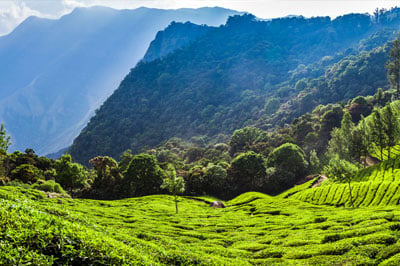
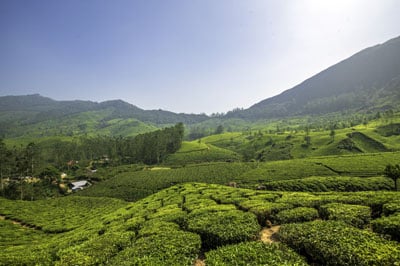
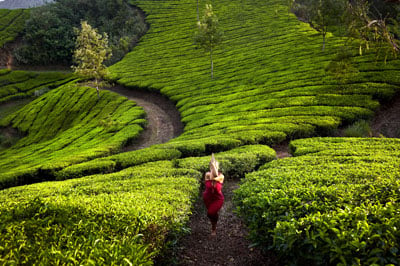
Tea-covered slopes, winding roads and cool mornings shape a stay in Munnar. Explore the tea museum, look for Nilgiri tahr at Eravikulam and follow the lake road towards Top Station. Allow two full days for sightseeing, with another day if a guided trek is part of your plan.
Explore Munnar
Choose your airport or railway gateway and plan the final hill drive.
Match your dates to walking weather, rain and park access.
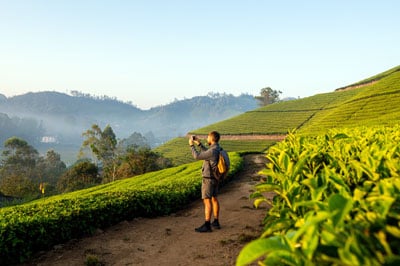
Find a guided trail that suits your fitness and available time.

Group tea gardens, lakes and viewpoints into manageable outings.
Top Tourist Attractions in and Around Munnar
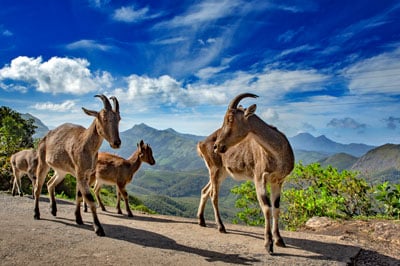
Visit the Rajamala tourism area for high grasslands and the chance to see Nilgiri tahr. Allow time for entry and the park’s transport arrangements. The park closes during the calving season, so check opening dates before fixing your visit.
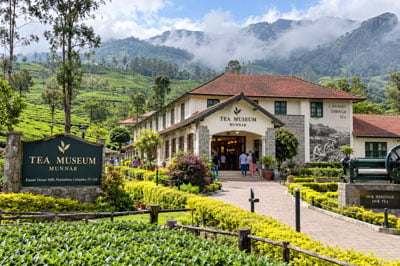
The Tea Museum at Nallathanni introduces Munnar’s plantation history through old machinery and exhibits. It gives context to the tea-covered hills you see along the roads. Check opening hours and demonstration availability before adding it to your day.
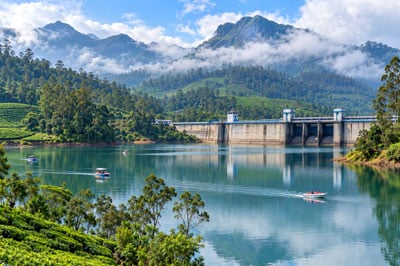
Stop beside the reservoir for views of water and wooded slopes. Boating may be available, depending on conditions and operations. Mattupetty fits naturally into an outing along the road to Echo Point, Kundala Lake and Top Station.
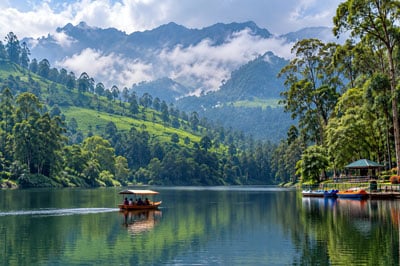
This lakeside stop is known for the echo created by the surrounding hills. Spend a little time by the water and enjoy the scenery along the approach. It works as a short break on the Mattupetty route.
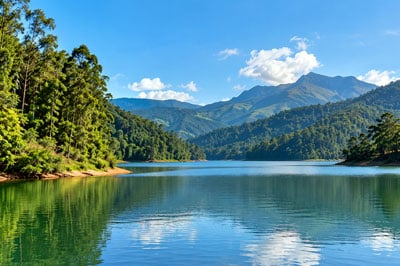
Set among hills and plantations, Kundala is a pleasant place to pause on the way to Top Station. Leave time for the lake views rather than only a roadside photograph. Check locally if you want to include boating.
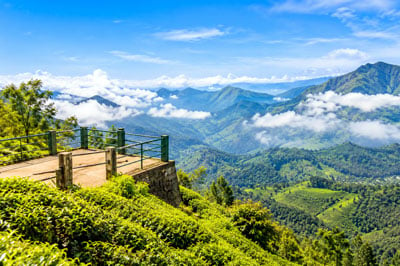
Head to this viewpoint for wide views across the hills and valleys when skies are clear. Mist can hide the scenery, so keep expectations flexible. Allow for the winding drive and combine the visit with stops along the same road.
October to May is generally the more comfortable touring period. Trekking, festival travel and monsoon road conditions can change which month works best for your priority attractions.
Dimapur is the main transport gateway. Kohima is the practical first sightseeing base, while Mokokchung and Mon need more road time and should be added deliberately.
Your trip, your pace
Tell us how you want to spend your time in Munnar. We can plan a central stay for easy outings, a quieter hillside retreat or a longer visit with a guided trek, with transfers arranged around your daily plans.
Munnar Tour Packages
Cochin – Munnar – Thekkady – Alleppey – Kovalam – Trivandrum
Cochin – Munnar – Thekkady – Kumarakom – Alleppey – Kovalam – Trivandrum

Cochin – Munnar – Alleppey – Kovalam – Trivandrum
Thekkady – Kumarakom – Marari (Alleppey) – Cochin
Cochin – Munnar – Thekkady – Kumarakom – Alleppey – Cochin

Cochin – Munnar – Thekkady – Alleppey – Kovalam – Trivandrum
Cochin – Munnar – Alleppey – Kovalam – Trivandrum
Why IndianHoliday
A good Munnar plan starts with the right hotel location and realistic driving time. We can help match your stay to your interests, organise transfers and group visits by route, leaving space for a tea stop or a slower morning.
Indian Holiday has planned journeys since 1990, giving our team the experience to build routes around real travel times—not just points on a map.
Tell us your dates, interests and preferred pace. Our travel experts shape the itinerary around them instead of forcing you into a fixed template.
Indian Holiday is recognized by the Ministry of Tourism, Government of India.
Indian Holiday has received the National Tourism Award twice, adding an independent trust signal to its long operating history.
FAQs
Two full days cover a useful mix of tea heritage, lake stops and hill scenery. Three nights usually allow this without relying on arrival day for sightseeing. Add another day for a longer guided trek or more time at your resort.
Stay near town for easier access to restaurants, shops and transport. An outlying resort suits a quieter holiday, but transfers can take longer than the map suggests. Check actual driving times to your planned sights before booking.
Choose one route if you only have a day. Mattupetty, Echo Point and Kundala can form a lakeside outing, with Top Station if time and visibility allow. Trying to add every major sight usually leaves little time at each stop.
No. It closes during the Nilgiri tahr calving season, typically around February and March. Confirm the announced closure and reopening dates through the park’s official booking service before planning your visit. Other Munnar attractions may still be open.
Yes. Buses can get you to Munnar, and local transport covers some journeys. However, scattered attractions and hotels outside town are easier to reach by taxi. Compare a day hire with separate transfers for the places you want to visit.
Choose an authorised guided programme and confirm its difficulty, reporting point and inclusions. Meesapulimala has trekking programmes run by Kerala Forest Development Corporation. Check current availability and weather conditions, and leave a separate day for a longer trail.
It can suit a quiet stay with green landscapes and time indoors, but rain and mist may limit views. Trekking and long outdoor plans need flexibility. Check local advisories before travelling and avoid a schedule that depends on every attraction being accessible.
Start with your dates, preferred stay and a few experiences you do not want to miss. Find a tour that gives you time to enjoy the hills between the drives.