
For travellers planning a limited time in Gulmarg, the destination’s attractions work best when treated as a few well-matched nature and mountain-view stops rather than a long checklist. The strongest experience usually comes from combining one major gondola or peak view with one meadow or lake walk instead of trying to cover every small valley and viewpoint in one rushed day.
Gulmarg, a high-altitude resort in Jammu and Kashmir’s Baramulla district, attracts visitors because of its vast “Meadow of Flowers” landscape, dramatic views of the Pir Panjal and Himalayan ranges, renowned Gulmarg Gondola, pristine alpine lakes, and winter sports terrain. The town functions as a base for day trips into nearby valleys and lakes rather than a dense city sightseeing circuit. This guide groups attractions by theme and altitude, explains what each offers, who it suits, how long it typically takes, and how to pair them within a realistic 1–3 day stay.
How Gulmarg Attractions Work
Unlike Srinagar, where attractions are spread across gardens and lakes, Gulmarg sightseeing is concentrated around alpine meadows, high-altitude viewpoints, forest slopes, and Gondola-access zones.
Gulmarg works best for:
Travellers wanting alpine scenery and snow landscapes
First-time Kashmir visitors combining Srinagar + Gulmarg
Winter travellers interested in snow experiences
photographers and nature-focused travellers
families wanting short scenic mountain outings
Gulmarg may feel limited for:
Travellers expecting multiple historical monuments
Visitors who are uncomfortable with steep elevation or cold weather
Travellers visiting during heavy fog or poor Gondola visibility days
Quick Planning Snapshot for Gulmarg Sightseeing Days
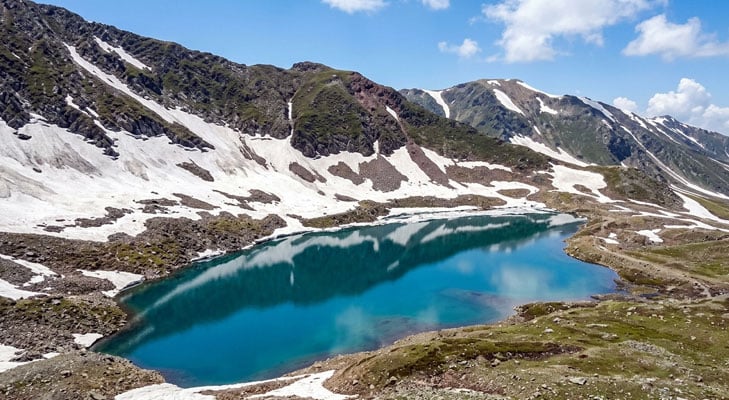
Key points to note
Gulmarg sits at an elevation of around 2,650–2,730 metres above sea level, and weather conditions can shift quickly.
Travelling to Gulmarg during the monsoon (July to September) is excellent for travellers seeking lush greenery and uncrowded travel.
Upper gondola operations remain highly weather-dependent and may close during heavy snowfall or strong winds.
Local taxis, shared cabs, ponies, and the famous cable cars are some of the most practical options for short transfers between meadow sections and sightseeing points.
Morning hours usually provide clearer mountain views and smoother gondola operations.
Alpine Meadow and Gondola Layer
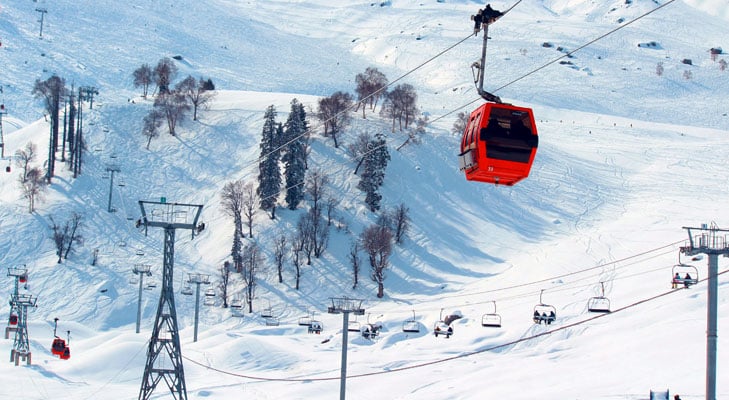
1. Gulmarg Gondola and Kongdori Station
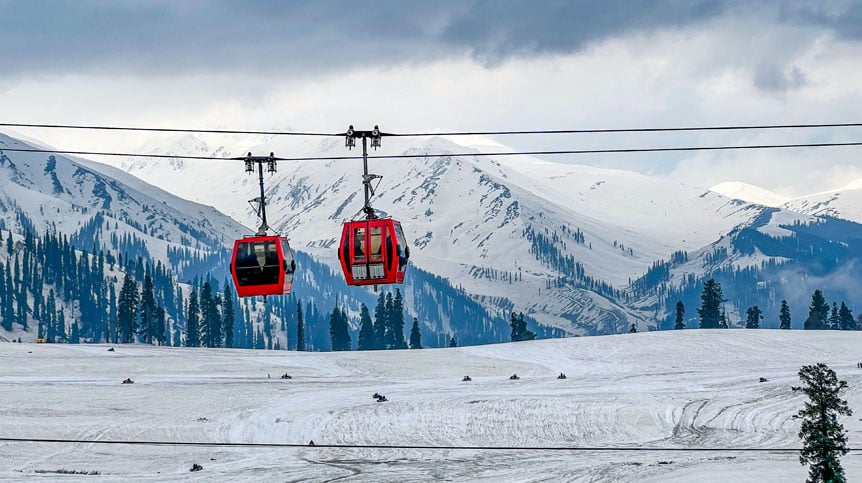
Why it matters : The Gulmarg Gondola is among the most recognised attractions in Jammu and Kashmir and remains the main highlight for most visitors. The cable car carries travellers from the town centre to Kongdori in the first phase and, when operational, further towards Apharwat Peak in the upper phase. The experience combines sweeping mountain views, open meadow scenery, and access to high-altitude snow zones without requiring a long trek.
Who it suits
First-time Gulmarg visitors
Families and couples
Photography enthusiasts
Travellers preferring a comfortable mountain-view experience
Morning visibility usually provides clearer mountain photography.
Food options near Gondola zones are functional but not always ideal during heavy rush periods.
Time needed
Lower phase: Gulmarg to Kongdori by cable car takes approximately 9 to 10 minutes.
Upper phase cable car ride from Kongdori to Apharwat takes about 12 minutes.
Best time and season
Summer operations generally run between 9:00 AM and 5:00 PM
Winter timings are usually between 10:00 AM and 4:00 PM
Early morning offers clearer skies and shorter waiting times
What Changes Between Gondola Phases
Phase 1 suits most travellers
Phase 2 becomes colder, windier, and more altitude-sensitive
Visibility changes dramatically with the weather
Snow depth differs significantly
Who Should Avoid Phase 2
Elderly travellers with breathing difficulty
Visitors who are uncomfortable with steep snow terrain
Travellers with very young children during severe winter conditions
Comfort and Clothing Guidance : Even during summer mornings, upper Gondola sections may feel cold and windy. During winter, snow glare, slippery surfaces, and sudden weather changes are common. Waterproof shoes, gloves, sunglasses, and layered clothing significantly improve comfort.
Expert Timing Tip
The first Gondola slots usually provide:
Clearer mountain visibility
Shorter waiting times
Smoother photography conditions
Better snow texture before crowd buildup
Afternoon weather disruptions are more common during peak tourist periods.
Practical notes
Upper-phase access may close without notice due to heavy snowfall and wind.
Weekends and holiday periods witness longer queues.
Snow glare can be strong even in colder months, so sunglasses are recommended.
The Kongdori meadow area is suitable for relaxed short walks and photography.
Parking Guidance : Parking areas become crowded during snow season and peak weekends.
2. Apharwat Peak
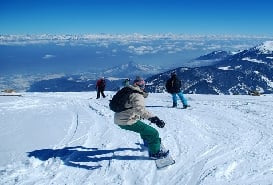
Apharwat Peak is the highest-access attraction zone commonly visited from Gulmarg and represents the dramatic alpine side of Kashmir tourism. Reached through Gondola Phase 2, the area remains snow-covered for long periods and often becomes the visual highlight of Gulmarg for first-time visitors.
The experience here is less about “walking around attractions” and more about:
Panoramic Himalayan views
Snow landscapes
High-altitude terrain
Photography
Winter scenery
Practical Constraints
Visibility changes quickly
Weather closures are common
Snow conditions affect movement
Altitude discomfort is possible
Seasonal Logic
Winter: snow-heavy alpine experience
Summer: Rocky Mountain views with snow patches
Shoulder season: unpredictable access
3. Strawberry Valley and Riding Routes
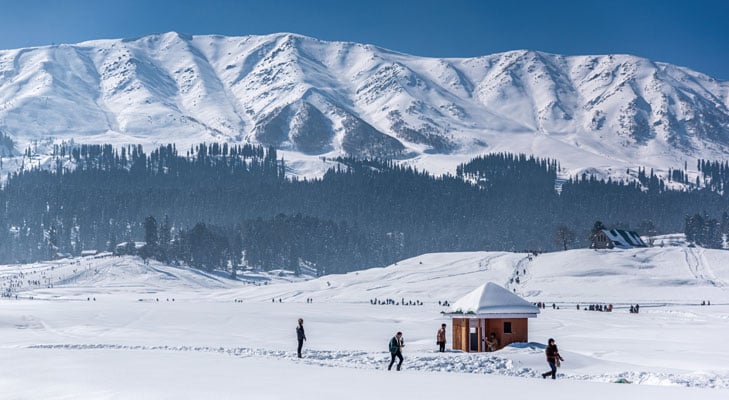
Why it matters : Strawberry Valley offers a softer and quieter side of Gulmarg. Surrounded by flower-filled meadow stretches and gentle slopes, it is popular for short horse rides and peaceful walks. The valley works well for travellers looking for a relaxed experience away from crowded gondola queues.
Who it suits
Families with children
Casual walkers
Nature photographers
Visitors seeking low-intensity sightseeing
Time needed : A visit to fully explore the Strawberry Valley generally takes around 1.5–2 hours, including short rides, photography breaks, and meadow walks.
Best time and season : Summer and early autumn remain the best periods for visiting. Winter snow may restrict independent access, and local guidance becomes more useful during snowy conditions.
Practical notes
Confirm the route and duration before starting a horse ride.
Carry drinking water and a light snack during longer walks.
Good grip shoes work well for summer meadow routes.
Snow depth in winter may make certain sections inaccessible.
4. Gulmarg Golf Course
Why it matters : The Gulmarg Golf Course is widely known as one of the world’s highest golf courses. Surrounded by mountain scenery and open meadows, it also functions as an excellent walking and photography area even for non-golfers.
Who it suits
Golf enthusiasts
Leisure walkers
Landscape photographers
Travellers wanting a calm meadow experience
Time needed : A leisurely walk around the meadow edge and surrounding sections usually takes 1–2 hours.
Best time and season : The golf course is open from April to November. During the winter, it gets covered by a thick layer of snow.
Practical notes
The golf course pairs well with lower gondola sightseeing.
Open meadow winds can feel cold even during sunny afternoons.
Walking paths remain relatively flat and comfortable for most visitors.
Early evening light creates attractive mountain photography conditions.
Lake and High Valley Layer
1. Alpathar Lake
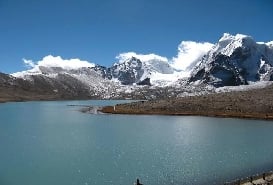
Why it matters : Alpathar Lake is a small alpine lake located near the Kongdori and Apharwat side routes. During winter, the lake often freezes completely, creating striking snow-covered scenery. In summer, the surrounding alpine landscape becomes greener and calmer.
Who it suits
Nature lovers
Winter landscape photographers
Travellers interested in alpine lakes
Visitors are already exploring the Kongdori region
Time needed : The lake usually works best as part of a broader Kongdori excursion and requires around 1–2 additional hours.
Best time and season : July to September is ideal for trekking, offering lush green meadows and a crystal-blue lake. On the other hand, April to June is best for a fully frozen, snow-covered landscape.
Practical notes
Wet and icy terrain requires shoes with proper grip.
Avoid walking onto frozen lake surfaces without local advice.
Weather shifts rapidly at higher altitudes, so due precaution is advised.
Visibility is usually better before late afternoon cloud build-up.
2. Khilanmarg
Why it matters : Khilanmarg is a scenic high-altitude valley located 6 Km from Gulmarg. Situated at 2730 meters, it is known for panoramic Himalayan views and broad ridgeline scenery. The area provides a more elevated perspective of Gulmarg without necessarily requiring the upper gondola ride.
Who it suits
Hikers
Photography enthusiasts
Travellers interested in panoramic landscapes
Visitors are comfortable with moderate walking
Time needed : A short visit with ridge walks generally takes around 2–3 hours.
Best time and season : April to June are the best months for trekking amid the lush green meadows. For the snow and winter sports, the ideal time is December to March.
Practical notes
Some slopes can feel moderately steep during walks.
Carry an additional warm cloth even during summer.
Local guidance can help first-time visitors navigate routes safely.
Morning visits often provide clearer visibility of surrounding peaks.
Meadow Walks and Open Scenic Spaces
1. Flower Gardens, Nurseries and Meadow Walks
Gulmarg’s central attraction experience often comes from walking through open alpine meadows rather than visiting formal tourist complexes.
Experience Breakdown
Golf Course edges
central meadow areas
seasonal flower bloom zones
snow play sections
photography points
Seasonal Differences
Summer: green slopes and flowers
Winter: snow fields and sledging areas
Spring: melting snow and mixed landscapes
Why it matters : Gulmarg’s nickname, the “Meadow of Flowers”, becomes especially visible through its local gardens, nursery spaces, and open meadow walks. These areas provide a gentle sightseeing option close to hotels and the town centre.
Who it suits
Families
Senior travellers
Casual walkers
Flower and landscape photographers
Time needed : A relaxed walk in the meadow and nursery generally takes 1–1.5 hours.
Best time and season : June to August is an ideal time for flower blooms and meadow colours.
Practical notes
Walking routes remain mostly flat and easy.
Marked paths help preserve flower beds and meadow sections.
Morning photography conditions are usually softer and clearer.
Light woollens remain useful even during sunny weather.
Heritage and Quiet Landmarks in Gulmarg
1. St. Mary’s Church
Built during the British period, St. Mary’s Church adds a heritage layer to Gulmarg’s otherwise landscape-dominated sightseeing experience. The church is best treated as a short scenic stop combined with meadow walks or golf-course exploration rather than a standalone destination.
Why its popular
Photogenic in snow
Quiet atmosphere
Short visit duration
Suitable for relaxed travellers
Practical Reality : Visitors expecting a large heritage complex may find the attraction small, but it works well as part of a slower scenic circuit.
2. Maharani Temple (Shiva Temple)
Located on a hilltop overlooking Gulmarg, the Maharani Temple is one of the area’s recognisable cultural landmarks and is often visible from different meadow sections.
Forest and Nature Experiences Around Gulmarg
1. Gulmarg Wildlife Sanctuary
The forested landscape surrounding Gulmarg forms part of a protected high-altitude ecosystem with pine forests, mountain slopes, and seasonal wildlife presence.
Traveller Expectation : This is not a safari-style attraction. The experience is more about:
alpine forest atmosphere
peaceful walks
photography
birdlife
landscape immersion
Who Benefits Most
slow travellers
Repeat Kashmir visitors
nature photographers
offbeat travellers
How to Prioritise Attractions in Gulmarg
If you only have half a day in Gulmarg, prioritise:
Gulmarg Gondola
Kongdori meadow area
Golf Course and central meadow walks
If you have a full day:
Add St. Mary’s Church
Cover local meadow circuits
Explore photography stops
Take forest-edge walks
Experience sunset viewpoints
If weather conditions affect Gondola operations:
Focus on meadow walks
Go for local sightseeing
Explore the snow play zones near town
Cover heritage landmarks
Visit café viewpoints
During heavy snowfall periods, sightseeing movement slows considerably, and most travellers cover fewer attractions than expected.
Gulmarg Attractions Timing and Route Logic
Half-day Gulmarg circuits
1. Option 1: Meadow and Gondola Route
9:00 am: Gondola ride to Kongdori
10:00 am: Short meadow walks and mountain views
11:30 am: Return to town and explore the golf course edge or nursery area
2. Option 2: Valley and Garden Route
9:00 am: Meadow gardens and nursery walk
11:00 am: Gentle stroll towards lower meadow viewpoints and gondola-facing sections
Quarter-day or evening add-on
A 1–2 hour evening walk along the meadow edge or golf course perimeter works well for relaxed sightseeing and sunset photography.
Practical Comfort and Movement Guidance
Guidance
Gulmarg sightseeing often feels physically different from city tourism because:
Walking occurs at a higher elevation
Snow movement is slower
The weather changes rapidly
Slopes can become slippery
Visibility may suddenly reduce
Families with Young Children
Avoid overpacked Gondola schedules
Carry waterproof gloves and spare socks
Keep buffer time between attractions
Elderly Travellers
Prioritise lower meadow circuits
Avoid unnecessary uphill walking
Check oxygen sensitivity during winter
Winter Visitors must note
Rented snow gear quality varies; check shoes carefully before renting.
Waterproof footwear matters more than heavy jackets
Afternoon slush can slow movement
What Visitors Commonly Misjudge About Gulmarg
Gondola waiting times can consume a major portion of sightseeing time
The weather can completely change visibility within hours
Snow walking is physically tiring for first-time visitors
Many attractions are experience-based rather than monument-based
Winter sunset temperatures drop rapidly
One good weather window matters more than covering many locations
Gulmarg Route Circuits
1. Half-Day Gulmarg Circuit
Gondola Phase 1
Kongdori meadow stop
Golf Course viewpoints
short café/meadow break
Best for:
day trips from Srinagar
families
first-time visitors
2. Classic Full-Day Gulmarg Circuit
Early Gondola ride
Apharwat access (weather permitting)
Kongdori photography stops
lunch break
St. Mary’s Church
meadow walk
sunset viewpoints
Best for:
Overnight travellers
Photographers
Snow-season visitors
3. Slow Travel Gulmarg Circuit
Meadow walks
Heritage landmarks
Forest-edge exploration
Café stops
Relaxed photography sessions
Best for:
Couples
Rlderly travellers
Repeat Kashmir visitors
Weather Dependency in Gulmarg
Gulmarg sightseeing is heavily weather-dependent throughout the year.
Seasonal Effects
Fog may reduce mountain visibility
Snowfall may close upper Gondola sections
Rain affects meadow walking
Winter storms disrupt access
Road delays from Srinagar are possible
Onward Sightseeing and Journey Routing
Travellers planning a broader Kashmir itinerary often combine Gulmarg with Srinagar, Pahalgam, or Sonamarg. Gulmarg works particularly well as a 2–3 day mountain segment within a longer Jammu and Kashmir trip focused on lakes, valleys, gardens, and alpine scenery.
Common onward planning themes include:
Core Gulmarg Attraction Match Rule
Gulmarg sightseeing feels most rewarding when the itinerary remains balanced rather than overloaded. The destination works best when visitors:
Choose one major gondola or high-view experience per day
Pair it with one relaxed ground-level meadow walk
Avoid combining multiple steep climbs in a single day
Leave enough time for weather delays and slow-paced sightseeing
Treat Gulmarg as a scenic mountain landscape rather than a rapid sightseeing checklist
Following this approach allows Gulmarg to feel like a compact and high-reward Himalayan meadow destination instead of a rushed sequence of disconnected viewpoints.
Where to Continue After Gulmarg
Most travellers combine Gulmarg with:
Srinagar
Pahalgam
Sonamarg
Kashmir valley circuits