
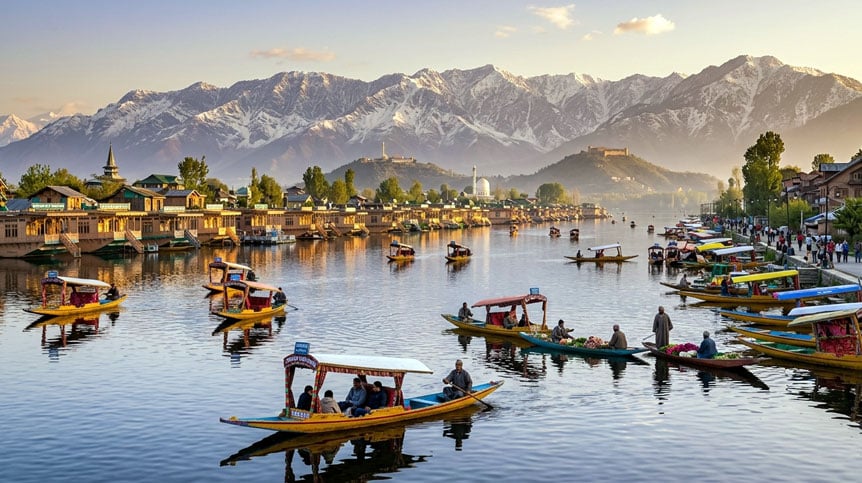

The best time to visit Jammu & Kashmir depends on your travel style – whether you’re planning a snow-filled winter trip, a spring journey during tulip blooms, or a relaxed summer escape across Srinagar, Gulmarg, and Pahalgam. Most travellers comfortably spend 5–7 days covering Srinagar, Gulmarg, and Pahalgam.
Couples typically flock to the valley during the crisp winter months for cosy fireside retreats, while wildlife enthusiasts wait for the transition periods to spot the elusive Hangul in the Dachigam heights. For families and heat-sensitive travellers, the mild summer window offers a refreshing escape from the plains. Here’s how to plan your Jammu & Kashmir trip based on your travel style:
Best Time To Visit For Comfort & Relaxed Travel
Months: December – February; June – August
For those prioritising comfort, Gulmarg in winter is well-equipped with accommodation that offers central heating, easy access to gondola stations, and in-house dining. In the summer months, opting for a houseboat on Nigeen Lake is a better alternative compared to the busier Dal Lake, with more privacy and attentive service.
This is also a good time for relaxed outings, meadow picnics, short shikara rides, and guided visits to the Mughal Gardens during peak bloom. With mild weather and better road conditions, travel between places is more manageable, allowing you to plan your days without interruptions from unexpected weather.
Explore our Kashmir Luxury Tour for a well-paced premium itinerary.
Best Time To Visit For Families and Couples
Months: March – June; December – February
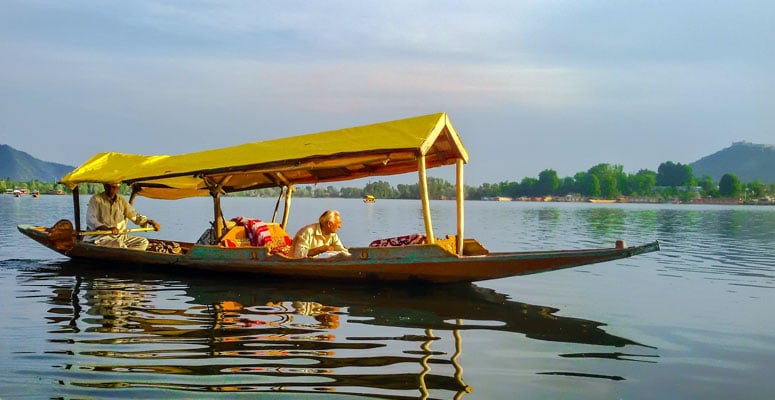
From March to June, the gentle mountain sunshine allows families to explore the Mughal Gardens or take long Shikara rides on Dal Lake without the exhaustion of the plains’ heat. Couples prefer the meadows of Pahalgam or Gulmarg, where the blooming tulips and almond blossoms provide a romantic backdrop. In winter, the valley transforms into a snow globe. Families can enjoy controlled sledging and Gondola rides in Gulmarg, while couples find intimacy in luxury houseboats equipped with traditional wood-fired heaters.
Enjoy a family-friendly escape exploring Srinagar, Pahalgam, and Gulmarg with Splendid Kashmir Tour.
Best Time To Visit For Wildlife And Adventure
Months: October to March
Wildlife enthusiasts should aim to visit Dachigam National Park during the cooler season. This is the best time to spot the Hangul (Kashmir Stag) as they descend to lower elevations. The bare trees of winter also improve visibility for spotting the Himalayan Black Bear or the diverse migratory birds that settle in the Hokersar Wetland during their winter sojourn.
The wildlife + Adventure combo has never been better! Kashmir Fishing Tour is a great fishing experience in the valley!
Best Time To Visit For Heat-Sensitive Travellers
Months: May to September
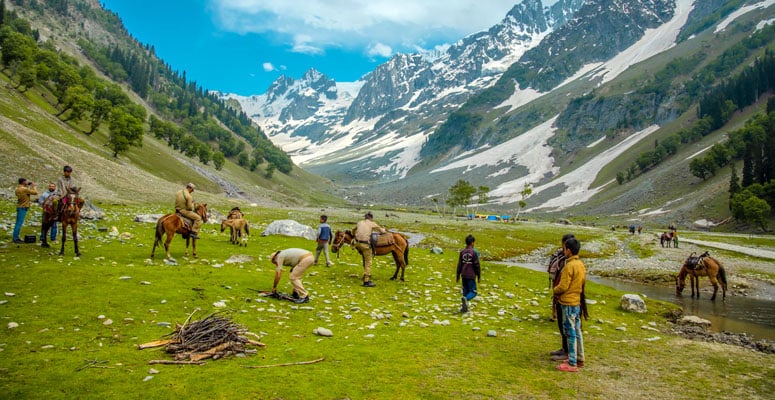
When the rest of India swelters, the Kashmir Valley remains a cool sanctuary. High-altitude retreats like Sonmarg offer brisk air and glacial views even in the peak of July. For those who struggle under intense humidity, the dry, alpine breeze of the Jammu-Kashmir Lake circuit provides a total escape from the tropical heat of the plains.
Book Ladakh and Srinagar Tour today, perfect for those who love crisp mountain air, high-altitude lakes, and chilly Himalayan landscapes.
Best Time To Visit For Photographers
Months: April – May; October – November
Kashmir has two peak seasons for enthralling photographers. Spring in April and May highlights the Tulip Garden and Badamwari almond blossoms, with soft pastels contrasting with lingering snow on the Zabarwan Mountains. In October and November, the valley transforms into amber and crimson hues, with Mughal Gardens and Naseem Bagh offering iconic Chinar reflections across Dal Lake.
Plan scenic trips with our Heavenly Kashmir Tour.
Best Time To Visit To Avoid Tourist Crowd
Months: February – March; November
To experience the valley without the bustle of the regular tourist crowd, visit during these shoulder months. November offers a quiet, moody landscape as the valley prepares for sleep, while February provides the spectacle of heavy snow with only a fraction of the December crowds. You’ll find the trails of Aru Valley and the banks of the Lidder River almost entirely to yourself. This is when you can enjoy the serene charm of meditative silence among the hills.
Seasonal Framing
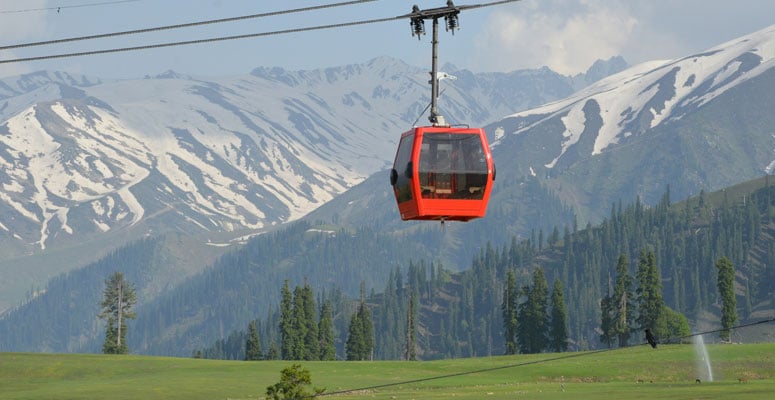
• Winter Snow Phase (−2°C to 12°C; December to February): This is when Jammu & Kashmir turns into a snow-covered landscape. Gulmarg becomes a hub for skiing and gondola rides, while Srinagar offers frozen views of Dal Lake and quiet houseboat stays. Travel is slowed by snow, but the setting is perfect if you are seeking stillness and winter activities.
• Spring Bloom (8°C to 20°C; March to April): As the snow melts, the valley begins to open up with fresh greenery and blooming gardens. Tulip Garden is at its most vibrant, and Mughal gardens regain their colour. This period suits relaxed sightseeing, short walks, and experiencing Kashmir’s softer, floral side.
• Summer Escape (15°C to 30°C; May to August): Summer works best for covering Srinagar, Gulmarg, and Pahalgam in a single itinerary, thanks to long daylight hours and easy road access. You can move comfortably between Pahalgam, Sonmarg, and Srinagar for river valleys, meadows, and day excursions. Long daylight hours allow for extended outdoor plans and scenic drives.
• Autumn Transition (10°C to 25°C; September to November): The landscape shifts into warm tones as chinar trees change colour. Dal Lake reflects golden hues, and orchards around the valley come alive. This is a quieter phase with stable weather, a great time to visit for photography and for slow exploration.
Expert Planning Guidance For Your Vacation
• Lead Booking Time – Flights to Srinagar (SXR) should ideally be booked 2–3 months in advance, especially if connecting via Delhi or Jammu. Secure high-demand hotels and houseboats at least 2 months in advance for peak seasons like winter snow stays or spring tulip blooms. For hill or meadow excursions to Gulmarg, Pahalgam, and Sonmarg, arrange private vehicles at least 2 weeks prior.
• Peak Pricing Expectation – Highest rates occur during winter (December – February) and autumn foliage (late October – November), with rates surging by 25 – 50%. Mid-season (March – April, May) sees moderate 10 – 20% increases. In monsoon months (June–September), luxury properties like boutique Dal Lake stays offer significant off-season discounts.
• Crowd Intensity – Festivals like the Tulip Festival (April), Snow Festival (January), and Eid (April/May) increase local crowds. Early October, late February, or May are much calmer. Avoid monsoon peaks (June–September) for hill drives.
• Important Permits – Indian tourists do not need inner-line permits for major hubs like Srinagar, Gulmarg, Pahalgam, or Sonmarg. However, if your itinerary includes border or high-security areas like Kargil or the Ladakh-Jammu border circuits, you must apply for a Protected Area Permit (PAP) through the District Magistrate’s office. Foreign tourists are required to register at the Foreigners Registration Office (FRO) within 24 hours of arrival, and special permits are needed for border zones or military areas.
• Recommended Trip Duration: Plan a minimum of 5 days/4 nights to cover Srinagar, Gulmarg, and Pahalgam. Extend it to 8 days/7 nights if adding Sonmarg, hill treks, or Ladakh extensions.


