
The best time to visit Agartala depends on how you plan to structure your trip—whether you want to cover major landmarks comfortably, include day trips like Neermahal, or focus on nature and photography.
Since most experiences involve a mix of city sightseeing, lake visits, and wildlife excursions, the season directly affects travel time, pacing, and how efficiently you can combine multiple locations in a single itinerary.
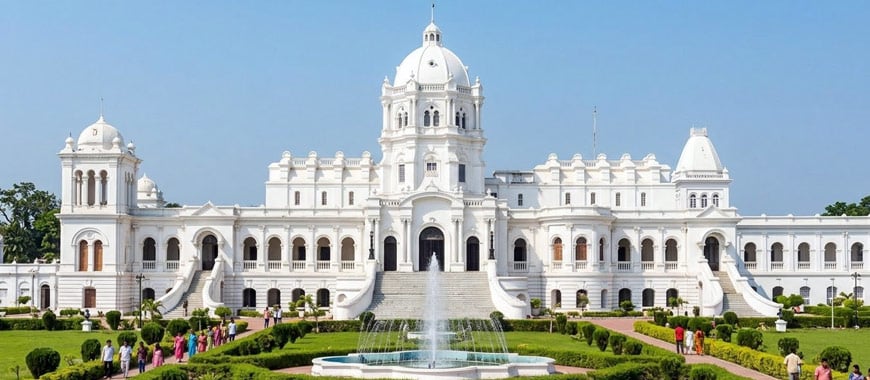
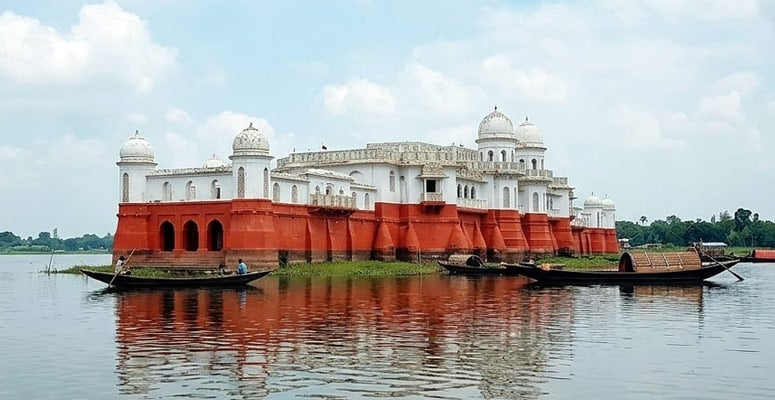
For example, October to March allows you to combine Ujjayanta Palace, Neermahal, and Sepahijala Wildlife Sanctuary within a well-paced 2–3 day plan without restricting movement to early mornings or late evenings.
Choosing the right season helps you manage travel distances, avoid delays, and build a more balanced and flexible itinerary.
Best Time for Comfort & Luxury Pacing
Ideal months: October to March
This is when Agartala is best suited for well-paced, relaxed itineraries, where you can explore places like Ujjayanta Palace, Neermahal, and local cultural spots without rushing between stops.
This period allows longer, uninterrupted sightseeing windows, making it easier to combine heritage sites, lakes, and short excursions within a single day without adjusting plans around heat or rain.
Best Time for Families
Ideal months: November to February
This period works best for families as it allows flexible day planning, easier movement between locations, and reduced fatigue during longer travel between sites like Neermahal and Sepahijala. You can plan a balanced itinerary with sightseeing, light walking, and cultural stops without worrying about heat or weather disruptions.
Explore our family-friendly Best of Tripura Tour designed for comfortable family travel
Best Time for Wildlife & Nature
Ideal months: October to March (for accessibility) | July to September (for greenery)
For structured wildlife and nature itineraries, October to March offers better accessibility and smoother movement between locations, while July to September suits travellers prioritising landscape richness over fixed schedules.
However, if your focus is on lush landscapes and a more immersive natural setting, the monsoon months bring the region to life with dense greenery.
Explore the North East Wildlife with our special tour package.
Best Time for Heat-Sensitive Travellers
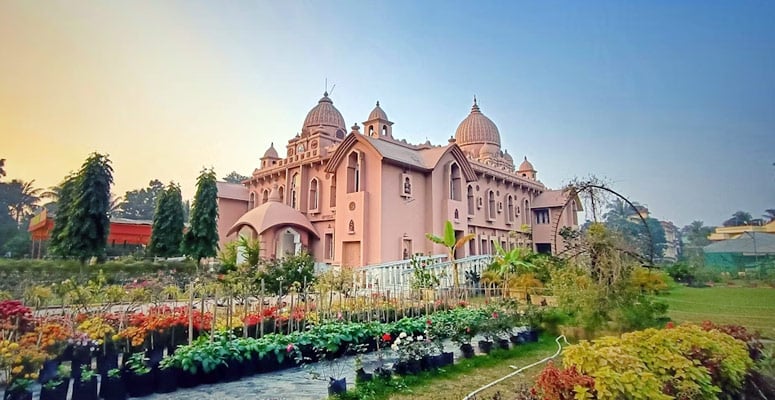
Ideal months: November to February
Travellers who are sensitive to heat should strongly favour November to February, when longer outdoor exploration is possible without restricting movement to early mornings and late evenings.
This makes it easier to combine walking-heavy sites, lake visits, and short excursions within a single day without fatigue or time compression.
Plan a comfortable trip with our Nagaland Manipur tour package
Best Time for Photographers
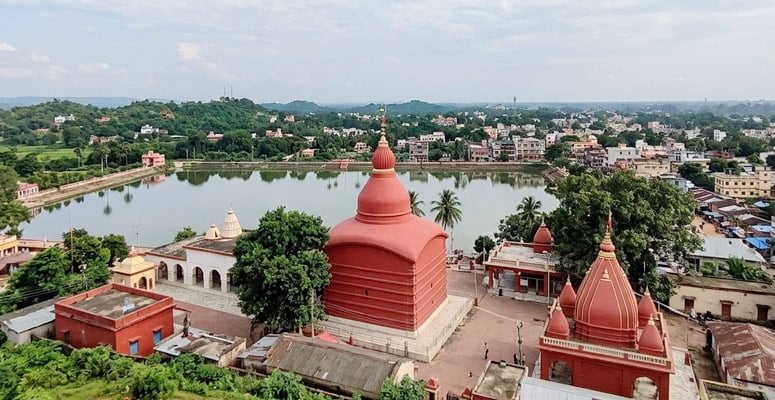
Ideal months: July to September
This period allows photographers to capture richer landscapes, reflective water surfaces, and atmospheric light conditions across lakes, forests, and rural surroundings.
It works best for those planning flexible itineraries, where locations can be visited based on light windows rather than fixed schedules.
When to Avoid Crowds / Peak Pricing
Ideal months: Late October and early March
These shoulder periods allow you to experience Agartala with moderate visitor flow while still maintaining stable travel conditions, making them ideal for travellers seeking a balance between comfort and crowd levels.
Season Framing: What Each Time of Year Feels Like
October to March: Cool and Comfortable
This period allows full-day sightseeing without major weather-related disruptions, making it the most efficient time for structured itineraries.
July to September: Lush Green and Monsoon Magic
Monsoon is better suited for travellers who prioritise landscape quality and are comfortable with flexible, weather-dependent itineraries.
Travel may be slower due to occasional downpour, but the serene atmosphere rewards those who seek a green, immersive experience.
April to June: Summer Warmth
Summer requires tightly structured itineraries focused on early morning and late evening exploration, as mid-day conditions can limit movement between sites. This period is quieter, with fewer tourists, which suits travellers who want a peaceful, low-crowd experience, but heavy afternoon sun can limit outdoor activities.
Practical Tips for Visiting Agartala
- Plan your day around heat, not just season: Even in winter, afternoons can feel slightly warm. Plan your trip with outdoor sightseeing in the morning, take a mid-day break, and resume in the evening. This helps you cover more without fatigue.
- Keep buffer time for lake and sanctuary visits: Trips to places like Rudrasagar Lake or Sepahijala Wildlife Sanctuary often take longer than expected due to road conditions and local transport delays. Always keep a 2–3 hour buffer so your day doesn’t feel rushed.
- Choose your stay location wisely: Staying closer to central Agartala saves time for city attractions, but if your itinerary includes Neermahal or wildlife areas, consider splitting your stay or planning those as dedicated half/full-day outings.
- Don’t underestimate monsoon travel delays: During July–September, rain isn’t constant but when it hits, it can disrupt movement. Plan flexible schedules (not tight hour-by-hour itineraries) and keep one backup indoor activity each day.
- Adjust trip duration based on season: In winter, you can comfortably cover Agartala in 2–3 days, but in monsoon or summer, slower travel and weather interruptions mean you should plan an extra day for a more relaxed experience.
Booking window: Book 2–4 weeks in advance for winter travel (October–March), especially during festivals.
Peak pricing: Prices increase during winter and festival periods due to higher demand.
Crowd levels:
- High: December–January and festivals
- Moderate: October–November, February–March
- Low: Summer and monsoon
Ideal trip duration:
2–3 days for Agartala + 1 extra day for Neermahal or wildlife excursions.
Explore Relevant Tours / Itineraries
Once you’ve identified the right time to visit Agartala, the next step is choosing an itinerary that matches your pace and travel goals.
- Explore the Best of Tripura Tour if you want a focused cultural journey covering Agartala and nearby heritage sites at a relaxed pace.
- Explore the Land of Seven Sisters Tour if you want to include Agartala within a broader Northeast India itinerary.
- Explore the North East India Tour Packages if you are planning a longer, multi-state journey across the region.
Choose based on your travel style and preferred pace.