
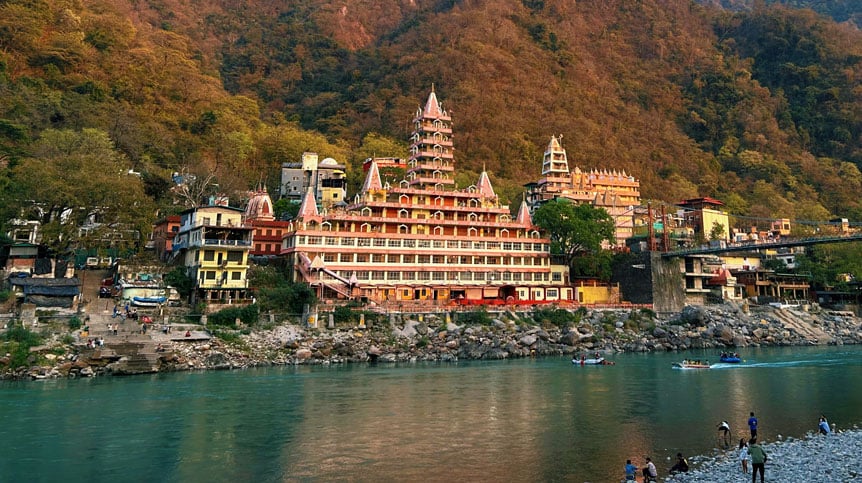

Rishikesh is best explored around the Ganga, not as a rushed checklist of temples, bridges, and viewpoints. A good sightseeing plan usually moves between riverside ghats, suspension bridge areas, ashrams, spiritual landmarks, and a few quieter natural stops outside the main town.
This guide is meant for spiritual travellers, families, first-time visitors to Uttarakhand, culture-focused travellers, and those combining Haridwar and Rishikesh.
Planning Snapshot
Top attractions to explore in Rishikesh
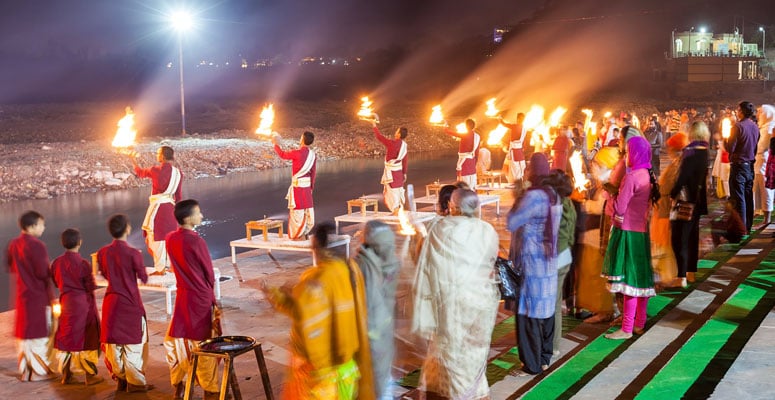
Riverside Ghats and Evening Aarti Spots
The ghats are where Rishikesh feels most rooted. They are not just photo points; they shape the pace of the visit. Keep at least one evening free for the Aarti, and try to see one ghat in the morning when the atmosphere is quieter.
1. Triveni Ghat
Triveni Ghat is the most important ghat for many first-time visitors. It gives you a clear sense of Rishikesh’s public spiritual life, especially during the evening Ganga Aarti. The morning visit feels calmer, with fewer people and a softer rhythm around the river. The evening visit is more ceremonial, crowded, and memorable if you arrive early enough to settle in.
Plan it this way:
Best for: First-time visitors, families, senior travellers, pilgrims, and culture-focused travellers.
Best time: Early morning for quiet river views; evening for Ganga Aarti.
Time needed: 1 to 1.5 hours.
Pairs well with: Bharat Mandir, Rishikund, and Raghunath Temple.
2. Parmarth Niketan
This offers a more ashram-led riverside experience. Compared to Triveni Ghat, the atmosphere here feels more organised and reflective, especially if you are already exploring the Ram Jhula and Swarg Ashram side. Arrive before the Aarti, walk along the river, and allow time to settle rather than treating it as a last-minute stop.
Plan it this way:
Best for: Spiritual travellers, families, senior travellers, and those staying near Ram Jhula or Swarg Ashram.
Best time: Late afternoon into evening.
Time needed: 1.5 to 2 hours.
Pairs well with: Ram Jhula, Swarg Ashram, and Geeta Bhawan.
3. Rishikund and Raghunath Temple
Rishikund and Raghunath Temple work best as a small spiritual stop near the Triveni Ghat side. They are not large monument-style attractions, but they add a quieter temple layer to the lower-town circuit. Include them if you are already visiting Triveni Ghat or Bharat Mandir.
Plan it this way:
Best for: Pilgrims, culture-focused travellers, and those interested in smaller sacred sites.
Best time: Morning or early afternoon.
Time needed: 30 to 45 minutes.
Pairs well with: Triveni Ghat and Bharat Mandir.
Bridge, Ashram, and Riverside Walk Zone
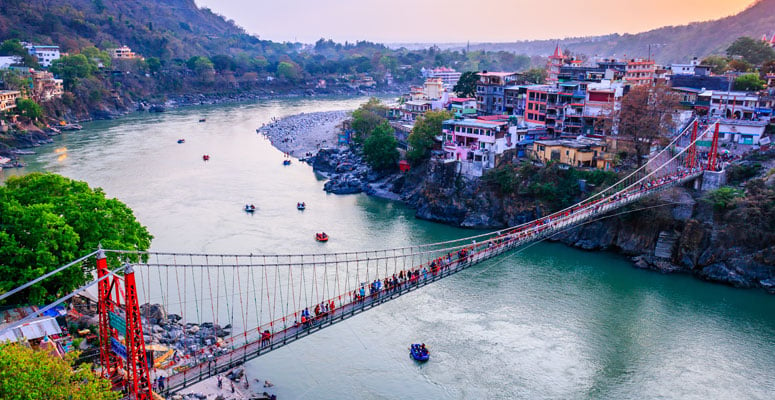
This is the most walkable sightseeing belt in Rishikesh. Instead of treating these as separate stops, plan them as a single slow-walking zone. This works best in the morning or late afternoon, when the light is pleasant and the crowds are easier to manage.
1. Ram Jhula
Ram Jhula is one of the most practical starting points for understanding Rishikesh. The bridge connects the busier town side with the ashram belt, river views, temple lanes, and walking routes on the other bank. The experience is better when you cross slowly, pause to take in the river views, and continue on to Swarg Ashram or Parmarth Niketan.
Plan it this way:
Best for: First-time visitors, families, photographers, and slow walkers.
Best time: Early morning for quieter views; late afternoon if pairing with evening Aarti.
Time needed: 45 minutes for the bridge area; 2 to 3 hours with nearby ashrams.
Pairs well with: Swarg Ashram, Geeta Bhawan, Parmarth Niketan, and Tera Manzil Temple.
2. Lakshman Jhula
Lakshman Jhula remains an important neighbourhood in Rishikesh, even when bridge access changes. Travellers still visit the area for its old bridge-side identity, temple views, river-facing lanes, and the surrounding Tapovan side.
Plan it this way:
Best for: Returning visitors, photographers, and travellers interested in the older Rishikesh bridge zone.
Best time: Morning or late afternoon.
Time needed: 45 minutes to 1.5 hours.
Pairs well with: Tera Manzil Temple and the Tapovan-side walking area.
3. Swarg Ashram
Swarg Ashram is not a single-point attraction. It is a calm riverside area with ashrams, temples, spiritual centres, small shops, and walking lanes. This is a good place to slow down. It suits travellers who want atmosphere and gentle movement more than a fast sightseeing stop.
Plan it this way:
Best for: Spiritual travellers, senior travellers, families, and slow-paced visitors.
Best time: Morning or late afternoon.
Time needed: 1 to 2 hours.
Pairs well with: Ram Jhula, Geeta Bhawan, and Parmarth Niketan.
4. Geeta Bhawan
Geeta Bhawan adds a devotional and community-oriented layer to the Swarg Ashram side. It is best visited as part of the riverside walking belt, not as a standalone taxi stop. The experience is quieter and more meaningful when you move through it respectfully, without rushing through only for photographs.
Plan it this way:
Best for: Pilgrims, families, senior travellers, and those interested in ashram culture.
Best time: Morning or late afternoon.
Time needed: 30 to 60 minutes.
Pairs well with: Swarg Ashram, Ram Jhula, and Parmarth Niketan.
5. The Beatles Ashram/Chaurasi Kutia
The Beatles Ashram is one of Rishikesh’s most distinctive cultural stops. It works well for travellers who want something beyond temples and ghats: meditation history, forested ruins, old structures, murals, and a quieter creative atmosphere.
Plan it this way:
Best for: Culture-focused travellers, photographers, music enthusiasts, and slow travellers.
Best time: Morning or early afternoon.
Time needed: 1.5 to 2 hours.
Pairs well with: Ram Jhula, Swarg Ashram, and Parmarth Niketan.
6. Tera Manzil Temple / Trayambakeshwar Temple
Tera Manzil Temple is easy to include around the Lakshman Jhula side. Its value is partly devotional and partly visual, especially because of its riverside setting and multi-storey structure. It works better as a short stop than a long standalone visit.
Plan it this way:
Best for: First-time visitors, temple-focused travellers, and photographers.
Best time: Morning or late afternoon.
Time needed: 30 to 45 minutes.
Pairs well with: Lakshman Jhula area and Tapovan-side walking routes.
Temples in and Around Rishikesh
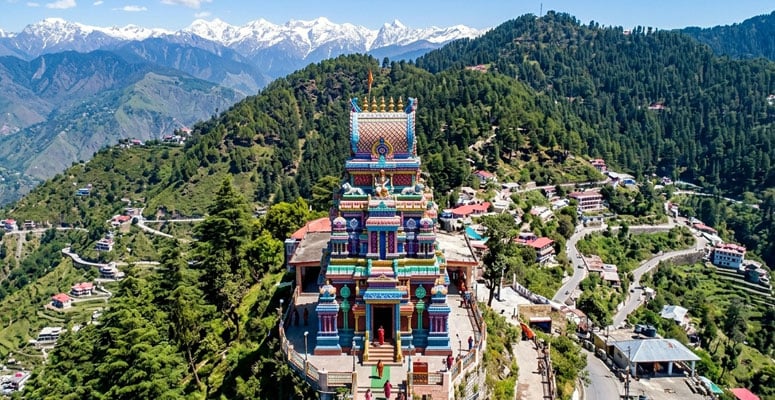
Rishikesh has both easy town temples and longer temple excursions. The mistake many travellers make is trying to cover them all in one day. Choose based on your route and energy level
1. Neelkanth Mahadev Temple
Neelkanth Mahadev Temple is one of the most important temple excursions from Rishikesh. It should be treated as a half-day outing, not a quick add-on after local sightseeing. The journey itself is part of the experience. The road moves away from the busy riverfront and into a more hillside setting, which makes the visit feel different from the town temples.
Plan it this way:
Best for: Pilgrims, families, first-time visitors, and travellers seeking a single major temple excursion.
Time needed: Half a day.
Pairs well with: A relaxed riverside evening or a light waterfall stop, depending on energy.
Can skip if: You have only half a day or want to stay within core Rishikesh.
2. Bharat Mandir
Bharat Mandir is an important ancient temple in Rishikesh. It is easier to include than Neelkanth because it fits naturally into a lower-town route. Add it when you are covering Triveni Ghat, Rishikund, or Raghunath Temple. It gives your sightseeing plan a stronger temple context without requiring a long detour.
Plan it this way:
Best for: Spiritual travellers, heritage-focused visitors, and families.
Time needed: 30 to 45 minutes.
Pairs well with: Triveni Ghat, Rishikund, and Raghunath Temple.
Can skip if: Your plan is focused only on Ram Jhula, Swarg Ashram, and Beatles Ashram.
3. Kunjapuri Devi Temple
Kunjapuri Devi Temple is both a spiritual site and a viewpoint. Many travellers plan it for sunrise, but that requires an early start and a more committed half-day plan. It is worth including if views, photography, and a hill temple setting matter to your trip. It is not essential for travellers with limited time.
Plan it this way:
Best for: Photographers, couples, spiritual travellers, and slow travellers.
Best time: Sunrise, if you are comfortable with an early departure.
Time needed: Half a day.
Pairs well with: A relaxed afternoon around the bridge/asram belt.
Can skip if: You are travelling with seniors or young children who may not enjoy an early start.
4. Vashishta Gufa
Vashishta Gufa is a quieter spiritual cave and riverside visit. It is not as visually dramatic as bridges or waterfalls, but it suits travellers seeking stillness and a less crowded spiritual experience. This should be planned when your trip has enough space.
Plan it this way:
Best for: Spiritual travellers, meditation-oriented visitors, and slow travellers.
Time needed: 2 to 3 hours, including travel.
Pairs well with: A gentle riverside drive or a quiet nature stop.
Can skip if: You want only mainstream sightseeing highlights.
Nature and Viewpoint Stops
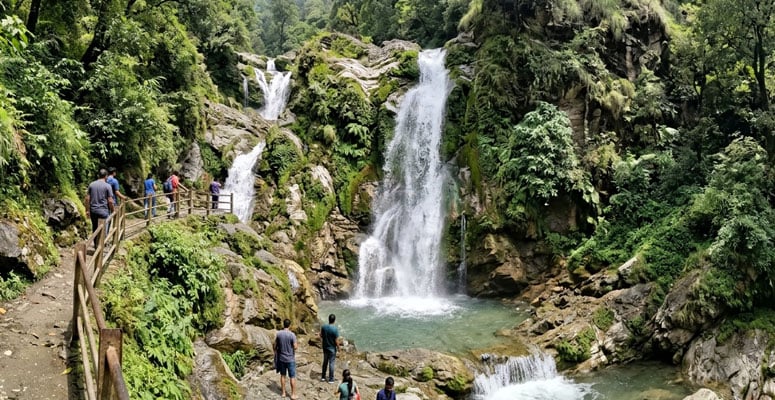
Nature stops near Rishikesh are useful when you have extra time. They should not replace the main ghats, bridge zone, and spiritual landmarks if this is your first visit.
1. Neer Garh Waterfall
Neer Garh Waterfall is the most practical waterfall option for many visitors. It is close enough to include without turning the day into a long excursion. Add it when you want a short nature break after covering the main riverfront and ashram areas.
Plan it this way:
Best for: Couples, photographers, active families, and travellers staying 2 nights or more.
Best time: Morning or early afternoon.
Time needed: 2 to 3 hours, including travel and walking.
Fits best on: Day 2.
Can skip if: You have only half a day or if senior travellers in the group may find the walk uncomfortable.
2. Patna Waterfall
Patna Waterfall is more selective than Neer Garh. It can be a pleasant stop for slow travellers, but it is not essential for a first-time visit to Rishikesh. Include it only if you have extra time and prefer quieter natural corners.
Plan it this way:
Best for: Repeat visitors, slow travellers, and those who enjoy less crowded nature stops.
Best time: Morning.
Time needed: A few hours, depending on access and walking comfort.
Fits best on: Day 3.
Can skip if: You are already visiting Neer Garh Waterfall or have limited sightseeing time.
How to plan Rishikesh sightseeing by time available
1. If you have half a day in Rishikesh
- Triveni Ghat
- Ram Jhula or Parmarth side
- Evening Ganga Aarti
This gives you the riverfront, one bridge/asram experience, and the spiritual highlight of Rishikesh.
Skip: Neelkanth Mahadev Temple, Kunjapuri Devi Temple, waterfalls, Beatles Ashram, and Vashishta Gufa.
2. If you have one full day
Use the morning for the bridge and ashram belt. Cover Ram Jhula, Swarg Ashram, Geeta Bhawan, and the Parmarth side slowly. In the afternoon, choose one focus:
- Choose Beatles Ashram if you want culture, photography, and a quieter heritage-style stop.
- Choose Bharat Mandir if your interest is more temple-focused.
Keep the evening free for Ganga Aarti. Do not overpack the day with Neelkanth or Kunjapuri unless you are ready to drop other places.
3. If you have two days
Day 1: Focus on core Rishikesh — Triveni Ghat, Ram Jhula, Swarg Ashram, Geeta Bhawan, Parmarth Niketan, and Beatles Ashram.
Day 2: Choose one major excursion:
- Neelkanth Mahadev Temple for a devotional focus.
- Kunjapuri Devi Temple for sunrise and views.
- Vashishta Gufa for a quieter spiritual visit.
- Neer Garh Waterfall for a short nature break.
Do not try to include all four. Pick based on traveller type and energy level.
4. If you have three days
A third day lets the trip feel more relaxed.
Suggested structure:
- Day 1: Ghats, Ram Jhula, Swarg Ashram, Parmarth side, and Ganga Aarti.
- Day 2: Neelkanth Mahadev Temple or Kunjapuri Devi Temple.
- Day 3: Vashishta Gufa, Neer Garh Waterfall, or a slower riverside day.
Adventure activities such as rafting, camping, bungee jumping, and kayaking should be planned separately.
Plan your Rishikesh Trip with IndianHoliday!
Rishikesh is easier to enjoy when sightseeing is structured by pace, location, and traveller type. A well-planned trip can include the Ganga Aarti, bridge-side walks, ashram visits, temple excursions, and nearby nature stops without turning the journey into a rushed checklist.


