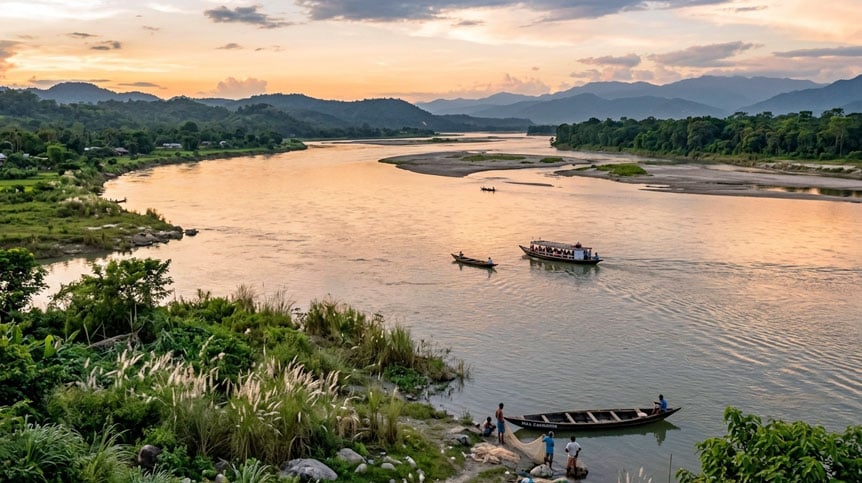

Guwahati is the largest city in Assam and serves as the gateway to Northeast India. Situated along the banks of the mighty Brahmaputra River, the city combines spiritual landmarks, scenic viewpoints, cultural attractions and riverside experiences that appeal to a wide range of travellers.
Whether you are visiting Assam for the first time or using Guwahati as a base for exploring the region, the city offers plenty of attractions worth discovering. From ancient temples perched on hills to river islands and panoramic viewpoints, Guwahati blends urban convenience with natural beauty.
This guide highlights the top tourist attractions in Guwahati and helps travellers plan a rewarding sightseeing experience in one of Northeast India’s most important cities.
Why Visit Guwahati
Guwahati is often the first destination travellers experience when they visit Northeast India. The city offers a mix of religious, cultural and scenic viewpoints that can be explored within a relatively short time frame.
Visitors can enjoy temple visits, river cruises, wildlife experiences, museums, hilltop viewpoints and local markets. The city’s location along the Brahmaputra River adds a distinctive character that sets it apart from many other Indian cities.
As the largest city in Assam, Guwahati also serves as an important cultural, commercial and transportation hub for Northeast India. Its combination of ancient temples, vibrant cultural institutions and access to natural attractions makes it an excellent introduction to the region for first-time visitors.
Top Tourist Attractions in Guwahati
1. Kamakhya Temple
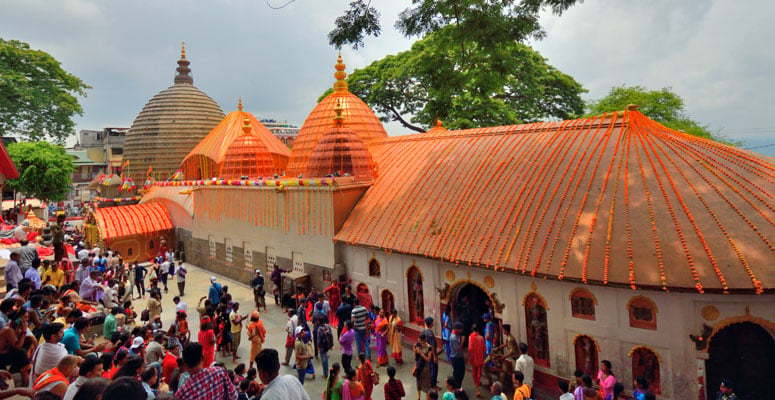
Kamakhya Temple is the most famous attraction in Guwahati and one of the most significant spiritual destinations in India. Located atop Nilachal Hill, the temple attracts visitors from across the country year-round, particularly during major religious festivals.
Apart from its religious significance, the temple complex offers panoramic views of Guwahati and the Brahmaputra River. The hilltop location provides excellent opportunities for sightseeing and photography.
For many travellers, Kamakhya Temple is the highlight of their visit to Guwahati.
2. Umananda Island
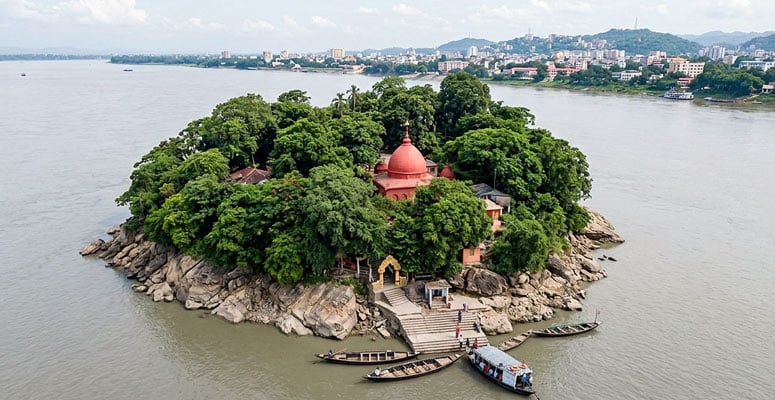
Umananda Island is a small island located in the middle of the Brahmaputra River. The island is home to the historic Umananda Temple, which attracts both pilgrims and travellers seeking a peaceful riverside setting.
Accessible by ferry, it offers a unique island experience within the city, with visitors enjoying the scenic boat ride and peaceful atmosphere. The views of the river and the surrounding cityscape make it a popular destination for photography and sightseeing.
The combination of river travel and island exploration makes Umananda Island one of Guwahati’s most distinctive attractions.
3. Brahmaputra Riverfront
The Brahmaputra River is central to Guwahati’s identity and offers numerous sightseeing opportunities. The riverfront areas offer scenic views, leisurely walks, and opportunities to photograph one of the world’s great rivers as it flows through the city.
A visit to Guwahati is incomplete without experiencing the river.
4. Brahmaputra River Cruise
River cruises are among the most popular activities in Guwahati. The Brahmaputra Cruise allows visitors to appreciate the river’s scale and beauty while enjoying views of the city’s skyline and surrounding hills.
Daytime and evening cruises offer different perspectives, with sunset cruises being particularly popular among travellers and photographers.
5. Assam State Museum
Assam State Museum is one of the city’s leading cultural attractions. The museum offers insights into Assam’s history, traditions, art and heritage.
Exhibits include archaeological artefacts, traditional textiles, sculptures, and displays showcasing Assam’s diverse tribal and cultural heritage.
The museum is particularly appealing to travellers interested in learning more about Assam beyond its natural attractions.
6. Srimanta Sankardev Kalakshetra
Srimanta Sankardev Kalakshetra is a major cultural complex dedicated to preserving and showcasing Assam’s artistic traditions.
The complex includes exhibition areas, cultural spaces and landscaped grounds that provide visitors with a deeper understanding of Assamese culture. The architecture and surroundings also make it an attractive sightseeing destination.
It is one of the best places in Guwahati to explore the state’s cultural identity.
7. Basistha Temple
Basistha Temple is located in a scenic setting surrounded by greenery and hills. The peaceful environment makes it appealing to both pilgrims and tourists seeking tranquillity.
Visitors often appreciate the natural surroundings as much as the temple itself. The amalgamation of spirituality and nature creates a relaxing atmosphere.
The area is also known for its attractive streams and forested landscapes.
8. Navagraha Temple
Navagraha Temple is situated on a hill overlooking the city, offering panoramic views of Guwahati and the surrounding region.
Many people visit not only for the temple experience but also for the scenic viewpoints. The elevated setting makes it one of the best locations for appreciating the city’s landscape.
9. Assam State Zoo and Botanical Garden
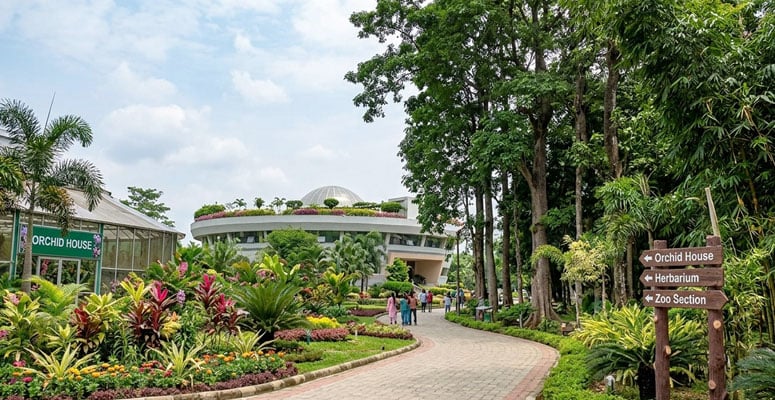
Assam State Zoo and Botanical Garden is one of the city’s most family-friendly attractions. The facility combines wildlife exhibits with landscaped green spaces.
Visitors can enjoy a variety of nature-focused experiences while spending time outdoors. The zoo is particularly popular among families travelling with children.
Its location within the city makes it easily accessible.
10. Deepor Beel
Deepor Beel is a large freshwater wetland located on the outskirts of Guwahati. Known for its birdlife and natural beauty, it attracts nature enthusiasts and photographers.
Recognised as a Ramsar wetland of international importance, Deepor Beel is one of Assam’s most significant ecological sites and an important habitat for migratory birds.
Visitors often come to enjoy the peaceful environment and observe wildlife in a scenic setting. The wetland provides a refreshing contrast to the city’s urban areas.
How to Plan Your Sightseeing in Guwahati
Most travellers spend one to three days exploring the city.
Suggested One-Day Itinerary
Begin with Kamakhya Temple in the morning, followed by Umananda Island and a visit to the Brahmaputra Riverfront. End the day with a sunset river cruise.
Suggested Two-Day Itinerary
Dedicate the first day to Kamakhya Temple, Umananda Island and riverfront experiences. On the second day, explore the Assam State Museum, Srimanta Sankardev Kalakshetra, Basistha Temple and Deepor Beel.
Spiritual and Cultural Attractions
Prioritise:
- Kamakhya Temple
- Basistha Temple
- Navagraha Temple
- Srimanta Sankardev Kalakshetra
These attractions highlight Guwahati’s cultural and spiritual significance.
Riverfront Experiences
These experiences showcase the city’s relationship with the Brahmaputra.
Nature and Family Attractions
Consider visiting:
- Deepor Beel
- Assam State Zoo and Botanical Garden
- Hilltop viewpoints around Nilachal Hill and Navagraha Temple
Best Time to Explore Guwahati Attractions
The period from October to April is generally considered the best time to visit Guwahati, as cooler temperatures and relatively dry weather make sightseeing more comfortable.
Clear skies also enhance photography and river views. Visitors should check local weather conditions when planning their itinerary.
Travel Tips for Visiting Guwahati Attractions
Conclusion
Guwahati offers an engaging mix of spirituality, culture, nature and riverfront experiences. From the iconic Kamakhya Temple and the unique setting of Umananda Island to the scenic Brahmaputra River and the peaceful landscapes of Deepor Beel, the city provides attractions for every type of traveller. Whether you are beginning a journey through Northeast India or exploring Assam in greater depth, Guwahati serves as both a fascinating destination and an excellent gateway to the region. The city also serves as an ideal starting point for discovering the wider attractions of Assam and Northeast India.