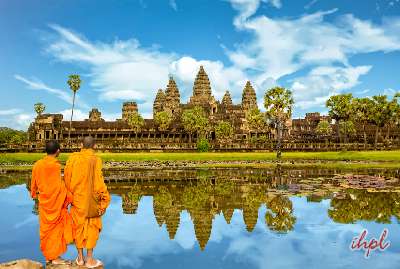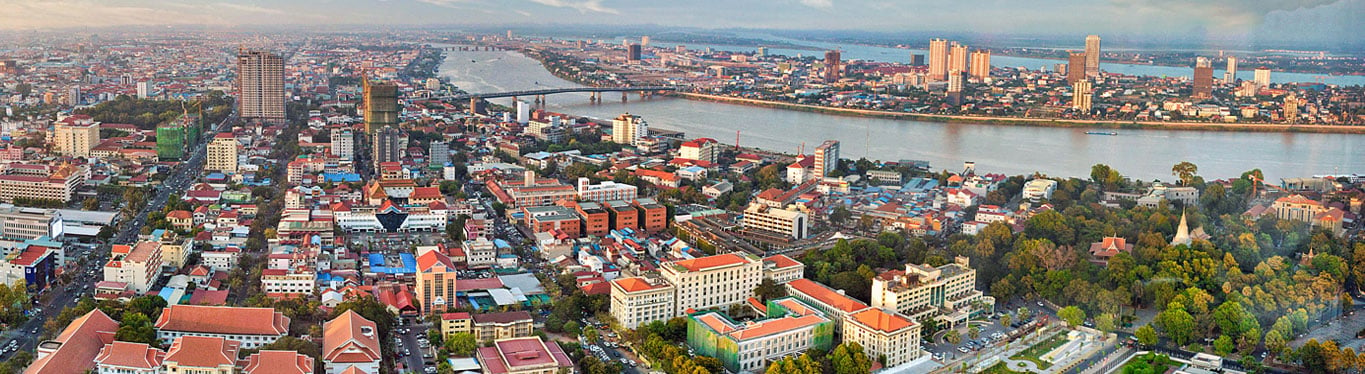
Cambodia is known for its mix of ancient temples, historic cities, river landscapes, and island escapes spread across the country. From the temples of Siem Reap and the cultural landmarks of Phnom Penh to Tonlé Sap’s floating villages and the calm beaches of southern Cambodia, each region offers a distinct travel experience.
Cambodia is relatively easy to explore because many major destinations can be combined without long travel days between stops. Some places are better suited to heritage- and history-focused travel, while others appeal more to travellers interested in nature, local culture, or relaxed coastal stays. Regardless of the type of traveller you are, Cambodia rewards you with its temples and immersive cultural experiences.
A well-planned trip usually focuses on a few key regions rather than trying to cover the entire country too quickly.
Quick Planning Snapshot
Which Cambodia Destination Should You Prioritise?
| Traveller Need | Best Choice |
|---|---|
| First-time Cambodia trip | Siem Reap + Phnom Penh |
| Temple heritage and history | Angkor Wat + Angkor Thom |
| Cultural landmarks and museums | Phnom Penh |
| Floating village experience | Tonlé Sap |
| Nature and slower travel | Mondulkiri |
| Beaches and island stays | Koh Rong + Southern Cambodia |
| Short 4–5 day trip | Siem Reap + Phnom Penh |
| Relaxed multi-region travel | Siem Reap + Tonlé Sap + Coastal Cambodia |
Top Tourist Attractions in Cambodia
• Siem Reap and Angkor Archaeological Park
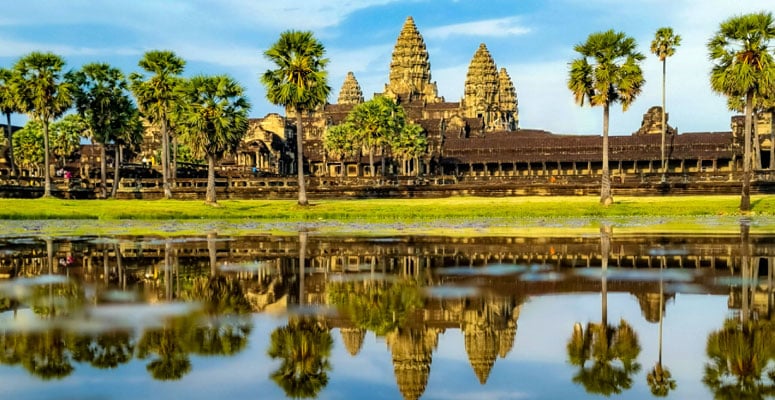
Siem Reap is considered the main gateway to Cambodia’s most important historical and cultural attractions and usually forms the centre of a first-time Cambodia itinerary. The region is known for the Angkor temple complex, but the overall experience also includes museums, local markets, floating villages, and smaller temple sites spread across the surrounding countryside.
Ideally, travellers should spend at least two to three days here because the temple region spreads across multiple circuits rather than a single attraction area.
Early starts are useful for avoiding heat and crowds, while a slower schedule helps balance temple visits with local cultural experiences around Siem Reap itself.
Why visit: Cambodia’s main heritage and temple region
Time needed: 2–3 days
Best experiences: Temple circuits, Khmer architecture, floating villages, local markets
1. Angkor Wat
Angkor Wat is Cambodia’s most recognised landmark and the largest religious monument in the country. It is best known for its scale, stone carvings, temple galleries, and sunrise views, although many travellers prefer quieter mid-morning visits after the early crowds leave. This attraction is commonly paired with Angkor Thom and Bayon Temple on the same circuit day.
2. Angkor Thom and Bayon Temple
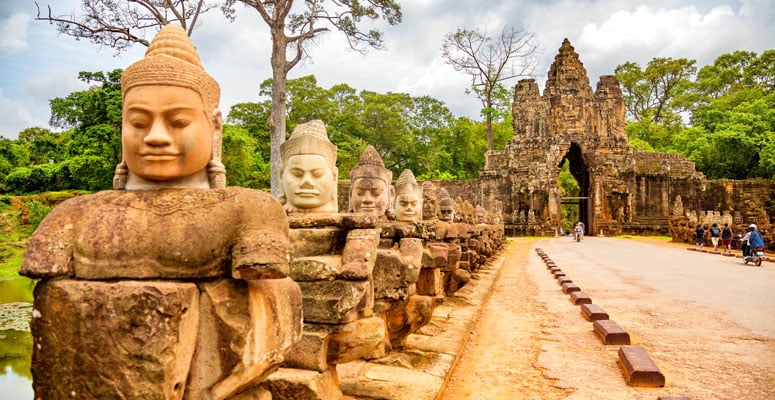
Angkor Thom works well for travellers who want to explore larger temple complexes beyond Angkor Wat. Bayon Temple is especially known for its stone face towers and layered architectural details spread across the centre of the ancient city.
3. Ta Prohm
Ta Prohm is one of the most visually distinctive temples in the Angkor region because of the large tree roots growing through the ruins. The site is especially popular among photography-focused travellers and visitors interested in jungle-covered temple landscapes.
4. Banteay Srei
Banteay Srei is located slightly farther from the main Angkor circuit and is known for its smaller scale and detailed sandstone carvings. It is often prioritised by travellers interested in detailed Khmer craftsmanship and quieter outer temple routes.
5. Angkor National Museum
The Angkor National Museum offer a historical and cultural context before visiting the temple complexes. It works particularly well at the start of a Siem Reap stay for travellers interested in Khmer civilisation, temple construction, and regional history.
6. Tonlé Sap Floating Villages
The floating villages around Tonlé Sap offer insight into lake-based communities and seasonal river life outside the temple region. Most travellers visit as a half-day extension from Siem Reap rather than as a standalone destination.
6. Pub Street and Old Market Area
The Pub Street and Old Market area works more as an evening and local exploration zone after daytime temple visits. The neighbourhood is known for cafés, local food, markets, and walkable streets rather than formal sightseeing attractions. The place functions adequately as an evening extension post temple visits, rather than a standalone attraction.
• Phnom Penh and Cambodia’s Historical Landmarks
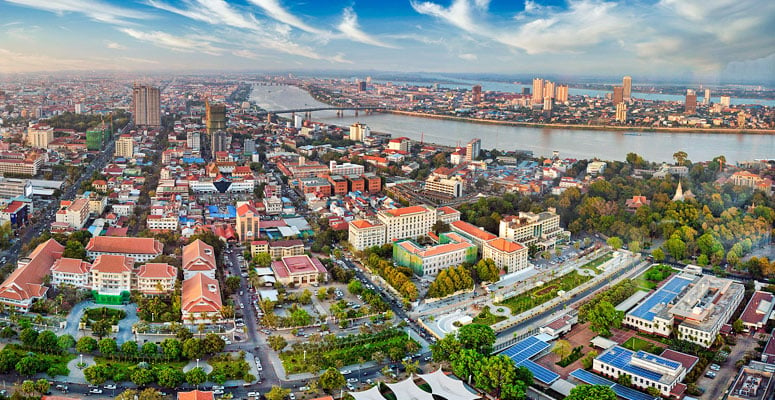
Phnom Penh is usually the second major stop after Siem Reap because it adds historical context and urban culture to a Cambodia trip. The capital combines royal architecture, museums, riverfront districts, markets, and memorial sites connected to the country’s modern history.
It suits travellers who want more than temple sightseeing and prefer destinations with cultural depth, local city life, and more layered urban exploration beyond Cambodia’s main heritage sites.
The city also works well for balancing historical visits with cafés, markets, and evening riverfront areas without requiring tightly packed sightseeing schedules.
Why visit: Cambodia’s cultural and historical centre
Time needed: 2 days
Best experiences: Royal Palace, museums, riverfront areas, local markets
1. Royal Palace and Silver Pagoda
The Royal Palace complex is one of Phnom Penh’s most important landmarks and is best visited for Khmer architecture, ceremonial halls, and the quieter palace grounds compared to the city’s busier streets.
2. Tuol Sleng Genocide Museum
Tuol Sleng provides important historical insight into Cambodia’s recent past and is better suited for travellers interested in political history and deeper cultural understanding rather than casual sightseeing.
3. Choeung Ek Killing Fields
Often combined with Tuol Sleng, Choeung Ek adds broader historical context to Phnom Penh’s memorial sites. Most visitors explore both locations on the same day due to their thematic connection.
4. Central Market and Riverside Area
The Riverside and Central Market areas work better for relaxed local exploration, food stops, and evening walks rather than structured sightseeing. These areas are often explored between major historical attractions or at the end of the day. These areas are best visited late afternoon or evening after museum visits.
• Tonlé Sap and Floating Village Regions
The Tonlé Sap region offers a different side of Cambodia beyond temples and city landmarks, with floating settlements, seasonal floodplains, fishing communities, and river-based travel shaping the local landscape.
Travellers explore this region as an extension of Siem Reap, especially if they want cultural experiences connected to everyday life around Southeast Asia’s largest freshwater lake.
The experience here depends heavily on water levels and seasonality, which means some villages are better visited during monsoon and post-monsoon months when boat routes become more active. Rather than fast-paced sightseeing, Tonlé Sap is better suited for slower exploration focused on village life, stilt houses, wetlands, and river scenery.
Why visit: Floating villages, lake culture, and floodplain landscapes
Time needed: Half day to full day
Best experiences: Boat routes, stilt-house settlements, wetland scenery, local fishing communities
1. Kampong Phluk
Kampong Phluk is known for its tall stilt houses, flooded forest areas, and quieter village atmosphere compared to some of the more commercial lake routes. It is often preferred by travellers interested in photography and more scenic boat journeys through flooded forest landscapes.
2. Kampong Khleang
Kampong Khleang is one of the larger floating village regions around Tonlé Sap and is better suited for travellers looking for a less tourist-heavy experience with wider lake landscapes and larger stilt-house communities.
3. Chong Kneas
Chong Kneas is the easiest floating village route to access from Siem Reap and is often chosen by travellers with limited time. The area is more commercial than some other lake regions, but it works well for shorter visits and first-time lake experiences.
4. Floodplain Landscapes and Boat Routes
The Tonlé Sap floodplains change significantly across seasons, especially during the monsoon period when water levels rise, and boat access expands into forested and agricultural areas. Many routes focus more on the surrounding landscapes and waterways than on individual village stops alone.
• Cambodia’s Nature and Countryside Destinations
Cambodia’s countryside regions are better suited for travellers looking to slow down beyond the country’s main temple and city circuits. These areas focus more on forests, wildlife, river landscapes, eco-tourism experiences, and rural communities rather than structured sightseeing.
Most nature-focused destinations require longer travel times as compared to Siem Reap or Phnom Penh, making them more suitable for extended Cambodia itineraries.
The experience across these regions is shaped by landscape and seasonality, with some areas working best during the cooler months when road conditions and trekking access are more manageable. Travellers interested in wildlife, forest environments, and quieter regional travel usually combine one countryside destination with Cambodia’s major heritage stops rather than trying to cover multiple remote provinces in the same trip.
Why visit: Forest landscapes, eco-tourism, river regions, and slower rural travel
Time needed: 2–4 days, depending on region
Best experiences: Jungle stays, wildlife zones, river communities, trekking routes
1. Mondulkiri
Mondulkiri is one of Cambodia’s quieter highland regions, known for forested hills, waterfalls, and a slower pace of travel compared to the country’s major tourist hubs. The province is better suited for travellers looking for eco-lodges, countryside scenery, and time away from Cambodia’s heritage-heavy routes.
2. Elephant Valley Project
Unlike traditional wildlife attractions, the Elephant Valley Project focuses on conservation-led experiences where visitors observe rescued elephants within protected forest surroundings. The experience is centred more on responsible tourism and guided forest walks than structured entertainment.
3. Cardamom Mountains
The Cardamom Mountains region appeals to travellers interested in remote landscapes, rainforest environments, and outdoor experiences that feel very different from Cambodia’s temple circuits. Many stays here focus on river lodges, trekking access, and low-density eco-tourism.
4. Virachey National Park
Virachey National Park remains one of Cambodia’s least-visited protected areas and is generally explored by travellers who are looking for deeper nature experiences, forest trekking, and remote regional travel in the northeastern part of the country. Please note that the park access requires additional travel time and suits longer itineraries.
5. Kratie and Irrawaddy Dolphin Region
Kratie offers a slower riverside atmosphere along the Mekong and is most commonly visited for Irrawaddy dolphin sightings and local river landscapes. The region works better for relaxed travel and countryside exploration than fast-paced sightseeing schedules.
• Cambodia’s Southern Islands and Coastal Region
Southern Cambodia is usually added after Siem Reap and Phnom Penh by travellers preferring a slower pace, beach time, or island stays before ending their trip. The region is less focused on historical sightseeing and better suited for relaxed travel, short boat transfers, seafood towns, and quieter coastal landscapes compared to Cambodia’s major heritage destinations.
Most coastal trips are planned around island stays rather than city sightseeing. Travellers generally use Sihanoukville as a transit point before continuing towards islands like Koh Rong or Koh Rong Samloem, where the experience becomes more beach-focused and less structured around fixed attractions.
Why visit: Beaches, island stays, and slower coastal travel
Time needed: 3–4 days
Best experiences: Island ferries, beach stays, snorkelling areas, sunset viewpoints
1. Koh Rong
Koh Rong is known for its longer beaches, livelier atmosphere, and mix of cafés, resorts, and water-based activities. It suits travellers looking for a more active island stay with easier access to restaurants and ferry connections.
2. Koh Rong Samloem
Koh Rong Samloem offers a quieter experience as compared to Koh Rong and is better suited for travellers seeking relaxed beach stays, slower travel, and less commercial surroundings.
3. Otres Beach Area
The Otres Beach region works better for travellers who prefer shorter coastal stays near the mainland instead of multi-island travel. The area is usually explored at a slower pace with cafés, local seafood spots, and quieter beachfront stretches.
4. Kep and Kampot
Kep and Kampot are often combined within the same coastal route because of their riverside setting, seafood culture, and slower town atmosphere. These destinations are better suited for relaxed regional travel than fast-paced sightseeing.
• Village, River, and Local Cultural Experiences
Cambodia’s smaller river towns, villages, and local cultural areas offer a slower experience beyond the country’s major temple and city routes. These places are better suited as supporting cultural sightseeing extensions tied to major destination routes.
Many of these experiences are explored as short extensions from Phnom Penh, Siem Reap, or the Mekong river routes rather than standalone destinations.
Why visit: Local culture, riverside travel, village life, and traditional crafts
Time needed: Half day to 2 days
Best experiences: Local markets, ferry crossings, riverside cycling, village communities
1. Mekong River Communities
The Mekong communities have fishing villages, ferry routes, and slower countryside travel shaped by daily river life.
2. Silk Island
Silk Island is known for traditional weaving villages, riverside cycling, and relaxed local experiences near Phnom Penh.
3. Local Markets and Craft Villages
These areas provide insight into Cambodia’s regional food culture, handmade products, and everyday local life.
4. Riverside Town Experiences
Cambodia’s riverside towns are better suited for relaxed exploration, cafés, river views, and slower travel between major destinations.
How to Plan Cambodia Destinations by Route
• 5-Day First-Time Cambodia Route
Siem Reap → Angkor Wat → Phnom Penh
Best for: First-time travellers covering Cambodia’s main heritage and historical attractions.
• 7-Day Heritage + Culture Route
Siem Reap → Tonlé Sap → Phnom Penh → Silk Island
Best for: Travellers interested in temples, local culture, floating villages, and historical landmarks.
• 8–10 Day Cambodia + Coastal Route
Siem Reap → Phnom Penh → Kampot / Kep → Koh Rong
Best for: Travellers looking to combine heritage sightseeing with slower coastal and island stays.
• Extended Cambodia Nature Route
Siem Reap → Phnom Penh → Mondulkiri → Kratie → Cardamom Mountains
Best for: Travellers interested in forests, eco-tourism, Mekong river regions, and slower countryside travel beyond Cambodia’s main tourist circuit.
Best Time to Visit Cambodia Tourist Places
- November to February: This is the most comfortable period for exploring Angkor Wat, Phnom Penh, and other major sightseeing regions owing to cooler temperatures and lower humidity. It is also the busiest travel season in Cambodia.
- March to May: These months are hotter and better suited to travellers comfortable with early morning sightseeing schedules. Temple visits usually become warmer by midday, especially around Siem Reap and Angkor.
- June to October: The monsoon season brings greener landscapes, active waterways, and fuller floodplains around Tonlé Sap. Some countryside and rural areas may experience slower road travel during heavy rainfall periods.