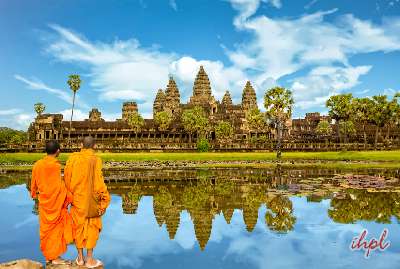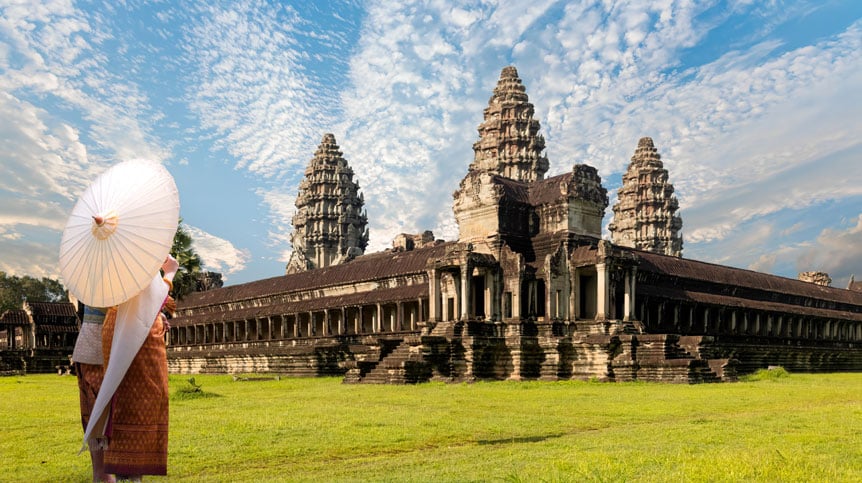
Cambodia can feel very different depending on the season you choose for your trip. Cooler dry-season months are usually preferred for temple visits, guided sightseeing, and family holidays. At the same time, the greener monsoon period appeals to travellers looking for quieter surroundings and a more relaxed pace.
From sunrise visits at Angkor Wat to coastal extensions around Koh Rong and Kep, seasonal conditions can influence crowd levels, sightseeing comfort, travel pacing, and hotel availability across the country. Peak travel months often bring generally more relaxed daytime conditions for structured itineraries, though they also coincide with higher demand and busier tourist zones.
Travellers planning a trip to Cambodia for cultural exploration and multi-city touring generally prefer November to February for smoother daytime travel and easier sightseeing conditions. Shoulder-season months such as October and early November can also offer a good balance of manageable weather, greener landscapes, and comparatively lighter crowds.
This guide explains the best time to visit Cambodia based on travel style, seasonal experiences, crowd patterns, and practical planning considerations to help you decide when to plan your trip.
Best Time to Visit Cambodia at a Glance
| Travel Priority | Best Time |
|---|---|
| Comfortable sightseeing | November to February |
| Families | November to February |
| Angkor Wat photography | October to February |
| Beach holidays (Koh Rong & Kep) | November to April |
| Fewer crowds | May to October |
| Green landscapes | July to October |
| Multi-country Southeast Asia trips | November to February |
| Better hotel availability | May to September |
How Seasonal Timing Fits into a Cambodia Itinerary
The best time to visit Cambodia should be considered alongside the type of itinerary you are planning, rather than as a standalone weather decision. Seasonal conditions influence how comfortably travellers can combine temple visits, city exploration, countryside experiences, and beach extensions within the same journey.
Travellers can align their Cambodia trip with one of the following travel approaches:
1. As a Cultural and Heritage-Focused Journey
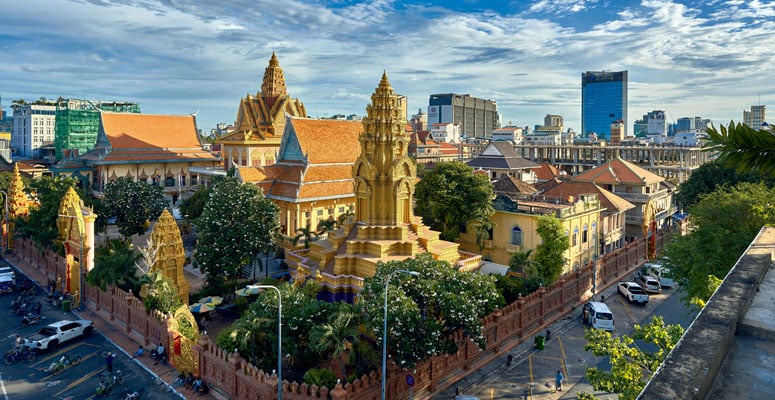
Travellers concentrating on Angkor Wat, Phnom Penh, Battambang, and other historical attractions generally prefer the cooler months between November and February.
The better daytime conditions make it easier to cover temple complexes, museums, walking tours, and cultural experiences without significantly adjusting sightseeing schedules.
2. Cambodia as Part of a Regional Southeast Asia Circuit
Many travellers combine Cambodia with Vietnam, Thailand, or Laos rather than visiting it as a standalone destination.
Typical route combinations include:
- Bangkok → Siem Reap → Phnom Penh
- Ho Chi Minh City → Phnom Penh → Siem Reap
- Hanoi → Ho Chi Minh City → Phnom Penh → Siem Reap
- Bangkok → Siem Reap → Phnom Penh → Koh Rong
November to February generally provides the smoothest conditions for these multi-country journeys, with fewer weather-related disruptions and more comfortable sightseeing days.
Many travellers choose the dry season to simplify flights, transfers, guided tours, and multi-city travel arrangements while maintaining consistent sightseeing conditions across destinations.
3. Beach Extensions: When Do They Work Best?
Travellers adding Koh Rong, Koh Rong Samloem, Kep, or Kampot generally find November to April the most reliable period for beach-focused stays.
Sea conditions are often calmer, ferry operations are typically more predictable, and beach activities such as snorkelling, kayaking, and island hopping are easier to plan.
If beaches are a major part of your trip, consider placing the coastal segment after Siem Reap and Phnom Penh rather than before, creating a more relaxed finish to the itinerary.
Travellers looking to balance cultural exploration with relaxation often combine Siem Reap and Phnom Penh with coastal stays around Koh Rong, Kep, or nearby island destinations.
The shoulder months of October, November, and February can offer a practical balance of pleasant weather, manageable crowd levels, and greater flexibility when planning both sightseeing and leisure experiences.
Best Time to Visit Cambodia by Travel Style
1. Best Time for Comfortable Sightseeing
Best Months: November to February
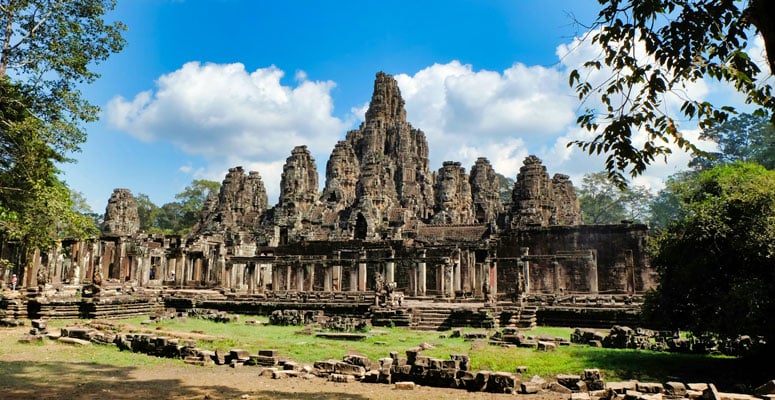
These months are often the most convenient period for covering Cambodia’s major sightseeing circuits without feeling rushed by heat or heavy rainfall. Early mornings around Angkor Archaeological Park remain more comfortable for walking between temple complexes such as Angkor Wat, Bayon Temple, and Ta Prohm, especially on itineraries that involve multiple temple stops in a single day.
Travellers planning multi-city itineraries covering Siem Reap, Phnom Penh, and coastal regions often prefer this period for smoother road travel and easier daytime exploration. The season also works particularly well for guided tours with structured daily schedules.
Temple Circuit Planning Tip
Most first-time visitors underestimate the size of Angkor Archaeological Park.
Instead of covering Angkor Wat, Bayon, Ta Prohm, and surrounding temples in one day, spread exploration across two mornings. This usually results in a far more comfortable experience and allows additional time at lesser-visited temples such as Preah Khan and Banteay Kdei.
Keep the hours between 12:00 PM and 3:00 PM lighter for lunch or hotel rest, then continue with shorter sightseeing stops, markets, or cultural attractions later in the evening. This pacing usually makes Cambodia itineraries feel far less exhausting, especially during multi-city trips.
2. Best Time for Families
Best Months: November to February
Families usually find these months more convenient for combining temple visits, city sightseeing, and short beach stays within the same itinerary.
Daytime temperatures during this period generally remain around 25°C to 30°C in most tourist regions, making outdoor exploration around Angkor Archaeological Park easier for children and older travellers without weather-related interruptions.
This season also works well for families planning Cambodia alongside Vietnam or Thailand, as flight connectivity and guided touring conditions are generally smoother during the peak travel period.
3. Best Time for Fewer Crowds
Best Months: May to October
Travellers looking for a quieter Cambodia experience often prefer these months, especially around major tourist zones in Siem Reap and Phnom Penh.
Temple circuits around Angkor Wat usually feel less congested compared to the peak winter season, making it easier to explore popular sites without large tour groups moving through the same areas.
Popular sunrise viewpoints near Angkor Wat also tend to feel less crowded during this period, allowing travellers more time around photography spots and temple entrances without the heavy peak-season rush. Hotels and guided tours may also offer greater availability than in the busier winter months.
4. Best Time for Photographers
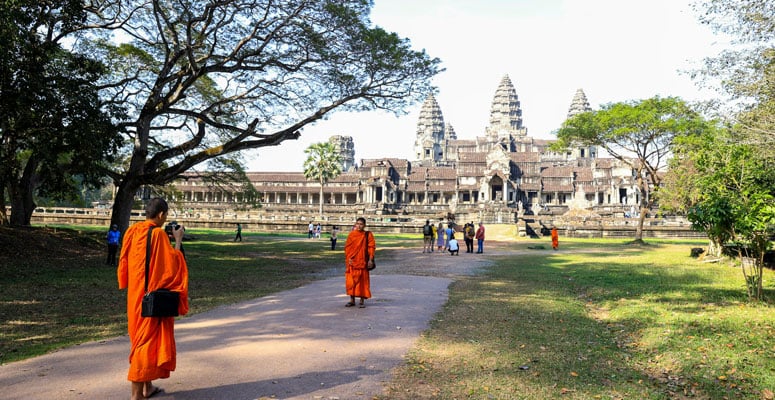
Best Months: October to February
Alternate Window: July to September for dramatic monsoon landscapes
Cambodia offers very different photography conditions across seasons, especially around temple complexes, rural landscapes, and coastal regions.
The months immediately after the monsoon usually bring greener surroundings around Angkor Wat, Ta Prohm, and the countryside near Siem Reap, while the drier winter season improves visibility for sunrise and architectural photography.
Early mornings around Angkor Archaeological Park often create softer light conditions for capturing temple reflections, stone carvings, and quieter pathways before larger tour groups arrive.
The monsoon period, on the other hand, changes the atmosphere completely with darker skies, dramatic cloud formations, rain-soaked temple corridors, and richer greenery around heritage sites.
During the monsoon season, keep camera protection and flexible sightseeing windows ready, as short rain showers are often followed by clearer skies and stronger landscape contrast for photography.
5. Best Time for Heat-Sensitive Travellers
Best Months: November to January
Travellers who find tropical heat exhausting generally prefer Cambodia during the cooler dry-season months.
Temple exploration, city walks, and cultural sightseeing remain more manageable during this period, particularly around Angkor Archaeological Park, where walking distances can be significant.
6. Best Time for Couples and Relaxed Holidays
Best Months: November to February
Couples combining heritage experiences with beach stays often prefer this period for its enjoyable sightseeing conditions and easier island travel.
A typical itinerary pairing Siem Reap with Koh Rong or Kampot allows travellers to balance cultural exploration with slower-paced coastal experiences.
7. When to Avoid Crowds & Peak Pricing
Best Months: Late December to January and major holiday periods
Cambodia experiences its busiest tourist crowds during peak winters, especially around Christmas, New Year, and international holiday weeks. Popular areas such as Angkor Wat, Pub Street in Siem Reap, Phnom Penh’s riverside district, and ferry routes towards Koh Rong often become noticeably busier during this period.
Hotels near Angkor Archaeological Park and centrally located resorts in Siem Reap also tend to book out earlier, particularly for travellers planning guided tours and sunrise temple visits. While the atmosphere feels lively and energetic, travellers seeking quieter sightseeing and more flexible pacing may find the peak weeks comparatively crowded.
Evening walks along quieter riverside stretches in Phnom Penh also tend to feel more relaxed compared to the busiest market areas and nightlife zones.
8. Festival & Holiday Planning Considerations
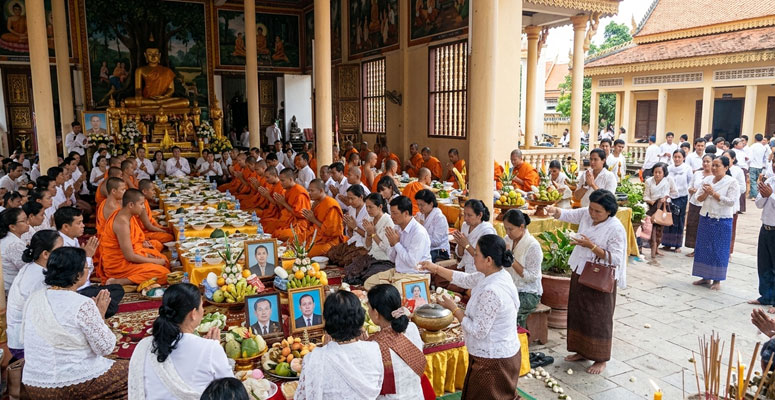
Cambodia’s major festivals can influence accommodation demand, domestic travel movement, and crowd levels.
Key periods include:
- Khmer New Year (April)
- Pchum Ben Festival (September–October)
- Water Festival / Bon Om Touk (usually November)
Travellers planning around these dates should consider booking accommodation and guided tours earlier than usual, particularly in Siem Reap and Phnom Penh.
Season Framing – Cambodia
1. Winter (November to February) – Comfortable & Sightseeing-Focused
Winter is commonly chosen season for structured Cambodia itineraries that cover Siem Reap, Phnom Penh, and coastal destinations. Early mornings are better suited for exploring temples around Angkor Wat, while evenings are suitable for riverside walks, local markets, and outdoor dining. This season works particularly well for travellers planning guided tours, family holidays, and multi-city sightseeing without frequent weather disruptions.
2. Summer (March to June) – Slower-Paced & Warmer
The pre-monsoon summer period brings warmer afternoons across most parts of Cambodia, which naturally slows down sightseeing during the middle of the day. Early mornings and evenings remain the best time for temple visits, café exploration, and shorter city walks. Travellers preferring quieter tourist areas and greater hotel availability may still find this season suitable, especially with lighter daily schedules and well-paced itineraries.
3. Monsoon (July to October) – Green & Atmospheric
The monsoon season changes Cambodia’s landscapes significantly, especially around rural Siem Reap, Tonlé Sap Lake, and countryside routes near Battambang. Rice fields appear greener, temple surroundings feel more atmospheric, and tourist areas are usually less crowded compared to the peak winter months. Short rain showers are common, though they are often followed by clearer skies and fresher surroundings that many photographers and nature-focused travellers enjoy.
Is Monsoon Season Right for You?
Choose July to October if:
- You prefer fewer tourists.
- You enjoy greener landscapes.
- You are able to adjust plans around occasional rain.
Consider another season if:
- Angkor Wat photography is your primary priority.
- You prefer tightly scheduled touring.
- You plan extensive island and ferry travel.
Practical Planning Signals
Booking Window: Book 6–8 weeks in advance for travel between November and February, especially for stays near Angkor Wat, Koh Rong resorts, and year-end holiday periods.
Peak Pricing: Prices are usually highest from December to January, particularly for beachfront resorts, boutique hotels in Siem Reap, and guided tours.
Crowd Levels:
- High: December to January and major holiday periods
- Moderate: October to November and February
- Low: May to September
Ideal Trip Duration: Plan at least 6–8 days to comfortably cover Siem Reap, Phnom Penh, and a short beach extension. Temple-focused trips usually require 3–4 days in Siem Reap alone.
Suggested Trip Length by Travel Style
| Travel Style | Recommended Duration |
|---|---|
| Angkor-focused trip | 3–4 days |
| Cambodia highlights | 6–8 days |
| Cambodia with beaches | 8–10 days |
| Cambodia + Vietnam | 10–14 days |
| Cambodia + Thailand | 10–14 days |
Explore Cambodia Tours & Travel Ideas
Travellers planning Cambodia often explore the following resources before finalising an itinerary: