Looking for an underwater adventure in Southeast Asia? Thailand offers some of the best scuba diving and snorkelling experiences in the world — with crystal-clear waters, abundant marine life, and dive sites for every skill level. From beginner-friendly coral gardens to deep-sea shipwrecks and whale shark sightings, Thailand’s coastlines and islands have it all.
Here’s our expert-curated list of the 10 best diving and snorkelling spots in Thailand to explore in 2026 — whether you’re a certified diver or just snorkelling for the first time.
1. Similan Islands – Andaman Sea

Why Go: A national marine park and often ranked among the world’s top 10 dive destinations, the Similan Islands are a diver’s dream. Expect vibrant coral reefs, manta rays, whale sharks, and jaw-dropping underwater visibility (up to 30 meters).
Best Time to Visit: November to May (Park is closed June–Oct)
Also Read: Best Beaches in Thailand
2. Koh Tao – Gulf of Thailand

Why Go: Koh Tao is Thailand’s #1 budget-friendly diving island and one of the cheapest places in the world to get PADI certified. Perfect for beginners and casual snorkelers, it also offers challenging wreck dives for pros.
Best Time to Visit: March to September
Experience the culture, beaches, and nature at the top Thailand tourist attractions.
3. Richelieu Rock – Surin Islands

Why Go: This isolated limestone pinnacle is Thailand’s best site for whale shark sightings. Found in the open sea, Richelieu Rock is ideal for experienced divers and is accessible only via liveaboard tours.
Best Time to Visit: February to April
Get complete details on flights and routes in our how to reach Thailand.
4. Koh Lipe – Tarutao National Park

Why Go: Often called the “Maldives of Thailand,” Koh Lipe offers stunning coral reefs just steps from the beach. It’s a snorkeler’s paradise, but also great for chilled-out diving.
Best Time to Visit: November to April
From island hopping to temples — check out the best things to do in Thailand.
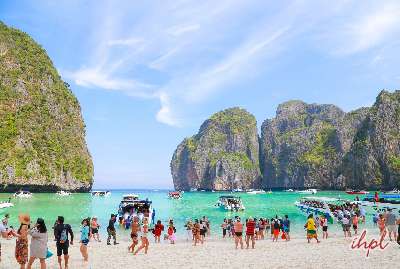
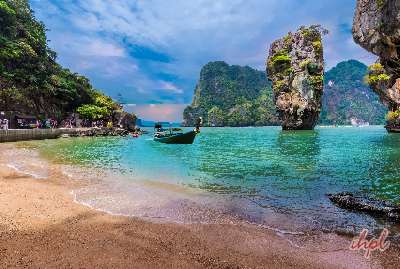
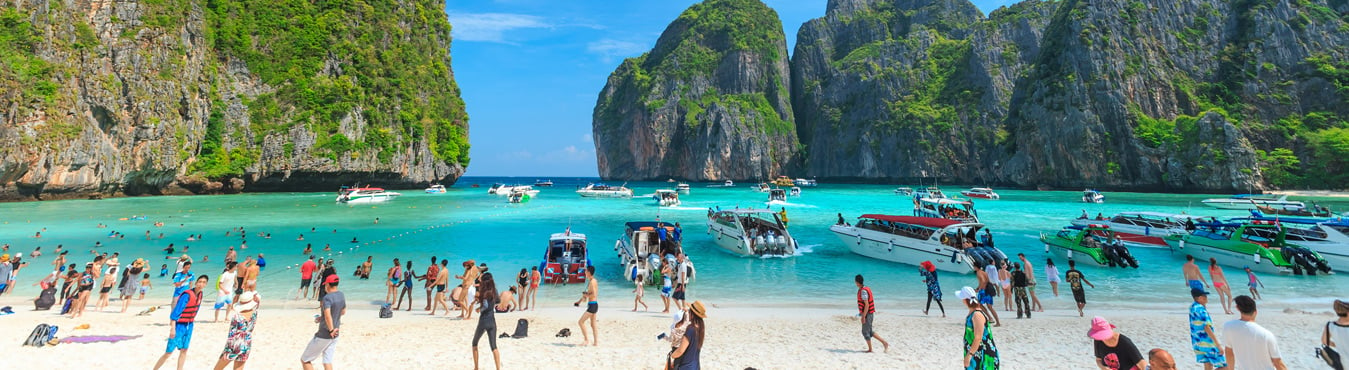
5. Koh Phi Phi – Andaman Coast

Why Go: Beyond its party reputation, Phi Phi offers some of the most scenic dive sites in Thailand, with dramatic limestone cliffs above water and colourful coral gardens below.
Best Time to Visit: November to May
6. Koh Haa – Krabi Province

Why Go: A hidden gem, Koh Haa (meaning “Five Islands”) features a stunning lagoon dive site inside a circular reef. It’s lesser-known, so you can expect fewer crowds and fantastic conditions for underwater photography.
Best Time to Visit: December to April
7. Sail Rock – Between Koh Phangan and Koh Tao

Why Go: One of the top vertical wall dives in the Gulf of Thailand, Sail Rock, attracts both beginner and expert divers. It’s famous for its chimney swim-through and sheer wall dives teeming with life.
Best Time to Visit: March to September
Take the ultimate leap with skydiving in Thailand for unmatched thrill and views.
8. Ao Nang & Krabi – Mainland Access
Why Go: Ideal for travellers based in Krabi or Ao Nang, these sites offer a convenient blend of beach stays and accessible dive points. Great for those who want short half-day dive tours without island-hopping.
Best Time to Visit: November to March
9. Koh Chang – Eastern Thailand
Why Go: Less touristy and still wild, Koh Chang has calm waters ideal for beginners, families, and casual snorkelers. Diving options are growing with new artificial reefs and a military wreck site.
Best Time to Visit: November to May
Find the best season in Thailand for beaches, sightseeing, and festivals.
10. Phuket – Dive Hub of the West
Why Go: Phuket is a launchpad for multiple dive trips, including day tours to Racha Yai, King Cruiser Wreck, and Shark Point. It’s a one-stop solution for both diving and nightlife.
Best Time to Visit: December to May
Quick Tips for Diving & Snorkelling in Thailand
Certification matters:
If you’re diving, always choose PADI-certified operators. Open Water certification takes 3–4 days.
2. Visibility is seasonal:
West Coast (Andaman Sea) is best Nov–May; East Coast (Gulf of Thailand) is better June–Sept.
3. Rent smart:
Snorkelling gear is often included in island tours, but inspect mask seals and fins for fit.
4. Marine etiquette:
Don’t touch coral, wear reef-safe sunscreen, and never feed marine life.
5. Insurance helps:
If you plan to dive multiple times, get travel insurance that covers scuba diving.
Dive into crystal-clear waters and explore marine life with scuba diving in Thailand
Final Thoughts: Thailand’s Underwater World Awaits
Whether you’re chasing whale sharks near Richelieu Rock or just floating above soft coral beds in Koh Tao, diving in Thailand offers unforgettable marine experiences. From first-time snorkelers to seasoned scuba pros, there’s a reef, a wreck, or a rock outcrop calling your name.
📞 Want a custom Thailand diving holiday?
Let Indian Holiday craft a dive trip that suits your level, style, and budget — complete with PADI centres, eco-lodges, and hidden reef routes.
FAQs
Q1: Is Thailand good for beginner divers?
Yes, islands like Koh Tao and Koh Phi Phi offer calm waters, easy access, and affordable PADI courses for beginners.
Q2: Do I need a license to scuba dive in Thailand?
Yes, you’ll need to be Open Water certified for most dives. However, many places offer “Discover Scuba” sessions for first-timers.
Q3: Where can I see whale sharks in Thailand?
Richelieu Rock, Koh Tao (Chumphon Pinnacle), and Sail Rock are the top spots during February–April.
Q4: Is snorkelling in Thailand safe for kids?
Absolutely. Beaches like Ao Leuk (Koh Tao), Ao Nang (Krabi), and Koh Chang offer safe, shallow areas perfect for families.
Q5: What is the best time to dive in Thailand?
Andaman side (Phuket, Krabi): November to May. Gulf side (Koh Tao, Koh Samui): June to September.