
Vietnam is one of Southeast Asia’s most captivating destinations, offering a remarkable combination of natural beauty, rich history, vibrant cities, cultural heritage, and diverse landscapes. Stretching from the mountains near China in the north to the tropical islands of the south, the country offers an extraordinary range of experiences within a single journey.
Travellers can cruise through limestone karsts in Ha Long Bay, explore ancient trading towns, trek through terraced rice fields, relax on tropical beaches, and discover centuries of history reflected in temples, palaces, and colonial architecture. Whether you are planning a family holiday, honeymoon, cultural tour, or adventure-filled getaway, Vietnam offers something for every type of traveller.
This guide is particularly useful for first-time visitors, cultural travellers, nature enthusiasts, and those planning a multi-city itinerary in Vietnam, helping them prioritise destinations based on their interests and available travel time.
Why Visit Vietnam
Vietnam appeals to travellers because of its unique ability to combine culture, history, nature, adventure, and excellent value.
Visitors are drawn to Vietnam for its:
- Spectacular natural landscapes
- UNESCO World Heritage Sites
- Historic cities and cultural landmarks
- Beautiful beaches and islands
- Mountain trekking and outdoor adventures
- World-famous cuisine
- Diverse experiences suitable for couples, families, and solo travellers
The country’s efficient transport network also makes it easy to combine multiple destinations within a single trip.
Northern Vietnam is ideal for mountain scenery, heritage sites, and cultural experiences, while Central Vietnam offers a mix of historic towns and beaches. Southern Vietnam appeals to travellers seeking vibrant city life, tropical islands, and river-based experiences.
Top Places to Visit in Vietnam
Hanoi
Vietnam’s capital city offers a fascinating introduction to the country’s history, culture, and daily life. Hanoi combines centuries-old architecture, bustling markets, colonial-era buildings, temples, and modern urban energy.
Popular attractions include Hoan Kiem Lake, the Old Quarter, the Temple of Literature, Ho Chi Minh Mausoleum, and the city’s vibrant street food scene.
Ha Long Bay
One of Vietnam’s most iconic attractions, Ha Long Bay is renowned for its emerald waters and thousands of limestone islands rising dramatically from the sea.
Recognised as a UNESCO World Heritage Site, the bay offers opportunities for overnight cruises, kayaking, cave exploration, and scenic photography. The combination of natural beauty and unique geological formations makes it one of Southeast Asia’s most famous destinations.
Hoi An
Hoi An is among Vietnam’s most charming and photogenic destinations. This UNESCO-listed ancient town is known for its well-preserved architecture, lantern-lit streets, riverside cafés, traditional houses, and cultural heritage.
Visitors enjoy exploring the old town on foot, visiting historic temples, shopping for handcrafted goods, and experiencing the town’s famous evening atmosphere when colourful lanterns illuminate the streets.
Ho Chi Minh City
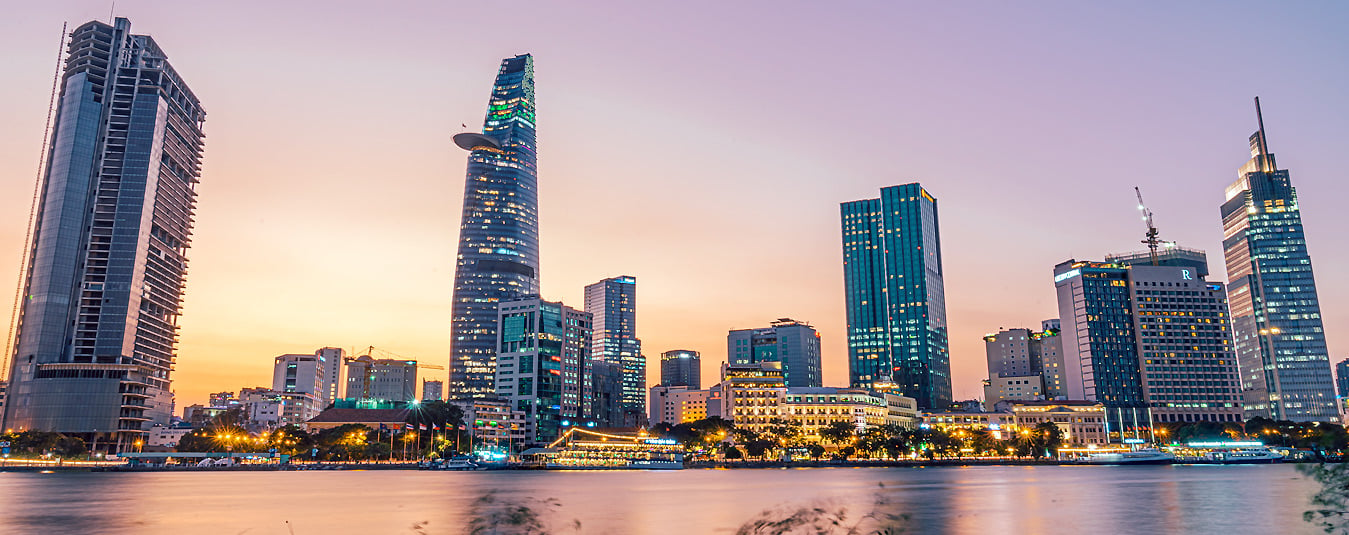
Formerly known as Saigon, Ho Chi Minh City is Vietnam’s largest city and economic centre. The city offers a dynamic blend of modern development, historical landmarks, and cultural attractions.
Popular places to visit include the War Remnants Museum, Notre-Dame Cathedral Basilica of Saigon, Central Post Office, Ben Thanh Market, and the nearby Cu Chi Tunnels.
Da Nang
Da Nang has emerged as one of Vietnam’s most popular coastal destinations. Located between Hanoi and Ho Chi Minh City, it offers beautiful beaches, modern infrastructure, and access to several major attractions.
Highlights include My Khe Beach, Dragon Bridge, Marble Mountains, and nearby Ba Na Hills with its famous Golden Bridge supported by giant stone hands.
Sapa
Located in Vietnam’s mountainous north, Sapa is famous for its dramatic landscapes, terraced rice fields, and ethnic minority communities.
The region attracts trekkers, photographers, and travellers seeking a deeper cultural experience. Visitors can explore local villages, hike through valleys, and enjoy panoramic mountain views.
Ninh Binh
Often referred to as “Ha Long Bay on Land,” Ninh Binh is one of Vietnam’s most scenic destinations. The region features limestone mountains, winding rivers, rice fields, and ancient temples.
Boat rides through Tam Coc and Trang An are among the most popular activities, offering visitors an opportunity to experience spectacular landscapes from the water.
Ninh Binh is increasingly becoming a favourite destination for travellers seeking natural beauty without the crowds that often surround Vietnam’s more famous locations. It is commonly paired with Hanoi and works well as a one- or two-night extension to a northern Vietnam itinerary. Hue
Hue served as Vietnam’s imperial capital for over a century and remains one of the country’s most important historical destinations.
The city is home to the Imperial Citadel, royal tombs, ancient pagodas, and numerous cultural landmarks that reflect Vietnam’s royal heritage.
Phu Quoc Island
Phu Quoc is Vietnam’s largest island and one of its premier beach destinations.
Known for its white-sand beaches, luxury resorts, clear waters, and tropical scenery, the island attracts honeymooners, families, and leisure travellers. Visitors can enjoy water sports, island-hopping excursions, snorkelling, and sunset experiences along the coast.
Mekong Delta
The Mekong Delta offers a completely different perspective on Vietnam. Characterised by rivers, canals, floating markets, villages, and fertile agricultural landscapes, the region showcases a slower-paced way of life.
Visitors can take boat tours, visit local communities, explore fruit orchards, and experience traditional river-based culture that has shaped the region for generations. The Mekong Delta is commonly visited as a day trip or overnight extension from Ho Chi Minh City.
Ba Na Hills
Located near Da Nang, Ba Na Hills is one of Vietnam’s most visited mountain resorts. The destination combines scenic cable car rides, European-inspired architecture, gardens, entertainment attractions, and spectacular viewpoints.
Cat Ba Island
Situated near Ha Long Bay, Cat Ba Island offers a combination of beaches, limestone landscapes, and outdoor activities.
The island appeals to travellers seeking nature experiences, kayaking, hiking, and access to Lan Ha Bay, which provides scenery similar to Ha Long Bay with fewer crowds. It is often preferred by travellers seeking a quieter alternative to the more heavily visited Ha Long Bay cruise routes.
How to Plan Your Vietnam Trip
Vietnam’s diverse geography allows travellers to create itineraries based on their interests and available time.
For First-Time Visitors
Popular combinations include:
- Hanoi and Ha Long Bay
- Hanoi, Ha Long Bay and Ninh Binh
- Da Nang and Hoi An
- Ho Chi Minh City and the Mekong Delta
For Nature and Adventure Lovers
Recommended destinations include:
- Sapa
- Ha Long Bay
- Ninh Binh
- Cat Ba Island
- Phu Quoc
For Culture and Heritage Experiences
Consider including:
- Hanoi
- Hoi An
- Hue
- Ho Chi Minh City
- Mekong Delta
Best Time to Visit Vietnam
Vietnam’s long north-to-south geography means weather conditions vary significantly by region.
Generally, the period from November to April is considered favourable across many parts of the country, particularly for sightseeing and outdoor activities. Northern regions experience cooler temperatures during the winter months, while central and southern regions remain relatively warm.
Weather patterns vary considerably across Vietnam’s regions, so travellers planning to visit multiple destinations should review destination-specific climate conditions before finalising their itinerary.
Travellers planning multi-region itineraries should review regional weather patterns before finalising their travel dates.
Travel Tips for Visiting Vietnam
Conclusion
Vietnam offers an exceptional blend of history, culture, nature, and adventure. From the limestone landscapes of Ha Long Bay and the heritage streets of Hoi An to the mountain scenery of Sapa and the tropical beaches of Phu Quoc, the country provides unforgettable experiences for every type of traveller. Whether you are exploring ancient cities, cruising through scenic bays, or discovering local traditions, Vietnam rewards visitors with a journey rich in diversity and authenticity. For a smoother travel experience, consider exploring Vietnam tour packages and destination-specific travel guides to plan your itinerary more effectively.


