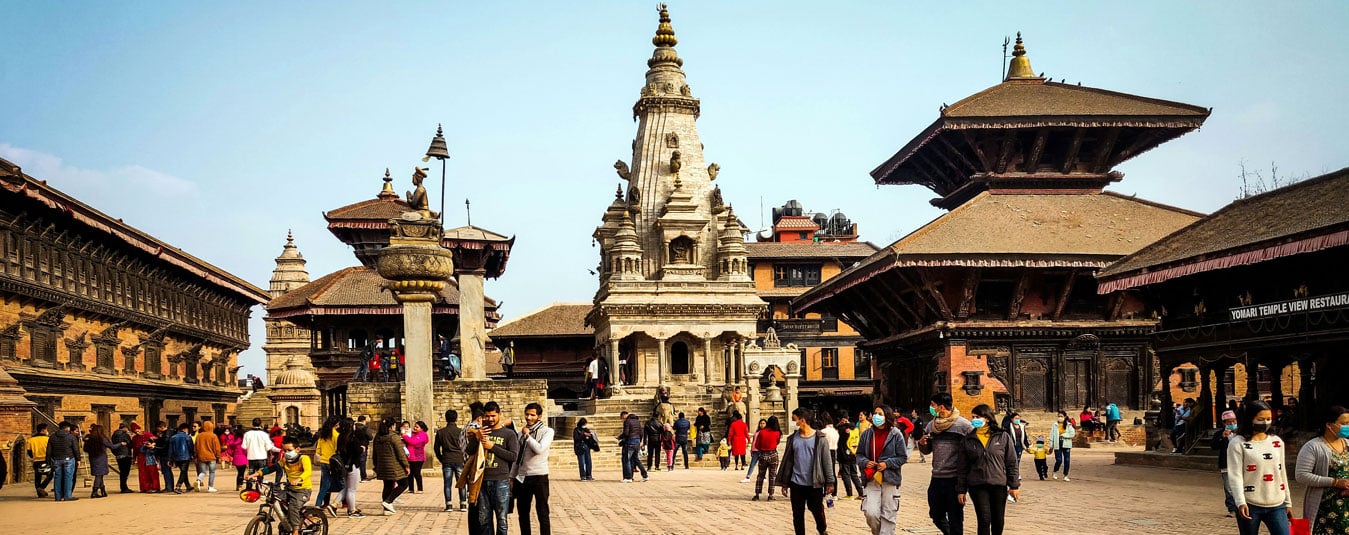
The best time to visit Nepal depends on the kind of experience you are looking for. Some travellers come for Himalayan viewpoints such as Everest, Annapurna and Langtang, while others plan journeys around trekking routes, heritage cities like Kathmandu and Bhaktapur, or spiritual sites in Lumbini.
This guide explains Nepal’s seasonal patterns, crowd flow, trekking conditions and regional differences to help you choose the most suitable time for your journey.
Seasonal Framing for Travelling in Nepal
| Season | Ideal For | Planning Guide |
|---|---|---|
| March to April | Trekking routes (Annapurna, Everest lower circuits), cultural sightseeing, and photography. | Stable visibility in most regions, but higher trails still carry patchy snow early in the season; plan altitude progression gradually |
| June to August | Monsoon travellers, greenery-focused photography, cultural city breaks | Heavy rainfall impacts hill roads and trekking access; best suited for Kathmandu Valley, Pokhara, and short excursions |
| September to November | Trekkers, pilgrimage routes, festival travellers | Post-monsoon clarity opens most mountain regions; demand peaks sharply across all major routes and permits |
| December to February | Snow-view travellers, cultural tourists. | High-altitude trekking is limited, but lower valleys remain accessible with cold, dry conditions and clear skies |
Monsoon Season (June – August)
Rain dominates most of Nepal’s mid and hill regions, reshaping travel patterns across roads and trekking corridors.
What to Expect
Frequent road disruptions in hilly terrain
Reduced visibility in the Himalayan viewpoints
Active waterfalls and saturated green valleys
Limited trekking operations above mid-altitude zones
Best For
Monsoon landscape photographers
Urban cultural travellers (Kathmandu heritage circuits)
Spiritual travellers focused on temple visits in the valley regions
Post-Monsoon / Autumn Season (September – November)
This is Nepal’s strongest travel phase, when mountain visibility and travel access align across regions.
What to Expect
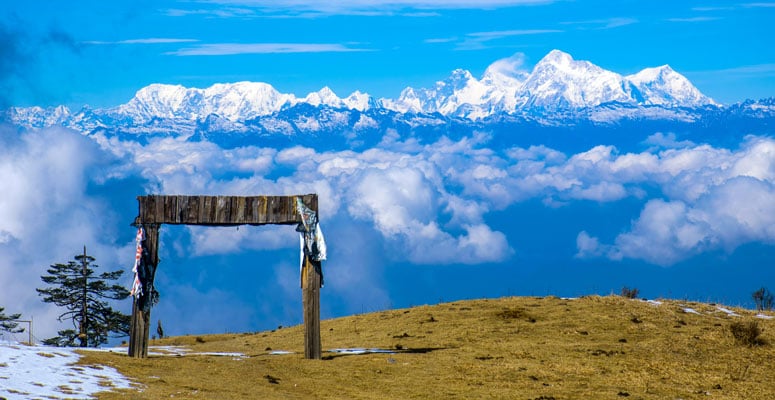
Clear Himalayan views across major ranges
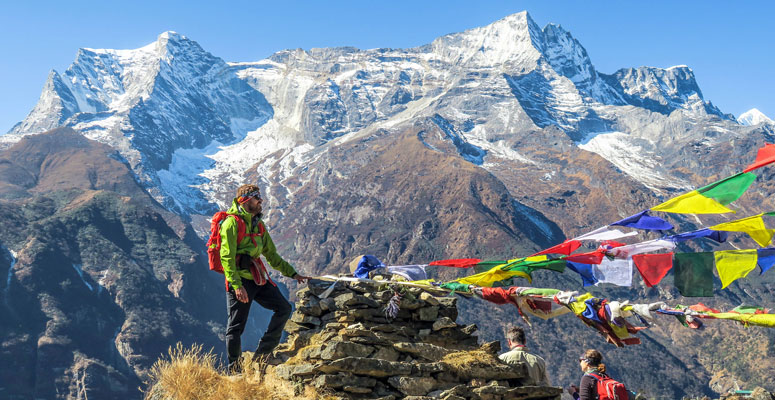
Fully active trekking and pilgrimage networks
High domestic and international travel movement
Festival season overlaps with peak tourism flow
Best For
High-altitude trekkers (Everest, Annapurna, Langtang)
Pilgrimage travellers (Muktinath, Pashupatinath circuits)
Festival travellers (Dashain, Tihar season)
Winter Season (December – February)
Cold conditions affect altitude zones, but valley travel remains stable and structured.
What to Expect
Heavy snow restricts high Himalayan trekking routes
Clear visibility in Kathmandu Valley and Pokhara basin
Reduced visitor movement in major trekking corridors
Dry, stable weather in lower elevations
Best For
Cultural and heritage travellers
Travellers avoiding peak-season pricing
Snow-view experiences in select lower mountain regions
Couples preferring quieter city-based stays
Planning Tips
Suggested Stay Duration
Booking Lead Time
Reserve stays 2–4 weeks in advance for Kathmandu, Pokhara, and Chitwan during peak trekking and festival months. For the Everest and Annapurna routes, tea houses and guides should be arranged in advance during the high season (October–November and April–May) due to limited capacity in key villages.
Pricing Expectation
Costs rise noticeably during the October–November trekking peak and the April–May holiday travel period. Pokhara lakeside hotels and Kathmandu central stays see the highest surge. Budget variation is stronger in trekking regions due to limited accommodation supply.
Crowd Footfall
Peak: October–November (trekking + festivals), April
Moderate: March, December
Low: June–August (monsoon), January–February (cold season)
Major congestion appears on Everest and Annapurna routes during peak trekking months, while city sites remain comparatively balanced year-round.
Festival Impact
Dashain (Sep/Oct), Tihar (Oct/Nov), and Buddha Jayanti (Apr/May) strongly influence travel flow, especially in Kathmandu Valley. Local movement increases during Dashain and Tihar as many residents return to their home villages, affecting transport availability and hotel occupancy in cities.
Plan Your Nepal Trip by Season
It’s important to plan your Nepal travel around shifting weather conditions, altitude zones, and route accessibility across mountains, valleys, and lowland regions. Itineraries work best when matched with trekking seasons, road conditions, and festival periods.
IndianHoliday’s Nepal specialists can assist with route design, permits, hotel selection, transport coordination, and realistic pacing across multi-region itineraries.