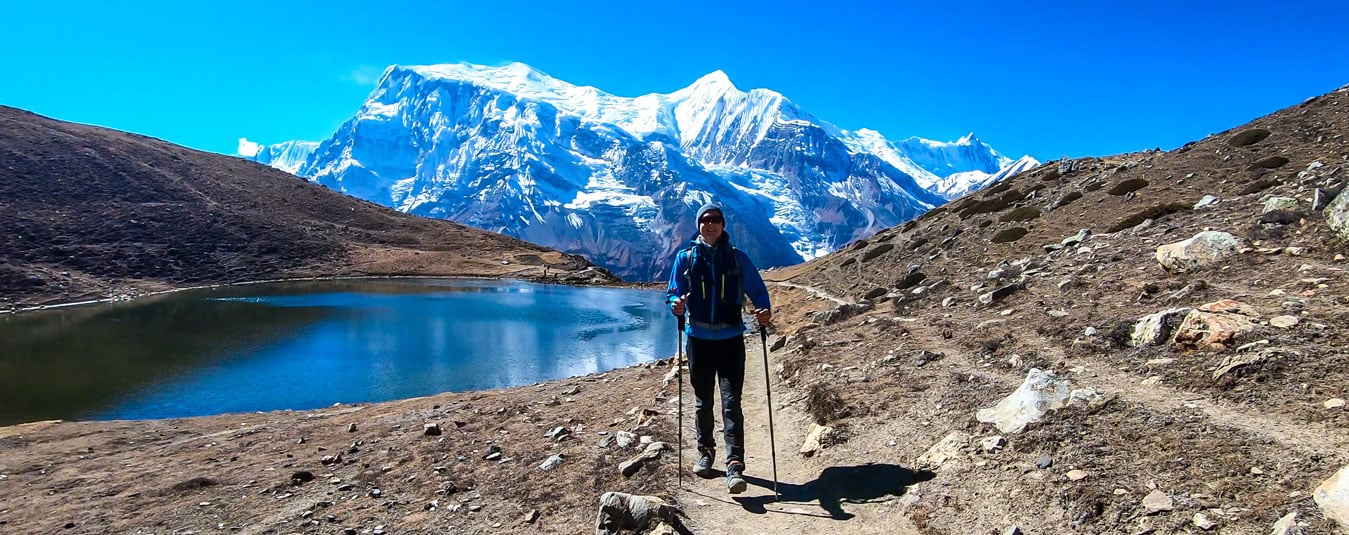
Nepal is best experienced not as a single continuous itinerary but as a collection of distinct regions shaped by altitude, culture and terrain. A short journey can take you from dense heritage squares in Kathmandu to ridge viewpoints overlooking the Himalayas, while longer routes lead into high mountain valleys, forested mid-hills, and wide lowland plains.
This guide breaks Nepal into clear regional routes across the north, west, east, south, and central zones to help structure travel by experience, timing, and movement rather than a fixed checklist of places.
Quick Travel Snapshot
Ideal stay for first-time travellers: 8–12 days covering Kathmandu, Pokhara and one Himalayan or wildlife region.
Best planning method: Plan by geographic regions rather than trying to cover the entire country.
Short stop or deeper stay: Cities suit shorter visits, while trekking regions require extra days for travel and acclimatisation.
Best combination style: Pair Kathmandu with Pokhara, then add either a Himalayan trek, Chitwan or Lumbini.
Guided context: Remote trekking regions are best explored with local guides and advance permits.
Best overall season: March to May and September to November.
Which Nepal Tourist Places Should You Prioritise?
| Regions | Best For | Time Needed | Must-Visit Spots | Effort Level | Combine with | Avoid if |
|---|---|---|---|---|---|---|
| North Nepal | High Himalayas, trekking, extreme landscapes | 7–14 days | Everest, Annapurna Base Camp, Langtang, Upper Mustang | Hard | Central Nepal, West Nepal | You want short travel distances or low-altitude travel |
| West Nepal | Lakes, viewpoints, soft trekking, adventure | 3–7 days | Pokhara, Bandipur, Gorkha, Annapurna foothills | Easy–Moderate | Central Nepal, North Nepal | Only want high-altitude trekking focus |
| East Nepal | Tea gardens, remote trekking, quieter hills | 4–10 days | Ilam, Kanchenjunga region, Koshi Tappu, Bhedetar | Moderate | Central Nepal, North Nepal (Kanchenjunga access) | Expecting fast travel between destinations |
| South Nepal | Wildlife, plains, pilgrimage sites | 3–6 days | Chitwan, Bardia, Lumbini, Janakpur | Easy | West Nepal, Central Nepal | Looking for mountain scenery or trekking |
| Central Nepal | Cultural core, heritage cities, gateway region | 2–5 days | Kathmandu, Patan, Bhaktapur, Nagarkot, Shivapuri | Easy | North, South, West, or East, based on preference | Expect long trekking experiences or wilderness focus |
Places to Visit in Nepal
North Nepal – High Himalayas / Trans-Himalayan Region
Route: Koshi high Himalaya (Everest), northern Bagmati (Langtang), northern Gandaki (Annapurna and Mustang), and Karnali/Mugu for Rara Lake
This region is defined by extreme Himalayan landscapes, remote trekking routes, high-altitude villages, and sacred mountain destinations. Travel here is slow, physically demanding and deeply immersive, making it ideal for those seeking raw nature and solitude.
Tourist places to explore include:
Mount Everest – Home to the iconic Everest Base Camp trek from Lukla, ending with panoramic Himalayan views from Kala Patthar.
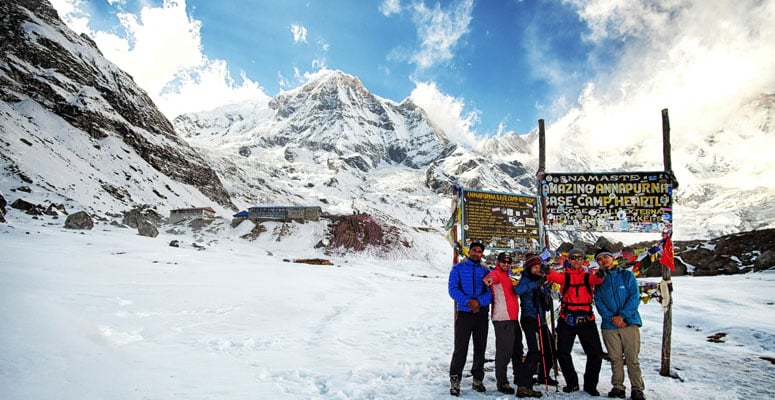
Annapurna Base Camp – A high-altitude trekking destination offering uninterrupted views of the Annapurna massif from a natural mountain amphitheatre.
Langtang Valley – Glacier-rich valley close to Kathmandu, reached entirely by road without domestic flights.
Muktinath Temple – Revered Hindu and Buddhist pilgrimage site in Mustang, famous for its 108 water spouts and eternal flame.
Rara Lake – Nepal’s largest alpine lake, surrounded by pristine forests in the remote Mugu region.
Upper Mustang – A restricted, high-altitude region extending to the Tibetan border, featuring semi-arid landscapes, centuries-old man-made sky caves, and the walled settlement of Lo Manthang.
Who should visit the Northern Nepal region:
High-Altitude Trekkers: Physically fit hikers seeking sustained, multi-day alpine endurance challenges.
Culture Seekers: Travellers exploring remote Tibetan Buddhist monasteries and sacred pilgrimage shrines.
Landscape Photographers: Professionals wanting unobstructed, raw mountain panoramas and high-altitude glacial vistas.
Guided Small-Group Trekkers: Travellers who enjoy lodge-to-lodge trekking with licensed guides, shared trail culture and structured safety support.
Wildlife Enthusiasts: Birdwatchers and trackers targeting rare, high-altitude Himalayan species.
Best season to visit
March – May – It is the spring trekking season with clear mountain views.
September – November – The best overall weather with good visibility.
Time to spend
Minimum: 5–9 days for a single trek or one-region focus like Annapurna or Langtang.
Ideal: 10–15 days to combine 2–3 regions like the Everest Base Camp trek, Pokhara, and Mustang.
Extended: 16–25 days for complete circuits that combine Pokhara with the Annapurna and Mustang regions.
South Nepal – Terai Plains and Cultural Heartland
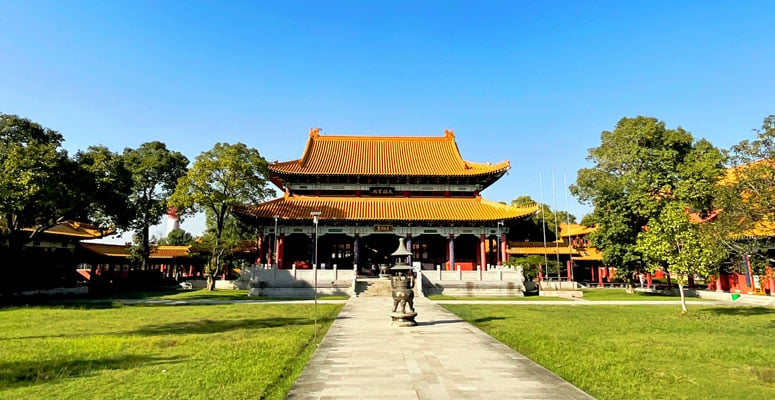
Route: Lumbini Province, Madhesh Province, southern Koshi, southern Bagmati and the Sudurpashchim Terai belt for Shuklaphanta
Unlike the Himalayan north, South Nepal is characterised by fertile plains, subtropical forests, sacred pilgrimage centres and wildlife reserves bordering India. Travel is comparatively easy, with well-connected highways and shorter driving distances, making it suitable for relaxed sightseeing alongside cultural exploration.
Tourist places to explore include:
Lumbini – Birthplace of Lord Buddha, featuring the Maya Devi Temple, Sacred Garden and international monastery zone.
Chitwan National Park – Nepal’s premier wildlife reserve, known for jeep safaris, one-horned rhinoceroses, Bengal tigers and canoe rides.
Janakpur – A Hindu pilgrimage city associated with Goddess Sita, celebrated for the Janaki Temple and Mithila culture.
Koshi Tappu Wildlife Reserve – Wetland sanctuary renowned for migratory birds, wild water buffalo and riverine ecosystems.
Bardia National Park – Remote jungle reserve offering quieter safaris, strong tiger habitat, birdlife and nature-focused experiences; major wildlife sightings are never guaranteed.
Shuklaphanta National Park – Vast grassland reserve famous for swamp deer, birdlife and open safari landscapes.
Recommended for
Wildlife Lovers: Visitors interested in jungle safaris, birdwatching and spotting Nepal’s iconic mammals.
Pilgrimage Travellers: Devotees exploring important Buddhist and Hindu religious centres.
Families with children and seniors: Those looking for accessible destinations with comfortable stays and gentle sightseeing.
Nature Photographers: Travellers capturing wetlands, forests and wildlife in natural habitats.
Slow Travellers: People preferring relaxed road journeys over physically demanding mountain itineraries.
Best season to visit
October – March – Cool temperatures, clear weather and the best conditions for safaris and sightseeing.
April – May – Hot afternoons but rewarding wildlife sightings around water sources.
Time to spend
Minimum: 4–6 days covering Lumbini and Chitwan.
Ideal: 7–10 days combining Chitwan, Lumbini and one additional wildlife reserve or Janakpur.
Extended: 11–14 days exploring multiple national parks across the Terai belt.
East Nepal – Eastern Himalayas and Tea Country
Route: Koshi Province, including the Kanchenjunga region, Ilam Hills, Taplejung, Dhankuta and the Koshi floodplains
East Nepal combines mist-covered tea estates, forested hill towns, remote Himalayan trails and rich biodiversity. Compared with western Nepal, this region receives fewer visitors, offering quieter landscapes and authentic local experiences.
Tourist places to explore include
Kanchenjunga Conservation Area – Remote trekking region surrounding the world’s third-highest mountain, with glaciers, alpine meadows and traditional mountain villages.
Ilam – Nepal’s celebrated tea-growing district, known for rolling plantations, cool weather and panoramic hill views.
Pathibhara Devi Temple – One of eastern Nepal’s most frequented Hindu pilgrimage sites, reached by a rewarding mountain trek.
Koshi Tappu Wildlife Reserve – Koshi Tappu can be planned either as part of an eastern Nepal route or a Terai wildlife circuit, depending on entry point and travel direction.
Bhedetar – Scenic hill station offering cool weather, valley viewpoints and easy escapes from the Terai plains.
Hile – Peaceful hillside stop known for mountain scenery, local food and traditional eastern hill culture.
Who should explore Eastern Nepal?
Tea and Nature Enthusiasts: Travellers exploring tea gardens, forested hills and peaceful countryside.
Experienced Trekkers: Adventurers seeking remote Himalayan trails with fewer crowds.
Birdwatchers: Visitors interested in wetlands supporting hundreds of resident and migratory bird species.
Pilgrims: Devotees visiting sacred mountain temples and spiritual landmarks.
Offbeat Explorers: Travellers looking beyond Nepal’s mainstream destinations.
Best season to visit
March – May – Rhododendrons bloom across the hills with comfortable trekking weather.
October – November – Crisp mountain views and suitable temperatures for extended sightseeing.
Time to spend
Minimum: 4–6 days covering Ilam and nearby hill stations.
Ideal: 7–10 days combining Ilam, Koshi Tappu and the Kanchenjunga foothills.
Extended: 12–16 days for long-distance trekking in the Kanchenjunga region.
West Nepal – Lakes, Hills and Adventure Region
Route: Gandaki Province and western Lumbini Province, including Pokhara, Gorkha, Palpa, Baglung and surrounding hill districts
Western Nepal blends tranquil lakes, Himalayan viewpoints, historic hill towns and adventure activities into one of the country’s most accessible travel regions. Compared with the remote north, journeys here are easier, with good road connections and regular domestic flights.
Tourist places to explore include
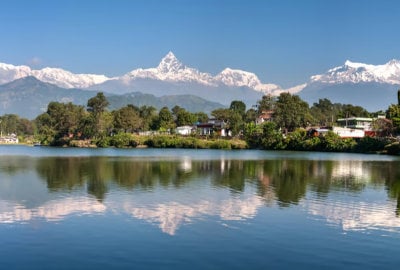
Pokhara – Nepal’s adventure capital, famous for Phewa Lake, paragliding, cave attractions and Annapurna mountain views.
Phewa Lake – Scenic freshwater lake offering boating, lakeside cafés and reflections of the Annapurna range.
Sarangkot – Sunrise viewpoint overlooking Pokhara, renowned for panoramic Himalayan views and tandem paragliding.
Gorkha Durbar – Historic hilltop palace and fortress of Nepal’s unification king, Prithvi Narayan Shah.
Bandipur – Beautiful Newari hill town with preserved heritage streets, mountain panoramas and a relaxed atmosphere.
Siddha Cave – One of Nepal’s largest caves, featuring vast limestone chambers and natural rock formations.
Ideal for
Adventure Travellers: Visitors interested in paragliding, ziplining, boating and outdoor recreation.
First-Time Visitors: Travellers looking to explore Nepal’s scenery without challenging trekking routes.
History Enthusiasts: Visitors exploring royal heritage, traditional hill settlements and historic landmarks.
Couples: Those seeking scenic lakes, mountain sunsets and relaxed stays.
Families: Travellers wanting comfortable infrastructure and varied sightseeing within short travel distances.
Best season to visit
October – April – Clear mountain views, and excellent conditions for outdoor activities.
March – May – Spring flowers brighten the hills while the weather remains suitable for sightseeing.
Time to spend
Minimum: 3–5 days exploring Pokhara.
Ideal: 6–8 days combining Pokhara, Bandipur and Gorkha.
Extended: 9–12 days, including nearby hill districts and adventure activities at a relaxed pace.
Central Nepal – Kathmandu Valley and Gateway Region
Route: Kathmandu Valley rim + Kathmandu, Lalitpur, Bhaktapur and the surrounding hill belt
This region forms Nepal’s cultural and administrative core, defined by dense heritage cities, ancient temples, royal squares and forested ridge viewpoints close to the capital. It suits travellers beginning or ending a Nepal itinerary.
Tourist places to explore include
Kathmandu Durbar Square – Historic royal complex showcasing temples, courtyards and living Newari culture in the heart of the capital.
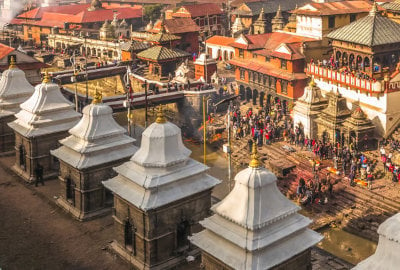
Pashupatinath Temple – Sacred Hindu pilgrimage site on the Bagmati River known for rituals, cremation ghats and spiritual significance.
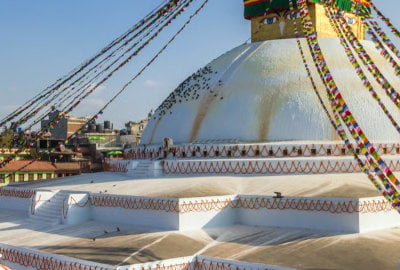
Swayambhunath Stupa – Ancient hilltop stupa offering panoramic valley views and strong Buddhist symbolism.
Patan Durbar Square – Well-preserved Newari architecture with museums, courtyards and intricate wood and metal craftsmanship.
Bhaktapur Durbar Square – A medieval city known for traditional brick lanes, pottery squares and preserved cultural lifestyle.
Nagarkot – A ridge viewpoint known for sunrise views of the Himalayan range from Everest to Langtang on clear days.
Who should visit the Central Nepal region
Culture Explorers: Interested in temples, heritage architecture and living traditional city culture.
First-Time Visitors: Travellers using Kathmandu as a base for entering or exiting Nepal itineraries.
Spiritual Travellers: Those who want Hindu and Buddhist pilgrimage experiences within a short travel radius.
Short-Stay Travellers: Visitors with limited time wanting maximum cultural exposure in minimal distance travel.
Photography Enthusiasts: Focused on architecture, street life and Himalayan sunrise viewpoints.
Best season to visit
October – April – Clear skies, dry weather and best visibility for mountain viewpoints and heritage walks.
March – May – Warm days, blooming gardens, and active cultural street life.
Time to spend
Minimum: 2–3 days covering the Kathmandu, Patan and Swayambhunath circuit.
Ideal: 4–5 days – Bhaktapur and Nagarkot sunrise experience.
Extended: 6–7 days combining Kathmandu Valley with nearby Shivapuri ridge hikes and cultural excursions.
Seasonal Analysis of Regions
| Category | Best Time to Visit | Why Visit Then | Planning Caution |
|---|---|---|---|
| Everest, Annapurna and Langtang trekking regions | March – May, September – November | Clear skies, stable trail conditions and the best Himalayan visibility. | Winter snowfall closes high passes, while the summer monsoon brings slippery trails, landslides and flight delays. |
| Upper Mustang | June – August | Dry weather during the monsoon because the region lies in the Himalayan rain shadow. | Restricted area permits are mandatory, and strong afternoon winds are common. |
| Hill destinations including Pokhara, Bandipur and Ilam | October – April | Crisp mornings, clear mountain views and low rainfall for sightseeing. | Monsoon cloud cover often obscures Himalayan panoramas, especially around Pokhara. |
| Terai wildlife parks, including Chitwan and Bardia | October – March | Dry forests, lower humidity and better wildlife sightings near rivers and grasslands. | April and May bring intense heat, while monsoon flooding can close safari tracks. |
| Kathmandu Valley and heritage cities | October – April | Blue skies and good visibility for walking tours and monument visits. | Winter mornings can be foggy, while July and August experience frequent afternoon downpours. |
| Central Nepal | October – April | Clear mornings for heritage walks and strong Himalayan visibility from ridge viewpoints like Nagarkot. | Valley fog in winter mornings reduces visibility, while monsoon rain affects walking routes inside heritage zones. |
Route Suggestions to Explore Nepal
Kathmandu Valley Cultural Compact Loop
Route: Kathmandu → Bhaktapur → Patan → Swayambhunath → Pashupatinath → Shivapuri foothills → Return to Kathmandu
Best for: Short stay cultural immersion and heritage exploration around one base city
Time needed: 2–3 days
Why it works: Covers UNESCO temples, living Newari cities and hill viewpoints without long travel distances
Pokhara Soft Adventure Circuit
Route: Pokhara → Sarangkot → Pame Lakeside → Davis Falls → Gupteshwor Cave → World Peace Pagoda → Return to Pokhara
Best for: First-time travellers seeking Himalayan views without trekking
Time needed: 3–4 days
Why it works: Combines lake relaxation, sunrise viewpoints and light adventure activities in one base
Annapurna Foothill Short Trek Experience
Route: Pokhara → Ghandruk → Tadapani → Landruk → Australian Camp → Return to Pokhara
Best for: Short trekking experience with mountain villages and forest trails
Time needed: 4–6 days
Why it works: Delivers Annapurna views and village stays without high altitude exposure
Chitwan Wildlife Short Route
Route: Kathmandu → Chitwan → Sauraha jungle zone → Tharu village experience → Return to Kathmandu
Best for: Wildlife safari and lowland nature experience
Time needed: 2–3 days
Why it works: Offers jeep safaris, canoe rides and river forest landscapes in a compact plan
Nepal Sightseeing Mistakes to Avoid
Plan Your Nepal Travel With IndianHoliday
Nepal sightseeing spans mountains, heritage cities, and lowland plains, with long travel distances between key clusters such as the Kathmandu Valley, Pokhara, Chitwan, Lumbini, and Everest viewpoints. Each region offers a different experience, from temples and UNESCO World Heritage sites to lakes, jungle safaris, and Himalayan panoramas.
IndianHoliday’s Nepal travel experts can help design a well-paced sightseeing plan with the right region combinations, travel time and stays so key attractions are covered without rushing.