Saudi Arabia is a destination that blends deep spiritual significance, ancient desert landscapes, modern megacities and a rapidly growing tourism scene. From the holy cities of Mecca and Medina to the futuristic skyline of Riyadh and the coastal charm of Jeddah, the country offers a wide range of travel experiences that vary significantly by season.
Unlike destinations with a uniform climate, Saudi Arabia’s travel experience is strongly shaped by extreme summer heat and pleasantly cool winters. This makes timing your visit an important part of planning a comfortable and meaningful trip.
For most travellers, November to March is considered the best time to visit Saudi Arabia, offering mild temperatures, outdoor-friendly conditions and ideal sightseeing weather across cities and desert regions.
Best Time to Visit Saudi Arabia at a Glance
| Travel Goal | Best Time |
|---|---|
| Comfortable sightseeing | November to March |
| Family travel | December to February |
| Pilgrimage (Umrah experience) | Year-round (best in cooler months) |
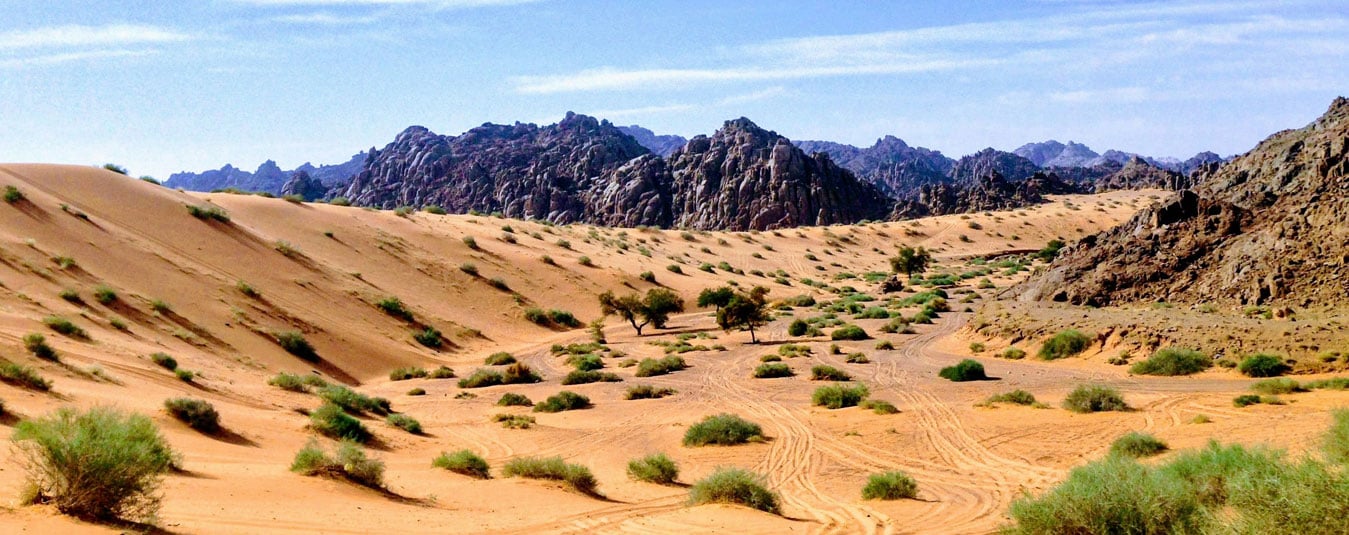
| Desert adventures | November to February |
| Budget travel | April and October |
| Avoid extreme heat | May to September |
Understanding Saudi Arabia’s Travel Seasons
1. Peak Season (November to March)
This is the most popular travel period due to ideal weather conditions. Mild temperatures across much of the country make it possible to comfortably explore cities, deserts, heritage sites and coastal destinations.
What to Expect
- Excellent sightseeing conditions
- Strong international tourism demand
- Comfortable outdoor exploration
- Desert experiences operating at their best
- Increased demand during holiday periods
Best For
- First-time visitors
- Cultural travellers
- Families
- Desert explorers
2. Shoulder Season (April & October)
A transitional period offering a balance between weather and crowd levels. Many experienced travellers consider these months an attractive compromise between affordability and comfort.
What to Expect
- Moderate visitor numbers
- Easier accommodation availability
- Better value compared to winter
- Flexible itinerary planning
- Warm but generally manageable weather
Best For
- Budget travellers
- Flexible itineraries
- Repeat visitors
3. Low Season (May to September)
Extreme heat defines this period, especially in inland regions such as Riyadh and central Saudi Arabia. Tourist demand generally decreases, although business travel and domestic tourism continue.
What to Expect
- Intense daytime temperatures
- Lower international visitor numbers
- Reduced outdoor activity options
- Attractive hotel promotions
- Greater flexibility in bookings
Best For
- Short business trips
- Indoor cultural visits
- Budget hotel deals
Travellers with limited vacation time often find that the cooler months provide a much broader range of experiences and greater overall travel comfort.
Planning Tips
• Booking Lead Time
For travel between November and February, particularly around major holidays and pilgrimage-related travel periods, accommodations should ideally be booked several weeks or even months in advance.
• Crowd Levels
November to March: High
April & October: Moderate
May to September: Low (outdoor travel limited)
• Pricing Expectations
Accommodation rates are generally highest during the winter season when weather conditions are most favourable. Shoulder months often provide a better balance between cost and travel comfort, while summer can offer the lowest prices in many destinations.
• Travel Comfort Tip
Even during winter, temperatures can vary considerably between daytime and nighttime, especially in desert regions. Layered clothing is often the most practical choice, allowing travellers to remain comfortable throughout the day.
Common Mistakes Travellers Make
• Underestimating Distances
Saudi Arabia is one of the largest countries in the Middle East, and travel between major destinations can take considerably longer than many visitors expect. Domestic flights often save significant time on multi-city itineraries.
• Ignoring Seasonal Heat
Many first-time visitors focus on attractions without fully considering seasonal temperatures. Summer heat can limit sightseeing opportunities and affect the overall pace of travel.
• Overpacking Itineraries
Trying to visit Riyadh, Jeddah, AlUla, Mecca and Medina within a very short trip often results in a rushed experience. Focusing on fewer destinations generally creates a more enjoyable and immersive journey.
• Not Planning Religious Periods
Crowd levels, hotel availability and transportation demand can change significantly during Ramadan, Umrah peaks and Hajj-related periods. Advance planning becomes especially important during these times.
• Focusing Only on Major Cities
Many travellers overlook Saudi Arabia’s desert landscapes, heritage sites and emerging tourism regions. Including destinations beyond the major urban centres often results in a more complete understanding of the country’s culture, history and natural beauty.
These additions will make the Saudi Arabia article feel much closer in depth and structure to the Mokokchung sample while preserving the destination-planning approach Indian Holiday typically uses.
Conclusion
The best time to visit Saudi Arabia is November to March, when cooler temperatures make it easier to explore cities, deserts and cultural landmarks comfortably. Families and first-time visitors benefit most from this season, while desert travellers and photographers also find ideal conditions during winter months.
However, Saudi Arabia offers year-round travel opportunities depending on your purpose – whether it is spiritual travel, cultural exploration, modern city experiences or desert adventure. The key is aligning your itinerary with both weather conditions and travel goals for a more rewarding experience.