Reaching Saudi Arabia is easier today than ever before, thanks to expanded international air connectivity, simplified access for tourists, and the rapid development of the Kingdom’s tourism infrastructure. However, the best way to reach Saudi Arabia depends on the regions you plan to explore.
This guide explains the best ways to reach Saudi Arabia, which airport to choose based on your route, and how to continue your journey once you arrive.
Planning Snapshot
Which Airport Should You Choose?
| Airport | Best For | Region Served | Ideal Trip Type | Recommended Stay |
|---|---|---|---|---|
| Riyadh King Khalid International Airport | First-time visitors | Central Saudi Arabia | Culture, history, city exploration | 2–3 days |
| Jeddah King Abdulaziz International Airport | Red Sea and western region | Jeddah, Makkah region | Heritage, coastal, mixed itineraries | 2–4 days |
| AlUla International Airport | Heritage travelers | AlUla region | Archaeology, desert landscapes | 2–3 days |
| Prince Mohammad Bin Abdulaziz Airport (Madinah) | Religious and cultural travel | Madinah region | Heritage-focused itineraries | 1–2 days |
| King Fahd International Airport (Dammam) | Eastern Province | Dammam, Al Khobar | Business and regional travel | 1–2 days |
By Air
For most international travellers, flying is the most efficient and widely used way to reach Saudi Arabia. The Kingdom has invested heavily in aviation infrastructure, and major cities are well connected to international destinations through both full-service and regional airlines.
Direct flights operate from numerous cities across India, the UAE, the UK, Germany, France, Turkey, Egypt, Singapore, Malaysia, the United States, and other international markets.
1. King Khalid International Airport (Riyadh)
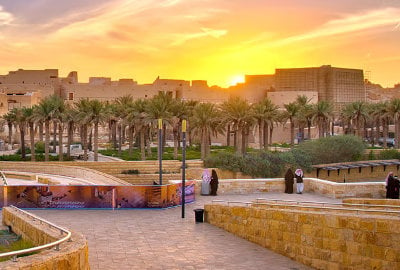
Located in the capital city, Riyadh’s airport is one of Saudi Arabia’s busiest international gateways. It serves travellers heading to Riyadh, Diriyah, the Edge of the World, and central Saudi Arabia. The airport is well connected to major international destinations across Asia, Europe, North America, and the Middle East, making it the most common entry point for first-time visitors. Its extensive domestic flight network also makes onward travel to destinations such as AlUla, Jeddah, Abha, and Dammam relatively straightforward.
Best for: First-time visitors, business travellers, culture enthusiasts.
Why choose it: Provides the strongest introduction to modern and historical Saudi Arabia.
Best paired with: Riyadh, Diriyah, and AlUla.
2. King Abdulaziz International Airport (Jeddah)
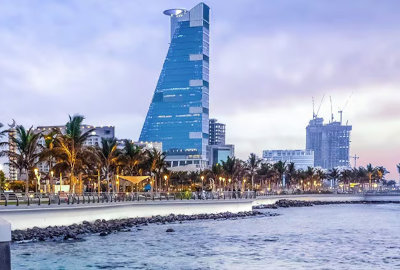
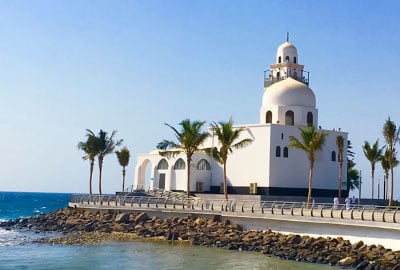
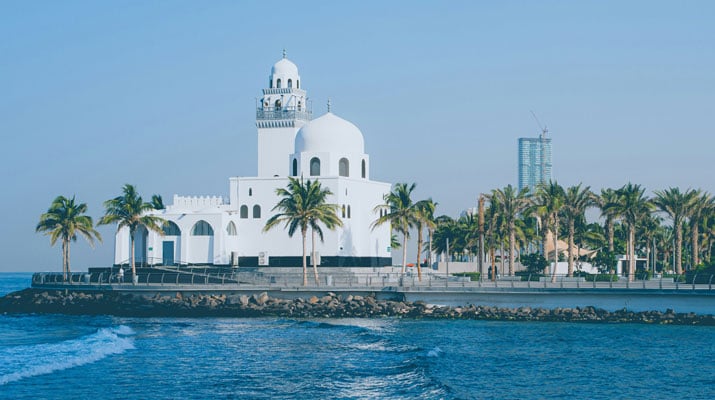
Jeddah serves as the principal gateway to western Saudi Arabia and the Red Sea coast. The airport handles significant international traffic and offers excellent connections to coastal destinations and heritage attractions. For many leisure travellers, Jeddah provides the easiest access to Al Balad, the Jeddah Corniche, luxury Red Sea resorts, and western Saudi Arabia’s cultural landmarks. Its location also makes it a practical entry point for travellers planning to combine urban exploration with coastal relaxation.
Best for: Leisure travellers, families, Red Sea visitors.
Why choose it: Ideal for combining culture, coastal experiences, and luxury tourism.
Best paired with: Jeddah, Al Balad, and Red Sea resorts.
3. AlUla International Airport
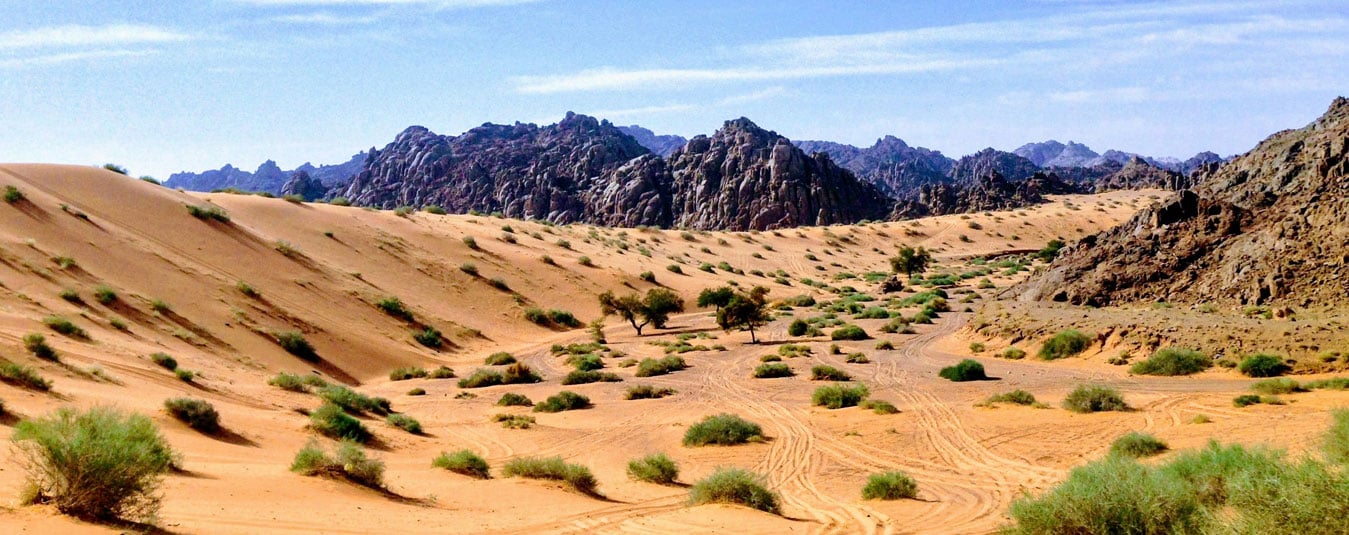
AlUla’s growing popularity has resulted in improved air connectivity. The airport provides direct access to one of Saudi Arabia’s most significant tourism destinations. Arriving directly into AlUla can significantly reduce travel time for visitors whose primary focus is archaeology, desert landscapes, and luxury desert experiences. The airport is especially valuable for travellers on shorter itineraries who want to maximise their time exploring Hegra, Elephant Rock, and AlUla Old Town rather than spending additional hours on internal transfers.
Best for: Heritage travellers and photographers.
Why choose it: Minimises travel time to AlUla’s archaeological and desert attractions.
Best paired with: Hegra, Elephant Rock, AlUla Old Town.
4. Madinah Airport
Madinah’s airport serves travellers visiting one of the Kingdom’s most historically significant cities and nearby heritage attractions. Beyond its importance as a religious destination, Madinah offers cultural, historical, and architectural experiences that can enrich a broader itinerary in Saudi Arabia. The airport provides convenient access to western Saudi Arabia and works particularly well for travellers planning to combine Madinah with Jeddah, AlUla, or other heritage-focused destinations.
Best for: Cultural and religious travellers.
Why choose it: Convenient access to western Saudi Arabia’s heritage sites.
Best paired with: Madinah and western Saudi Arabia itineraries.
How to Travel Within Saudi Arabia
Saudi Arabia is one of the largest countries in the Middle East, and internal transportation plays an important role in itinerary planning. Distances between major destinations such as Riyadh, Jeddah, AlUla, and Abha can be substantial, making transportation choices an important part of building a realistic itinerary. Most first-time visitors combine domestic flights with local transfers to maximise sightseeing time.
Domestic Flights
For routes such as:
- Riyadh to AlUla
- Riyadh to Jeddah
- Jeddah to Abha
- Riyadh to Dammam
Domestic flights are usually the most time-efficient option and are widely used by both residents and visitors.
Travel Tips for Reaching Saudi Arabia
- Choose your arrival airport according to your itinerary.
- Book domestic flights early during peak travel seasons.
- Keep sufficient connection time between international and domestic flights.
- Carry printed and digital copies of travel documents.
- Allocate extra time when planning multi-city routes.
- Check baggage policies for domestic carriers.
- Avoid scheduling long-distance road travel immediately after arrival.
Plan Your Saudi Arabia Route
Planning a trip to Saudi Arabia? The best arrival airport depends on your travel month, number of days, preferred experiences, and overall route. Whether you’re exploring AlUla’s ancient heritage, Riyadh’s evolving cultural scene, Jeddah’s waterfront attractions, or the Red Sea coast, choosing the right gateway can significantly improve your itinerary.