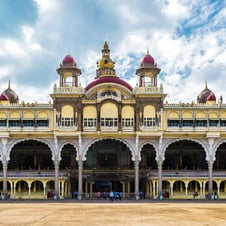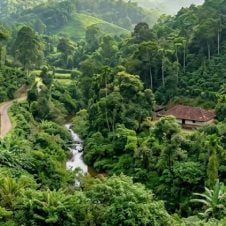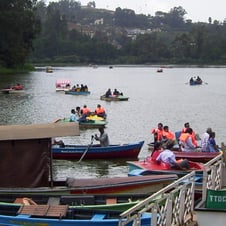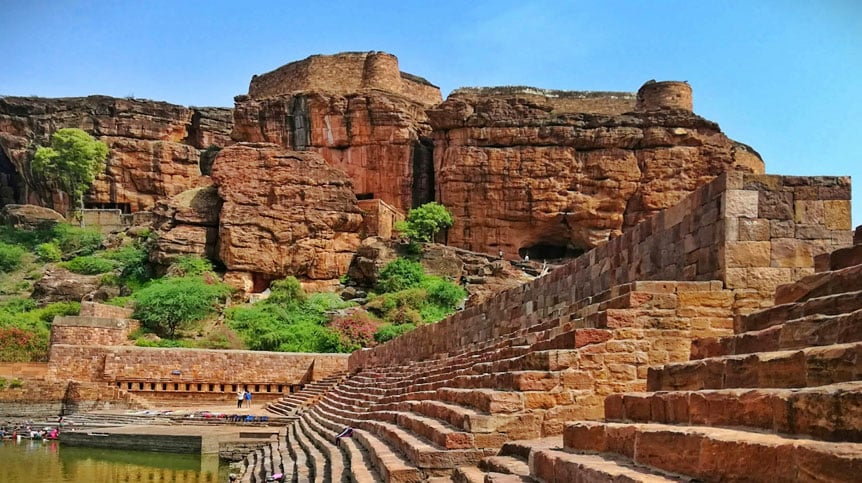

Badami is best experienced as part of the wider Chalukyan Heritage Trail, which extends beyond the town to include Pattadakal, Aihole, and Mahakuta. Together, these sites showcase the evolution of temple architecture across different periods and styles, from experimental early structures to the refined temple complexes.
Travellers interested in history, archaeology, photography, architecture, or cultural heritage often find that exploring these destinations as a connected circuit offers a far richer experience than visiting any single site in isolation.
This guide helps you prioritise the best places to visit in Badami by grouping attractions by location, historical significance, and core appeal, making it easier to plan a rewarding itinerary, whether you have a few hours or several days in the region.
Quick Planning Snapshot
Which Badami Tourist Places Should You Prioritise?
| Attraction / Circuit | Best For | Time Needed | Effort Level | Best Pairing | Skip / Keep Short If |
|---|---|---|---|---|---|
| Badami Cave Temples | First-time visitors, sculpture, Chalukyan art | 1–1.5 hours | Moderate; steps and exposed rock | Agastya Lake, Arali Tirtha, Fort | You have mobility concerns or midday heat is high |
| Agastya Lake | Photography, orientation, relaxed start | 30–45 minutes | Easy | Bhuthanatha Temples, Upper/Lower Shivalaya | Water level is low, or light is harsh |
| Bhuthanatha Temples | Lake reflections, temple photography | 20–30 minutes | Easy | Agastya Lake, Shivalaya temples | You are not interested in photography or lakeside views |
| Upper / Lower Shivalaya | Viewpoints, hilltop temple context | 30–45 minutes together | Moderate; uphill walking | Agastya Lake, Badami Fort | Travellers dislike climbs or uneven steps |
| Badami Fort | Viewpoints, Fort History, and active walking | 45–60 minutes | Moderate to high | Cave Temples, Kappe Arabhatta site | Short stay, heat, senior-traveller fatigue |
| Archaeological Museum | Historical context after monuments | 30–45 minutes | Easy | Cave Temples, Fort | The museum is closed, or the time is very limited |
| Banashankari Temple | Pilgrimage, sacred landscape | 30–45 minutes | Easy | Siddankolla Caves | You are doing only the core Badami town |
| Siddankolla Caves | Offbeat local extension | 30–45 minutes | Moderate; access to verify | Banashankari Temple | Short stay or uncertain route condition |
| Pattadakal + Aihole + Mahakuta | Full Chalukyan Heritage Trail | 6–8 hours | Moderate, long sightseeing day | Badami 2–3 day stay | You have only half a day in Badami |
Best Places To Visit in Badami By Route, Time & Travel Value
1. Lakefront Attractions
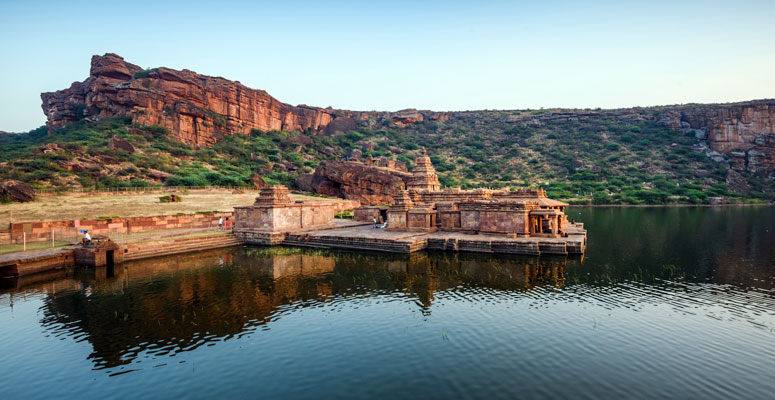
• Agastya Lake
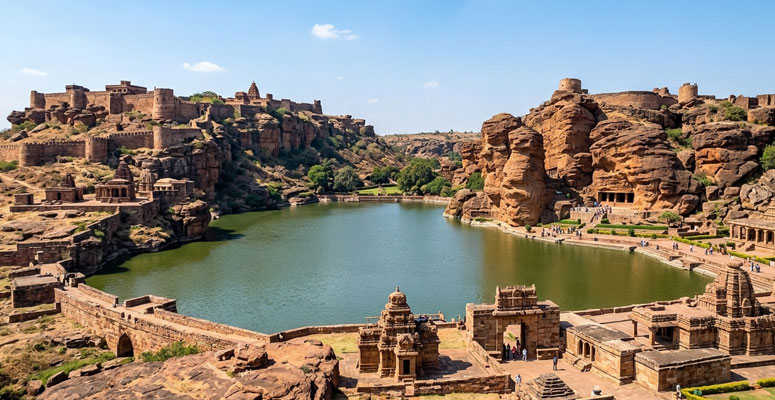
Agastya Lake is known for its setting beneath Badami’s sandstone cliffs and for the views it provides of several historic monuments from a single vantage point. It serves as the geographical centre of Badami’s historic core, with many of the town’s key monuments positioned around its edges or on the surrounding cliffs.
Who it suits: First-time Badami travellers, photographers, families with children, senior citizens, and heritage travellers.
Best paired with: Bhuthanatha Temples, Upper Shivalaya, Lower Shivalaya and Badami Cave Temples.
Ideal duration: 30 – 45 minutes.
Most visitors use the lake as a starting point before continuing to the nearby temple cluster, where several Chalukyan-era monuments can be explored together on foot.
2. Agastya-Temple Circuit
With this one circuit, travellers can combine waterfront monuments, elevated temple sites, and views across Agastya Lake without needing to travel far between attractions.
• Bhuthanatha Temples
Core appeal: A lakeside temple complex best known for its reflection in Agastya Lake and its association with Badami’s most photographed views.
Who it suits: Photographers, architecture enthusiasts, cultural travellers, and pilgrims.
Best season: October–February; July–September for fuller lake levels.
Ideal duration: 20–30 minutes.
• Upper Shivalaya
Core appeal: Hilltop temple offering one of the broadest views of Agastya Lake, the cave cliffs, and the historic town below.
Who it suits: View seekers, photographers, history enthusiasts, and active travellers.
Best season: October – February.
Ideal duration: 20 – 30 minutes.
• Lower Shivalaya
Core appeal: Early Chalukyan temple known for its historic inscriptions and its contribution to understanding the evolution of temple architecture in the region.
Who it suits: Heritage travellers, Families with senior citizens & children, archaeology enthusiasts, and history-focused visitors.
Best season: October–February
Ideal duration: 15 – 20 minutes.
3. Cave Temples & Sacred Sites
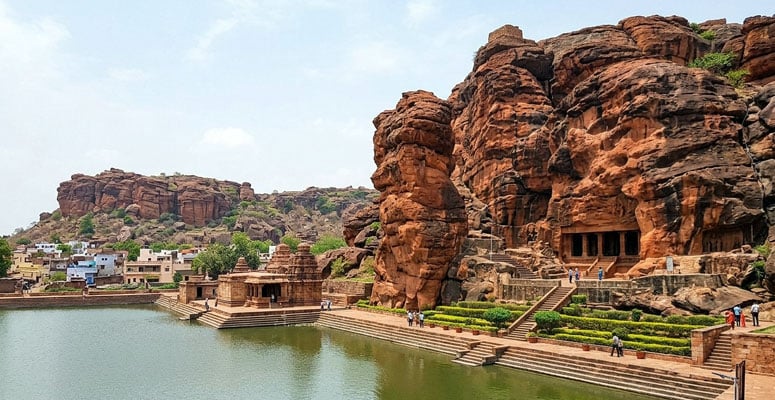
• Badami Cave Temples
Core appeal: A group of 6th-century rock-cut cave temples carved directly into sandstone cliffs, featuring some of the finest surviving Chalukyan sculptures and iconography.
Who it suits: Art historians, architecture enthusiasts, and cultural travellers.
Best season: October – February
Ideal duration: 1 – 1.5 hours.
• Arali Tirtha
Core appeal: A hillside extension of the Badami Cave Temples complex, known for its rock-cut relief carvings, inscriptions, and a spring traditionally associated with an ancient sacred site. It is usually visited as an extension of the cave complex by travellers willing to walk a little further.
Who it suits: Archaeology enthusiasts, heritage walkers, offbeat explorers, and travellers interested in lesser-known Chalukyan sites.
Best season: November – February.
Ideal duration: 30 – 45 minutes.
• Malegitti Shivalaya
Core appeal: Among Badami’s important early structural temples, recognised for its Nagara-style tower and elevated position overlooking the sandstone cliffs.
Who it suits: Landscape photographers, temple enthusiasts, history-focused travellers, and those seeking quieter viewpoints.
Best season: October – March.
Best paired with: Badami Cave Temples and the Fort side if the traveller wants architecture plus elevated views.
Ideal duration: 20 – 30 minutes.
• Mallikarjuna Temple
Core appeal: Lesser-visited temple offering a quieter alternative to Badami’s more frequented cave and lakeside monuments.
Who it suits: Pilgrims, spiritual travellers, culture-focused explorers, and solo travellers looking beyond the town’s headline attractions.
Best season: October – February.
Ideal duration: 15 – 20 minutes.
4. Fort & History Circuit
After exploring Badami’s religious monuments, these tourist places shift the focus to the town’s defensive infrastructure, military history, and strategic importance as an early Chalukyan capital.
• Badami Fort
Core appeal: Hilltop fortification featuring gateways, watchtowers, reservoirs, and commanding views across Badami’s cliffs, lake, and settlement.
Who it suits: Viewpoint seekers, military history enthusiasts, photographers, and active travellers.
Best season: October – February.
Ideal duration: 45 – 60 minutes.
• Kappe Arabhatta Inscription Site
Core appeal: Historic Kannada inscription carved into a rock surface, valued as an important record of early language, literature, and regional history.
Who it suits: Epigraphy enthusiasts, history researchers, language scholars, and offbeat explorers.
Best season: October – February
Ideal duration: 15 – 20 minutes.
5. Museum & Archeology
• Badami Archaeological Museum
Core appeal: Collection of sculptures, inscriptions, and archaeological finds that help interpret the history of Badami and its surrounding heritage sites.
Who it suits: Museum-goers, students, researchers, and travellers looking for deeper historical context.
Best season: Year – round.
Ideal duration: 30 – 45 minutes.
The museum is best visited after the major monuments, as the artefacts on display provide additional context for what travellers have already seen in the field.
6. Short Excursions from Badami
These attractions are for travellers spending more than a day in Badami, offering experiences that differ from the town’s main cave, temple, and fort circuits.
• Banashankari Temples
One of the region’s most important pilgrimage sites, Banashankari Temple is known for its long-standing religious significance and active worship traditions. It is most relevant for pilgrims, cultural travellers, and those interested in exploring the wider sacred landscape associated with Badami. The temple is commonly included as a short detour before or after visiting the town’s core heritage attractions.
Distance from Badami: Approximately 5 km.
Best season: October – March; January – February around the Banashankari Jatre period, although dates need to be confirmed locally.
Ideal duration: 30 – 45 minutes.
• Siddankolla Caves
Siddankolla Caves combine a natural cave setting with local spiritual traditions, making them a quieter alternative to Badami’s better-known monuments. The site appeals to offbeat explorers, nature enthusiasts, and travellers looking to add a less-frequented stop to their itinerary. It is typically visited as a half-day excursion alongside Banashankari Temple.
Distance from Badami: Approximately 18 km.
Best season: October – February.
Ideal duration: 30 – 45 minutes.
Chalukyan Heritage Trail Circuit – Pattadakal, Aihole, and Mahakuta
Travellers with more than a day in Badami often extend their itinerary to nearby temple complexes and archaeological sites that showcase some of the region’s most important monuments. Since the three destinations lie within a relatively compact area, they are typically covered together as a full-day heritage circuit.
This route commonly includes:
- Aihole – Durga Temple, Lad Khan Temple, Hucchimalli Temple, and other early Chalukyan monuments spread across the heritage zone.
- Pattadakal – The UNESCO-listed temple complex featuring Virupaksha Temple, Sangameshwara Temple, Mallikarjuna Temple, and several ceremonial monuments.
- Mahakuta – Mahakuteshwara Temple, the sacred temple tank, and a cluster of shrines set within a single temple enclosure.
Who will appreciate the circuit better?
- Travellers interested in historical monuments
- Architecture lovers
- Cultural photographers
- Archaeology-minded explorers
- Heritage-focused itineraries
- Those spending 2–3 days in the Badami region
Ideal duration: Full day (6 – 8 hours).
Best season to visit: October – February for comfortable sightseeing; July–September for greener surroundings and seasonal water bodies.
Which Tourist Places Should You Focus on?
| Traveller Type | Prioritise | Add If Time Allows | Skip / Keep Short |
|---|---|---|---|
| First-time visitor | Cave Temples, Agastya Lake, Bhuthanatha, Badami Fort | Museum | Kappe Arabhatta, unless interested in inscriptions |
| Architecture enthusiast | Cave Temples, Malegitti Shivalaya, Pattadakal, Aihole | Mahakuta, Lower Shivalaya | Generic photo-only stops |
| Photographer | Agastya Lake, Bhuthanatha, Upper Shivalaya, Fort | Pattadakal, Mahakuta | Midday open-rock sites |
| Pilgrim / spiritual traveller | Bhuthanatha, Banashankari, Mahakuta | Mallikarjuna, Siddankolla | Fort, if walking comfort is low |
| Senior / family traveller | Agastya Lake, Bhuthanatha, Cave Temples at a slow pace, Museum | Banashankari | Upper Shivalaya, Fort climb in heat, Arali Tirtha after rain |
| Deep heritage traveller | Badami + Pattadakal + Aihole + Mahakuta | Kappe Arabhatta, Museum, Arali Tirtha | Rushed half-day-only plan |
Best Time for Badami Tourist Attractions
| Season | What Works Best | Planning Caution |
|---|---|---|
| March–May | Early morning cave visits, short lakefront stops | Heat makes fort climbs and open rock-cut areas tiring by midday. |
| June–September | Greener landscape, fuller Agastya Lake, softer photography | Stone steps and hill routes can be slippery; avoid rushing Fort, Arali Tirtha and hilltop temples. |
| October–November | Strong visual conditions after rain, comfortable sightseeing start | Still plan exposed climbs outside midday and verify any conservation restrictions. |
| December–February | Best overall comfort for full heritage days | Popular period; start early for quieter caves and lakefront photography. |
Practical Notes to Keep in Mind
- Cave 3 typically requires the most time. Many travellers move through the earlier caves quickly and then spend longer here due to its scale and carvings.
- Photography is generally permitted at ASI-protected monuments, but tripods, lighting equipment, and similar setups may require prior permission.
- The best lake reflections are usually seen in calmer morning conditions before wind disturbance becomes noticeable.
- Wear footwear with a good grip, especially for the fort, hilltop temples, and Arali Tirtha.
- Dress modestly when visiting active temples and follow local customs where applicable.
- Avoid touching, climbing, or sitting on protected sculptures and monument walls.
- Start early for quieter conditions at the Cave Temples and Agastya Lake area.
- Carry drinking water, particularly when exploring the fort circuit.
- Senior travellers should prioritise Agastya Lake, Bhuthanatha, Museum, Banashankari and slower Cave Temple access.
- Local guides are available near the main heritage attractions for those seeking deeper historical context.
- Do not feed monkeys around temple complexes and hill routes.
- Allow a full day if combining Badami with Pattadakal, Aihole, and Mahakuta.
- Some monuments may have restricted access during conservation work.
- Keep sunscreen, a hat or sun protection handy, as several attractions have limited shade.
- Do not treat Pattadakal, Aihole and Mahakuta as “nearby filler”; they are a full-day heritage circuit.
- Confirm museum hours and ASI monument rules before finalising the day.
- Avoid feeding monkeys or carrying open food near hill routes and temple areas.
- Build photography around morning lake light and late-afternoon sandstone colour.
Suggested Route Fit Cards For Your Badami Visit
1. Core Badami Heritage Circuit
Route: Badami Cave Temples → Agastya Lake → Bhuthanatha Temples → Badami Fort
Best for: First-time visitors with half a day to one day.
Why it works: Covers the strongest cave, lake, temple and fort experiences within Badami town.
Time needed: Half day to full day.
2. Agastya Lake and Temple Circuit
Route: Agastya Lake → Bhuthanatha Temples → Upper Shivalaya → Lower Shivalaya
Best for: Photography, softer sightseeing, lakefront heritage and shorter visits.
Why it works: Keeps movement compact around the historic lakefront.
Time needed: 1.5–2.5 hours.
3. Cave and Fort Active Circuit
Route: Badami Cave Temples → Arali Tirtha → Badami Fort → Kappe Arabhatta Inscription Site
Best for: Active travellers, history enthusiasts and archaeology-focused visitors.
Why it works: Connects rock-cut monuments, inscriptions, fort views and deeper history.
Time needed: Half a day.
4. Sacred Badami Extension
Route: Badami town → Banashankari Temple → Siddankolla Caves
Best for: Pilgrimage, local sacred landscape and second-day travellers.
Why it works: Adds active worship and a quieter cave/spiritual context beyond the main town.
Time needed: Half a day.
5. Chalukyan Heritage Trail
Route: Badami → Aihole → Pattadakal → Mahakuta → Badami
Best for: Architecture lovers, heritage travellers, cultural photographers and 2–3 day stays.
Why it works: Shows the architectural progression of the Chalukyan region.
Time needed: Full day.
Badami Sightseeing Mistakes to Avoid
Avoid combining:
- Badami Cave Temples, Fort, Arali Tirtha and all hilltop temples during peak afternoon heat.
- Pattadakal, Aihole and Mahakuta after a full Badami town sightseeing day.
- Banashankari Jatre crowds with a tight Cave Temples + Fort schedule.
- Arali Tirtha or hilltop routes after rain if travellers are not comfortable with slippery stone.
- Kappe Arabhatta Inscription Site as a priority stop for first-time visitors with only 2–3 hours.
- Badami Fort climb for senior travellers unless they are comfortable with uneven steps and exposed walking.
For travellers wanting to cover all major attractions within Badami town in a single day.
If you have limited time in Badami…
| Time Available | Prioritise |
|---|---|
| 2 – 3 Hours | Badami Cave Temples, Agastya Lake, Bhuthanatha Temples |
| Half Day | Cave Temples, Agastya Lake Circuit, Badami Fort |
| Full Day | All attractions within the Badami town, including the fort and museum. |
| 2 Days | Badami + Banashankari Temple + Siddankolla Caves |
| 2 – 3 Days | Badami + Pattadakal + Aihole + Mahakuta |
Plan Your Badami Heritage Route
Planning Badami as part of a Karnataka heritage journey? The right route depends on your travel month, number of days, walking comfort, interest in architecture or photography, and whether you want Badami only or the wider Chalukyan Heritage Trail with Pattadakal, Aihole and Mahakuta.
IndianHoliday’s Karnataka specialists can help you plan the right pace, private transfers and guide support so that the caves, lakefront temples, fort viewpoints and nearby heritage sites are not rushed.
Share these details before finalising your route:
- Travel month
- Number of days for Badami / Karnataka
- Interest: architecture, photography, pilgrimage, archaeology or family sightseeing
- Walking comfort and senior travellers in the group
- Whether you want Badami only or Badami + Pattadakal + Aihole + Mahakuta
- Whether you want to extend to Hampi, Bijapur, Bengaluru or a Golden Chariot journey
- Private vehicle and local guide requirement