Oct–Mar
Best Season
Best overall
What to expect
- Cooler and more comfortable sightseeing
- Better conditions for inter-district road journeys
- Good time for village and cultural experiences
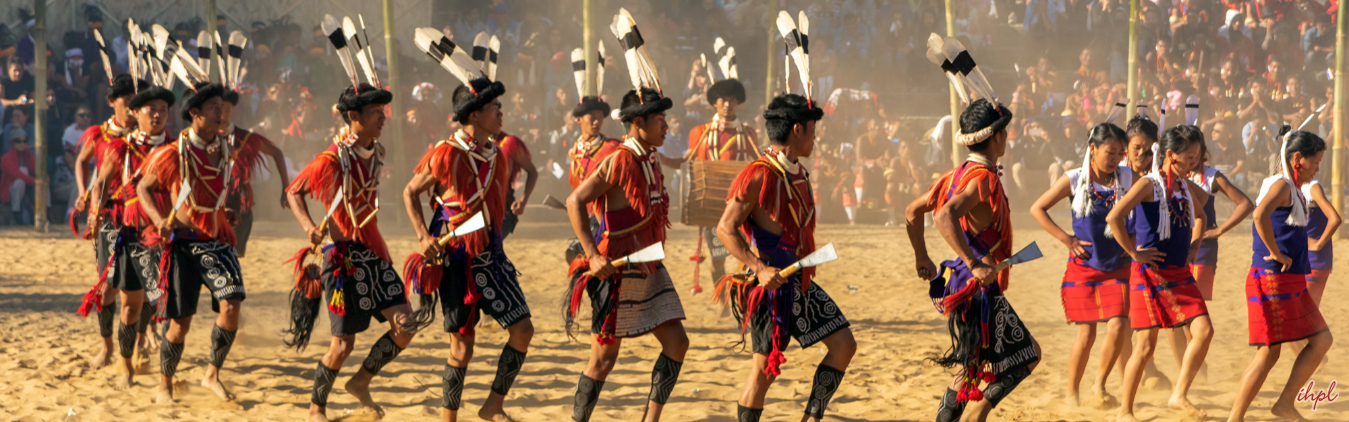
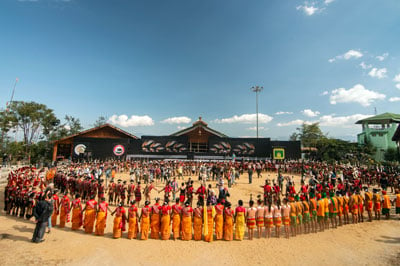
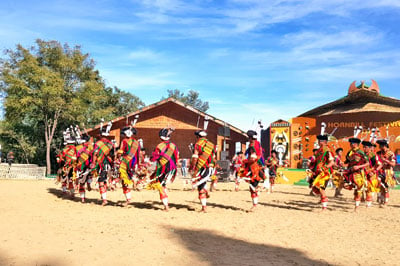
- December brings the Hornbill Festival and higher demand

October to March is the best time to visit Nagaland for comfortable sightseeing, village visits and road travel. December is especially popular for the Hornbill Festival, while March and April suit travellers looking for quieter outdoor experiences.
Season overview
Best overall
Good with flexibility
Flexible plans recommended
Experience by season
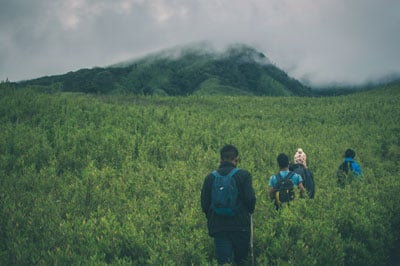
Cooler weather and more comfortable road conditions make this the strongest season for combining Kohima, Mokokchung, Mon, Dimapur and village experiences. December is ideal for festival-focused travel, but it is also the busiest period.Indian Holiday
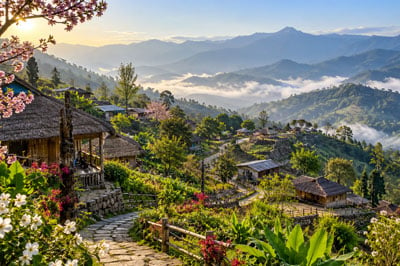
Spring works well for travellers who prefer fewer crowds, greener landscapes and a relaxed pace. It is a good period for village visits, scenic drives and cultural sightseeing.
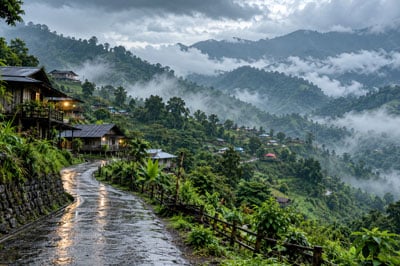
Nagaland is at its greenest during the monsoon. However, rain can slow road travel and make trails slippery. Keep extra time between destinations and avoid an overly packed itinerary.
Dzukou Valley note: Indian Holiday’s current Dzukou Valley itinerary highlights June to September for greener scenery and seasonal blooms, but trekking conditions can also be wetter during this period.
Your trip, your pace
Tell us your travel dates, interests and the places you want to include. Our travel experts can connect Kohima, Dimapur, Mokokchung, Mon, Tuensang and other parts of Nagaland into a route that works for your available time.
Nagaland city tour packages
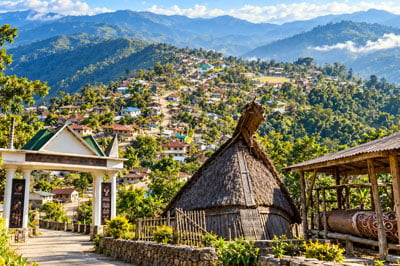
Use Dimapur for gateway attractions and onward access to Nagaland’s hill districts
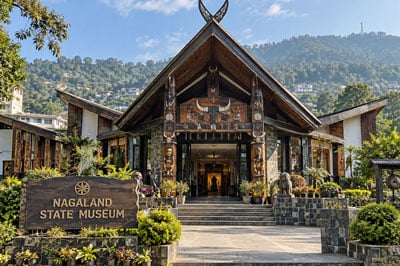
Explore Kohima, Khonoma, Kisama and nearby cultural and nature experiences.
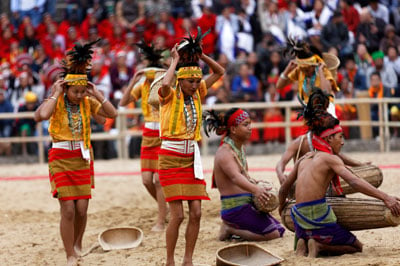
Discover Ao Naga culture, traditional villages and the landscapes of central Nagaland.
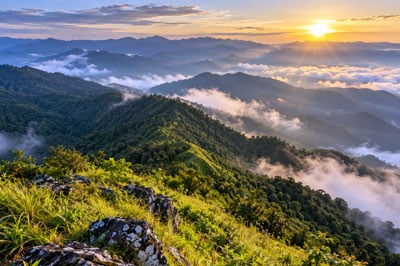
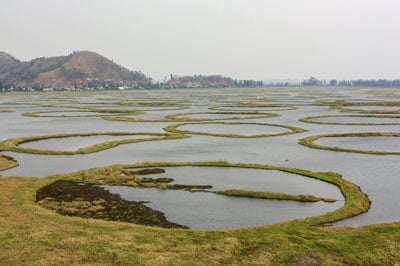
Plan a journey around Konyak villages, Longwa and the cultural landscapes of eastern Nagaland.
Nagaland Tour Packages
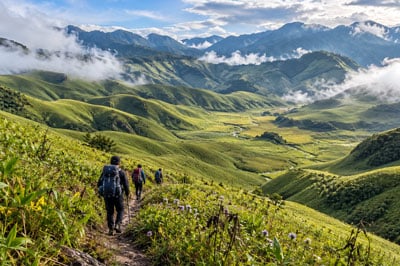
Dimapur – Kohima – Dzukou Valley – Kohima – Dimapur
Dimapur – Kohima – Khonoma – Mokokchung – Tuensang – Mon – Dibrugarh
Guwahati – Kaziranga – Kohima – Touphema – Dimori Cove – Khonoma – Dimapur
Why IndianHoliday
Nagaland involves long road journeys between districts, so the right season and route matter. We focus on comfortable pacing, realistic transfers and enough time for the places you want to experience.
Indian Holiday has planned journeys since 1990, giving our team the experience to build around real travel times and seasonal constraints.
Travel dates, group type and pace matter in Nagaland. Our travel experts use them to shape the route rather than forcing a one-size-fits-all circuit.
Indian Holiday is recognized by the Ministry of Tourism, Government of India.
Indian Holiday has received the National Tourism Award twice, adding an independent trust signal to its long operating history.
October to March is the best overall period for most travellers. The weather is cooler and conditions are better suited to sightseeing, village visits and multi-destination journeys.
Visit in early December. The Hornbill Festival is held from 1–10 December at Kisama, Kohima.
Yes. March and April are good for travellers looking for greener landscapes, fewer festival crowds and a slower sightseeing pace.
Yes, but keep the itinerary flexible. June to September brings lush scenery, but rain can affect road journeys and outdoor activities.
The experience changes by season. Drier months generally make access easier, while June to September offers greener scenery and seasonal blooms but also wetter trail conditions.
Keep 7–10 days if you want to combine several regions such as Kohima, Mokokchung and Mon without rushing. A shorter 3–5 day trip works better when focused on Kohima, Dzukou Valley or one main region.
Choose a Nagaland itinerary that matches your season, interests and the number of days you have.