
Gangtok works best for travellers who like to have their mountain holiday with a mix of thrilling adventures, local food, scenic excursions, and relaxed evenings. The things to do in Gangtok are not about covering places but choosing the right experiences based on your pace, season, comfort level, and how many days you have.
Some activities are simple evening add-ons, while others require clear weather, early starts, permits, or altitude comfort. This guide helps you understand which activities are worth planning around based on experience type, travel time, and feasibility.
Quick Planning Snapshot
Top Activities Worth Planning in Gangtok
1. Adventure & Outdoor Experiences
• Riding the Gangtok Ropeway
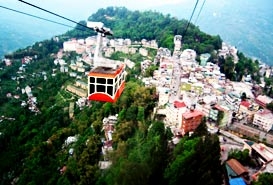
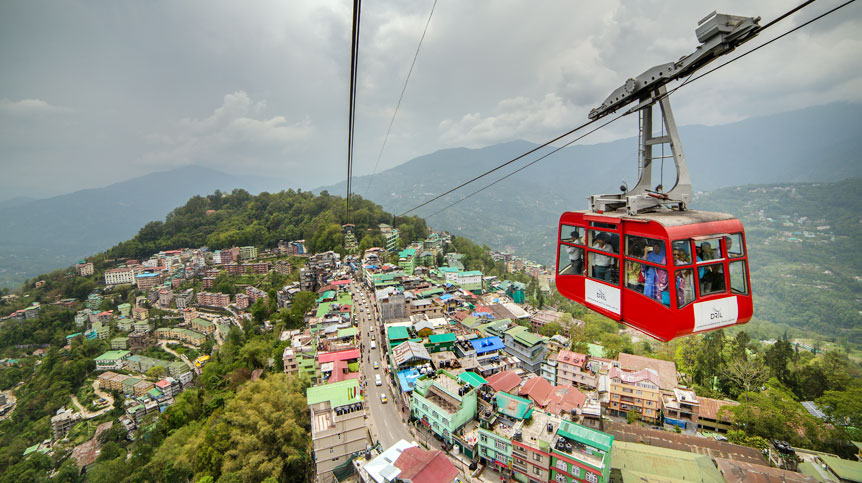
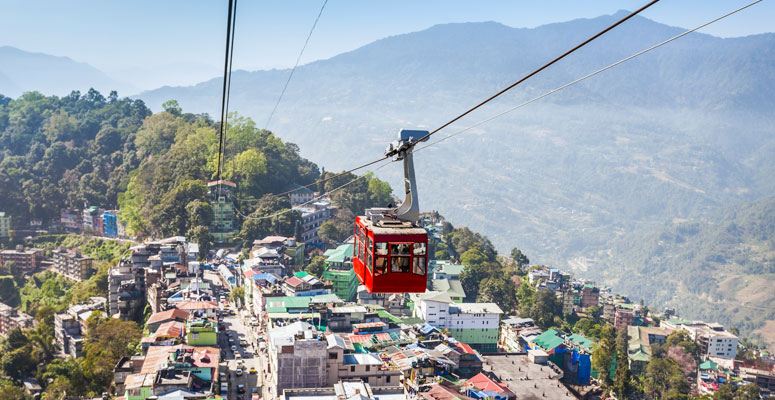
The Gangtok Ropeway offers a short aerial experience over the valley, giving a clear sense of the city’s layout when visibility is good. It is best experienced in the morning when weather conditions are more stable, and crowd flow is lighter. Fog and low clouds can significantly reduce visibility, making it a flexible rather than essential activity.
Best For: Families, senior travellers, first-time visitors and couples.
Ideal Duration: Keep around 30 to 60 minutes, depending on queues.
Best Time: Clear days are best. Morning or late afternoon can be pleasant, but visibility matters.
• River Rafting on the Teesta River
Teesta rafting is a seasonal activity that depends entirely on river flow conditions. It is usually included as a short stop during transit routes like Gangtok–Siliguri rather than a standalone destination experience.
The activity involves reaching the rafting point, receiving safety instructions, wearing helmets & life jackets, entering the raft with a trained guide, and navigating river sections based on water level and difficulty.
Best For: Adventure-seekers, couples and groups of friends.
Ideal Duration: Plan half a day when starting from Gangtok.
Best Time: Clear weather months are better, especially spring and autumn.
• Paragliding Over Gangtok Valleys
Paragliding offers a tandem flight experience with a trained pilot over valleys and ridgelines, with operations fully dependent on wind conditions. Morning hours are generally preferred for stability, but cancellations are common when weather shifts.
The activity usually involves reporting to the operator, a safety briefing, transfer to the takeoff point, harnessing, tandem flight and landing.
Best For: Adventure-seekers, couples and travellers comfortable with height.
Ideal Duration: Keep around 2-3 hours.
Best Time: Spring and post-monsoon months are commonly preferred.
• Hang Gliding Near Gangtok Outskirts
Hang gliding is a limited aerial activity that operates under stricter wind and safety conditions compared to paragliding. Availability is inconsistent, and operations depend heavily on real-time weather data.
Best For: Adventure-seekers, couples and travellers comfortable with height.
Ideal Duration: Keep around 2-3 hours.
Best Time: Clear-weather months in spring and post-monsoon are more suitable.
• Trekking to Goecha La (Walking to the Kanchenjunga Base)
The Goecha La trek is a multi-day high-altitude trekking expedition in West Sikkim requiring permits, acclimatisation, and guided support. The trek involves multiple days of walking along forest trails, rhododendron belts, alpine meadows, and high-altitude terrain, with views of the Kanchenjunga range.
Best For: Experienced trekkers and fit adventure travellers.
Ideal Duration: Keep around 10–12 trekking days, with extra travel days to reach and return from Yuksom.
Best Time: Spring and autumn are generally preferred, especially for clearer views, safer trail conditions and better trekking comfort.
2. Scenic Viewpoints & Nature-Based Experiences
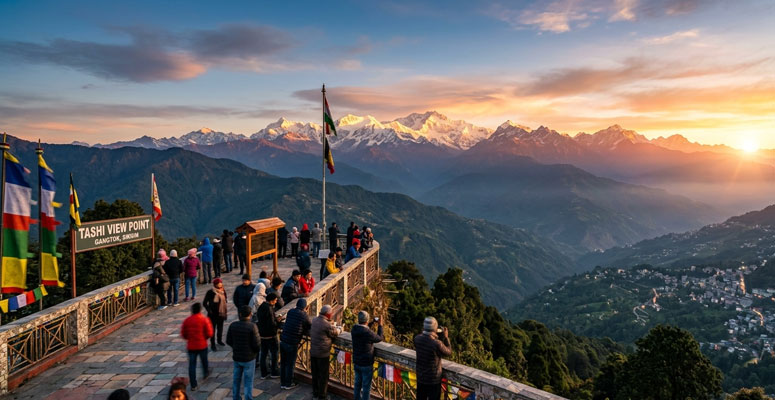
• Catching Sunrise at Tashi Viewpoint (Watching Kanchenjunga Glow)
Tashi Viewpoint is a popular sunrise and sunset spot where visitors can see panoramic views of the Kanchenjunga range on clear days. It is one of the most accessible viewpoints near Gangtok. The activity usually involves leaving Gangtok before sunrise, reaching the viewpoint, and waiting for the light to change.
Best For: Photographers, couples, first-time visitors and families.
Ideal Duration: Keep around 1.5–2 hours.
Best Time: Clear-weather months in spring, autumn, and winter mornings are usually better; monsoon visibility is less reliable.
• Stopping at Seven Sisters Waterfall
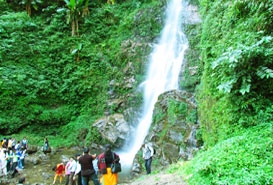
Seven Sisters Waterfall is a multi-tiered waterfall located along the Gangtok–Lachung route. It is most visually striking during the monsoon and post-monsoon season when water flow is at its strongest. This is a good place to pause, stretch, take photographs, and enjoy the sound of the falls before continuing the drive.
Best For: Photographers, first-time visitors and families.
Ideal Duration: Keep around 20–40 minutes.
Best Time: Post-monsoon and clear-weather months are usually better for views and road comfort; monsoon can make the waterfall stronger, but roads and walking surfaces may be slippery.
• Driving Through Zuluk Curves
Zuluk is part of an extended East Sikkim circuit known for its winding roads and changing viewpoints rather than a single attraction. The experience is about the dramatic hairpin bends, changing mountain scenery, and the sense of moving through a historic border-route landscape.
Best For: Photographers, scenic-drive lovers and road-trip travellers.
Ideal Duration: Keep it as part of a full-day or overnight East Sikkim / Silk Route plan.
Best Time: Post-monsoon and clear-weather months are usually better for views and road comfort; monsoon can make the waterfall stronger, but roads and walking surfaces may be slippery.
3. Cultural & Spiritual Places
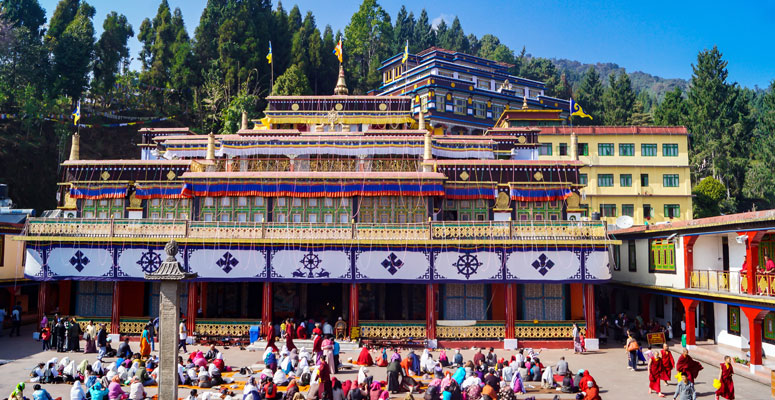
• Exploring Rumtek Monastery
Rumtek Monastery is one of the most significant monasteries in Sikkim and an important centre of Tibetan Buddhism. It is known for its traditional architecture, prayer halls, and peaceful surroundings, making it a key cultural visit near Gangtok.
Best For: Cultural travellers, spiritual travellers, families with older children, and visitors interested in Buddhist architecture.
Ideal Duration: Keep around 3–4 hours.
Best Time: Morning or early afternoon; clear-weather days make the drive and setting more enjoyable.
• Entering Nathula Pass
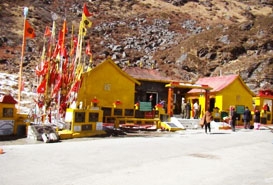
Nathula Pass is a high-altitude border point connecting India and China. Apart from its strategic importance, it is also known for its dramatic mountain landscape and controlled visitor access through permits.
The experience is not only about reaching the pass; it also includes the early start, the mountain-road journey, permit checks, colder air, army-controlled areas, and limited time at the destination.
Best For: Indian travellers comfortable with altitude, road journeys, cold weather, and regulated travel conditions.
Ideal Duration: Spend most of the day, especially if combined with stops at Tsomgo Lake and the Baba Mandir route.
Best Time: Clear-weather months are better; winter can be scenic but more uncertain because of snow and road disruptions.
• Exploring Namchi Temples
Namchi is a cultural town in South Sikkim known for its religious complexes, including replicas of major pilgrimage sites and large statues dedicated to Guru Padmasambhava. It is often visited as a full-day excursion from Gangtok.
Best For: Families, senior travellers, pilgrimage travellers, cultural visitors, and those adding South Sikkim to their trip.
Ideal Duration: Keep a full day from Gangtok, or plan it more comfortably as part of a South Sikkim stay.
Best Time: Clear-weather months are more comfortable for road travel and outdoor temple complexes.
• Halting at Chungthang Confluence
Chungthang is a small town located at the confluence of rivers in North Sikkim. It holds religious significance associated with Guru Padmasambhava and also serves as an important stop on the route to the higher Himalayan regions.
Best For: Travellers heading to North Sikkim, photographers, and families.
Ideal Duration: Keep around 15–30 minutes, unless route conditions require a longer halt.
Best Time: Clear-weather travel days are preferable; road conditions should always be checked before travelling to North Sikkim.
4. Local Experiences in Gangtok
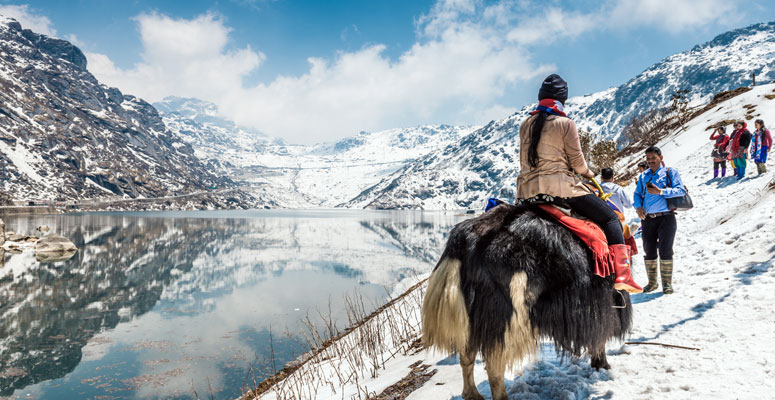
• Riding a yak at Tsomgo Lake
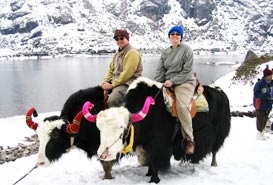
Yak rides at Tsomgo Lake offer a traditional mountain experience in a high-altitude setting. The activity is usually done around the lake area and is more about the cultural experience than speed or distance.
Best For: Families with children, first-time snow travellers, and visitors who enjoy light seasonal activities.
Ideal Duration: Keep around 15–30 minutes.
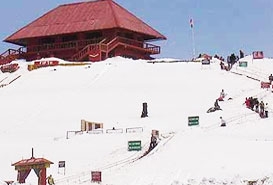
Best Time: Winter and early spring may feel more atmospheric if snow is present, but availability depends on local conditions.
• Shopping at Lal Bazaar
Lal Bazaar is one of the main local markets in Gangtok, where daily life and trade come together. It is known for fresh produce, local ingredients, handicrafts, and traditional Sikkimese items, giving visitors a glimpse of local culture.
Best For: Cultural travellers, food-curious visitors, photographers and travellers who enjoy local markets.
Ideal Duration: Keep around 45 minutes to 1.5 hours.
Best Time: Daytime is better for active market life; avoid very late visits if you want the full local feel.
Best Time to Visit Gangtok
Gangtok can be visited year-round, but the experience varies significantly by season. Weather conditions in the Eastern Himalayas play an important role in accessibility, visibility, and the type of activities available.
• March to June (Spring–Summer): This is one of the most comfortable periods for travel. The weather remains pleasant, making it suitable for sightseeing, cable car rides, monasteries, and short excursions. Clearer skies also improve mountain visibility.
• July to September (Monsoon): Gangtok receives heavy rainfall during these months. While the landscape becomes lush and green, landslides and road disruptions can affect travel plans. Outdoor activities may be limited.
• October to December (Autumn–Early Winter): This is considered a prime travel season. The skies are generally clear, offering strong views of the Himalayas. It is suitable for most sightseeing and adventure activities.
• January to February (Winter): Winters are cold, with the possibility of snowfall in higher regions. Some routes may be affected by weather conditions, but it is ideal for travellers seeking a quieter experience with snow-covered views.
Best Time to Enjoy Activities in Gangtok
| Season | Best For | Experience Overview |
|---|---|---|
| October to May | Overall sightseeing & activities | The most reliable travel window offers clear Himalayan views, better road conditions, and smooth access to monasteries, viewpoints, the cable car, and nearby day trips such as Tsomgo Lake and Nathula Pass. |
| March to May | Outdoor activities & city exploration | Pleasant weather ideal for walking around MG Marg, visiting monasteries, light adventure activities, and enjoying viewpoints without weather disruptions. |
| June to September | Waterfalls & lush landscapes | The monsoon brings lush greenery and fuller waterfalls, but landslides and road delays can disrupt travel plans and high-altitude excursions. |
| October to November | Festivals & cultural experiences | Peak cultural season with clear skies, major local festivals, and strong visibility of the Kanchenjunga range from viewpoints. |
| December to February | Snow views & quiet travel | Cold winter season with chances of snow in higher regions like Tsomgo Lake and Nathula, fewer crowds, but some routes may be restricted. |
How to Reach
• By Air (via Bagdogra Airport – IXB): Bagdogra is the nearest major airport, located around 120 km from Gangtok. From here, travellers can hire shared taxis or private cabs to reach Gangtok in approximately 4–5 hours via scenic mountain roads.
• By Rail (via New Jalpaiguri – NJP): NJP is the closest major railway station with strong connectivity to Kolkata, Delhi, Guwahati, and other cities. From NJP, Gangtok is a 5-hour taxi or shared jeep ride.
• By Road (from Siliguri / Darjeeling / nearby towns): Regular shared taxis and private cabs operate from Siliguri, NJP, and nearby hill stations. The road journey follows winding Himalayan routes and is the most common way to reach Gangtok.
Suggested Gangtok Experience Circuits
1. Relaxed 2–3 Day Gangtok Circuit
Day 1: City & Culture
- MG Marg walk
- Namgyal Institute of Tibetology
- Rumtek Monastery
- Evening cable car ride
Day 2: Scenic Day Trip
- Tashi Viewpoint sunrise
- Bakthang Waterfall / Ban Jhakri Falls
- Ganesh Tok / Hanuman Tok
- MG Marg leisure evening
Optional Day 3 (Extension):
- Tsomgo Lake
- Baba Mandir
- Nathula Pass (permit required)
Best for: First-time visitors, couples, and slow-paced travel.
2. Adventure & High-Altitude Circuit (3–5 Days)
Day 1: Gangtok arrival + MG Marg
Day 2: Tsomgo Lake + Nathula Pass + Baba Mandir
Day 3: North Sikkim extension (Lachen / Lachung base)
Day 4: Yumthang Valley / Zero Point (seasonal access)
Day 5: Return + leisure shopping in Gangtok
Best for: Adventure seekers, mountain landscape focus, and photographers.
3. Cultural & Leisure Circuit (2–3 Days)
Day 1:
- Rumtek Monastery
- Enchey Monastery
- MG Marg café walk
Day 2:
- Namgyal Institute of Tibetology
- Handicraft centres
- Local market exploration
Best for: Culture-focused travellers, relaxed trips, senior travellers.
Plan Your Gangtok Journey with IndianHoliday
The best things to do in Gangtok depend on season, permits, altitude comfort, travel pace, and how Gangtok fits into your wider Sikkim route. A family with senior travellers may need a very different plan from a couple looking for soft adventure or a cultural traveller interested in monasteries and local food.
IndianHoliday can help you choose the right Gangtok experiences based on your travel month, comfort level, trip duration, and onward route across Sikkim or Northeast India.
For onward planning, explore: