
Sikkim, cradled in the eastern Himalayas, enchants explorers with its breathtaking landscapes, pristine atmosphere, and rich cultural tapestry. Surrounded by Nepal, Bhutan, and Tibet, this northeastern state draws travelers with its fusion of indigenous traditions and natural beauty. Whether you crave the comfort of mountain retreats or an expedition through ancient customs, this region provides varied insights every season. Each time of year offers a distinctly different experience of Sikkim, from snow-covered peaks in winter to vibrant rhododendron blooms in spring.
Check out Sikkim tour packages, Gangtok tour packages, Ravangla tour package, Pelling tour package
Sikkim’s Seasonal Climate Overview
| Seasons | Months | Temperature |
|---|---|---|
| Summers | April to June | 5°C – 25°C |
| Monsoon | July to Sep | 5°C – 22°C |
| Winter | October to March | -5°C – 7°C |
When & Where to Visit in Sikkim
Summer Season (April to June)
Summer in Sikkim brings delightful weather from April through June, with temperatures ranging from 5°C to 25°C. This pleasant climate provides a perfect escape from the scorching heat that affects much of India during these months. The season is characterized by clear skies, exceptional visibility of mountain ranges, and blooming wildflowers that transform the landscapes into colorful panoramas.
During summer, access to high-altitude destinations becomes significantly easier as snow clears from mountain passes. This makes it the ideal time to visit remote attractions that remain inaccessible during other seasons:
- Gurudongmar Lake (17,800 ft): One of the world’s highest lakes, with its turquoise waters best viewed in May when the surrounding area is accessible yet still features snow-capped peaks
- Yumthang Valley: Known as the “Valley of Flowers,” it reaches peak bloom in April-May with rhododendrons, primulas, and poppies creating a riot of colors
- Nathula Pass: The India-China border crossing offers clearer views and more comfortable visiting conditions
- Kanchenjunga National Park: Wildlife sightings improve with animals becoming more active in warmer weather
Summer also coincides with several significant cultural festivals:
- Saga Dawa (May/June): Celebrates Buddha’s birth, enlightenment, and parinirvana with processions and prayers
- Losoong Pre-Harvest Festival (Early June): Features traditional mask dances and community celebrations
- Visit Zero Point to see scenic views of the snow-clad mountains without extreme cold
- Experience river rafting in the Teesta River with optimal water levels (Grades 2-4 rapids)
- Relax in the hot springs near Yumthang Valley, known for their therapeutic properties
- Trek the Goecha La route when mountain visibility is at its best
So, are you considering taking a trip to Sikkim? To make your trip planning easier, we’ve compiled a list of the best places to visit in Sikkim.
Monsoon Season (July – September)
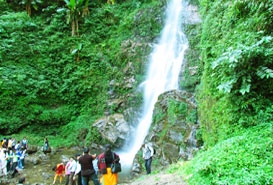
Sikkim transforms into a lush greenland during the monsoon months from July to September. During this period, the region receives significant rainfall that brings dramatic changes to the landscape. Verdant valleys grow even more vibrant, waterfalls reach their full volume, and mountain streams flow with renewed vigor.
While heavy rains can occasionally cause landslides and transportation disruptions, this season offers unique advantages for certain travelers:
- Lower tourism rates: Significant discounts on accommodations and activities
- Photographic opportunities: Dramatic cloud formations, mist-shrouded mountains, and rainbows over valleys
- Lush landscapes: The region’s biodiversity at its most vibrant with over 4,500 species of flowering plants visible
During monsoon, it’s advisable to focus on destinations at lower altitudes and areas with more stable weather conditions:
- Khangchendzonga National Park: Though trails may be muddy, the forests come alive with new growth and birdlife
- Tsomgo Lake: The sacred lake surrounded by mist creates mystical photo opportunities
- Gangtok: The capital offers many indoor cultural attractions and breaks between showers for city exploration
Key monsoon considerations:
- Roads to Nathula Pass and North Sikkim often close during heavy rainfall periods
- Always check weather forecasts and road conditions before traveling
- Book accommodations with 24-hour electricity backup as power outages are common
- Witness diverse species of flora & fauna at Khangchendzonga National Park
- Encounter the stunning views of mountains draped in clouds, swollen waterfalls, and emerald meadows
- Marvel at Tsomgo Lake when fewer visitors are present
- Experience the unique bamboo shooting season in local cuisine
Look at the Sikkim Tour Guide. Here is all the essential information so you don’t have any trouble traveling.
Winter Season (October to March)
The glorious winter season in Sikkim unfolds from October to March, transforming the region into a snow-covered wonderland. This period is divided into two distinct phases:
Early Winter (October-November):- Crisp, clear days with excellent mountain visibility
- Comfortable daytime temperatures (5-15°C)
- Festive atmosphere with Diwali and Tihar celebrations
- Ideal for photography with snow-capped peaks against blue skies
- Temperatures drop significantly (-5°C to 7°C)
- Heavy snowfall in higher elevations
- Christmas and New Year celebrations enliven Gangtok
- Challenging but rewarding conditions for winter adventure seekers
- Yumthang Valley (transforms into a pristine white landscape)
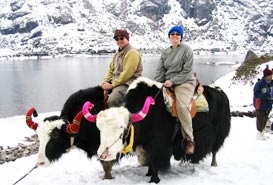
- Gurudongmar Lake (freezes partially, creating unique ice formations)
- Pelling (offers stunning snow-framed views of Kanchenjunga)
- Lachung (base for snow excursions)
- Losar (Tibetan New Year in February/March): Witness masked dances and monastery celebrations
- Namsoong (December): Experience the Lepcha New Year festivities
- Red Panda Winter Festival (January): Enjoy music, local cuisine, and cultural performances in Gangtok
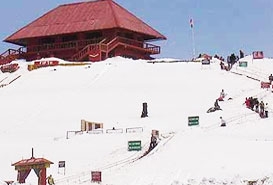
- Take a trip to Zero Point to treat your eyes with pristine snow-covered peaks (accessible only when roads permit)
- Indulge in local winter festivals and cultural events that showcase Sikkim’s diverse heritage
- Explore famous attractions like the Enchey Monastery, Namgyal Institute of Tibetology, and the Do Drul Chorten Stupa
- Experience snowfall in Gangtok and Lachung (January-February offers highest probability)
- Sample traditional winter delicacies like thukpa, gundruk soup, and butter tea
Comprehensive Travel Tips for Sikkim
Altitude Acclimation
- Begin your journey in Gangtok (5,500 ft) and spend 2-3 days before ascending to higher elevations
- Increase your water intake and reduce physical exertion during the first few days
- Consider preventive medications like Diamox after consulting with your doctor
Cultural Etiquette
- Dress modestly when visiting monasteries (cover shoulders and knees)
- Always walk clockwise around religious structures and prayer wheels
- Ask permission before photographing locals, especially during ceremonies
- Remove shoes before entering homes and religious buildings
Health Precautions
- Pack basic medicines for altitude sickness, stomach issues, and cold/flu
- Carry sunscreen with high SPF as UV exposure increases at higher altitudes
- Include rehydration salts, particularly during trekking expeditions
- Consider travel insurance that covers helicopter evacuation from remote areas
Transportation Insights
- Shared jeeps are the most common local transport but fill quickly; arrive early
- For North Sikkim, secure permits 1-2 days in advance through registered travel agencies
- During winter, roads to higher elevations often close by early afternoon; plan accordingly
- Budget extra travel time during monsoon season when landslides may cause delays
Packing Essentials By Season
- Summer: Layered clothing, rainproof jacket, sun hat, sturdy walking shoes
- Monsoon: Waterproof backpack cover, quick-dry clothing, extra footwear, umbrella
- Winter: Thermal underwear, insulated jacket, waterproof boots, gloves, woolen cap
When visiting Sikkim, make sure to look at all these details fully on how to reach Sikkim so that your journey is not difficult.