Home / uttarakhand / Kedarnath / Best Time to Visit Kedarnath

Best Time to Visit Kedarnath

May to June and late September to October are the best times to consider for a Kedarnath pilgrimage, within the announced temple season. Early summer brings milder days and a busy yatra route, while autumn offers colder mornings after the main rains. Your choice should account for the journey as well as darshan: the approach drive, the trek from Gaurikund and time to rest all need space in the plan. July and August bring monsoon rain that can disrupt roads and the walking route. The main temple closes for winter, usually in October or November, and reopens in April or May. Confirm the annual dates before booking, particularly near the start or end of the season.

Best overall: May–Jun, late Sep–Oct Temple season: Check annual dates Warm season: Apr–Jun Main monsoon: Jul–Sep
We will use your email and phone number to help plan your trip faster (no spam).

Season overview

Find the Right Season

Choose your travel window around the places and experiences on your route. Seasonal conditions vary by region.

May – June & Sep – Oct

Best Season

Best for darshan and planning the pilgrimage route

What to expect

  • Choose May or June after the temple opens, allowing time for busy approach roads and darshan queues.
  • Consider late September or October for an autumn yatra, with warm clothing for the upper route and overnight stay.
  • Keep the ascent, temple visit and descent at a manageable pace rather than adding them to an already long driving day.
  • Check the temple calendar and local route updates before departure; a recommended month does not guarantee uninterrupted access.
April to June

Warm Season

Milder days once the temple season begins

What to expect

  • Confirm the opening date before choosing April, as the main temple may still be closed for winter.
  • Pack warm layers and rain protection even in May and June; the weather can change during the ascent.
  • Book your overnight stops in advance, checking whether the Kedarnath stay is a basic guesthouse, shared room or dormitory.
  • Leave time for queues and rest, and follow the current local instructions for starting and using the walking route.
July to September

Monsoon Season

Best approached with flexible plans

What to expect

  • Heavy rain can affect approach roads and the trek, with delays or temporary restrictions on movement.
  • Check conditions along the whole journey, including the road to Sonprayag and access onward to Gaurikund.
  • Keep an extra day around your return rather than relying on a trek or flight finishing to a tight deadline.
  • Treat September as a changing season; later weeks may offer better breaks, but rain does not stop on a fixed date.

Experience by season

What Each Season Means

spring landscape and nature travel

May to June and late September to October

Leave Time for the Hills and Views

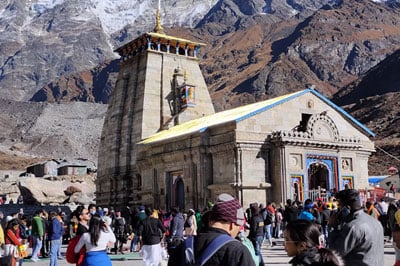
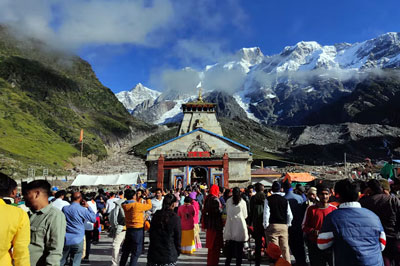
Build the day around reaching Kedarnath and having time for darshan. The ascent from Gaurikund is a substantial part of the pilgrimage, so allow for breaks and avoid promising yourself a fixed arrival hour. May and June can bring busy queues; an early start does not remove the need for patience. In autumn, mornings and evenings become much colder, even after a bright afternoon. Once you arrive, settle into your accommodation before deciding whether another nearby stop fits. Time near the temple and a proper rest can be more valuable than trying to include every place around it.

Mist and green landscapes during monsoon

April to June

Start Early and Slow Down at Midday

Early summer is a practical choice for many pilgrims, but April travel needs a confirmed opening date. Once the season begins, book the approach stay and Kedarnath accommodation with a clear understanding of what each provides. Rooms near the shrine can be basic or shared, so ask about bedding, meals and bathroom arrangements before paying. Carry what you need for the upper stay and keep the rest of your route realistic. The drive into the valley, local transfers and ascent take time. Let the pilgrimage set the pace rather than squeezing it between two long days on the road.

cultural travel in winter

July to September

Enjoy the Setting with Flexible Plans

During the monsoon, a clear sky at your hotel does not tell you the condition of the road or trek farther ahead. Check local updates before setting out and follow instructions if movement is paused. Rain can change the day’s plan, so keep the return flexible and avoid adding a fixed onward connection immediately after the descent. Helicopter operations also depend on suitable weather and cannot remove that uncertainty. Towards late September, longer dry spells may make planning easier, but autumn is a gradual change. If you have a short, inflexible holiday, choose outside the main monsoon where possible.

Customised Uttarakhand tour planning

Your trip, your pace

Plan Your Kedarnath Stay Around the Season

Share your dates, starting city and whether you want Kedarnath on its own or with other shrines. Tell us how you plan to make the ascent and the accommodation you prefer. We can help organise the overnight stops and transfers, leaving time for darshan, rest and the journeys between them.

Curated Itineraries

Explore Kedarnath Your Way

3 Nights / 4 Days

Kedarnath Yatra From Haridwar

Haridwar/Dehradun – Guptkashi – Sonprayag – Kedarnath – Guptkashi – Rishikesh

₹16,000 View itinerary

5 Nights / 6 Days

Kedarnath Yatra From Delhi

Delhi – Haridwar – Guptkashi – Sonprayag – Kedarnath – Guptkashi – Rishikesh

₹22,500 View itinerary

15 Nights / 16 Days

Hindu Pilgrimage Tour

Delhi – Haridwar – Syana Chatti – Uttarkashi – Rudraprayag – Kedarnath – Rudraprayag – Joshimath – Badrinath – Govindghat – Delhi

Price On Request View itinerary

7 Nights / 8 Days

Gangotri Badrinath Kedarnath Yatra – Haridwar Uttarkashi Kedarnath Badrinath Tour

Haridwar – Uttarkashi – Gangotri – Guptkashi – Kedarnath – Badrinath – Rudraprayag – Haridwar

₹41,000 View itinerary

Why IndianHoliday

What Sets Us Apart

A Kedarnath itinerary needs to work on the ground, from the approach stay to the time allowed for the ascent and descent. We can help arrange accommodation and transfers around your starting point, travel month and preferred pace. We also clarify the overnight arrangements near the shrine, so you know what to expect. Whether it is a focused Kedarnath yatra or a longer pilgrimage, the plan should leave room for rest between travel days.

About IndianHoliday

Experience that improves the route

Indian Holiday has planned journeys since 1990, giving our team the experience to build routes around real travel times—not just points on a map.

A trip shaped around your pace

Tell us your dates, interests and preferred pace. Our travel experts shape the itinerary around them instead of forcing you into a fixed template.

Recognized by the Ministry of Tourism

Indian Holiday is recognized by the Ministry of Tourism, Government of India.

Two-time National Tourism Award winner

Indian Holiday has received the National Tourism Award twice, adding an independent trust signal to its long operating history.

FAQs

What to Know Before Visiting Kedarnath

Which is the best month to visit Kedarnath?

May and June are popular for milder daytime conditions after the temple opens. Late September and October are also worth considering after the main rains, though mornings and nights are colder. Confirm the annual temple dates before choosing either end of the season. Road and trek conditions still need checking shortly before departure, whichever month you select.

Is July a good time to visit Kedarnath?

July falls in the monsoon, when heavy rain can disrupt approach roads and the walking route. It is a less practical choice for a short yatra with fixed return connections. If possible, consider May–June or late September–October instead. A temple being open does not mean movement is unrestricted every day, so follow current local updates and instructions.

Is Kedarnath Temple open in April?

It depends on the announced opening date for that year. Kedarnath Temple usually reopens in April or May after its winter closure, so do not assume that an April booking includes darshan. Check the official calendar before reserving transport and accommodation. Conditions at the start of the season can still be cold, with snow remaining in the higher surroundings.

Is September or October better for Kedarnath?

Late September can offer a balance between easing rainfall and less severe cold, while October brings colder mornings and nights. Early September can still be affected by the monsoon. Choose according to your available dates and comfort with cold, then check the forecast and route updates. For October travel, confirm the closing date before booking, especially towards the end of the month.

Can I visit Kedarnath Temple in December?

The main Kedarnath Temple is normally closed for winter by December, so this is not a regular darshan month there. Snow and severe cold also affect the upper valley. Winter worship takes place at Omkareshwar Temple in Ukhimath. A visit there is a different pilgrimage plan; it should not be confused with access to the main shrine at Kedarnath.

How many days are enough for a Kedarnath trip?

Allow several days for the full journey, including the approach drive, ascent, darshan and descent. A focused trip from Haridwar or Dehradun often follows a four-day plan, while starting from Delhi needs more travel time. Your pace and overnight arrangements can change the duration. Add time for other shrines and keep some flexibility around weather rather than treating a helicopter booking as a guaranteed shortcut.

Already know when you want to travel?

Choose a Kedarnath itinerary within the temple season, with overnight stops and enough time for the ascent, darshan and return journey.

Explore Kedarnath Tour Packages