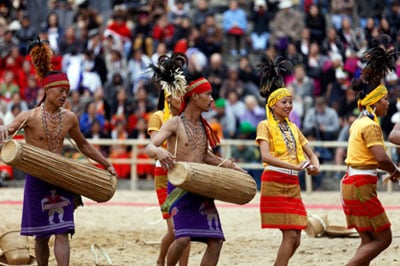
Dimapur
See the Kachari Ruins, Nagaland Zoological Park, Diezephe Craft Village, Triple Falls, Rangapahar Reserve Forest and local cultural centres around Nagaland’s main gateway.

Nagaland brings together mountain scenery, historic sites, traditional villages and tribal culture. Start with Kohima and Dimapur, then add Mokokchung, Mon or the more remote parts of the state based on your time and interests.<br />
Attractions by region
See the Kachari Ruins, Nagaland Zoological Park, Diezephe Craft Village, Triple Falls, Rangapahar Reserve Forest and local cultural centres around Nagaland’s main gateway.
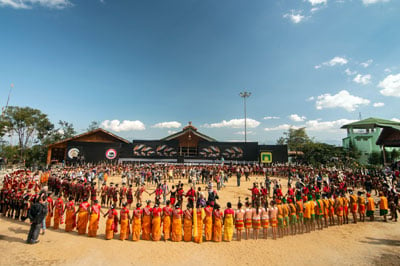
Nagaland’s strongest first-time sightseeing base, with the Kohima War Cemetery, Dzukou Valley, Kisama Heritage Village, Khonoma, Japfu Peak, Nagaland State Museum, Kohima Cathedral and Tuophema Tourist Village.
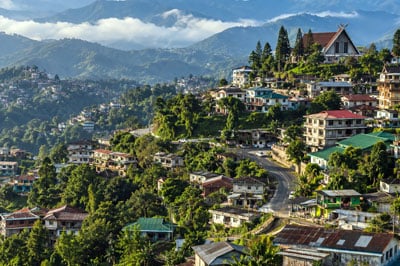
Explore Ao Naga culture through Longkhum, Ungma, Mopungchuket, Chuchuyimlang, Mokokchung District Museum, Langpangkong Caves, Molung Village and the surrounding hill landscapes.
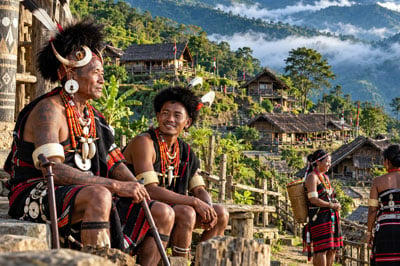
Travel into Konyak country for Longwa Village, Shangnyu Village, Chui Village, Veda Peak, Chenloisho Village and the remote landscapes around Mon.
Nagaland highlights
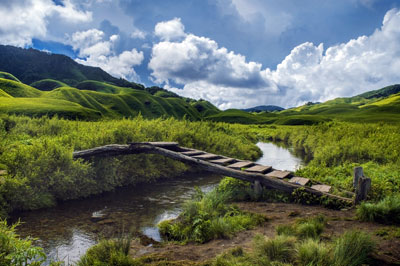
Nagaland’s best-known trekking landscape, with rolling green hills, seasonal flowers and wide mountain views. It is usually visited from Kohima.
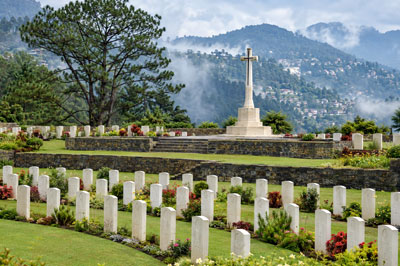
A major World War II memorial dedicated to soldiers who died during the Battle of Kohima in 1944.
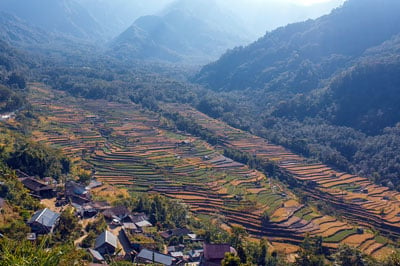
A historic Angami village known for terraced hills, traditional homes and community-led conservation.
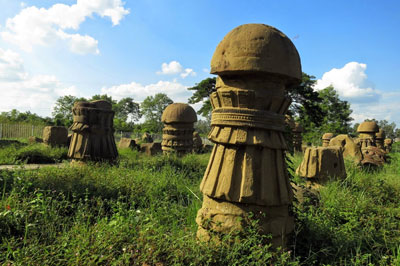
Dimapur’s best-known archaeological attraction, recognised for its distinctive stone pillars linked with the old Kachari kingdom.
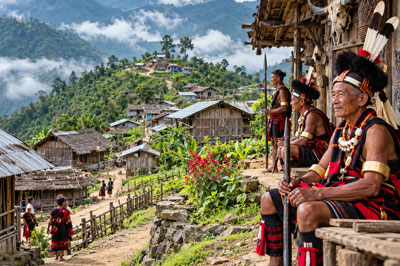
One of Nagaland’s most famous villages, located on the India-Myanmar border and closely associated with Konyak culture.
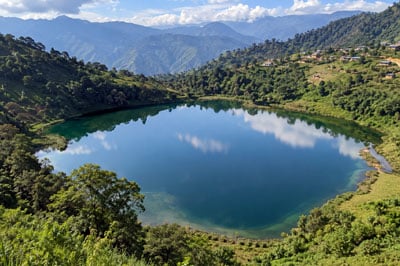
A natural lake in the Phek region surrounded by green hills and one of the state’s best-known scenic attractions.
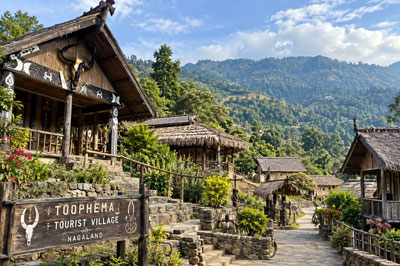
A village tourism experience near Kohima where travellers can learn about Angami culture and traditional life.
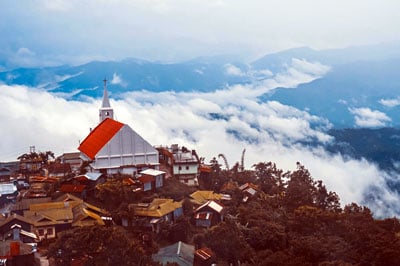
A hilltop Ao village near Mokokchung known for broad valley views, local folklore and traditional village life.
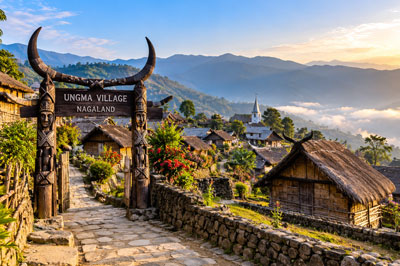
One of the most important historic Ao settlements and a good place to understand traditional village culture.
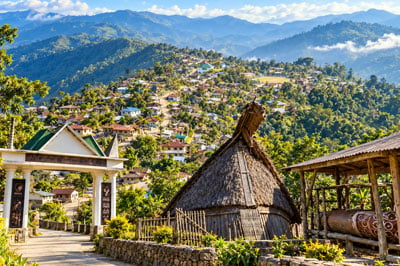
A well-known cultural village with scenic surroundings, community spaces and strong links with Ao history and folklore.
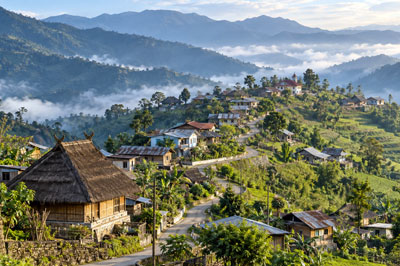
Known for Ao culture, village traditions and the Moatsu festival period.
October to May is generally the more comfortable touring period. Trekking, festival travel and monsoon road conditions can change which month works best for your priority attractions.
Dimapur is the main transport gateway. Kohima is the practical first sightseeing base, while Mokokchung and Mon need more road time and should be added deliberately.
Your trip, your pace
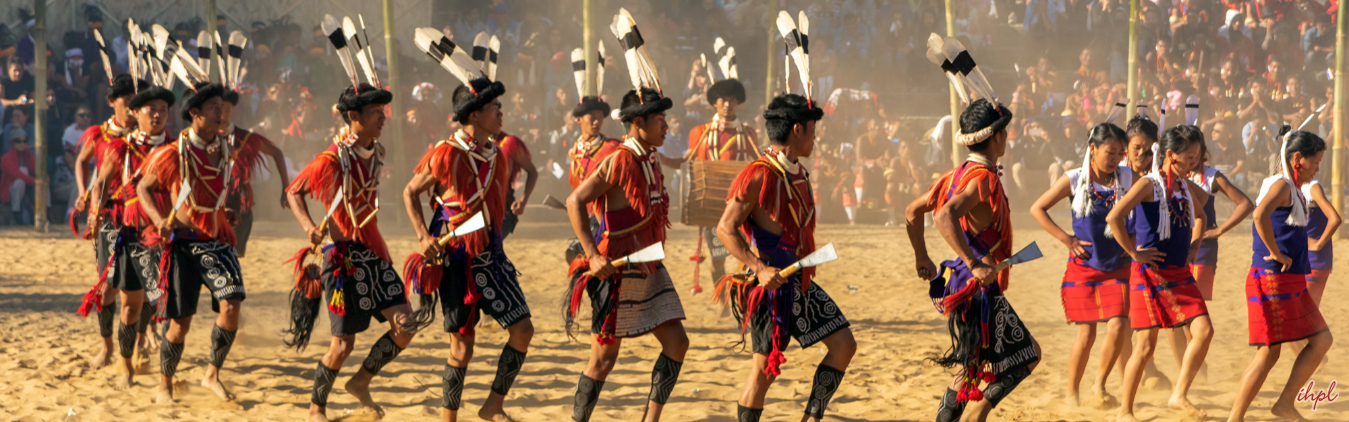
Share the places you want to visit, your travel dates and preferred pace. Our travel experts can shape a practical Nagaland itinerary around your interests, whether you want to focus on Kohima and Dzukou Valley or combine cultural regions such as Mokokchung and Mon.
Nagaland city tour packages
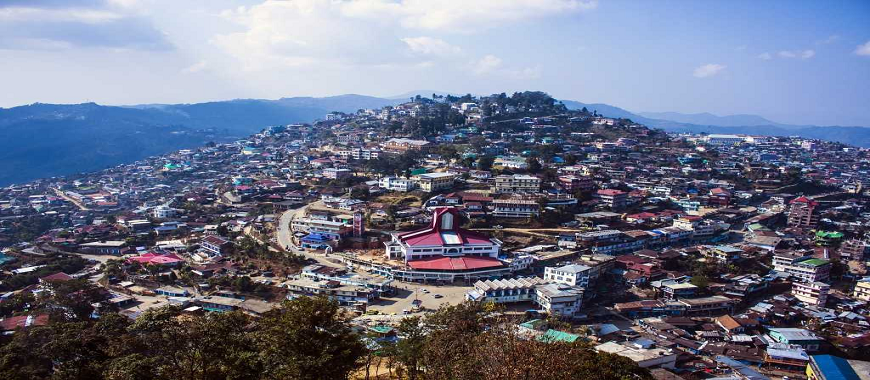
Use Dimapur for gateway attractions and onward access to Nagaland’s hill districts.
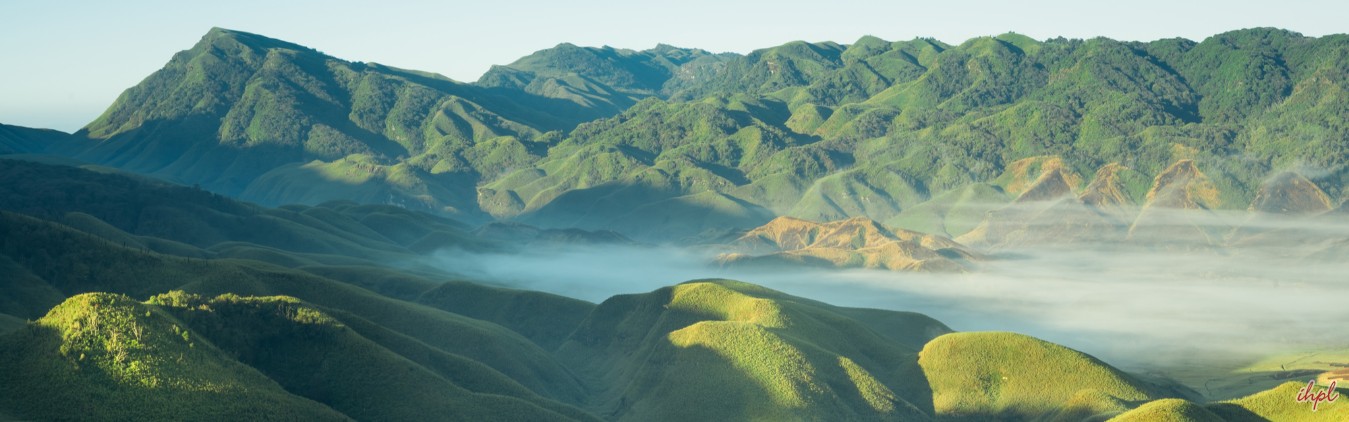
Best for combining Kohima’s city attractions with Khonoma, Kisama and Dzukou Valley.
Add Ao cultural villages and central Nagaland landscapes to a longer route.
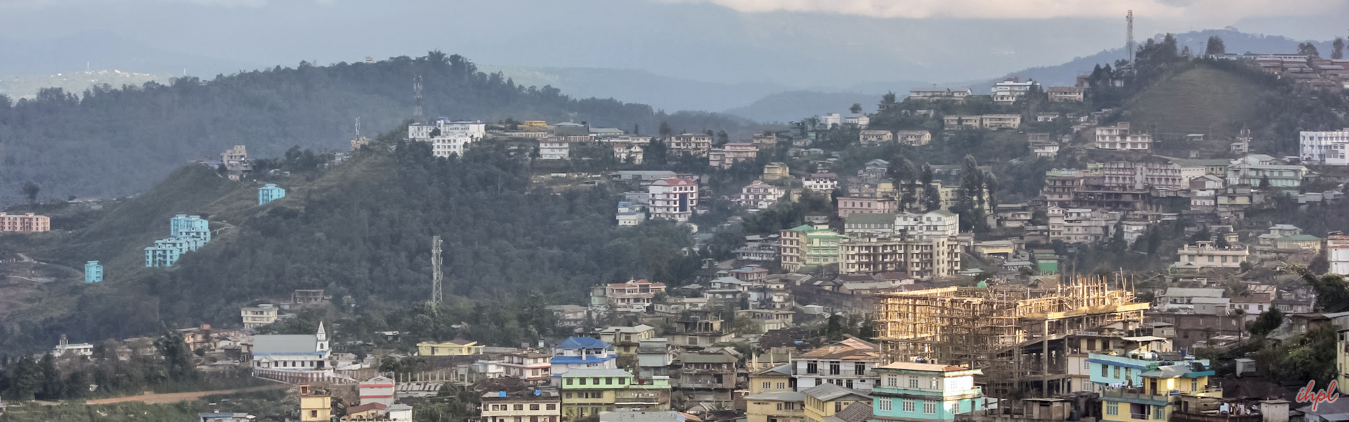
Choose Mon for Konyak villages, remote cultural landscapes and an extended eastern route.
Explore less-visited eastern Nagaland routes with cultural and landscape depth.
Curated itineraries
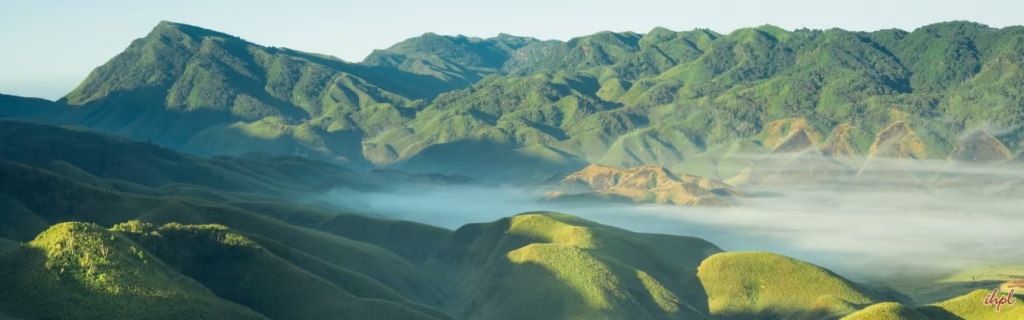
Dimapur – Kohima – Dzukou Valley – Kohima – Dimapur
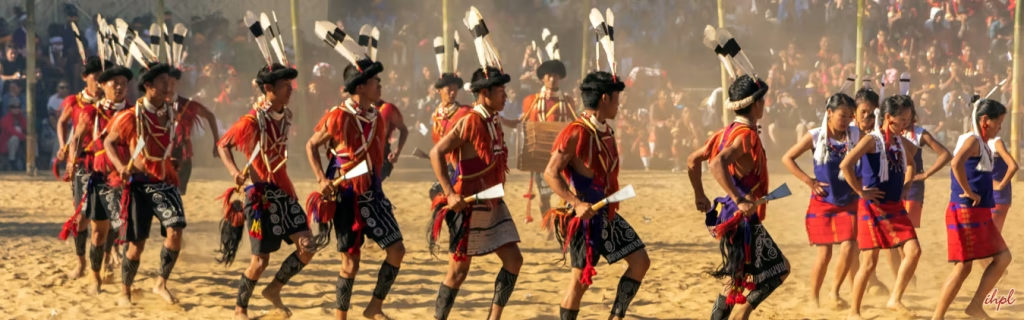
Dimapur – Kohima – Khonoma – Mokokchung – Tuensang – Mon – Dibrugarh
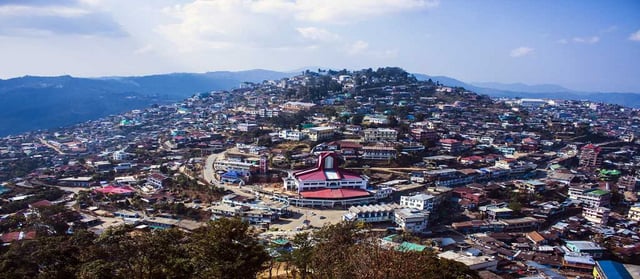
Guwahati – Kaziranga – Kohima – Touphema – Dimori Cove – Khonoma – Dimapur
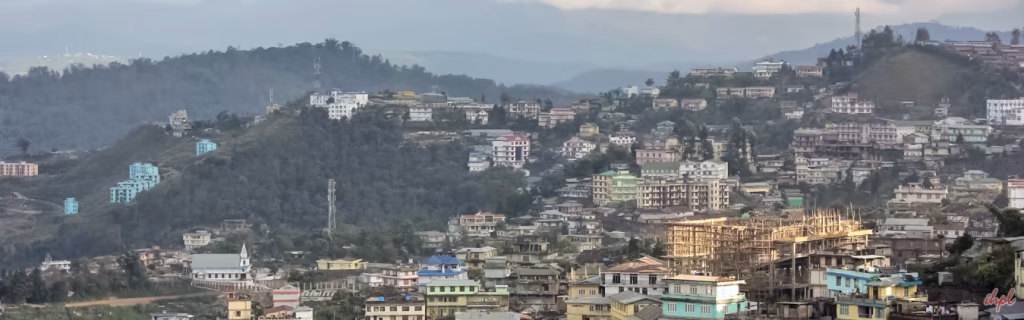
Why IndianHoliday
Nagaland itineraries often involve long road journeys between districts. We focus on sensible routing, comfortable pacing, dependable transfers and stays that fit the way you want to travel.
Indian Holiday has planned journeys since 1990, giving our team the experience to build routes around real travel times—not just points on a map.
Tell us your dates, interests and preferred pace. Our travel experts shape the itinerary around them instead of forcing you into a fixed template.
Indian Holiday is recognized by the Ministry of Tourism, Government of India.
Indian Holiday has received the National Tourism Award twice, adding an independent trust signal to its long operating history.
Nagaland attraction questions
Dzukou Valley, Kohima War Cemetery, Kisama Heritage Village, Khonoma, Kachari Ruins, Longwa Village, Shilloi Lake, Mount Saramati, Doyang Reservoir and Ntangki National Park are among the best-known attractions in Nagaland. DIPR Nagaland
Start with Kohima, Dzukou Valley, Khonoma and Kisama. Add the Kachari Ruins in Dimapur around your arrival or departure. Mokokchung or Mon can be added if you have more days.
Khonoma, Kisama, Tuophema, Ungma, Mopungchuket, Longkhum, Longwa, Shangnyu and Chui are good choices for travellers interested in village culture and local traditions.
Dzukou Valley, Japfu Peak, Shilloi Lake, Mount Saramati, Doyang Reservoir, Ntangki National Park and Mount Pauna are among the main nature attractions.
Around four to five days works for Dimapur, Kohima and nearby attractions. Add more days for Mokokchung, Mon, Phek, Wokha or other remote districts because road journeys take time.
The Doyang Reservoir and Pangti area in Wokha is the best-known location. The main viewing period is usually October and November. Nagaland Tourism
Yes, if Konyak culture and village experiences are important to you. Longwa, Shangnyu, Chui and Veda Peak make Mon worthwhile, but the longer road journey means it is better suited to a longer itinerary.
Compare Nagaland itineraries or use the form above to plan around the places you actually want to see.