
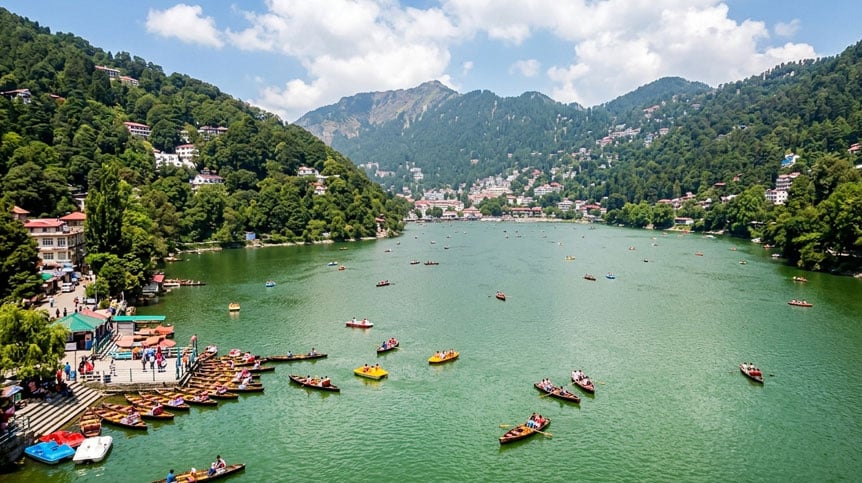

Uttarakhand is Devbhoomi, but planning a trip here is not only about choosing temples or hill stations from a checklist. The state works best when you decide by region, season, altitude, road time, and trip purpose. A Char Dham route, a Corbett forest stay, a Nainital lake holiday, an Auli snow break, and a quiet Kumaon retreat each need a different pace. The real value is not in seeing more names; it is in choosing the right places and combining them sensibly.
Understanding Uttarakhand by Region
1. Garhwal Region
Garhwal is the better choice if your trip is built around Haridwar, Rishikesh, Char Dham, Auli, Chopta, Tehri, Uttarkashi, Joshimath, or Devprayag. It suits travellers who are comfortable with longer road journeys and want a stronger spiritual or high-Himalayan character.
2. Kumaon Region
Kumaon suits travellers who want a quieter hill rhythm. Nainital offers convenience; Bhimtal and Sattal offer calmer lake stays; Corbett brings wildlife; and Almora, Binsar, Kausani, Mukteshwar, Chaukori, Pithoragarh, and Munsiyari add depth for slower trips.
Top attractions to explore in Uttarakhand
Spiritual and Pilgrimage Places
Unlike Gulmarg, which is centred around mountain views and winter sports, or Sonamarg, which works primarily as a high-altitude excursion destination, Pahalgam offers a broader mix of valleys, rivers, meadows, trekking gateways, heritage sites, and slower-paced landscapes.
1. Haridwar
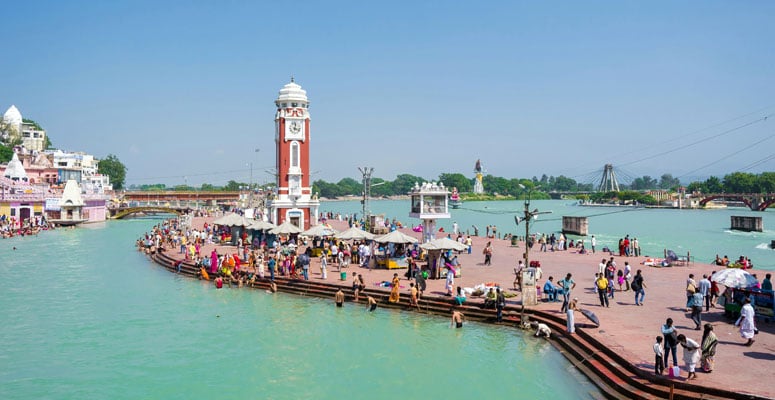
Haridwar is often the first spiritual stop in Uttarakhand, especially for families, senior travellers, and pilgrims beginning longer routes. It is best treated as a meaningful arrival point rather than a rushed halt.
Best suited for: Ganga aarti, temple visits, pilgrimage starts
Time needed: 1 night is usually enough
Pairs well with: Rishikesh, Devprayag, Char Dham routes
2. Rishikesh
Rishikesh works for travellers who want the Ganga-side setting without committing to a long pilgrimage. It has ashrams, riverfront stays, bridges, cafés, and access to softer adventure, so the stay area matters more than many travellers realise.
Best suited for: Spiritual breaks, yoga stays, families, couples, soft adventure
Time needed: 2 nights is better than a day trip
Pairs well with: Haridwar, Neelkanth, Devprayag
3. Kedarnath
Kedarnath is not casual sightseeing. It is a high-altitude pilgrimage that requires fitness, weather awareness, and buffer time. The journey has strong emotional value, but it should be planned with realistic expectations.
Best suited for: Dedicated pilgrims, fit travellers, organised yatra groups
Time needed: 3 to 4 days within a larger route
Pairs well with: Guptkashi, Sonprayag, Chopta, Badrinath
4. Badrinath
Badrinath combines shrine significance with a dramatic high-Himalayan setting. Many travellers add Mana village and Joshimath, making it more layered than a temple-only stop.
Best suited for: Char Dham, Do Dham, high-Himalayan pilgrimage routes
Time needed: 1 night near Badrinath or Joshimath
Pairs well with: Joshimath, Auli, Mana, Valley of Flowers, season permitting
5. Gangotri
Gangotri feels quieter and more remote than Haridwar or Rishikesh. It suits travellers who want a deeper Ganga-origin pilgrimage and are comfortable with longer hill drives.
Best suited for: Pilgrims, nature-aware travellers, slow Garhwal routes
Time needed: 2 to 3 days from the Uttarkashi side
Pairs well with: Uttarkashi, Harsil, Yamunotri
6. Yamunotri
Yamunotri needs more physical planning than many first-time travellers expect. The final approach involves walking or assisted options, so it is better handled as part of a planned Char Dham journey.
Best suited for: Char Dham pilgrims
Time needed: 2 days around Barkot or Janki Chatti planning
Pairs well with: Gangotri, Uttarkashi, Haridwar
7. Uttarkashi
Uttarkashi is a useful base for travel on the Gangotri side and a calm, spiritual town in its own right. It helps break long drives and works well for travellers who prefer a river-town halt over continuous road movement.
Best suited for: Gangotri route, longer Garhwal journeys, spiritual travellers
Time needed: 1 to 2 nights
Pairs well with: Harsil, Gangotri, Tehri
8. Joshimath
Joshimath is one of Garhwal’s most important route bases. It connects travellers to Auli & Badrinath and provides seasonal access to the Valley of Flowers and Hemkund Sahib.
Best suited for: Auli stays, Badrinath routes, high-Himalayan access
Time needed: 1 to 2 nights
Pairs well with: Auli, Badrinath, Govindghat
9. Devprayag and Panch Prayag
Devprayag is where the Bhagirathi and Alaknanda meet to form the Ganga. The wider Panch Prayag route suits travellers who want confluence stops woven into a pilgrimage or Garhwal road journey.
Best suited for: Pilgrimage routes, river confluence sightseeing, and slower drives
Time needed: Short stop to 1 night, depending on the route
Pairs well with: Rishikesh, Rudraprayag, Badrinath route
Hill Stations and Mountain Retreats
10. Devprayag and Panch Prayag
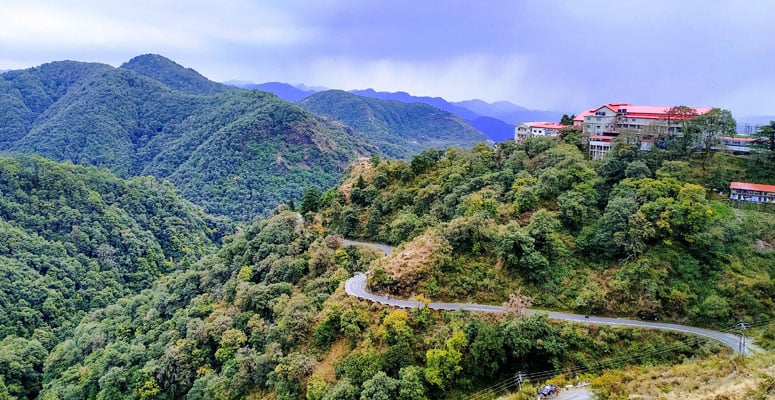
Mussoorie is Uttarakhand’s most convenient classic hill break. It works well for families, first-time hill travellers, and those who want hotels, cafés, Mall Road access, and easy viewpoints.
Best suited for: Families, couples, first-time hill-station travellers
Time needed: 2 to 3 nights
Pairs well with: Landour, Dhanaulti, Dehradun
11. Dhanaulti
Dhanaulti is a quieter extension of Mussoorie, better suited to travellers who want forested surroundings and less commercial activity. It is not as facility-heavy as Mussoorie, which is part of its appeal.
Best suited for: Short, quiet breaks, couples, families wanting slower hill time
Time needed: 1 to 2 nights
Pairs well with: Mussoorie, Kanatal, Tehri
12. Lansdowne
Lansdowne is best for travellers who want a calm cantonment-town atmosphere rather than busy sightseeing. It suits slow weekends and relaxed family trips.
Best suited for: Peaceful short breaks, couples, senior-friendly hill stays
Time needed: 2 nights
Pairs well with: Rishikesh or Corbett, if road time is planned well
13. Auli
Auli is chosen for its snow-covered views, winter appeal, and high-altitude Himalayan scenery. It is one of the best places in Garhwal for travellers who want a mountain stay with a stronger sense of altitude.
Best suited for: Snow-focused trips, couples, families with older children
Time needed: 2 nights, more in winter if the weather is uncertain
Pairs well with: Joshimath, Badrinath, Valley of Flowers, season permitting
14. Chopta
Chopta is a high-altitude town in the Tungnath and Chandrashila region. It suits active travellers more than comfort-first holidaymakers.
Best suited for: High-Himalayan access, nature breaks, active travellers
Time needed: 1 to 2 nights
Pairs well with: Ukhimath, Guptkashi, Kedarnath-side routes
15. Ranikhet
Ranikhet offers has open-view old-cantonment charm and a slower pace than many crowded hill stations. It works well for families who want space rather than constant movement.
Best suited for: Families, senior travellers, slow Kumaon holidays
Time needed: 2 nights
Pairs well with: Almora, Kausani, Corbett
16. Kausani
Kausani is about Himalayan views and slow mornings. It suits travellers who want sunrise viewpoints, quiet hotels, and a less rushed Kumaon route.
Best suited for: Couples, photographers, slow travellers
Time needed: 2 nights
Pairs well with: Almora, Binsar, Baijnath
17. Mukteshwar
Mukteshwar is a strong alternative to crowded lake towns. It works well for cottage stays, mountain cafés, orchards, viewpoints, and relaxed couples or family holidays.
Best suited for: Couples, families, slow stays, photography
Time needed: 2 nights
Pairs well with: Nainital, Bhimtal, Binsar
18. Chakrata
Chakrata is quieter than Mussoorie and suits travellers who want forest drives, viewpoints, and a less commercial Garhwal stay. It is best for those who do not need constant activity.
Best suited for: Quiet hill breaks, couples, nature-led stays
Time needed: 2 nights
Pairs well with: Dehradun, Mussoorie
19. Almora
Almora is useful as Kumaon’s cultural and routing base. It gives travellers access to markets, old lanes, temples, and nearby forest or viewpoint stays.
Best suited for: Culture, route breaks, Kumaon circuit travellers
Time needed: 1 to 2 nights
Pairs well with: Binsar, Kausani, Jageshwar
20. Pithoragarh
Pithoragarh is for travellers ready to go deeper into Kumaon. It offers a stronger mountain-valley feel and works better on a longer road journey.
Best suited for: Long road trips, deeper Kumaon exploration, repeat travellers
Time needed: 2 nights within a longer route
Pairs well with: Chaukori, Munsiyari, Abbott Mount
21. Munsiyari
Munsiyari gives one of Uttarakhand’s strongest remote mountain experiences. The journey is long, but travellers who enjoy distant Himalayan landscapes will value the effort.
Best suited for: Photographers, slow travellers, remote mountain lovers
Time needed: 3 nights if coming from central Kumaon
Pairs well with: Chaukori, Pithoragarh, Birthi Falls
22. Kanatal
Kanatal is a good choice for travellers who want a quiet stay near Mussoorie, away from crowds. It works as a resort-style mountain break rather than a sightseeing-heavy destination.
Best suited for: Couples, families, short luxury hill breaks
Time needed: 1 to 2 nights
Pairs well with: Dhanaulti, Tehri, Mussoorie
Lake Towns and Viewpoints
23. Nainital
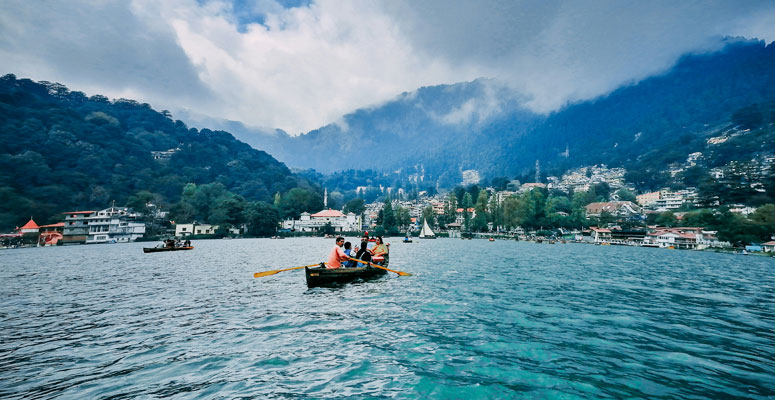
Nainital is the most convenient lake town in Kumaon, with hotels, boating, restaurants, markets, and viewpoints. It works especially well for families and first-time visitors.
Best suited for: Families, first-time Kumaon travellers, lake stays
Time needed: 2 nights
Pairs well with: Bhimtal, Sattal, Mukteshwar
24. Bhimtal
Bhimtal is calmer than Nainital, making it a good base for a relaxed lake stay. It suits travellers who want lake views without being in the busiest tourist centre.
Best suited for: Relaxed couples, families, and slower lake stays
Time needed: 1 to 2 nights
Pairs well with: Nainital, Sattal, Naukuchiatal
25. Binsar
Binsar adds forest, views, and quiet to the Kumaon circuit. It is not a lake town, but it fits naturally after Nainital, Almora, or Mukteshwar when travellers want a slower, nature-filled stay.
Best suited for: Forest stays, birding, photography, slow travel
Time needed: 2 nights
Pairs well with: Almora, Kausani, Mukteshwar
Wildlife, Forest, and Nature Escapes
26. Jim Corbett National Park
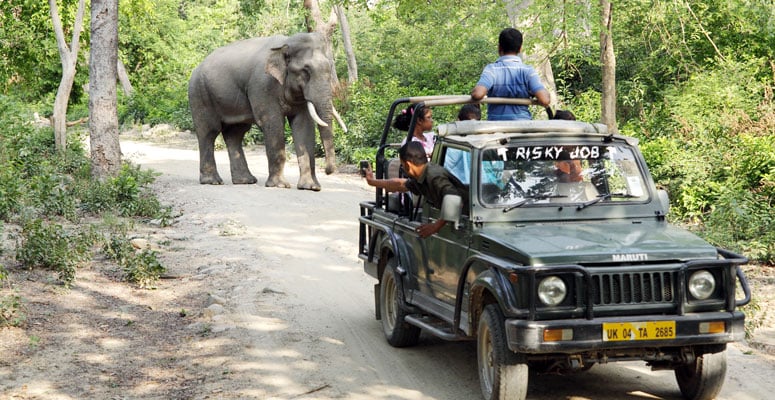
Jim Corbett is Uttarakhand’s strongest wildlife destination and works well for travellers who want a forest stay with structured safari planning. It is a good fit for families, couples, and wildlife-focused travellers.
Best suited for: Wildlife trips, family forest stays, safari-focused holidays
Time needed: 2 nights minimum
Pairs well with: Nainital, Bhimtal, Ranikhet
27. Rajaji National Park
Rajaji is useful for travellers staying near Haridwar, Rishikesh, or Dehradun who want a forest extension without driving all the way to Corbett. It is better as a short wildlife add-on.
Best suited for: Short forest extensions, families, Rishikesh-Haridwar travellers
Time needed: 1 night or a planned safari window
Pairs well with: Rishikesh, Haridwar, Dehradun
28. Valley of Flowers
Valley of Flowers is a seasonal nature destination, not a casual viewpoint. It suits active travellers who are comfortable with walking routes, mountain weather, and simple overnight bases.
Best suited for: Nature lovers, photographers, active travellers
Time needed: 4 to 5 days around Govindghat and Ghangaria planning
Pairs well with: Joshimath, Auli, Badrinath, season permitting
Offbeat and Quieter Places
29. Chaukori
Chaukori is a quiet Kumaon viewpoint with strong Himalayan-facing potential. It is best for travellers who enjoy stillness, sunrise views, and long road journeys.
Best suited for: Slow travellers, photographers, quiet couples
Time needed: 1 to 2 nights
Pairs well with: Kausani, Pithoragarh, Munsiyari
30. Abbott Mount
Abbott Mount has an old-world hill character and suits travellers looking for calm rather than a busy market scene. It works best as part of a Kumaon slow route.
Best suited for: Quiet stays, heritage feel, slow road trips
Time needed: 1 to 2 nights
Pairs well with: Lohaghat, Champawat, Pithoragarh
31. Lohaghat
Lohaghat is a quieter Kumaon base with access to old temples, forested surroundings, and less commercial movement. It suits repeat Uttarakhand travellers.
Best suited for: Slow Kumaon routes, quiet family breaks, repeat travellers
Time needed: 1 to 2 nights
Pairs well with: Abbott Mount, Champawat, Pithoragarh
32. Champawat
Champawat works for travellers interested in old temple sites, local history, and a quieter Kumaon rhythm. It is better as part of a deeper circuit than a standalone holiday.
.Best suited for: Heritage-minded travellers, slow Kumaon trips
Time needed: 1 night
Pairs well with: Lohaghat, Abbott Mount, Pithoragarh
How to combine places in Uttarakhand
1. Haridwar + Rishikesh + Neelkanth / Devprayag
Best for: Spiritual short breaks, first-time Garhwal travellers
Suggested duration: 3 to 4 days
Why it works: Short road distances and a clear Ganga-side theme
Avoid rushing: Devprayag as a late-evening add-on
2. Dehradun + Mussoorie + Dhanaulti
Best for: Families, couples, classic hill breaks
Suggested duration: 4 to 5 days
Why it works: Convenient access, classic hill-station comfort, and quieter extensions
Avoid rushing: Mussoorie local traffic during peak weekends
3. Nainital + Bhimtal + Sattal + Mukteshwar
Best for: Lake stays, relaxed couples, family holidays
Suggested duration: 4 to 6 days
Why it works: It balances convenience, quieter lakes, and ridge views
Avoid rushing: Treating every lake as the same type of stop
4. Corbett + Nainital + Ranikhet
Best for: Wildlife plus hill-station holiday
Suggested duration: 5 to 7 days
Why it works: Corbett adds forests, Nainital adds lakes, and Ranikhet adds calm hill time.
Avoid rushing: Safari, boating, and long transfers on the same day
5. Almora + Binsar + Kausani
Best for: Slow Kumaon travel, views, forest stays
Suggested duration: 5 to 6 days
Why it works: Almora gives culture, Binsar gives forests, and Kausani gives Himalayan views.
Avoid rushing: Binsar as a short photo stop
6. Auli + Joshimath + Badrinath / Valley of Flowers
Best for: High Garhwal routes and seasonal mountain access
Suggested duration: 5 to 8 days
Why it works: Joshimath anchors the route and keeps transfers practical
Avoid rushing: Valley of Flowers without enough walking and weather buffer
7. Char Dham Route
Best for: Dedicated pilgrimage
Suggested duration: 10 to 12 days or more, depending on pacing
Why it works: It follows a spiritual circuit with established route logic
Avoid rushing: Treating it like a casual sightseeing circuit
Which place should you choose?
- For first-time travellers: Mussoorie, Rishikesh, Nainital, Corbett
- For pilgrimage: Haridwar, Kedarnath, Badrinath, Gangotri, Yamunotri
- For families: Mussoorie, Nainital, Bhimtal, Ranikhet, Corbett
- For wildlife: Jim Corbett, Rajaji, Binsar
- For snow: Auli
- For quieter stays: Mukteshwar, Kausani, Binsar, Kanatal, Chakrata
- For long road trips: Char Dham route, Munsiyari, deeper Kumaon
Best time to visit
- March to June is strong for hill stations, family holidays, Char Dham opening-season planning, Rishikesh, Mussoorie, Nainital, Ranikhet, Mukteshwar, and many Garhwal routes.
- July to September requires caution, as the monsoon can affect road access. Valley of Flowers is the key seasonal exception, but even there, weather and walking conditions matter.
- October to November is excellent for clearer views, quieter hill stays, and post-monsoon trips to Kumaon or Garhwal. This is a good window for travellers who dislike peak summer crowds.
- December to February suits snow-focused trips such as Auli, winter hill stays, and quiet mountain breaks. Road access, heating quality, and weather delays should be checked before travel.
Plan Uttarakhand with IndianHoliday!
Uttarakhand becomes easier to plan once you stop treating every destination as equal. Choose Garhwal for pilgrimage, river towns, Auli, Chopta, and high-Himalayan routes. Choose Kumaon for lakes, wildlife, forest stays, viewpoints, and quieter hill towns. Keep the route realistic, respect mountain road time, and build in buffers where altitude, weather, or pilgrimage movement can affect the journey.


