
Uttarakhand caves don’t offer the same kind of travel experience. Some are sacred cave temples, some are river caves, and a few sit naturally within pilgrimage or adventure circuits. The right cave to visit depends on your route, comfort level, season, and how much time you have. This is useful for travellers who want to add one or two cave experiences to a Uttarakhand itinerary.
What kind of Cave Experience should you choose?
Uttarakhand’s cave experiences can be broadly understood in three ways.
- Easy cave visits are well-suited to families, senior travellers, and short holidays.
- Sacred cave temples suit pilgrims and culture-focused travellers. These caves are less about adventure and more about faith, mythology, temple customs, and quiet observation.
- Adventure or trek-based caves need better planning. They may involve uneven trails, limited facilities, weather dependence, and longer route times.
Top Caves in Uttarakhand
Meditation and Spiritual Caves
These caves are quieter in intent. Travellers should visit them with patience, silence, and respect for the spiritual atmosphere.
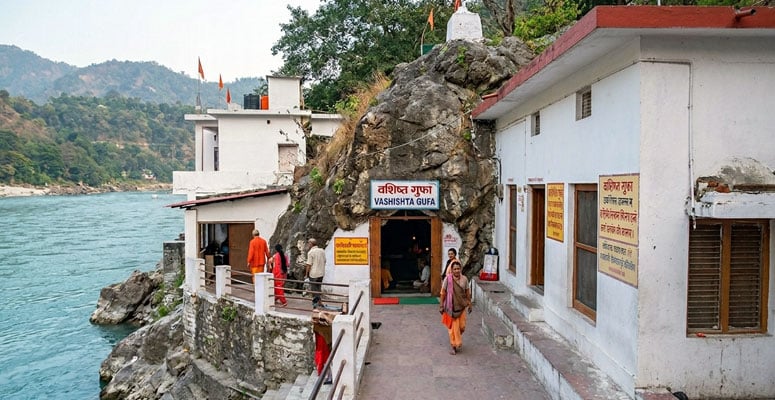
1. Vashishta Gufa, Rishikesh
This is one of the most meaningful cave experiences near Rishikesh. It is located on the Rishikesh–Badrinath road and is known as a meditation cave associated with Sage Vashishta. The cave has a Shivling inside and is managed near Swami Purshottamanand Ashram. This cave suits travellers who want a quieter spiritual break from Rishikesh rather than another busy riverside stop.
Best suited for: Spiritual travellers, yoga travellers, couples, quiet seekers
Ideal time: 1 to 1.5 hours
Effort level: Low to moderate
Best route fit: Rishikesh, Shivpuri, Devprayag road, Garhwal route
Worth it if: You want a peaceful meditation-focused experience near Rishikesh
Optional if: Your Rishikesh stay is already very short
2. Mahavatar Babaji Cave, Pandukholi
A deeply spiritual site in the Kumaon region, this cave is associated with Mahavatar Babaji and the Kriya Yoga tradition. It is generally approached from the Dwarahat–Dunagiri side, with Kukuchina often used as the roadhead before the walk toward the cave. It suits travellers who are Kriya Yoga practitioners or interested in meditation.
Best suited for: Spiritual seekers, meditation-focused travellers
Ideal time: Half day to full day from Dwarahat, depending on route and pace
Effort level: Moderate
Best route fit: Almora, Ranikhet, Dwarahat, Dunagiri, Kumaon spiritual route
Avoid if: You want an easy roadside stop or have mobility concerns
Sacred Cave Temples
These caves are often linked with Shiva worship, local mythology, pilgrimage traditions, and regional faith.
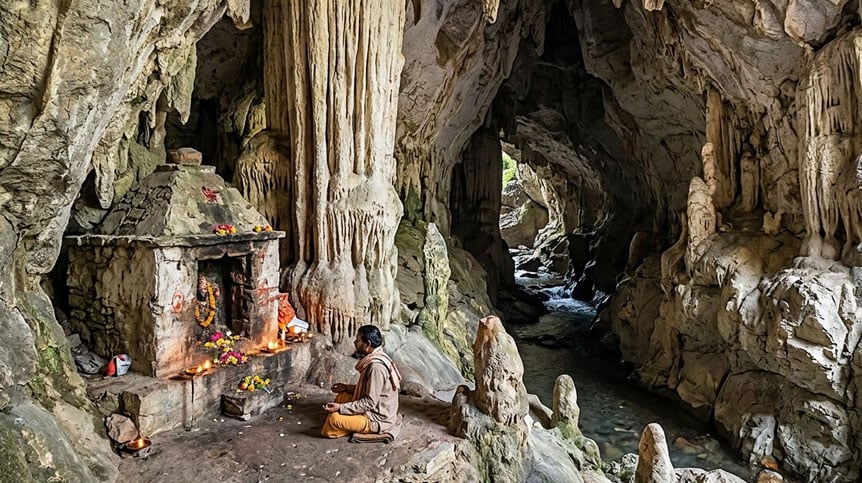
3. Patal Bhuvaneshwar Cave Temple, Pithoragarh
One of Uttarakhand’s strongest cave experiences, this limestone cave temple is known for its natural rock formations and deep mythological associations. It is an ancient temple where visitors descend around 90 feet, and the site is associated with Lord Shiva and many Hindu deities.
Best suited for: Pilgrims, Kumaon explorers, culture-focused travellers
Ideal time: 1.5 to 2.5 hours at the site, plus route time
Effort level: Moderate
Best route fit: Almora, Chaukori, Gangolihat, Pithoragarh
Avoid if: You are claustrophobic or have knee or mobility issues
Forest, Picnic, and Outdoor Experiences
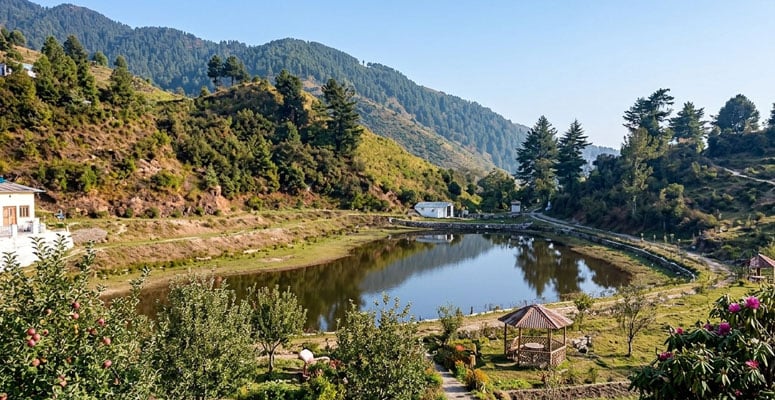
Not every activity in Chakrata needs to be adventurous. Some of the better travel moments here come from simple forest time, quiet meals, and unhurried outdoor stops.
4. Gauri Udiyar Cave, Bageshwar
It is a sacred cave near Bageshwar in Kumaon, associated with Lord Shiva and Goddess Parvati. Local travel references describe it as a cave temple with naturally formed formations worshipped as Shivlingas.
Best suited for: Pilgrims, Kumaon-route travellers, culture-focused families
Ideal time: 1 to 2 hours
Effort level: Low to moderate
Best route fit: Bageshwar, Kausani, Baijnath, Almora, Kumaon circuit
Avoid if: You are on a short Nainital-Almora trip with limited time
5. Airavat Cave, Jageshwar
It is associated with the Jageshwar spiritual landscape and is now also being developed as a meditation-focused site near the Dham. It suits travellers who want to extend their Jageshwar visit beyond the main temple complex and spend more time in the area.
Best suited for: Spiritual travellers, Jageshwar visitors
Ideal time: 1 to 2 hours, depending on access and route conditions
Effort level: Low to moderate, depending on the walking route
Best route fit: Jageshwar, Almora, Binsar, Kumaon temple circuit
Avoid if: You are visiting Jageshwar only as a short stop between destinations
6. Tapkeshwar Mahadev Temple, Dehradun
Tapkeshwar Mahadev is a cave temple dedicated to Lord Shiva near Dehradun. It is known for its cave setting and the natural dripping of water over the Shivling. This is one of the easiest caves and works well for travellers staying in Dehradun or moving toward Mussoorie.
Best suited for: Families, pilgrims, senior travellers, short Dehradun stays
Ideal time: 1 to 1.5 hours
Effort level: Low to moderate
Best route fit: Dehradun-Mussoorie-Rishikesh-Haridwar-Chakrata route
Avoid if: You are visiting during the monsoons
7. Koteshwar Mahadev Cave Temple, Rudraprayag
Koteshwar Mahadev is a cave shrine near Rudraprayag, associated with Lord Shiva and located close to the Alaknanda River. The local belief is that Lord Shiva rested in the cave while fleeing the demon Bhasmasura. This cave works best as part of a Garhwal or Char Dham-side journey.
Best suited for: Pilgrims, Garhwal-route travellers, culture-focused families
Ideal time: 45 minutes to 1.5 hours
Effort level: Low to moderate
Best route fit: Rudraprayag, Kedarnath route, Badrinath route, Chopta route
Avoid if: Your Char Dham transfer schedule is already tight
Heritage and Archaeological Cave Experiences
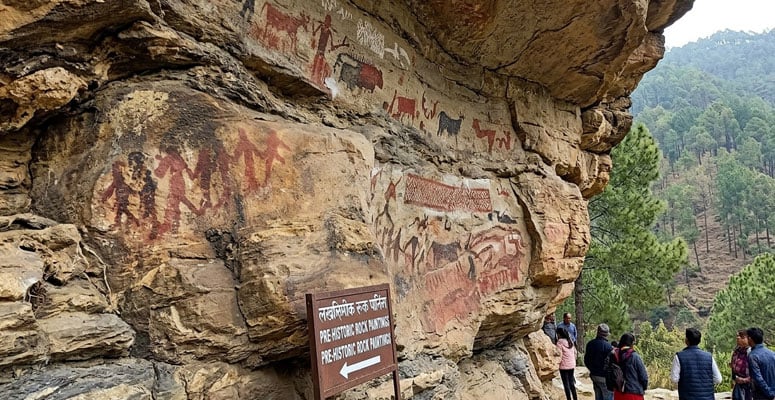
These caves are not mainly about worship or adventure. They are better for travellers interested in early human traces, rock art, history, and Kumaon’s older cultural landscape.
8. Lakhudiyar Cave, Almora
Lakhudiyar is a prehistoric rock art site near Barechhina in Almora district, located on the banks of the Suyal River. It is known for rock paintings that show human figures, animals, and symbolic patterns in red, black, and white. Travellers who enjoy heritage, ancient art, and slower Kumaon routes will find it worthwhile.
Best suited for: Heritage travellers, students, culture-focused families, photographers
Ideal time: 45 minutes to 1.5 hours
Effort level: Low to moderate
Best route fit: Almora, Barechhina, Binsar, Jageshwar route
Avoid if: You prefer only temple or nature-based cave experiences
Trek, Waterfall, and Adventure-Based Caves
These caves need more planning than Dehradun-side cave visits. Weather, footwear, route condition, and group fitness matter.
9. Robber’s Cave, Dehradun
Robber’s Cave, also known as Gucchu Pani, is a natural river cave near Dehradun where visitors walk through a narrow passage with water flowing through it. It is around 8 km from Dehradun and is a popular short outing from the city.
Best suited for: Families, couples, first-time Dehradun visitors
Ideal time: 1.5 to 2 hours
Effort level: Low to moderate
Best timing: Morning or early afternoon
Best route fit: Dehradun, Mussoorie, Rishikesh, Haridwar add-on
Avoid if: Heavy rain is expected or the group is uncomfortable walking through water
10. Budher Caves, Chakrata
Budher Caves, also known as Buder or Miola Caves, are located near Chakrata and are known for their stalactite and stalagmite formations. This is not an activity to add casually at the end of a long drive. The route takes time; the area is more remote, with uneven terrain and limited facilities.
Best suited for: Active travellers, small groups, adventure-focused families
Ideal time: Half day to full day, depending on route conditions
Effort level: Moderate to high
Best season: Clear-weather months outside heavy rain
Best route fit: Chakrata, Deoban, Kanasar, Tiger Falls route
Avoid if: You have only one night in Chakrata or the group has mobility concerns
11. Rudradhari Cave, Kausani
Rudradhari Cave is usually visited alongside the Falls near Kausani. The site combines a short trek, forested surroundings, a waterfall, and a cave-temple setting. This is a good fit for travellers who want a nature-led activity around Kausani rather than only viewpoint sightseeing.
Best suited for: Nature travellers, active families, couples, photographers
Ideal time: 2 to 3 hours
Effort level: Moderate
Best timings: Morning or early afternoon
Best route fit: Kausani, Baijnath, Bageshwar, Almora, Kumaon circuit
Avoid if: The weather is wet, the trail is slippery, or the group has knee issues
Pilgrimage-Route Caves
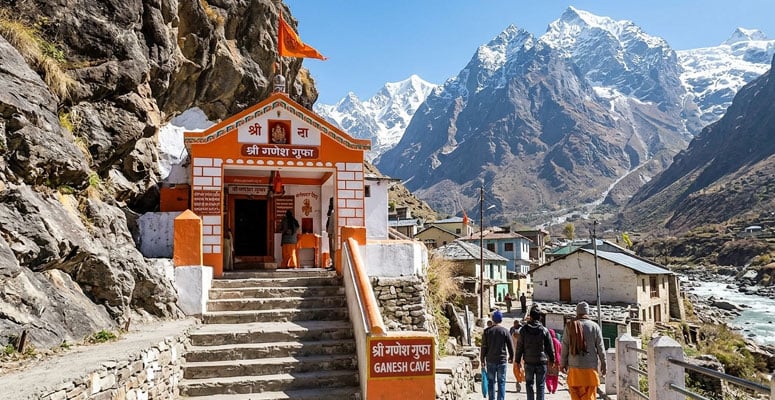
These caves work best when the journey already includes Badrinath and Mana. They should not be treated as standalone cave excursions.
12. Vyas Gufa and Ganesh Gufa, Mana
Vyas Gufa and Ganesh Gufa are located in Mana, near Badrinath. The Mahabharata Circuit connects Vyas Gufa, where it is believed that Sage Vyas composed the Mahabharata with the help of Lord Ganesha, to other significant sites.
Best suited for: Pilgrims, Char Dham travellers, culture-focused families
Ideal time: 1 to 2 hours in Mana, depending on crowd and route plan
Effort level: Low at the site, but high-altitude route planning matters
Best season: During the Badrinath travel season
Best route fit: Badrinath, Mana, Joshimath, Alaknanda valley
Avoid if: You are not already travelling toward Badrinath
Best Time to Visit
The best time depends on the cave and the route. Spring and autumn are generally the most comfortable seasons for cave visits across Uttarakhand. Summer works well for Dehradun, Chakrata, Kumaon, and Badrinath-side routes. Monsoon should be approached with caution, especially as trails and stone surfaces can become slippery. While winter can work for Dehradun-side caves and some lower Garhwal stops.
How to Add Caves to a Uttarakhand Trip
Caves should be added based on route logic, not just interest.
- If you are staying in Dehradun, choose Robber’s Cave or Tapkeshwar Mahadev. Robber’s Cave is better for families and light outdoor fun, while Tapkeshwar is better for a short spiritual stop.
- If you are planning Chakrata, Budher Caves can be added if the group is active and has enough time. Do not force it into a one-night break.
- If you are exploring Kumaon, Patal Bhuvaneshwar is the strongest cave experience. Gauri Udiyar fits well with Bageshwar, Lakhudiyar with Almora, Rudradhari with Kausani, and Airavat Cave with Jageshwar.
- If you are doing Badrinath or Char Dham, Vyas Gufa and Ganesh Gufa fit naturally into the Mana itinerary. Koteshwar Mahadev can be added around Rudraprayag if the schedule allows.
To plan the broader journey, use the following for planning: