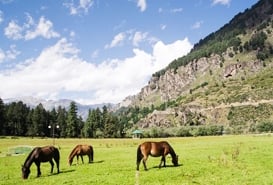

Pahalgam works best as a collection of distinct experiences rather than a single sightseeing route. Travellers combine easy valley visits, riverside stops, meadow excursions, and longer high-altitude journeys, depending on how much time and effort they want to invest.
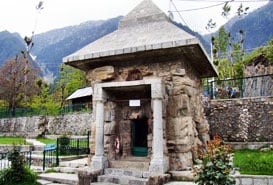
Families and casual travellers usually focus on accessible valleys and river walks, while more active visitors extend their plans towards treks and alpine lakes. Cultural and spiritual sites such as Mamleshwar Temple and Aishmuqam Shrine add a quieter context to the otherwise landscape-driven itinerary.
This guide organises Pahalgam’s attractions by travel effort, setting, and route logic, helping you plan realistic combinations instead of trying to cover everything in a single rushed visit.

Quick Planning Snapshot
What Makes Pahalgam Different from Other Kashmir Destinations?
Unlike Gulmarg, which is centred around mountain views and winter sports, or Sonamarg, which works primarily as a high-altitude excursion destination, Pahalgam offers a broader mix of valleys, rivers, meadows, trekking gateways, heritage sites, and slower-paced landscapes.
Travellers generally choose Pahalgam for:
- Accessible valley scenery without long hikes
- Riverside experiences along the Lidder River
- Meadow viewpoints such as Baisaran
- Trekking access to Tulian Lake, Lidderwat, Kolahoi Glacier, and Tarsar–Marsar
- Multi-day stays rather than short sightseeing stops
- A balanced mix of nature, culture, and soft adventure
How Attractions in Pahalgam Are Structured
- Valley circuit (Aru Valley, Betaab Valley, Baisaran Meadow) forms the core scenic loop and main sightseeing base
- River-based experiences (Lidder River) cover easy-access walks and activity zones within town reach
- High-altitude trek and lake routes (Tulian Lake, Kolahoi Glacier, Tarsar–Marsar) involve longer journeys and require separate planning
- Cultural and heritage stops (Mamleshwar Temple, Aishmuqam Shrine, Awantipora, Martand Sun Temple) add short detours with historical and spiritual context
- Leisure layer (Pahalgam Golf Course, Lidder Amusement Park, Market) includes low-effort stops suited for relaxed or family-focused days
- Offbeat nature zones (Dabyan Valley, Deno Valley, Overa–Aru Wildlife Sanctuary) offer quieter alternatives away from the main tourist flow
Valley & Meadow Circuit (Core Sightseeing Layer)
1. Aru Valley
Aru Valley is a calm, open meadow setting near Pahalgam that is usually included as part of the core valley loop. It suits travellers who prefer a quieter atmosphere compared to the main town circuit and works well as a half-day visit. The area also serves as a common starting point for longer trekking routes, which adds to its importance in overall trip planning.
Best for: Families, photographers, slow travellers
Time needed: 2–3 hours
Best visited: Morning
Pairs well with: Betaab Valley, Lidder River
Skip if: You are planning a full-day trek from Aru
2. Betaab Valley
Betaab Valley is one of the most accessible and structured scenic stops near Pahalgam, known for its river bends, green flats, and mountain backdrop. It is commonly combined with the Aru Valley or included en route to the Chandanwari side, depending on the day’s route.
Best for: First-time visitors, families, photography
Time needed: 1–2 hours
Best visited: Morning or late afternoon
Pairs well with: Aru Valley, Chandanwari
Skip if: You prefer quieter, less-developed locations
3. Baisaran Meadow
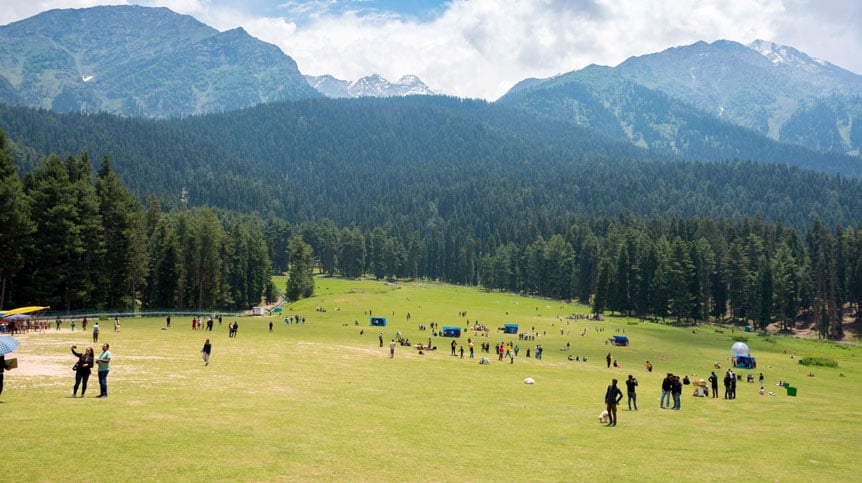
Baisaran Meadow is an elevated viewpoint-style experience accessed via pony ride or a short uphill approach from Pahalgam. It is typically planned as a separate half-day stop due to the access method and visitor flow.
Best for: View seekers, couples
Time needed: Half day
Access: Pony ride or uphill walk
Best visited: Clear mornings
Avoid: Midday peak crowds
4. Chandanwari
Chandanwari is the traditional starting point of the Amarnath Yatra and one of the most commonly visited excursions from Pahalgam. The area combines river scenery, mountain views, seasonal snow patches, and short walking opportunities.
Best for: First-time visitors wanting a mountain excursion without trekking
Time needed: 2–3 hours
Pairs well with: Betaab Valley and Aru Valley
River & Low-Effort Experiences
1. Lidder River
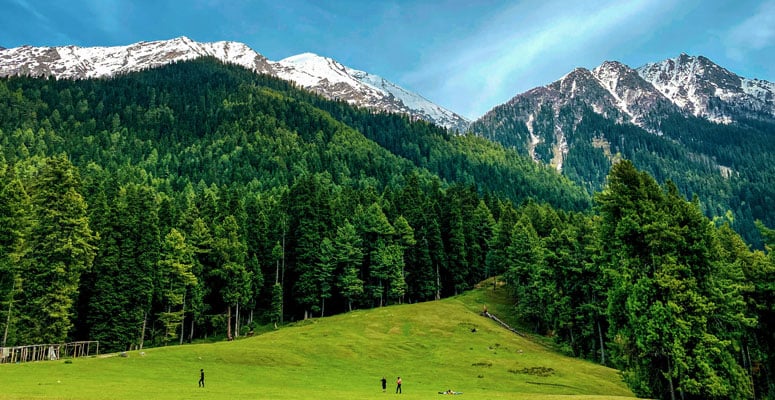
Lidder River is the central low-effort experience in Pahalgam and forms a natural part of most sightseeing days rather than a standalone attraction. It runs through the town and offers easy-access riverside spots for short walks, breaks between valley visits, and relaxed scenic time. In suitable seasonal conditions, selected stretches also support light rafting activities, making it both a scenic and activity-based stop depending on the time of year.
2. Riverside walks and rafting logic
Riverside walks along the Lidder are typically unstructured and used as flexible pauses within a broader itinerary rather than planned excursions. Rafting sections are seasonal and depend on river flow conditions, and are usually combined with nearby valley visits rather than treated as separate full-day plans.
3. Lavender Park
Lavender Park, where included in itineraries, functions as a short-duration leisure stop within the riverside and town-based circuit. It is generally used for light scenic breaks rather than structured sightseeing and fits best between more activity-heavy valley visits.
High-Altitude Lakes & Trekking Routes
1. Tulian Lake
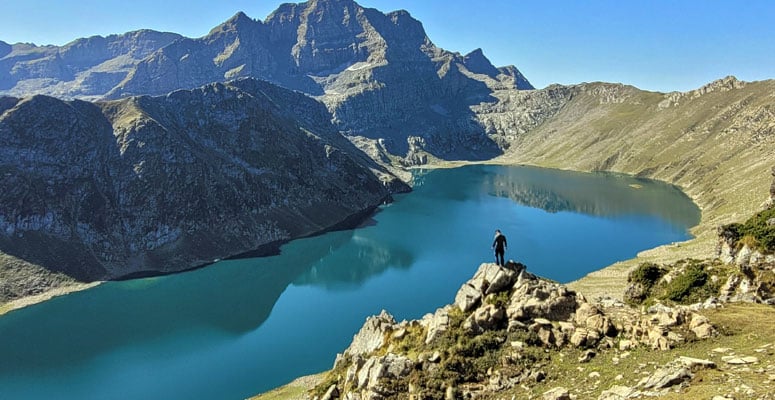
Tulian Lake is a high-altitude trekking destination that requires significant effort and time planning. It is not part of a standard sightseeing loop and is typically included as a dedicated full-day or extended trek experience, depending on fitness and weather conditions.
2. Kolahoi Glacier
Kolahoi Glacier is one of the more demanding trekking routes in the region and is suitable only for travellers comfortable with longer hikes and variable mountain conditions. It is planned as a separate expedition rather than a casual day trip.
3. Lidderwat
Lidderwat serves as an intermediate trekking destination and is often used as a base or midway point for longer alpine routes. It is accessible via Aru Valley and forms part of structured trekking itineraries rather than independent sightseeing.
4. Tarsar–Marsar (advanced multi-day context)
Tarsar–Marsar is a multi-day trekking circuit and should be treated as a full expedition rather than a single attraction. It is typically accessed through Aru Valley and requires advance planning, guides, and multiple days in the mountains.
5. Access logic via Aru Valley
Aru Valley acts as the primary gateway for most high-altitude trekking routes in the region. Travellers planning Tulian Lake, Lidderwat, or longer alpine circuits generally route through Aru as the starting point due to its location and connectivity.
Cultural & Spiritual Stops
1. Mamleshwar Temple
Mamleshwar Temple is a short cultural stop within the Pahalgam region that fits into half-day sightseeing routes. It is generally visited as a brief detour and adds historical and spiritual context to an otherwise nature-focused itinerary.
2. Aishmuqam Shrine
Aishmuqam Shrine is a culturally significant spiritual site that is typically included as a short visit within broader travel routes. It is best experienced as a calm stop rather than a standalone destination.
3. Awantipora / Avantiswami Temple
Awantipora ruins offer a heritage-focused stop that is usually added during transit routes between Srinagar and Pahalgam. It functions best as a brief stop rather than a primary sightseeing destination.
4. Pahalgam’s Role in the Amarnath Yatra
Pahalgam serves as one of the principal base points for the annual Amarnath pilgrimage. During the Yatra season, visitor numbers, accommodation demand, security checks, and road traffic increase significantly.
5. Martand Sun Temple
Martand Sun Temple is a major heritage site in the wider region and is typically included as an extended detour within a Pahalgam trip. It is suited for travellers interested in archaeology and open-air historical structures.
Leisure & Family Attractions
1. Pahalgam Golf Course
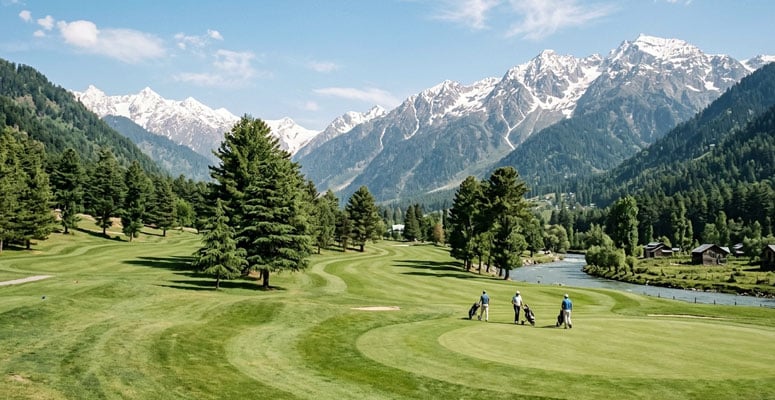
Pahalgam Golf Course is a leisure-focused attraction that offers a relaxed alternative to valley and trek-based sightseeing. It is generally included as a low-effort stop within a broader itinerary rather than a standalone activity.
2. Lidder Amusement Park
Lidder Amusement Park is a family-oriented attraction designed for light recreation and short visits. It is best suited for travellers looking for non-strenuous activities within Pahalgam.
3. Pahalgam Market and craft lanes
The local market and craft lanes provide a low-intensity cultural shopping experience within the town. It is typically explored in short sessions between sightseeing routes rather than planned as a primary attraction.
Offbeat Valleys & Nature Zones
1. Dabyan Valley
Dabyan Valley is a quieter meadow experience that sits outside the main Pahalgam sightseeing loop and is best suited for travellers looking to avoid crowd-heavy locations. It offers open landscapes, walking-friendly terrain, and a more natural setting compared to the core valley circuit. It is generally planned as a half-day visit and works best when included as a substitute for more commercial meadow stops.
2. Deno Valley
Deno Valley is a low-commercial nature zone that focuses more on slow exploration than landmark-based sightseeing. It is suitable for travellers who prefer open walks, forest edges, and a less structured travel experience. The visit is typically flexible and works well as a short half-day addition within a lighter itinerary.
3. Overa–Aru Wildlife Sanctuary
Overa–Aru Wildlife Sanctuary represents the ecological and forested side of the Pahalgam region, covering protected landscapes and biodiversity zones. It is not a quick sightseeing stop and should be treated as a nature-focused visit with variable access depending on season and conditions. It is best suited for travellers interested in forest ecology, birdlife, and quieter natural environments.
Recommended Sightseeing Circuits
Circuit 1: Classic Valley Loop (Half Day)
Pahalgam → Betaab Valley → Aru Valley → Lidder River
Best for:
- First-time visitors
- Families
- Day visitors
Circuit 2: Scenic Full-Day Circuit
Pahalgam → Betaab Valley → Aru Valley → Chandanwari → Lidder River
Best for:
- Two-day itineraries
- Couples
- Photography-focused travellers
Circuit 3: Heritage Extension
Srinagar → Awantipora → Martand Sun Temple → Pahalgam
Best for:
- Culture-focused travellers
- Visitors arriving from Srinagar
Circuit 4: Trekking Gateway Circuit
Pahalgam → Aru Valley → Lidderwat → Tulian/Kolahoi / Tarsar – Marsar
Best for:
- Experienced trekkers
Best Time for Different Attractions
| Attraction | Best Season |
|---|---|
| Betaab Valley | April–October |
| Aru Valley | April–October |
| Baisaran | May–October |
| Tulian Lake | Summer only |
| Kolahoi Glacier | Summer trekking season |
| Lidder River | Spring to autumn |
| Wildlife Sanctuary | Spring and autumn |
Who Will Enjoy These Places Most?
1. Families with kids
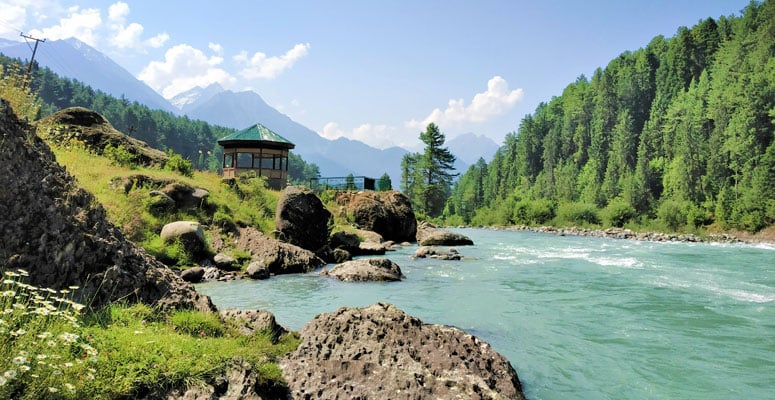
Pahalgam works best when planned around short-distance valley visits, riverside time, and light leisure stops. Aru Valley, Betaab Valley, Lidder River, and Lidder Amusement Park typically form the core of a comfortable itinerary, with limited inclusion of higher-effort locations like Baisaran depending on accessibility and pacing.
2. Couples and honeymoon travellers
Couples generally benefit from combining scenic valley loops with quieter river-facing time and slower-paced experiences. Aru Valley, Betaab Valley, Baisaran Meadow, and select leisure stops like the Golf Course or riverside walks tend to fit well, especially when spread across two to three days for a more relaxed rhythm.
3. Soft adventure travellers
This segment usually combines valley sightseeing with moderate activity such as pony rides, rafting, and short hikes. Aru Valley often becomes a base point for extending into Lidderwat or other trekking routes, while Tulian Lake can be included for a higher-effort day depending on conditions and fitness level.
4. Serious trekkers
For experienced trekkers, Pahalgam functions more as a gateway than a destination. Aru Valley is the key access point for multi-day routes like Tarsar–Marsar, along with demanding treks such as Kolahoi Glacier and Tulian Lake. The itinerary here is structured around weather windows, stamina, and multi-day planning rather than sightseeing circuits.
Practical Comfort Considerations
1. For families with young children
Prioritise:
- Betaab Valley
- Aru Valley
- Lidder River
- Golf Course
Limit:
- Long pony rides
- Full-day trekking routes
2. For senior travellers
Focus on:
- Valley viewpoints
- Cultural sites
- Riverside areas
Avoid:
- Tulian Lake
- Kolahoi Glacier
- Long meadow approaches
3. For travellers prone to motion sickness
Roads between Srinagar and Pahalgam contain winding mountain sections. Motion-sickness medication may be useful for sensitive travellers.
Understanding Local Transport in Pahalgam
Many valley attractions operate through local taxi unions and designated vehicle systems.
Travellers should expect:
- Separate local transport for certain valley routes
- Additional transport charges beyond intercity transfers
- Seasonal traffic delays during peak tourism months
How to Reach Pahalgam
Pahalgam is located in the Anantnag district of Kashmir and is well connected to Srinagar by road. Most travellers reach Pahalgam as part of a wider Kashmir itinerary, usually after arriving in Srinagar.
1. By Air
Nearest airport: Srinagar International Airport (approximately 90–95 km away).
- Direct flights connect Srinagar with major Indian cities such as Delhi, Mumbai, Bengaluru, and Jammu.
- Private taxis and pre-arranged transfers are available from the airport to Pahalgam.
- Travel time from Srinagar Airport to Pahalgam is typically around 2–3 hours, depending on traffic and road conditions.
2. By Train
Nearest major railhead: Jammu Tawi Railway Station
- Well-connected with major cities across India.
- Travellers can continue to Pahalgam via Srinagar by road.
- The Kashmir railway network also connects parts of the Valley, though most visitors rely on road transfers for the final journey.
3. By Road
Main route: Srinagar → Pampore → Awantipora → Anantnag → Pahalgam
- Distance from Srinagar: Approximately 90 km.
- Regular taxis and private cabs operate throughout the year.
- The drive passes through saffron-growing regions, rural villages, and sections of the Lidder Valley.
Continue Planning Your Kashmir Trip
Apart from exploring Pahalgam, travellers also check out: